



Regency Period Storage Chest
These regency period storage chest examples combine practical function with classical elegance, offering refined compartments for the home.
Regency Period Storage Chest
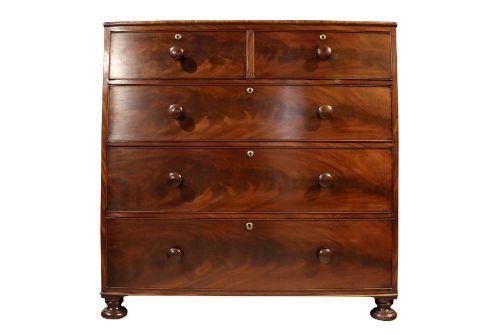
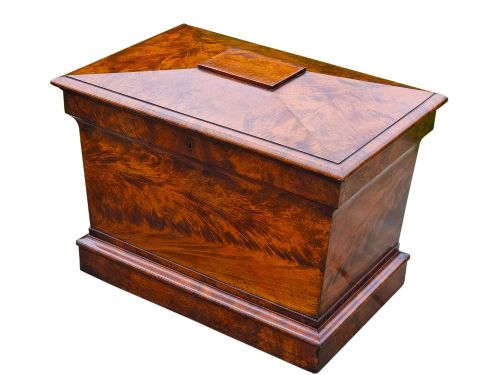
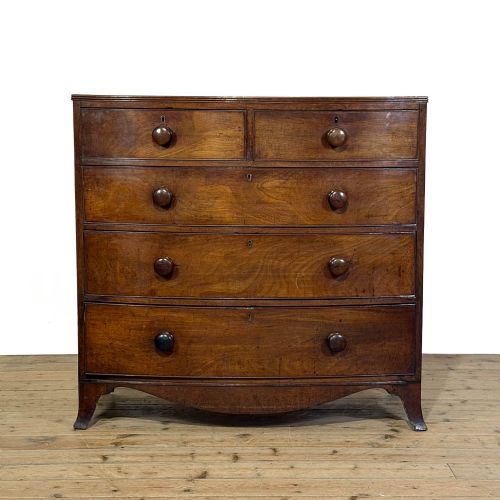
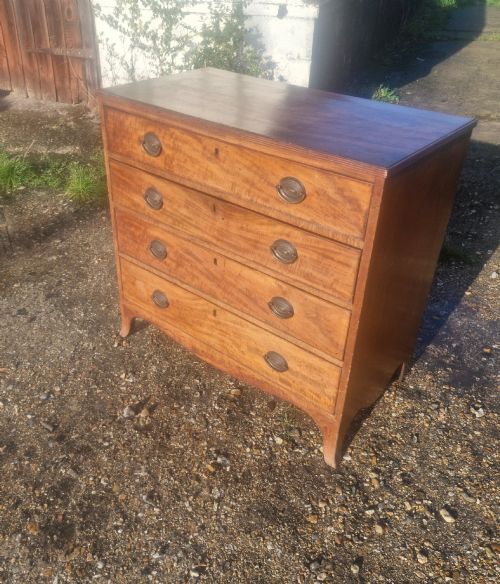
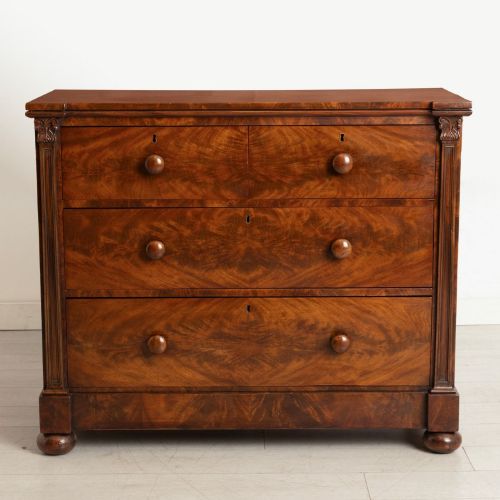
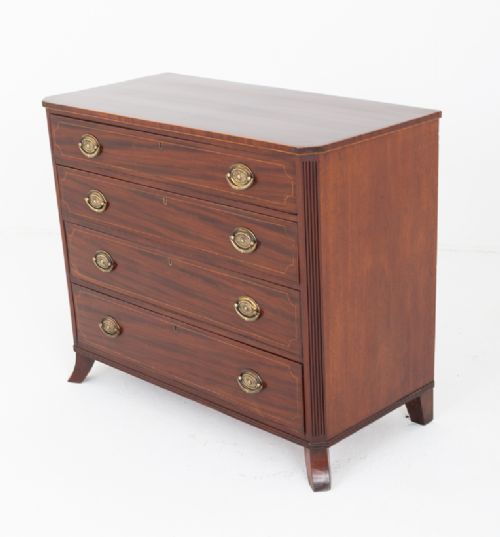
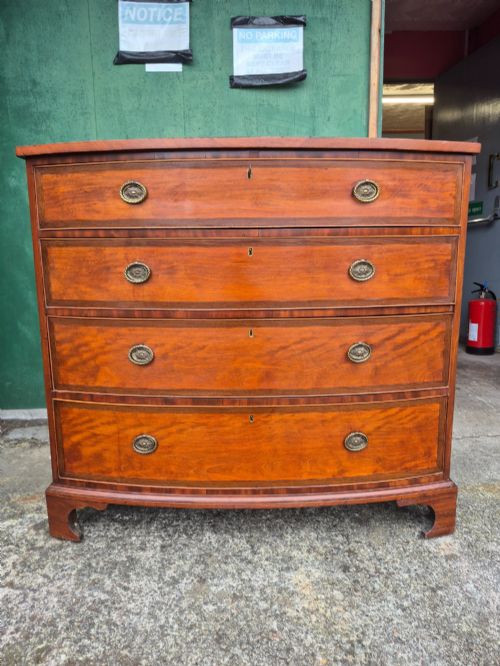
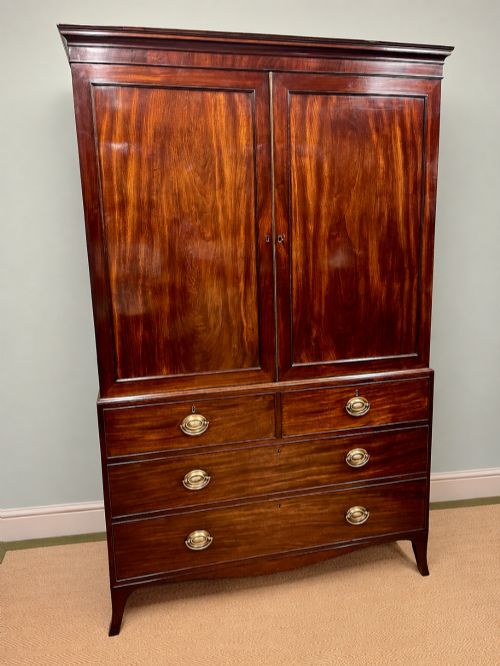
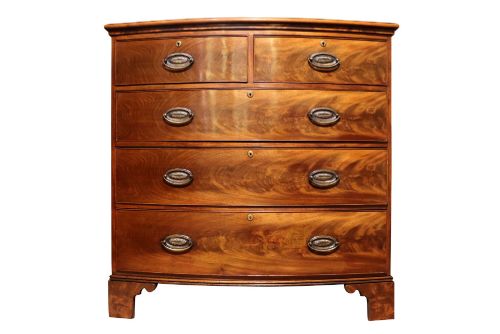
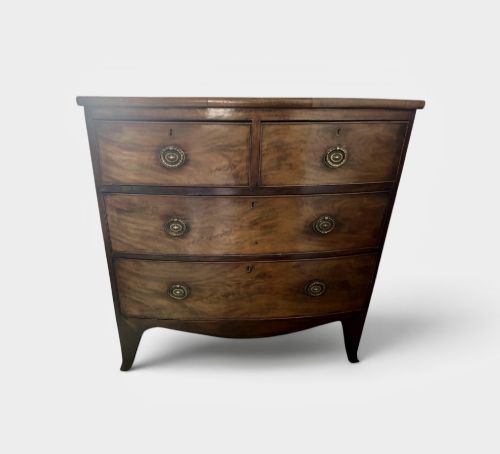
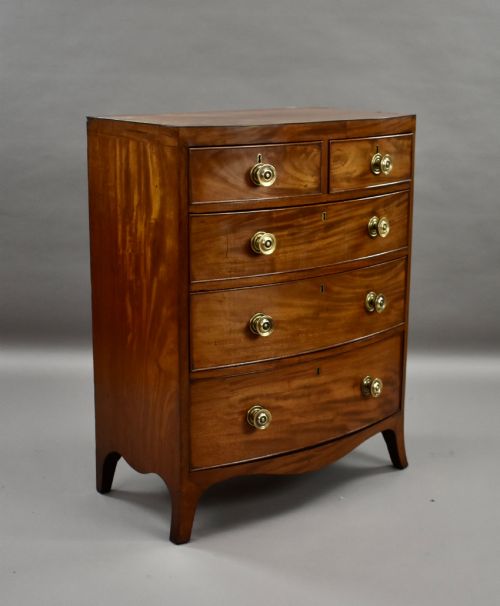
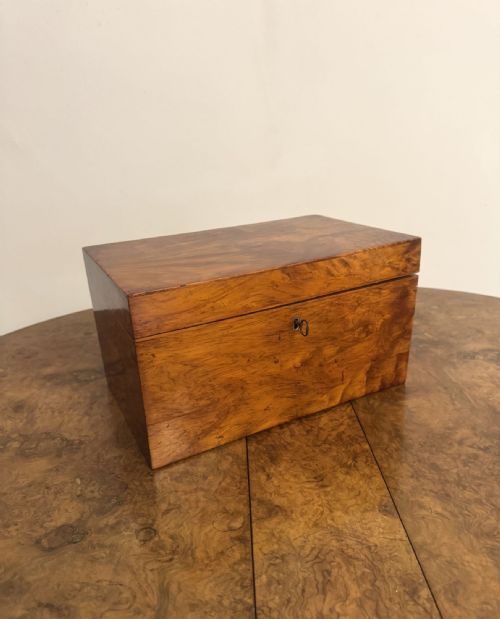
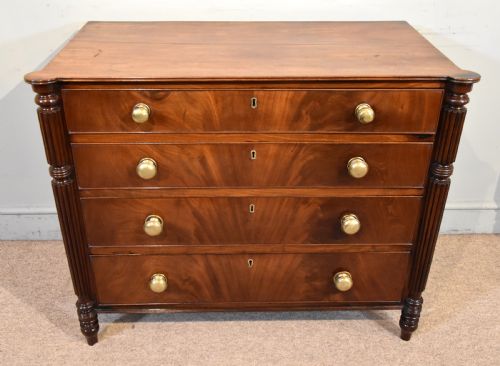
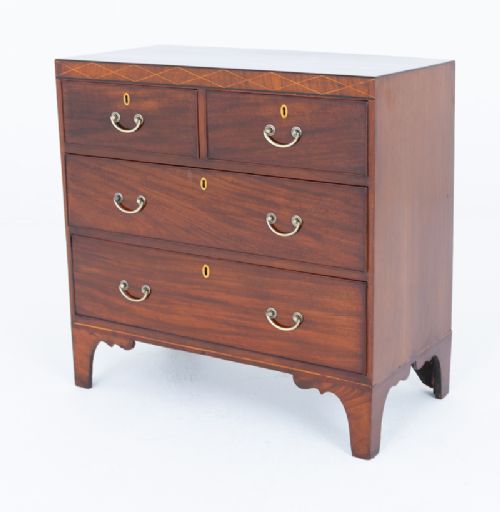
A regency period storage chest encompasses formal case furniture designed during the early nineteenth century, predominantly featuring mahogany, rosewood, and satinwood constructions. Buyers searching for a regency period storage chest most frequently encounter bow front and straight-front chests of drawers, alongside specialised forms such as linen presses, cellarettes, and tea caddies.
The surviving pieces demonstrate a clear preference for architectural restraint paired with rich timber grains, including flame mahogany and burr elm. Examples range from compact desktop collector cases and ottomans to grand Italian inlaid commodes and Egyptian revival chests on stands.
Assessing quality in period pieces
The distinction between standard examples and superior pieces rests upon the choice of timber and the precision of the cabinet work. Highly figured grains such as plum pudding mahogany or pollard oak elevate a piece, especially when combined with crisp brass inlays and well-preserved patination.
Proportion and decorative restraint also separate fine outputs from ordinary workshops. Well-executed bracket feet, precise bow fronts, and harmonious proportions indicate a higher tier of workmanship from the period.
Regency Period Storage Chest Retail Price Guide 2026
Typical asking prices for regency period storage chest among the pieces listed under this phrase on Sellingantiques today, from the lower quarter to the upper quarter. They describe what is for sale here now, not the wider market.
Object forms include chests of drawers, linen presses, cellarettes, tea caddies, ottomans, and desktop collector cases.
The Regency Period Storage Chest Glossary
- Bow front
- A convex curved front cabinetry design popular during the Regency era. This shape softens the profile of a chest of drawers.
- Cellarette
- A dedicated container used for storing wine bottles near the dining table. These are frequently fashioned from pollard oak, mahogany, or burr elm.
- Linen press
- A tall storage unit featuring upper doors enclosing sliding trays for textiles, positioned above a base of lower drawers. They utilise timbers like figured mahogany.
- Stringing
- Thin inlaid lines of contrasting wood or bone used to outline panels and drawer edges. It adds refined geometric detail to plain timber surfaces.
- Patina
- The deep surface sheen and colour developed by aged wood over decades of handling and polishing. Good patination reflects careful maintenance.
Regency Period Storage Chest: Frequently Asked Questions
Where should I place a regency storage chest?
These chests suit living rooms, hallways, and bedrooms where their refined timber tones can anchor the interior scheme.
Smaller formats like tea caddies or desktop cases sit comfortably on side tables or desks as decorative accents.
How do I maintain wood surfaces?
Regular dusting with a dry cloth helps preserve the wax finish and prevents accumulation on delicate mouldings.
Avoid placing timber furniture near direct heat sources or strong sunlight to protect the grain and polish.
What woods were commonly used?
Mahogany remains the dominant timber, appearing in straight, bow front, and flame varieties across numerous pieces.
Alternative materials include rosewood, satinwood, walnut, pollard oak, and burr elm, often accented with brass and bone.
Are these chests suitable for daily use?
Sturdy construction and working drawers make many of these pieces fully functional for contemporary storage needs.
Careful handling ensures that historic joints and delicate brass fittings remain secure during everyday operation.