



Regency Period Settee
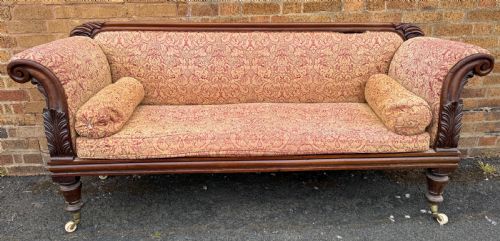
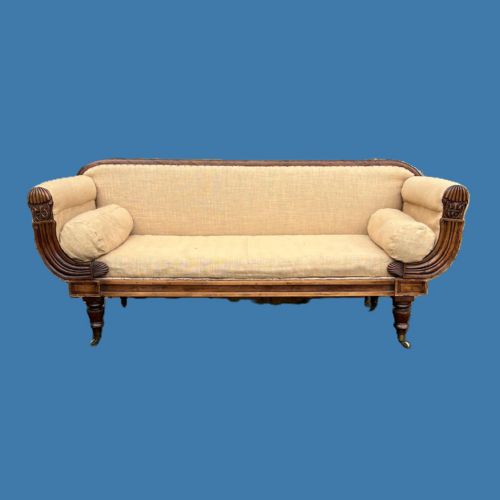
A regency period settee brings architectural presence and fluid scroll ends to a drawing room, offering monumental seating shaped by early nineteenth-century design.
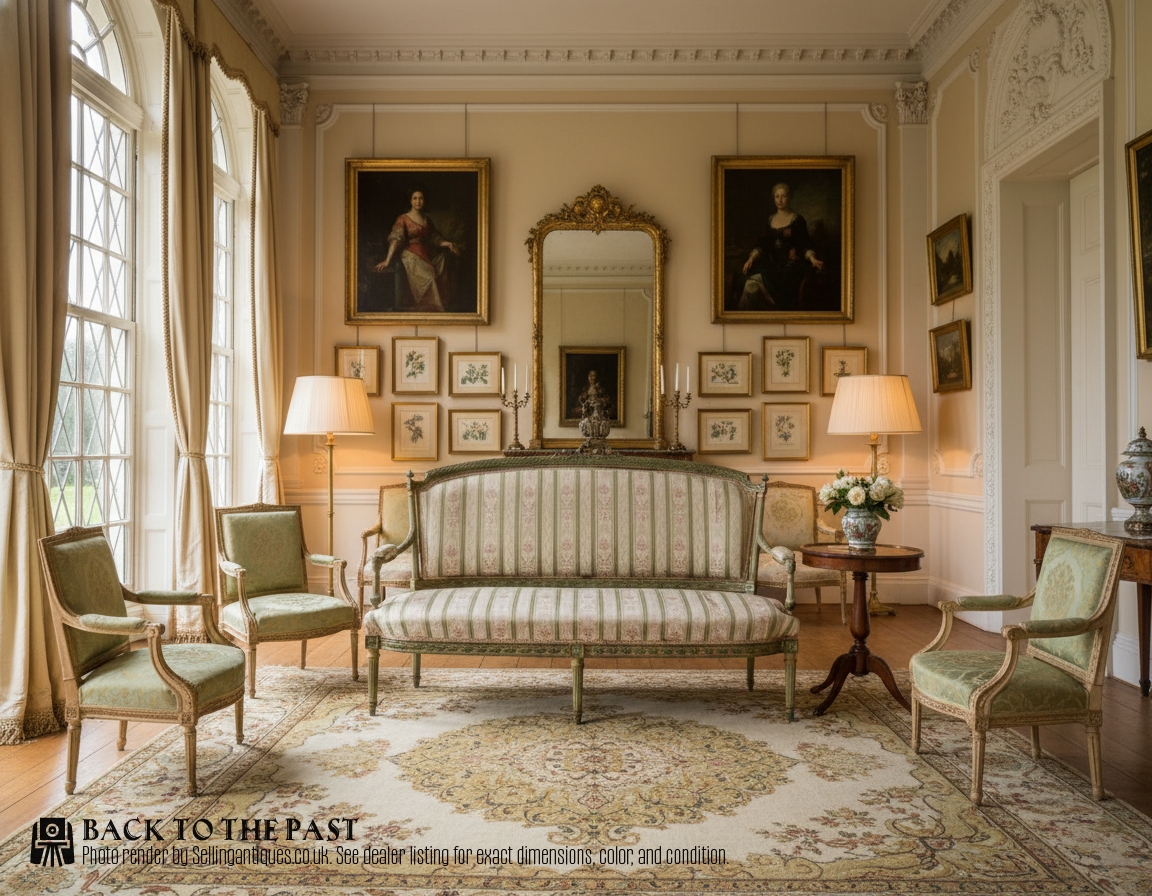
Regency Period Settee
A regency period settee represents the seating of the early nineteenth century, encompassing forms described across listings as sofas, settee-sofas, and chaise longues. Buyers hunting for a regency period settee encounter formal drawing room seats alongside campaign pieces and outdoor garden benches.
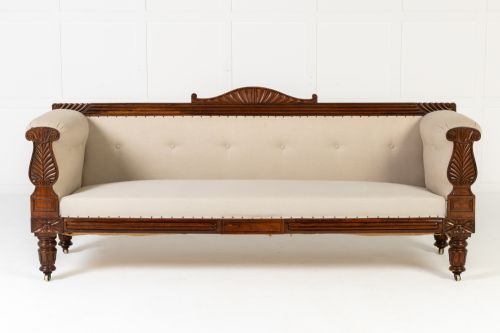
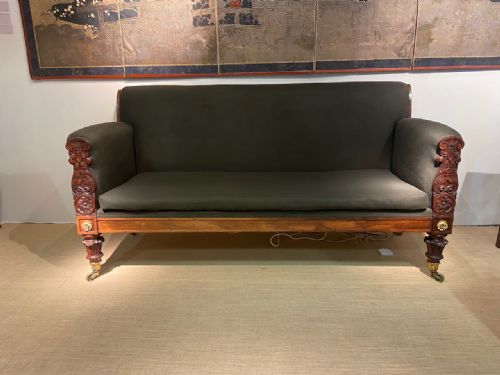
The prevalent form on this page pairs a timber show frame with scroll ends, frequently double-ended or lyre-shaped to accommodate reclining. These seating designs span the Regency, William IV, and George IV eras, alongside French Empire-style variants from around eighteen-twenty.
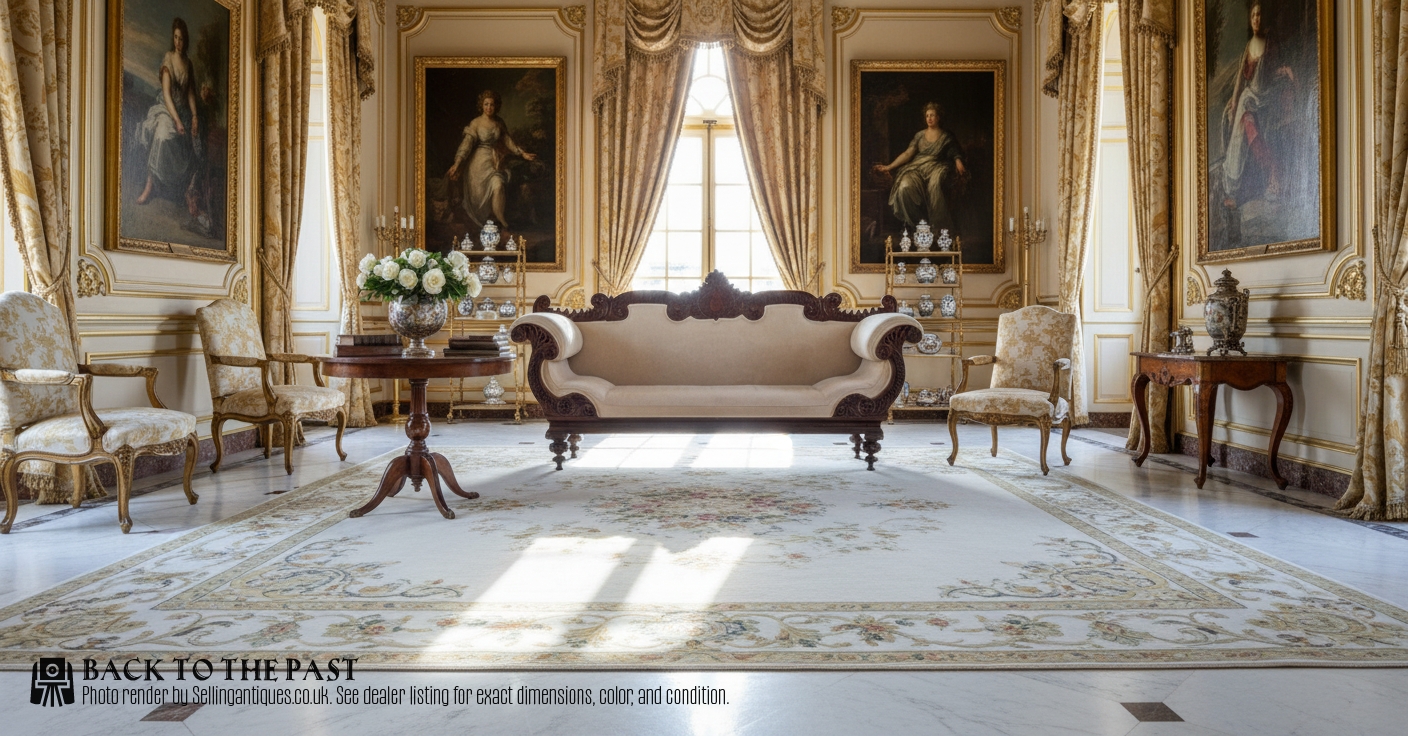
Judging quality and execution
Quality reveals itself in the crispness of timber carving, from intricate scroll ends to figural statue frames and herms. Superior pieces display thoughtful grain selection in mahogany or rosewood veneers.
Proportion and scale dictate distinction, separating large four-seater settees and monumental country house sofas from compact drawing room seats. The integration of brass inlay and the fluidity of double-ended scrolls further elevate an example.
Regency Period Settee Retail Price Guide 2026
Typical asking prices for regency period settee among the pieces listed under this phrase on Sellingantiques today, from the lower quarter to the upper quarter. They describe what is for sale here now, not the wider market.
Listings on this page combine mahogany and rosewood timbers with wrought iron, featuring styles from French Empire to William IV.
The Regency Period Settee Glossary
- Scroll end
- A sweeping, curved terminal to the arm or back of a sofa that mimics classical architectural volutes. This form defines the silhouette of many early nineteenth-century seats.
- Simulated rosewood
- A painted or grained surface treatment designed to imitate the rich figure of genuine rosewood. Makers utilised this technique on timber frames during the period.
- Show frame
- A wooden structural framework left visible around the upholstered portions of a settee. It displays the carved mahogany or rosewood directly to the room.
- Lyre shaped
- A backrest or arm support contoured in the symmetrical outline of an ancient stringed instrument. This neoclassical motif appears frequently in seating from the era.
Regency Period Settee: Frequently Asked Questions
What is a regency period settee?
A regency period settee is an early nineteenth-century seat designed for formal drawing rooms, featuring exposed timber frames and scrolling ends.
These pieces reflect neoclassical and French Empire influences, spanning variants from campaign furniture to large multi-seater couches.
How were these settees used?
They served as principal seating in formal reception rooms and drawing rooms, often positioned away from walls to display carved backs.
Double-ended designs and chaise longue variants allowed occupants to recline in a semi-recumbent posture fashionable during the era.
How do I live with one?
Position your settee where its timber frame and scroll ends can be appreciated from multiple angles within the room.
Protect exposed mahogany or rosewood surfaces from direct sunlight and maintain stable indoor humidity to preserve the historic timber.
How do I tell periods apart?
Regency designs lean towards slender neoclassical lines and delicate brass inlay, while later William IV pieces tend towards heavier proportions and bolder carved details.
Reference dates given in listings, such as circa eighteen-thirty, alongside stylistic markers like French Empire curves to date individual examples.