



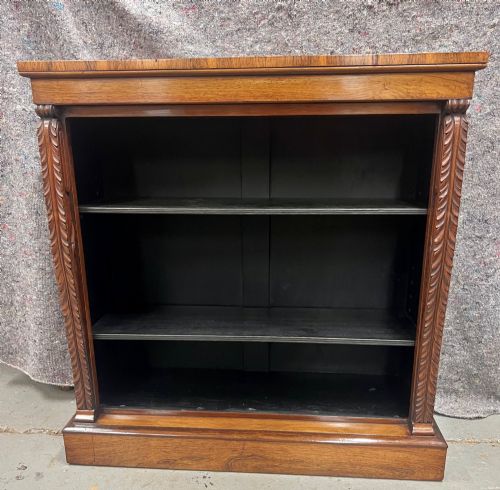

Regency Period Rosewood Cabinet
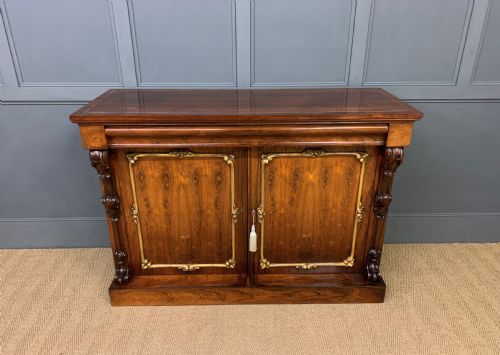
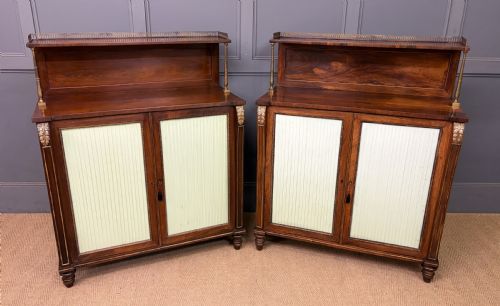
These pieces in a regency period rosewood cabinet collection bring refined timber work and classic proportions to a room.
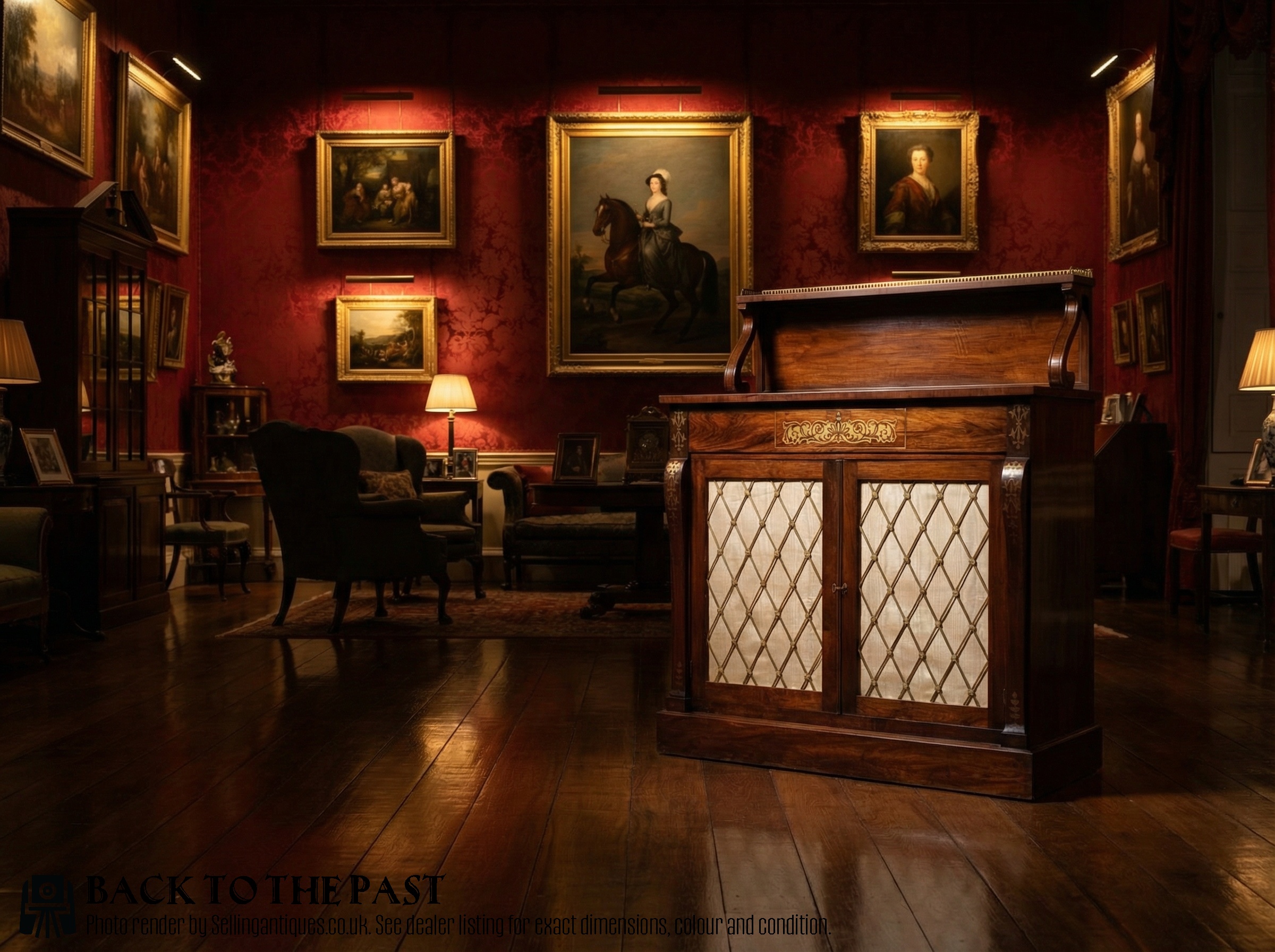
Regency Period Rosewood Cabinet
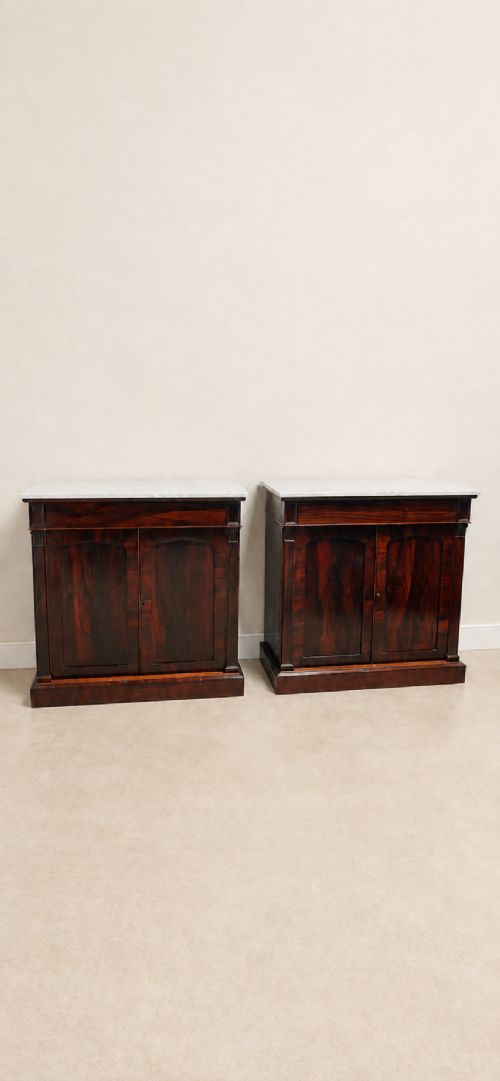
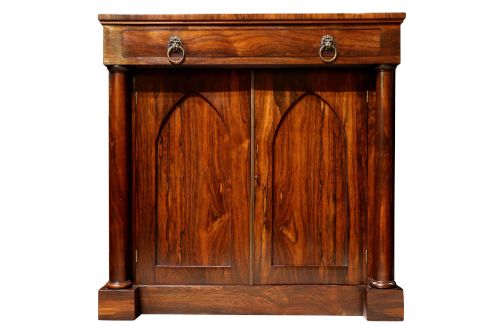
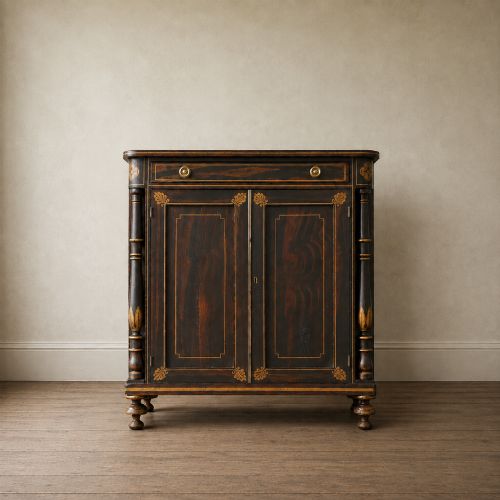
A regency period rosewood cabinet encompasses low side pieces, dwarf bookcases, and compact chiffoniers designed for the elegant interiors of the early nineteenth century. Most examples date from the Regency and George IV periods, spanning from around 1800 to the 1830s.
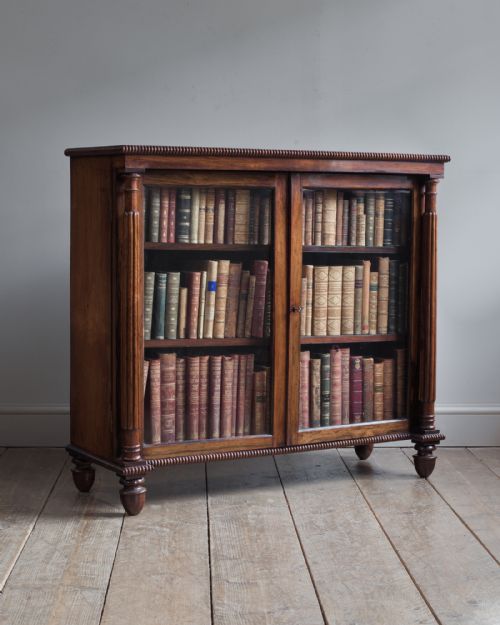
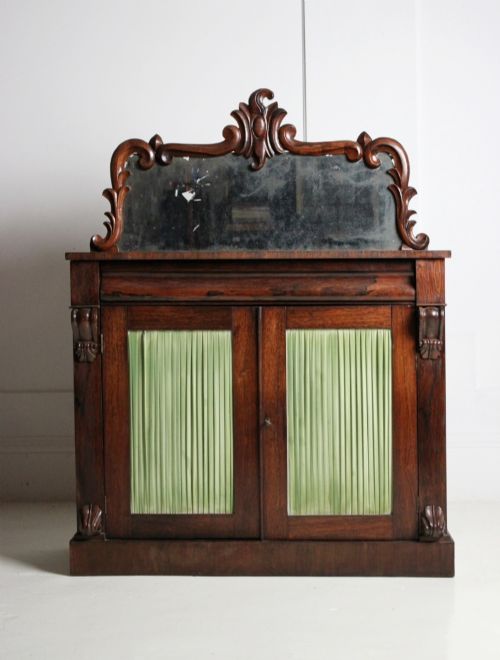
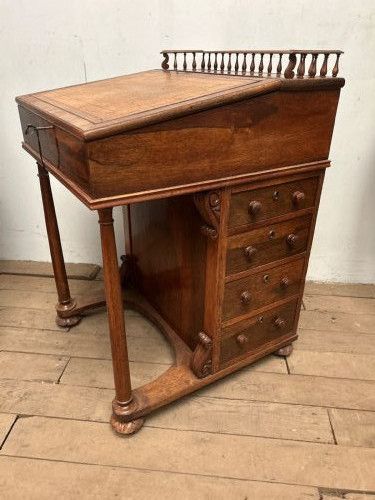
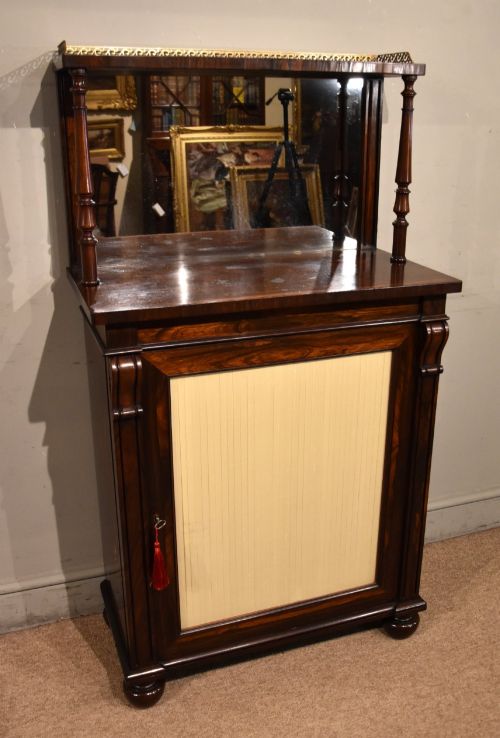
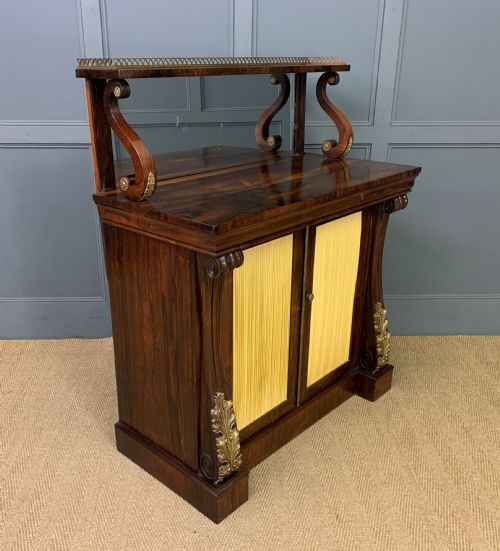
The form you will most frequently meet on this page is the chiffonier or side cabinet, often fitted with enclosed doors below and shelves above. Open bookcases and davenport desks also appear among the selection.
These items served to display porcelain and store books or papers in formal drawing rooms and libraries. Their restrained classical lines reflect the architectural tastes of the period.
How They Were Made
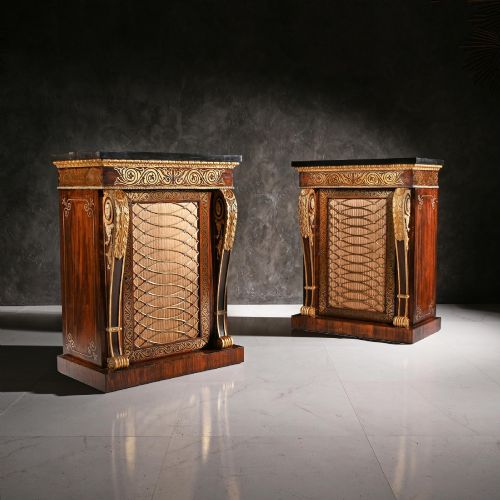
Cabinet makers utilised dense rosewood veneers applied to solid secondary timbers, often framing the grain to create rhythmic surface patterns. Brass inlay, ormolu mounts, and gilt bronze details punctuate the dark timber surfaces with bright metallic contrast.
Interiors frequently incorporate secondary woods like mahogany alongside leather writing surfaces, marble tops, and pleated silk or fabric panels behind glazed or gridded doors.
Regency Period Rosewood Cabinet Retail Price Guide 2026
Typical asking prices for regency period rosewood cabinet among the pieces listed under this phrase on Sellingantiques today, from the lower quarter to the upper quarter. They describe what is for sale here now, not the wider market.
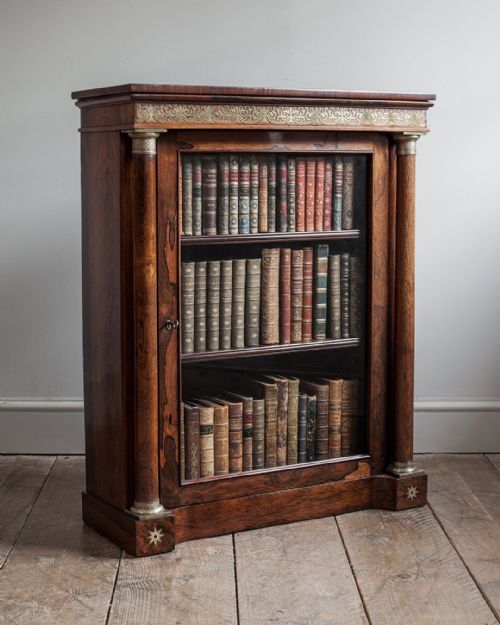
Several bookcases here come equipped with clever leather dummy books designed to hide empty shelf gaps from polite company.
What Varies in Quality
The distinction between standard pieces and exceptional works lies in the precision of the brass marquetry and the selection of the rosewood veneer. Finer examples display meticulous hand-cut brass scrollwork embedded flush with the timber.
Secondary detailing such as original gilded mounts, fine cast brass grille work, and secondary timber choice inside drawers mark out the more ambitious workshops.
Louis Constantin Le Gaigneur·Gillows·Pitcher
The Regency Period Rosewood Cabinet Glossary
- Chiffonier
- A low cabinet featuring shelving on top and enclosed cupboard doors below, used for storage and display in the nineteenth century.
- Davenport
- A compact desk featuring a sloping writing surface above a pedestal of drawers, developed during the Regency era.
- Ormolu
- Gilded bronze used for decorative mounts and furniture fittings during the period.
- Palisander
- A term historically applied to rosewood and certain dense tropical timbers with strong dark grain figures.
- X-grille
- A lattice framework formed in wood or metal across cabinet doors, often backed with fabric.
Regency Period Rosewood Cabinet: Frequently Asked Questions
What is a regency period rosewood cabinet used for?
These cabinets served primarily in drawing rooms and libraries to store books, papers, and collection items while displaying decorative objects on their upper surfaces.
Today they function effectively as sideboards, media consoles, or statement storage pieces in traditional and modern interiors alike.
How do I care for rosewood furniture?
Rosewood benefits from stable indoor humidity levels and protection from direct sunlight to prevent the timber and polished finish from fading.
Regular dusting with a dry cloth is sufficient, avoiding silicone-based polishes that can build up on antique surfaces over time.
How can I tell a genuine piece from later work?
Genuine pieces exhibit period construction methods inside the drawers and cabinet backs, alongside timber shrinkage appropriate to the early nineteenth century.
Hand-cut brass inlays and aged patination on the rosewood surface further confirm the age and origins of the cabinet.
What is the difference between a chiffonier and a side cabinet?
A chiffonier specifically includes a raised superstructure with shelves mounted above the lower cupboard section, designed for displaying porcelain.
A side cabinet typically provides a flat top surface without upper shelving, focusing purely on enclosed storage and low display.