
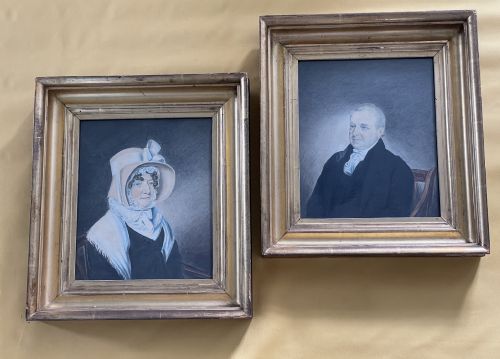


Regency Period Portrait Miniature
Regency period portrait miniature works bring intimate likenesses of the early nineteenth century into your hands with remarkable immediacy.
Regency Period Portrait Miniature
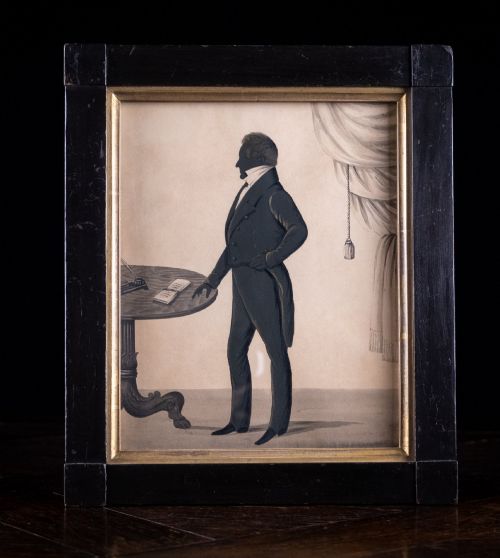
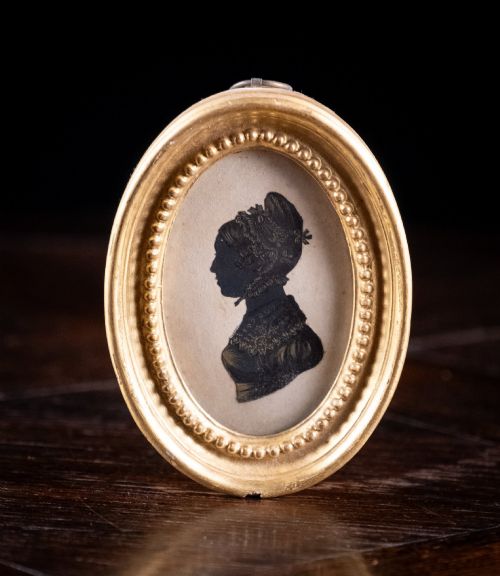
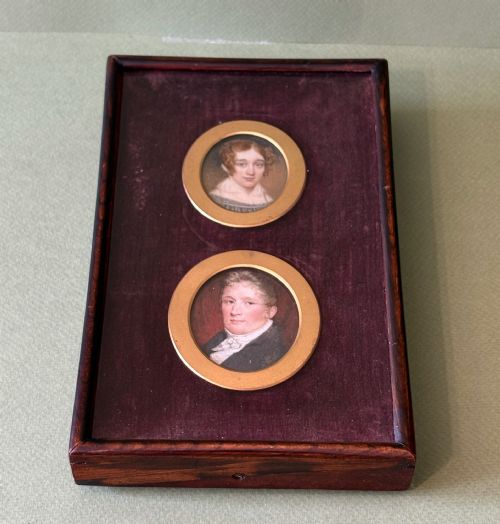
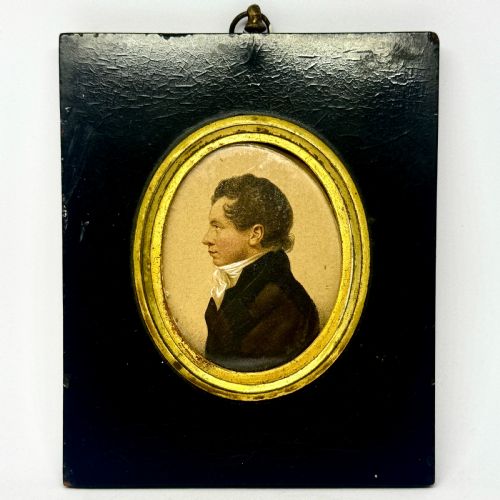
A regency period portrait miniature offers a personal glimpse into the faces of the early nineteenth century through carefully scaled works. These pieces capture subjects ranging from standing gentlemen and ladies in turban caps to young girls in white dresses.
You will encounter distinct forms when exploring this selection, primarily comprising delicate watercolour paintings and painted silhouettes. Many arrive housed in their original ebonised or polished wood frames, preserving their historical context.
The objects frequently date from the Regency and Georgian eras, spanning the opening decades of the nineteenth century. Makers applied their skills to paper, glass, and brass mounts to create portable likenesses intended for private remembrance.
Materials and Techniques
Makers integrated brass, gold leaf, and gilt metal to edge and secure the delicate compositions within protective housings. Wood frames finished in ebonised dark tones completed the presentation, keeping the fragile painted surfaces safe from handling.
One recorded child sitter from 1820 manages to look profoundly unimpressed by the entire artistic process, staring down posterity with magnificent toddler disdain.
Assessing Quality and Execution
The distinction between standard examples and superior works rests upon the precision of the brushwork and the expressive character of the subject. Finer portraits capture individual personality and lifelike depth within a remarkably restricted canvas.
The preservation of the original framing elements and mounting materials contributes significantly to the integrity of the piece. Intact glass, original ebonised wood surrounds, and clear signatures or attributions elevate the standing of a miniature within its period.
Thomas London·Thomas Woolnoth·Emma Kendrick
The Regency Period Portrait Miniature Glossary
- Silhouette
- A portrait profile filled in with a solid dark colour, often enhanced with gold leaf highlights or painted details on glass. This method produced striking likenesses without relying on full facial modelling.
- Ebonised frame
- A wooden housing treated to imitate the dark, dense appearance of ebony wood. These frames were common choices for protecting and displaying small nineteenth century works.
- Gouache
- An opaque watercolour paint that provided stronger, more solid colour application in miniature painting. Artists utilised it to render clothing textures and background depths.
- Miniature portrait
- A small scale painting executed with fine brushes, designed for intimate viewing or portable display. These works required immense control and precision from the artist.
Regency Period Portrait Miniature: Frequently Asked Questions
How were portrait miniatures displayed?
Owners typically hung these small works in intimate spaces around the home or kept them enclosed in protective cases for personal contemplation. Their modest scale allowed them to be grouped closely together on walls.
Many retained their original hanging loops or stands, designed specifically to showcase the delicate frames without risking damage to the painted surface within.
What subjects appear in these works?
The pieces depict a cross section of society from the period, including gentlemen, ladies in turban caps, children, and notable figures such as George IV. Family groupings also survive.
Artists recorded specific attire like white dresses with wide blue sashes, offering clear indicators of the fashion trends current during the Regency and Georgian eras.
How do I care for a miniature?
Keep these fragile items away from direct sunlight to prevent the watercolour pigments and paper supports from fading over time. Stable room temperatures protect the delicate organic materials.
Avoid opening the original frames, as the glass and seals guard the delicate painted surfaces from dust and atmospheric moisture.
Are silhouettes considered portrait miniatures?
Silhouettes share the same intimate scale and purpose as painted miniatures, serving as affordable and striking likenesses of individuals from the early nineteenth century. They often incorporated fine painted details.
Examples executed on glass with added colour demonstrate the crossover between traditional silhouette cutting and detailed miniature painting techniques.