




Framed Shadow Portrait
A framed shadow portrait captures a likeness in sharp contour, offering an intimate glimpse into Georgian and Victorian lives.
Framed Shadow Portrait
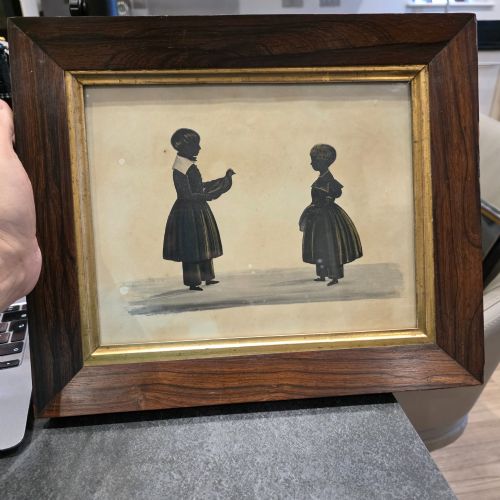
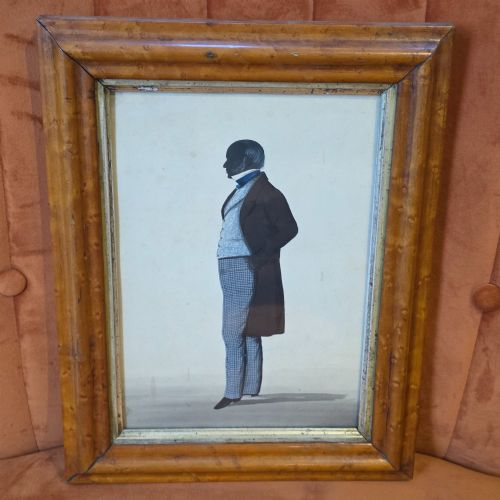
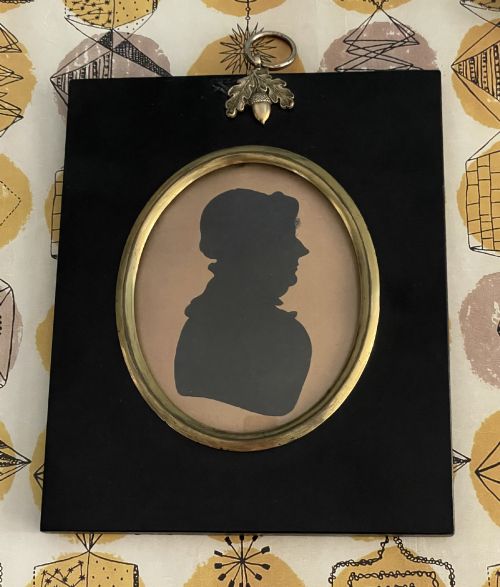
A framed shadow portrait is a profile likeness typically rendered in black paper or paint, capturing the subject's exact facial contours. You will most frequently encounter nineteenth century examples, spanning the Georgian, Regency and Victorian eras, often depicting individuals, children or family groups.
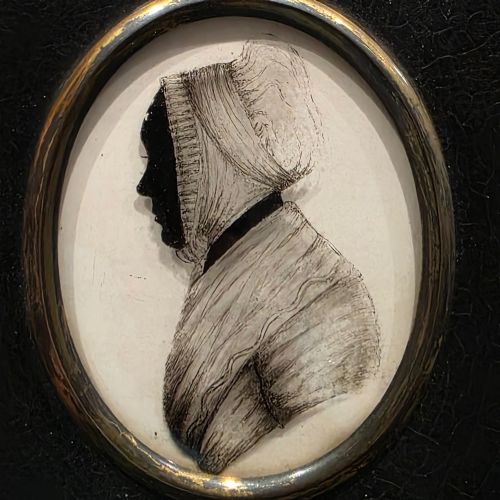
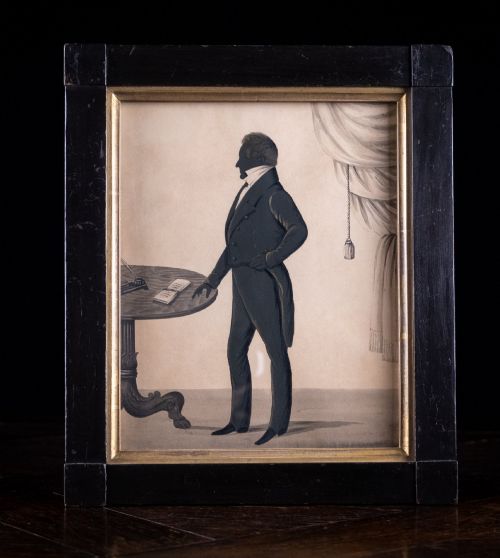
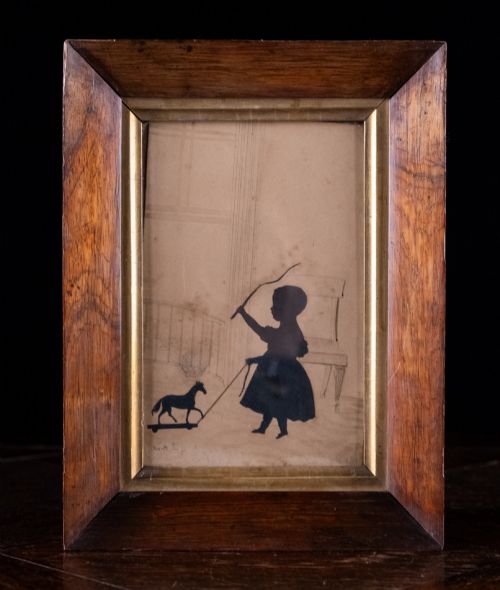
These works range from simple cut paper silhouettes mounted against plain backgrounds to elaborate full length conversation pieces featuring animals and domestic settings. Many incorporate delicate touches of gold leaf, watercolour detail or reverse painting on glass to define clothing and accessories.
Framed shadow portrait options include single gentleman or lady studies alongside pairs and multi figure compositions. They function as historical records of personal appearance, preserved behind protective glass within period frames made from rosewood, maple or ebonised wood.
Materials and construction
Artists created these likenesses using hand cut paper, black ink or pigment applied directly to glass or card. Master practitioners often cut freehand with scissors without prior sketching, securing the delicate paper profiles onto contrasting white or pale grounds.
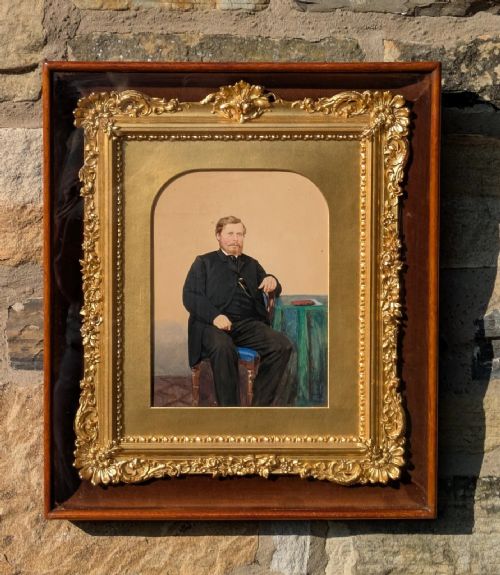
Framing materials reflect the period of production, utilising dark woods such as ebonised timber and rosewood, sometimes accented with brass fittings or deep glazed box mounts lined in velvet. Glazing protected the fragile paper and delicate painted glass from dust and atmospheric moisture.
Listings span the eighteenth, nineteenth and twentieth centuries, featuring Regency, Georgian and Victorian aesthetic influences across wood, glass and paper.
Distinctions in quality
Quality rests upon the precision of the cutting or brushwork, where master profileists captured accurate proportions, distinctive hairstyles and specific costume details. Works bearing signature attribution or originating from documented studios command greater interest for their identifiable provenance.
The sophistication of the framing and mounting elevates the piece, particularly when original convex glass, gilt highlights and period timber surrounds remain intact. Conversation pieces involving multiple figures and animals demand higher technical skill in composition and spatial arrangement.
William James Hubard·Augustin Edouart·John Miers·Frederick Frith·J Deacon
The Framed Shadow Portrait Glossary
- Silhouette
- A profile portrait filled in with a solid dark colour, typically black. This form developed popularity before the widespread use of photography.
- Reverse painting on glass
- A technique where the artist paints the image on the underside of the glass so the finished portrait is viewed through the transparent pane. This method gives a smooth, glossy finish.
- Conversation piece
- An informal group portrait depicting family members or associates engaged in a common activity. These compositions often include pets or domestic interiors.
- Ebonised wood
- Timber treated with a finish to imitate expensive ebony. Makers frequently used this dark framing material to create high contrast with pale background paper.
Framed Shadow Portrait: Frequently Asked Questions
How do I identify a painted glass portrait?
Look closely at the surface reflection to see if the image sits beneath the glass rather than on top of it. This reverse technique produces a distinct glossy sheen.
Examine the edges of the dark pigment for fine brushwork details that distinguish painted versions from paper cutouts.
What framing styles are typical for silhouettes?
Common frames include narrow ebonised profiles, warm rosewood surrounds and deep box mounts lined with velvet. These housings were designed to protect the fragile paper within.
Many incorporate convex glass and small brass hangers original to the nineteenth century period of creation.
Are these portraits usually signed?
Signatures appear on some pieces, often written in ink on the reverse or incorporated subtly into the lower edge of the portrait. Trade labels from specific galleries also assist identification.
many fine examples remain unsigned because the makers relied on distinctive cutting styles or studio stamps rather than personal signatures.
How should I care for antique silhouettes?
Keep the framed pieces away from direct sunlight to prevent the paper backgrounds and ink pigments from fading over time. Stable indoor humidity protects the wooden frames and prevents warping.
Avoid opening the sealed frames, as older glass and paper degrade quickly when exposed to modern atmospheric moisture and dust.