


Antique Shade Portrait
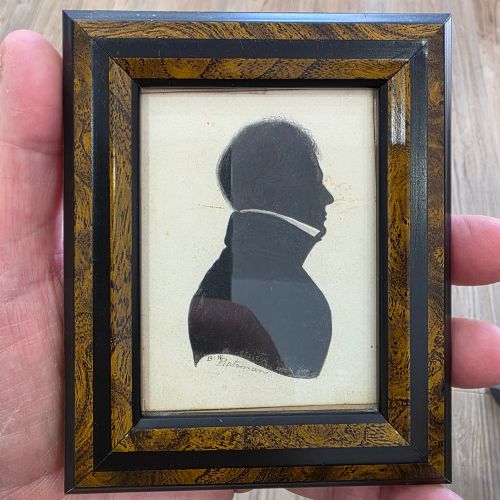
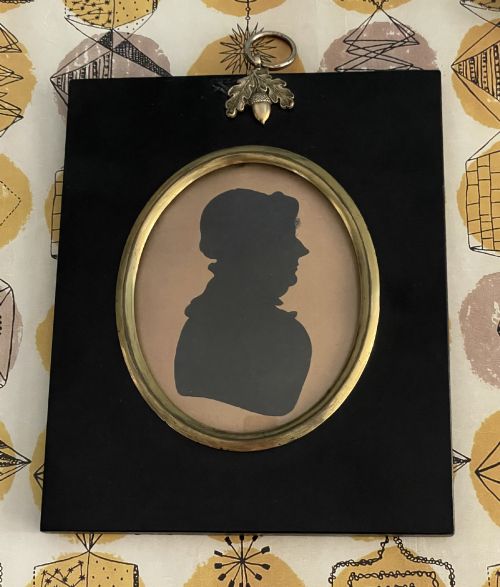
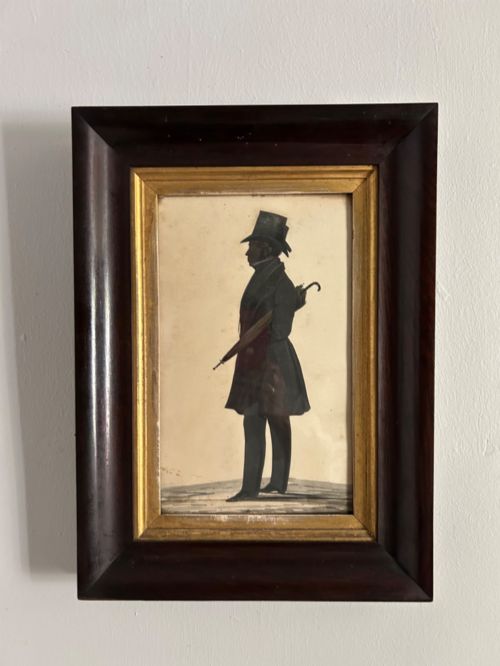
An antique shade portrait captures a distinct profile in ink and paper, offering a direct glimpse into Georgian and Victorian faces.
Antique Shade Portrait
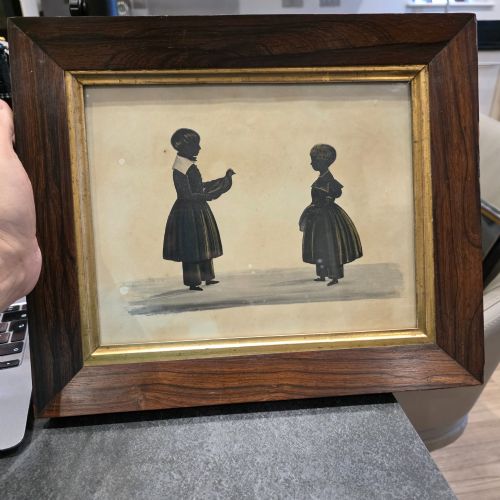
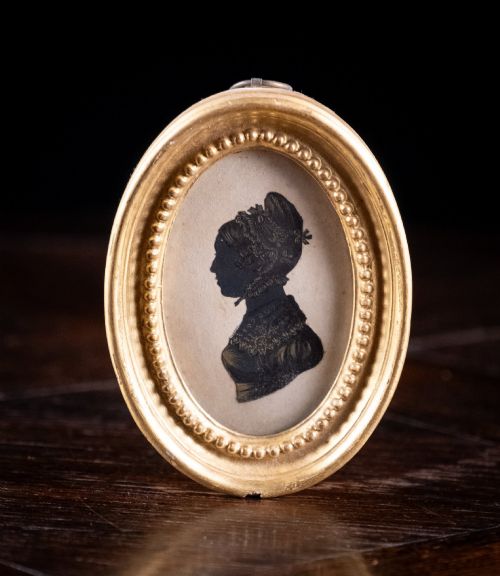
When you search for an antique shade portrait, you are looking at early shadow likenesses preserved in frames. The examples on this page span the eighteenth and nineteenth centuries, including Regency and Victorian periods.
You will most frequently meet silhouette portraits cut from paper or painted on glass and paper. Subjects range from gentlemen and ladies to children and animals.
Wall art and framed artwork make up the primary forms here. Many pieces retain their original wood, gilt, or ebonised frames.
How they were made
Makers utilised paper and ink alongside glass to create these likenesses. Artists cut silhouettes freehand with scissors or painted fine details directly onto the surface.
Frames incorporate wood, brass, and gold leaf. Gilt highlights are often applied to the paper silhouettes to accentuate clothing and hair.
One listed nineteenth-century silhouette portrays a dog rather than a human sitter.
What varies in quality
The preservation of the original framing materials influences the character of the piece. Intact glass, clean paper, and well-maintained ebonised wood or gold leaf enhance the overall object.
Bateman·James Gillespie·Hubard Gallery·Augustin Edouart·George Atkinson·John Smith of Edinburgh·Miers
The Antique Shade Portrait Glossary
- Silhouette
- A solid black profile portrait, typically cut from paper or painted. This form became popular in the eighteenth century before photography.
- Ebonised wood
- Timber treated to resemble ebony. This dark finish is common in frames for nineteenth-century silhouettes.
- Gilt
- A thin layer of gold applied to surfaces. Artists used this to add ornamental detail to portraits and frames.
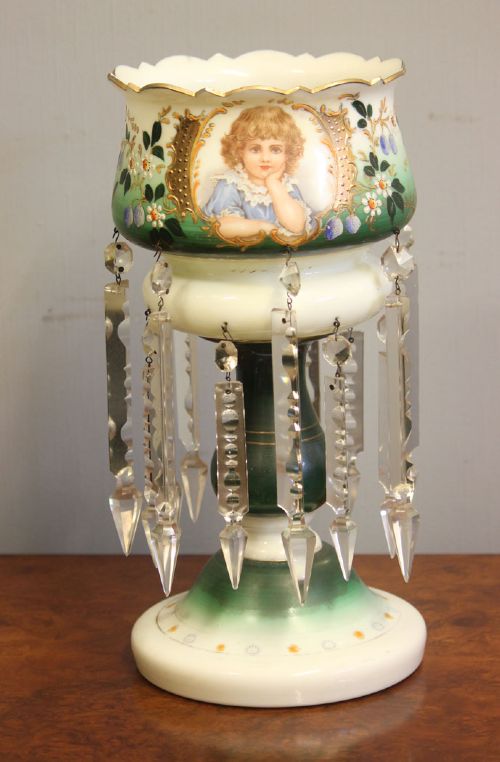
- Mantel lustre
- A decorative glass ornament holding pendants. These sometimes appear alongside mantel displays of framed artwork.
Antique Shade Portrait: Frequently Asked Questions
How do I date a silhouette?
Dating relies on the style of clothing, hair, and the framing materials used. Eighteenth-century pieces often feature specific bust-line cuts and distinct painted accents.
Nineteenth-century examples, such as those from the Regency or Victorian eras, show changes in fashion and framing techniques. Signatures and labels on the reverse also help identify the period.
Were these portraits painted or cut?
Makers used both methods to create shade portraits. Some artists cut the likeness from paper using scissors, while others painted the profile using ink and pigments.
Painted examples often include fine hair lines and gilded details applied to the surface. Cut paper pieces rely purely on the precision of the silhouette outline.
How should I display them?
These framed works suit small wall spaces where their detailed profiles can be viewed closely. Grouping several pieces together creates a traditional gallery effect.
Keep them away from direct sunlight to protect the paper and ink from fading. Ensure the room humidity remains stable to preserve the original wood and gilt frames.