
Victorian Gentleman Art
These portrait works capture the presence of individuals from past eras, bringing character and history directly into modern spaces through traditional painted and drawn forms.
Victorian Gentleman Art
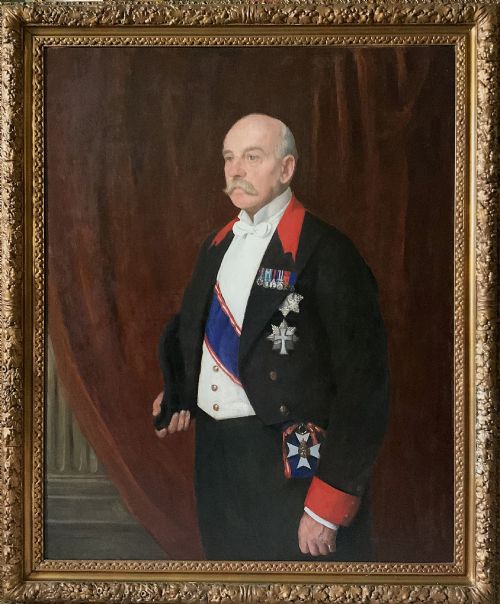
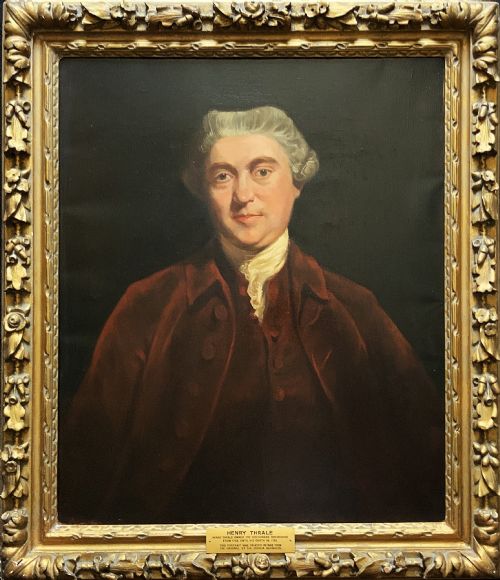
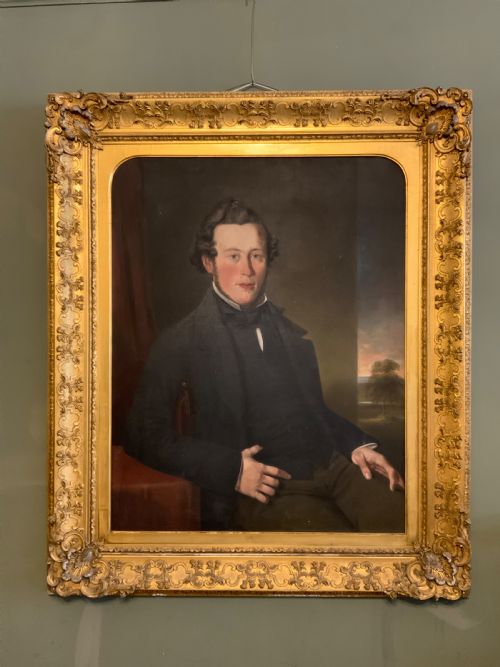
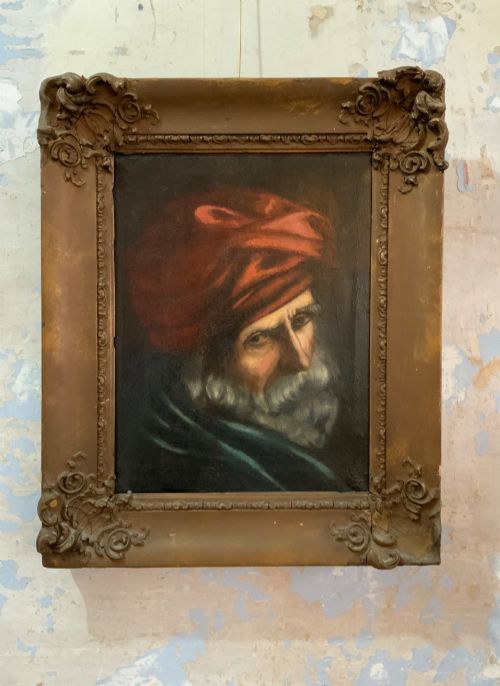
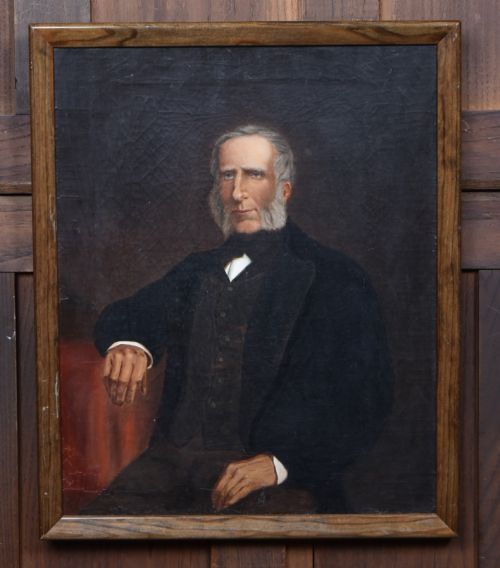
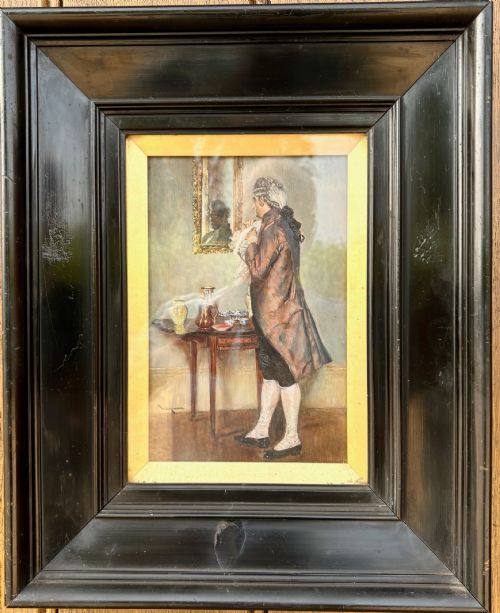
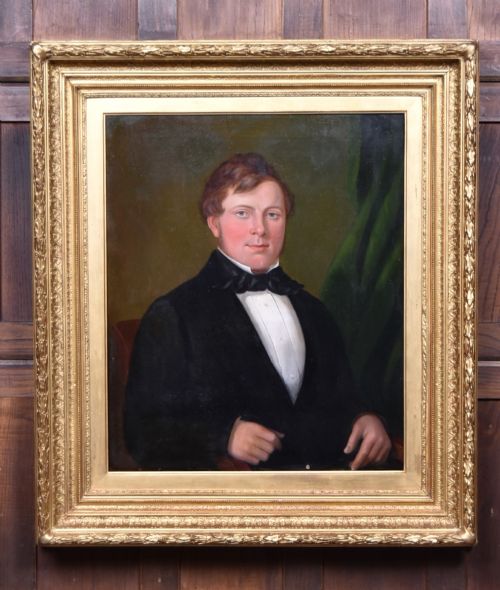
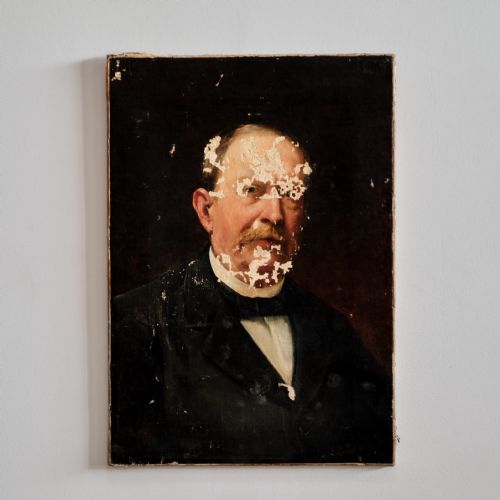
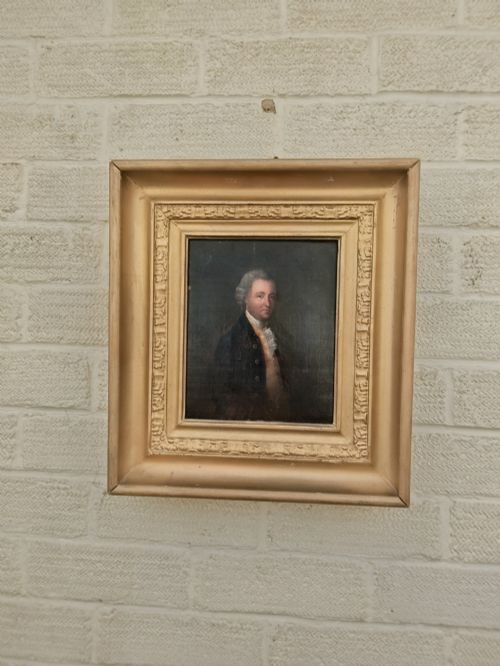
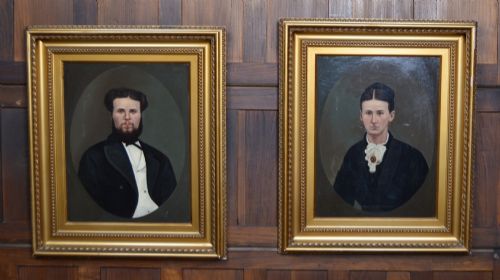
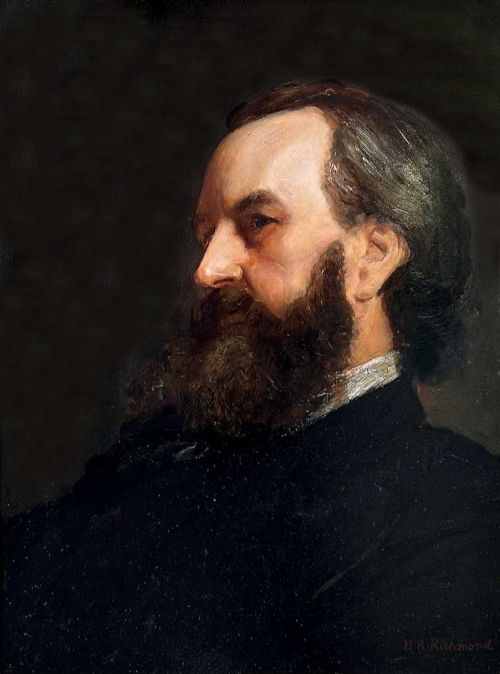
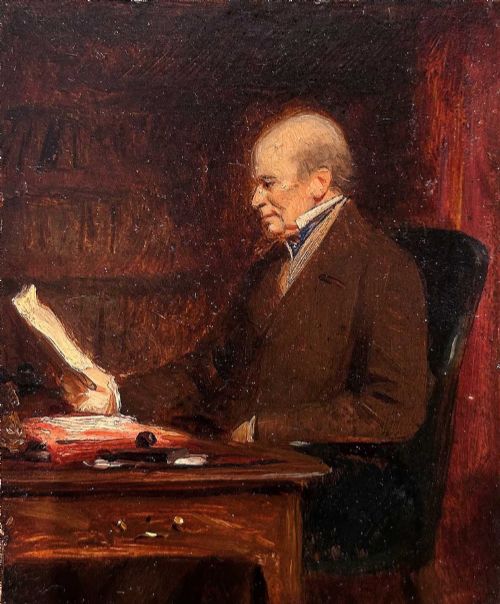
When you search for Victorian gentleman art, you encounter historical portraiture spanning the nineteenth century alongside related works in oil, watercolour, and silhouette. The majority of pieces appearing here take the form of framed oil paintings on canvas or board, depicting male subjects in formal attire, military uniform, or character studies.
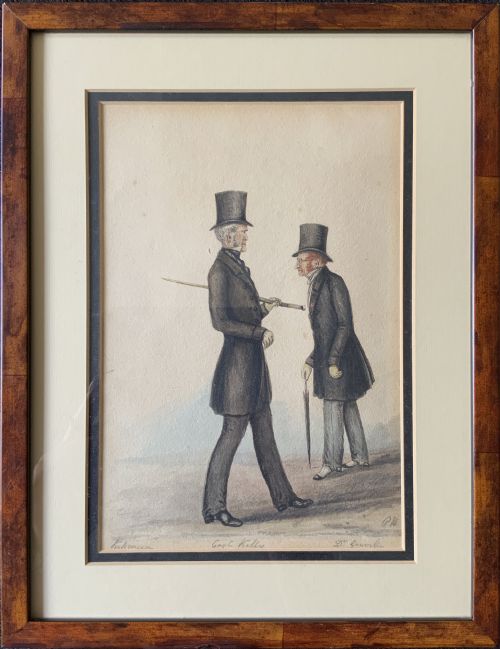
The selection ranges from intimate miniature watercolours on glass to monumental military canvases and graphic works such as Vanity Fair chromolithographs. Alongside Victorian examples, the groupings extend into Regency, Georgian, and early twentieth-century pieces that share the same focus on male portraiture and historical realism.
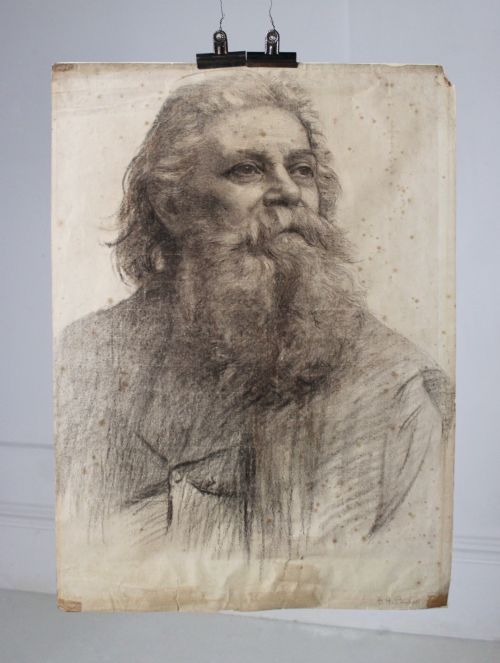
These works function primarily as interior focal points, offering a distinct window into past social ranks, military service, and artistic representation. Whether through a stark charcoal sketch or a rich gilt-framed oil painting, the pieces record individual identities preserved through various historic painting traditions.
Materials and construction
Artists relied primarily on oil paint applied to stretched canvas or wooden panels, building up deep tones and textures with traditional brushwork. Watercolours on paper and delicate silhouettes cut from black paper or painted on glass represent alternative techniques used for portable, intimate likenesses.
Many works retain their original mounting materials, including heavy giltwood and gesso frames, deep glazed velvet boxes, or paper backings that indicate period framing practices. Charcoal and graphite drawings on paper utilise monochrome shading to capture light and shadow across the sitter's face.
Subjects range from military generals and noblemen to cigar-smoking gentlemen and literary figures captured by 19th-century artists.
Assessing quality and execution
The distinction between ordinary and superior works lies in the psychological depth of the portrait and the skill of the brushwork in rendering fabric, skin tones, and expression. Finer examples display precise anatomical control and subtle tonal gradations, whereas lesser pieces rely on rigid formulas and stiff posture.
The condition and originality of the surrounding frame also influence the overall standard, with period gilt gesso or deep glazed velvet mounts adding considerable historical integrity to the artwork.
Henry Stacy Marks·Sir Joshua Reynolds·W D Almond·William Blake Richmond·Stephen Pearce·Hubard Gallery·John Arthur Lomax·John Watkins Chapman·Frederick Goodall·J Bizo·Lance Calkin·Frederick Frith
The Victorian Gentleman Art Glossary
- Silhouette
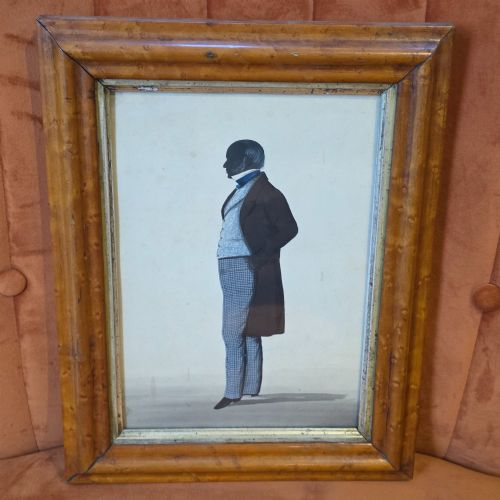
- A solid profile portrait, typically cut from black paper or painted on card or glass. This technique gained immense popularity during the eighteenth and nineteenth centuries for rapid, recognizable likenesses.
- Chromolithograph
- A multicoloured print produced through a lithographic process using multiple stones. These prints often appeared in periodicals such as Vanity Fair to satirize or record notable public figures.
- Giltwood
- Wood carved and coated with gold leaf or a gold-coloured finish. This material was standard for framing significant portraits throughout the nineteenth century.
- Genre painting
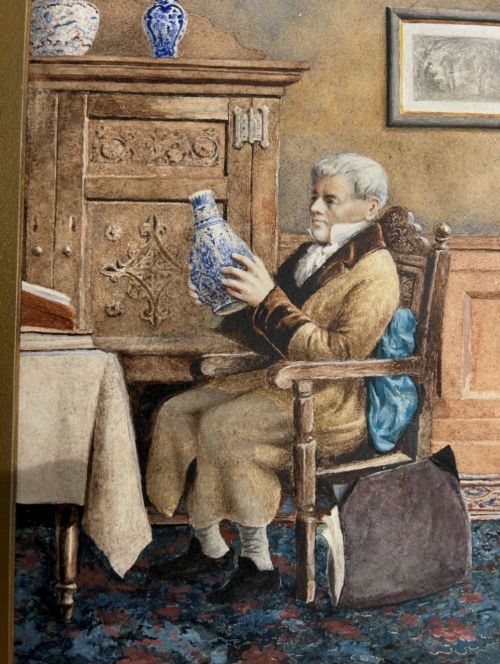
- Artwork depicting scenes from everyday life, often featuring ordinary people engaged in common activities. In this context, it describes character studies rather than formal commissioned portraits.
Victorian Gentleman Art: Frequently Asked Questions
How do I date a portrait?
Dating relies primarily on the style of clothing, facial hair, and the materials used for the canvas or framing. Clues such as collar shapes and jacket cuts often narrow the period down to a specific decade.
Signatures, artist registry records, and inscriptions on the reverse of the canvas or panel provide additional chronological confirmation.
Where should I hang these?
These portraits suit traditional studies, libraries, or living rooms where dark wood furniture and classic interior palettes complement the rich tones of the oil paint. Pairing several framed works together creates a traditional gallery wall effect.
Direct sunlight and damp walls must be avoided to protect the canvas, paper supports, and historical gilt frames from deterioration.
What is a silhouette portrait?
A silhouette is a profile likeness cut from black paper or painted directly onto a surface like glass or card. They offered an affordable and immediate method of recording a person's appearance before photography became widespread.
Master cutters often added subtle highlights in gold paint or ink to define hair and clothing details within the dark profile.
Are these portraits of real people?
Many works depict named historical figures, military officers, nobility, or artists, while others represent anonymous sitters commissioned by families or painted as character studies. Portraits labeled as character types or genre paintings often focus on everyday attributes rather than specific individuals.
Researching inscriptions, artist notebooks, and exhibition records can sometimes uncover the true identity behind an unsigned canvas.