




Regency Period Overmantel
Regency period overmantels are grand architectural looking glasses designed to sit above the fireplace, bringing extraordinary light and formal symmetry into a room.
Regency Period Overmantel
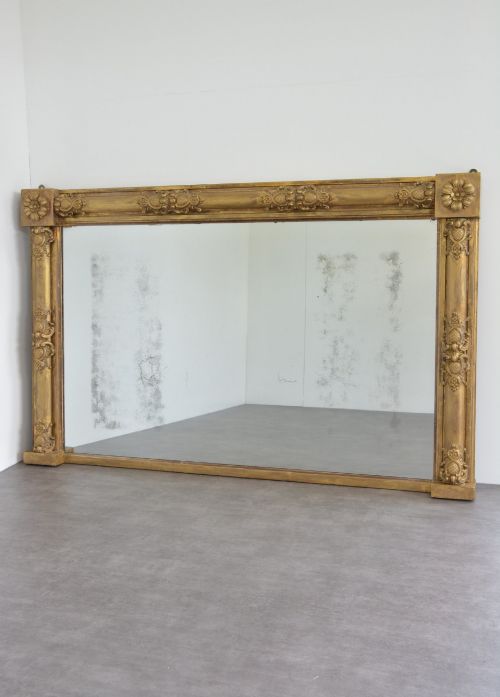
A regency period overmantel sits naturally above the mantelpiece, originating in the early nineteenth century during the Georgian, Regency, and William IV eras. These large horizontal landscape mirrors alter the proportions of a principal room by reflecting both light and space.
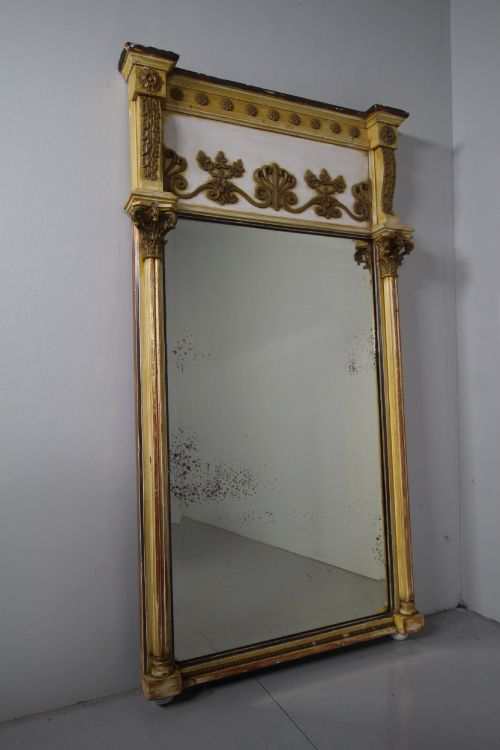
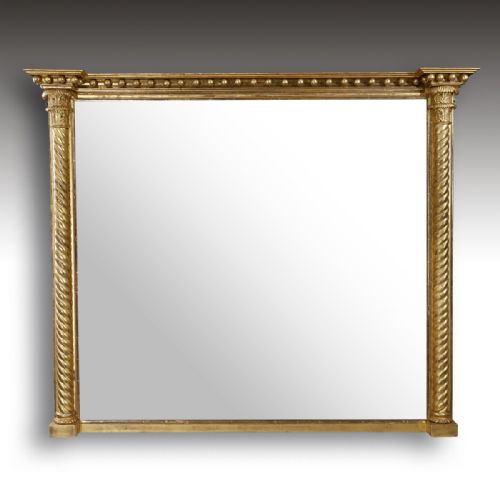
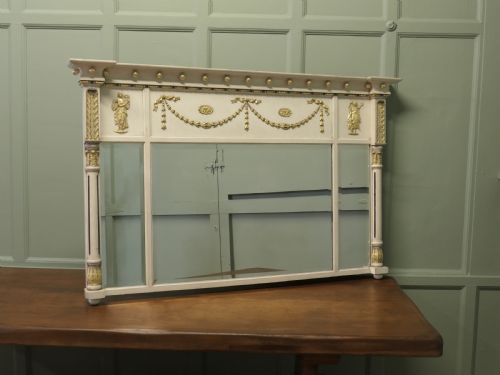
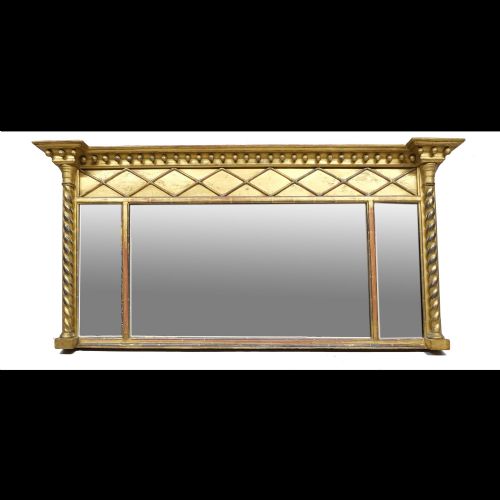
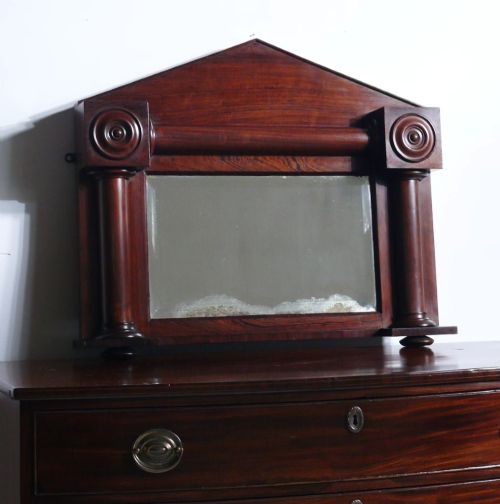
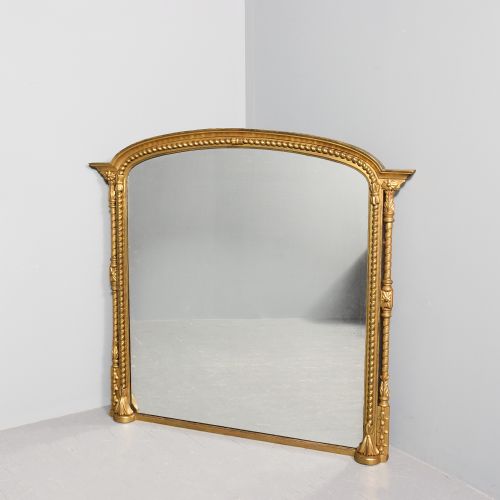
The versions met most frequently on this page combine gilded wooden frames with tripartite glass plates, often decorated with classical friezes or columns. Pier mirrors also appear alongside these landscape formats, sharing the same vocabulary of design.
Originating in fashionable interiors of the early eighteen hundreds, these mirrors reflect the tastes of Grand Regency, French Restauration, and Regency Egyptian Revival styles. They remain functional and decorative centerpieces in traditional and modern settings alike.
Distinctions in quality
The standard of a regency period overmantel rests upon the crispness of the original carved details and the depth of the gilding applied over gesso. Superior examples display sharply defined motifs like laurel wreaths, acanthus columns, or figural friezes rather than soft, worn ornament.
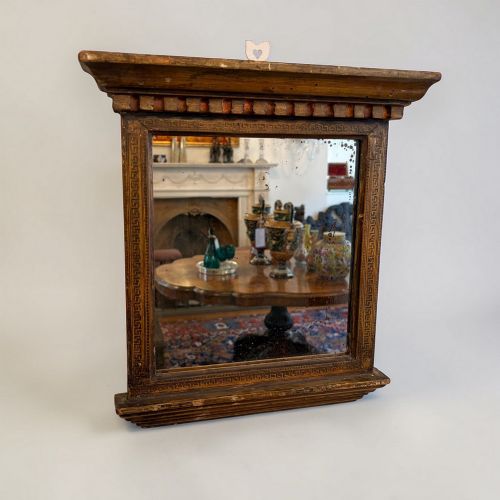
The integrity of the mirror plates dictates the grade of the piece, with original mercury glass and light foxing preserving historical character. Well-proportioned frames that retain their original backing boards and unified glass sections stand firmly at the upper end of the range.
Regency Period Overmantel Retail Price Guide 2026
Typical asking prices for regency period overmantel among the pieces listed under this phrase on Sellingantiques today, from the lower quarter to the upper quarter. They describe what is for sale here now, not the wider market.
Among the gilded ornaments peering from the frames, a watchful greyhound stands guard in ebonised wood.
The Regency Period Overmantel Glossary
- Giltwood
- Wood carved and coated with gold leaf over a prepared base of gesso. This technique provides the brilliant metallic surface seen on formal nineteenth-century frames.
- Overmantel
- A large mirror or decorative panel designed specifically to hang on the wall directly above a fireplace mantel. These pieces anchor the visual weight of the hearth.
- Pier Mirror
- A tall, narrow mirror designed to hang on the wall space between two windows. They share the classical motifs and gilded frames of contemporary overmantels.
- Mercury Glass
- A type of silvered glass produced in the nineteenth century using a mercury amalgam. It creates a distinctive, deep reflection with characteristic dark spots known as foxing.
- Triptych
- A mirror divided horizontally or vertically into three distinct glass plates. This tripartite arrangement is typical of wide landscape overmantels from the period.
- Frieze
- A decorative horizontal band situated along the upper section of the mirror frame. These often feature classical ornaments like lattice patterns, griffins, or wreaths.
Regency Period Overmantel: Frequently Asked Questions
Where should an overmantel be hung?
These mirrors hang securely on the wall directly above the fireplace mantel, anchored to accommodate their substantial weight.
Positioning the glass at this height reflects natural daylight from opposite windows across the interior space.
How do I clean antique mirror glass?
Clean the glass gently using a soft, dry microfiber cloth to remove dust without disturbing the surface. Avoid chemical sprays that might seep behind the frame and damage original backing boards.
Preserve the light foxing and historical patina of mercury glass by treating the surface with care.
What is the difference between an overmantel and a wall mirror?
Overmantels are specifically proportioned in a wide landscape format to sit above a fireplace opening. Wall mirrors are manufactured in various shapes and sizes for general room placement.
Both categories utilise classical nineteenth-century frames, but their intended architectural placement dictates their horizontal or vertical dimensions.
Are these mirrors original to the nineteenth century?
The listings comprise authentic pieces originating from the nineteenth century, including the Regency, George IV, and William IV periods. Materials such as gesso, giltwood, and early mirror glass verify their age.
Construction techniques like hand-carved frames and historic backing boards distinguish period items from later reproductions.