
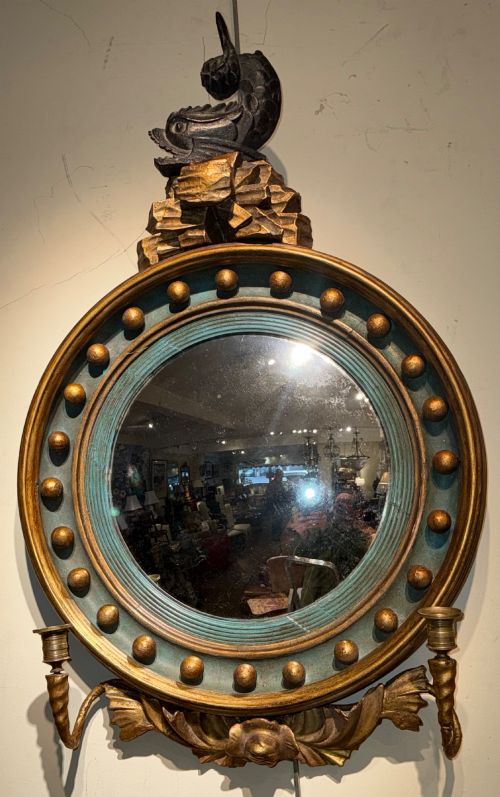


Regency Period Giltwood Mirror
A regency period giltwood mirror brings light and neoclassical symmetry to a room, shifting focus through convex plates and gilded frames.
Regency Period Giltwood Mirror
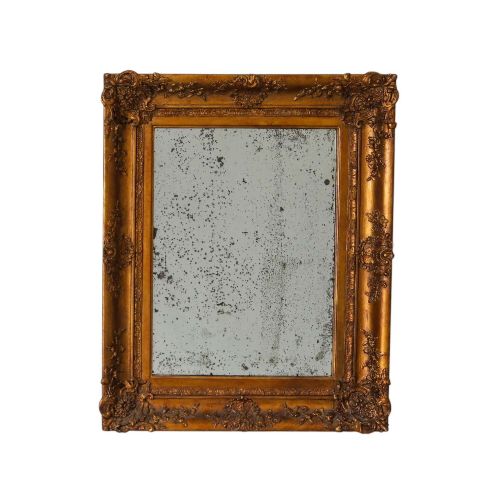
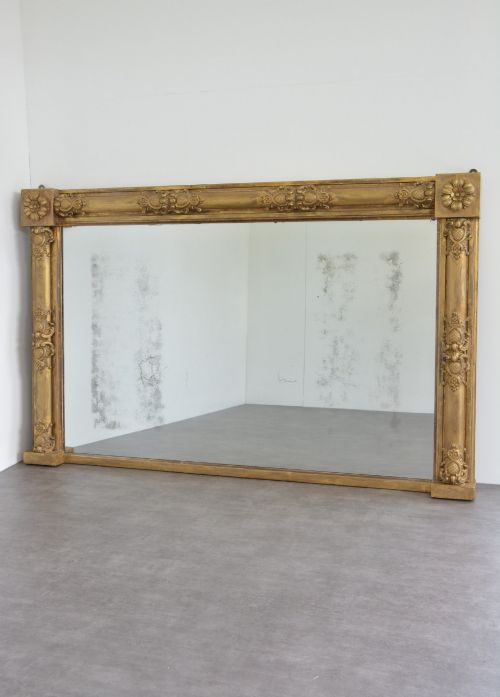
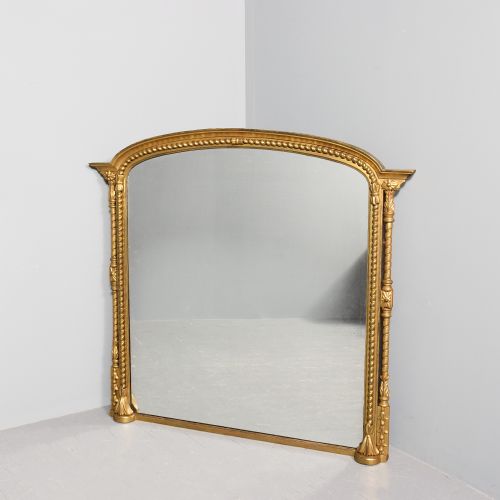
A regency period giltwood mirror sits as either a circular convex wall glass or a wide horizontal overmantel piece, designed to reflect light across grand rooms and intimate parlours alike. The evidence shows these objects spanning wall mirrors, pier mirrors, and triple-plate overmantels from the early nineteenth century.
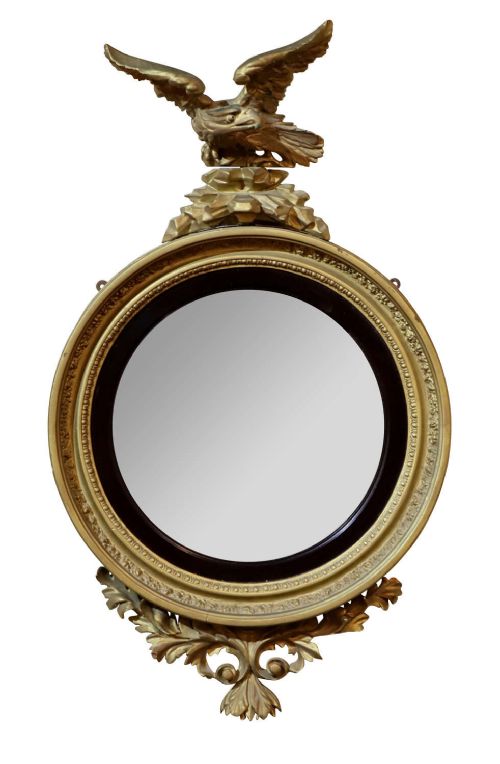
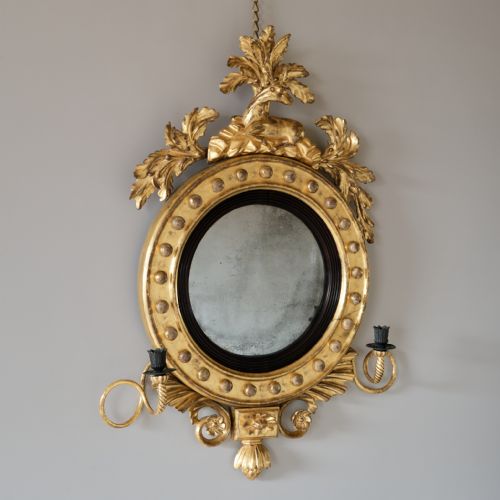
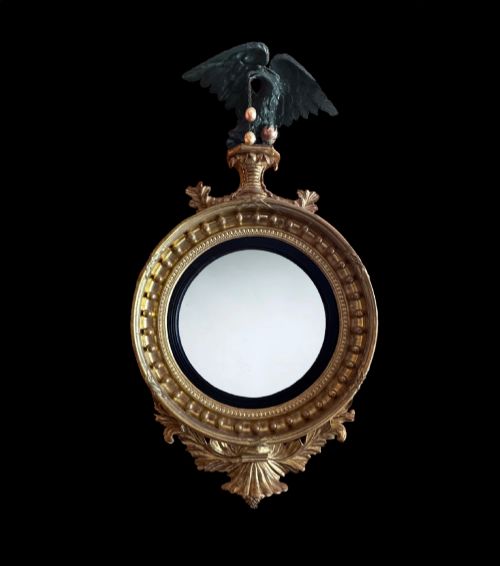
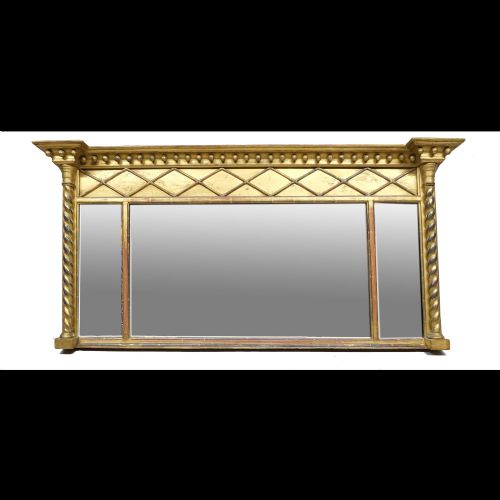
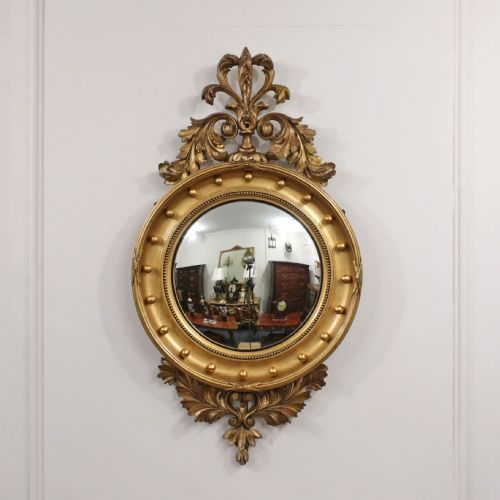
Convex wall mirrors dominate the selections, frequently featuring eagle surmounts, girandole candle arms, or ebonised reeded sight rings. Alongside these round forms, architectural pier mirrors and multi-plate overmantels appear with acanthus decorated columns, lattice friezes, and dome top crests.
How they were made
Makers shaped timber frames and applied moulded gesso or composition details, building up relief ornaments such as eagles, acanthus leaves, and classical motifs before gilding the surface with gold leaf or oil gilt. Frames incorporate ebonised wood sections and brass components to create contrasting tones.
Glass production relied on mercury or silvered mirror plates, often cut to circular convex forms or grouped as multiple rectangular plates within architectural overmantel frames. Foxing and light ageing naturally occur on these historic plates over decades of use.
Many convex mirrors feature perched eagles staring down intently, acting as stern guardians of nineteenth-century drawing rooms.
What varies in quality
The crispness of the carved or moulded ornament separates standard pieces from finer examples, particularly in the definition of eagle crests, acanthus foliage, and reeded mouldings. Original gilding and untouched mirror plates hold greater aesthetic integrity than later resurfaced frames or replaced glass.
Proportion and scale dictate the visual presence of a mirror within an interior, from neat-sized wall convex pieces to large-scale multi-plate overmantels and pier mirrors. The complexity of the frame design, such as incorporated girandole arms or lattice friezes, influences the visual weight.
The Regency Period Giltwood Mirror Glossary
- Convex mirror
- A round mirror with an outward-curving glass plate that bends reflections to capture a wide panoramic view of the room. These pieces were historically designed to monitor social gatherings.
- Giltwood
- Timber coated with a thin layer of gold leaf over a prepared gesso base. This finish provides a warm, reflective metallic surface.
- Overmantel mirror
- A wide horizontal mirror scaled to hang directly above a fireplace mantelpiece. They frequently utilise multiple glass plates divided by vertical frame dividers.
- Pier mirror
- A tall vertical mirror designed specifically for the wall space between two windows. These pieces maximise natural light in nineteenth-century interiors.
- Girandole
- A wall-mounted mirror featuring integrated candle sconces attached to the frame. The branches multiply candle flame illumination through the reflective glass.
- Foxing
- Small dark spots and gradual clouding within the silvered backing of antique mirror glass. This chemical ageing process forms naturally over generations.
Regency Period Giltwood Mirror: Frequently Asked Questions
Where should I hang an overmantel mirror?
These wide horizontal frames hang directly above a fireplace mantelpiece, aligning with the architectural proportions of the hearth.
They sit securely anchored to the wall studs to support the substantial weight of the timber frame and glass plate.
What is a convex mirror used for?
Convex mirrors project a wide-angle reflection of an entire interior space into a single circular frame.
Historically placed in reception rooms and parlours, they allowed occupants to observe activity across the room.
How do I identify a Regency period frame?
Regency frames display neoclassical design elements such as reeded ebonised sight rings, ball-studded bezels, and classical architectural motifs.
They frequently incorporate eagle surmounts or acanthus leaf decorations typical of the early nineteenth century.
Why do some mirror plates look spotted?
The spots, known as foxing, result from the gradual oxidation of the silver or mercury backing behind the glass over long periods.
This natural ageing process confirms the historic origin of the mirror plate.
What distinguishes a pier mirror?
Pier mirrors feature tall, narrow proportions built to fit the solid wall section between two windows.
They reflect incoming daylight back into the centre of the room.