


Regency Period Bedroom Furniture
Regency period bedroom furniture offers clean lines and rich timbers, bringing early nineteenth-century elegance directly to the modern interior.
Regency Period Bedroom Furniture
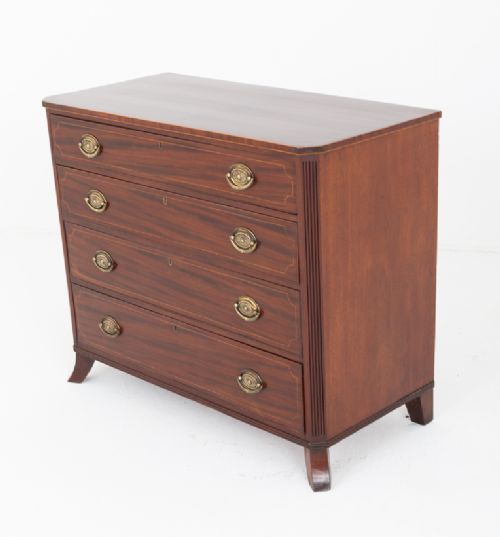
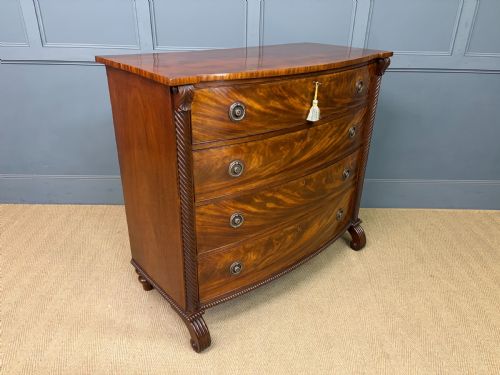
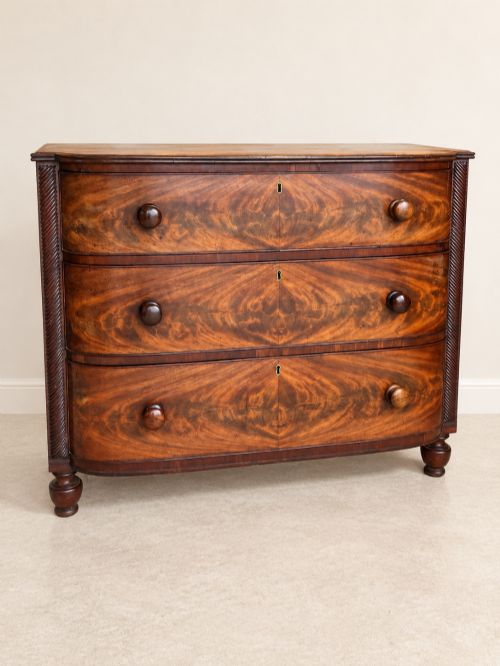
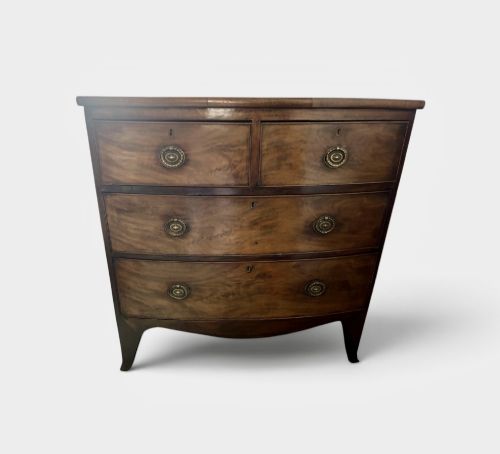
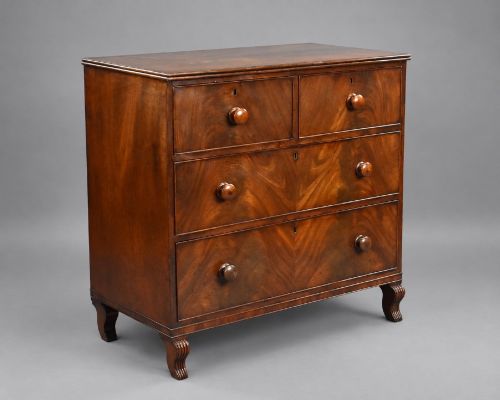
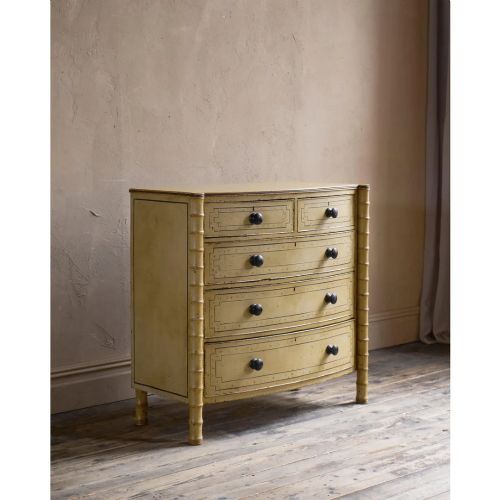
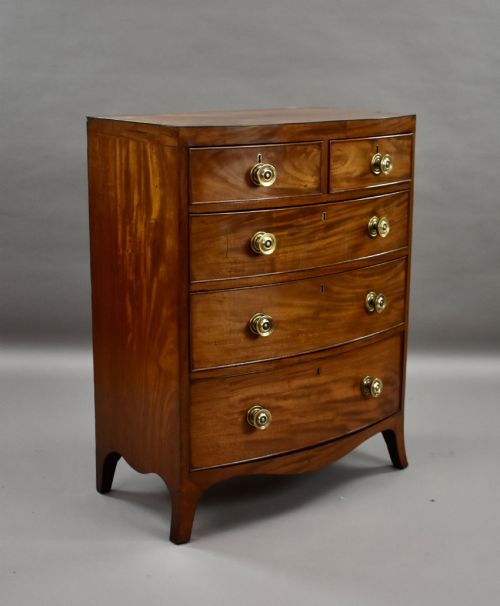
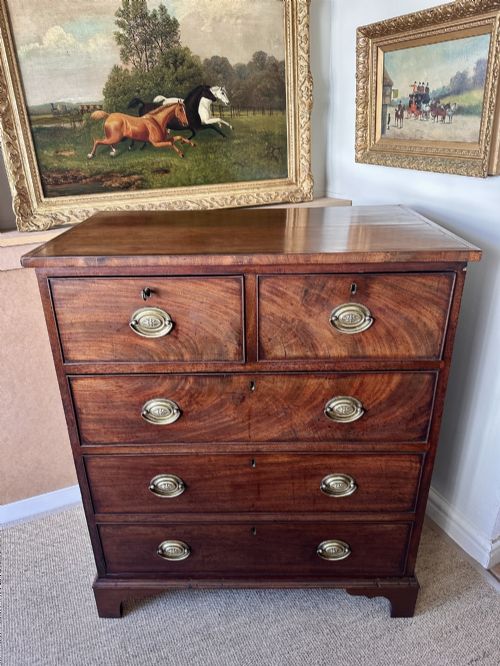
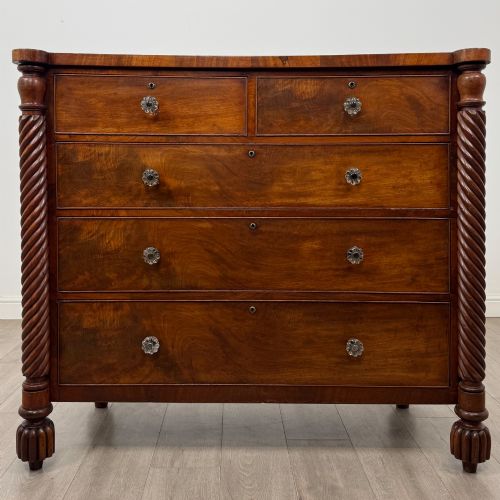
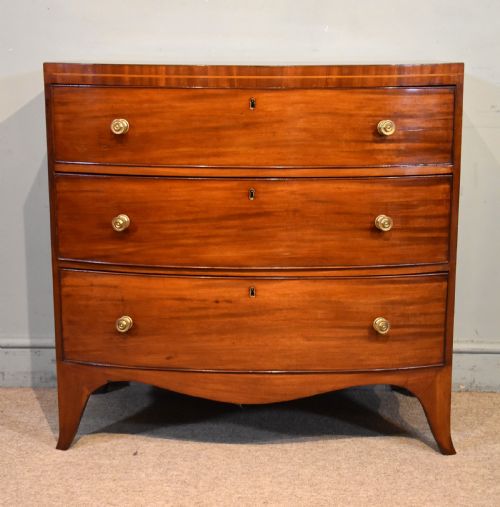
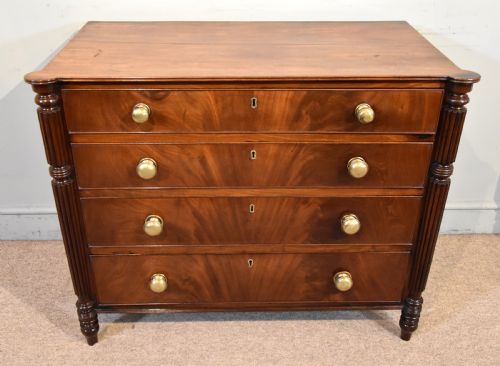
Regency period bedroom furniture spans pieces made during the early nineteenth century, drawing heavily on Georgian proportions alongside later George IV and William IV influences. When exploring regency period bedroom furniture, the most common discoveries are mahogany chests of drawers, often constructed with bow fronts or graduated drawers.
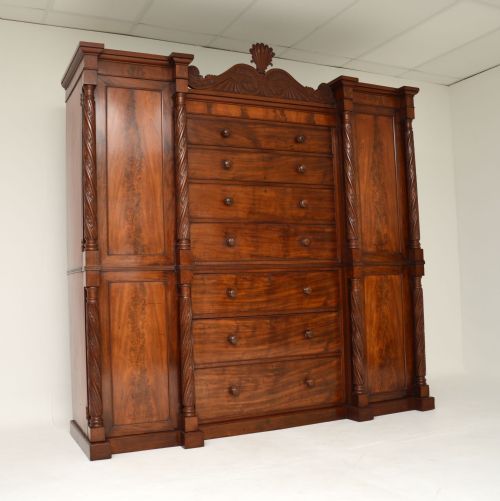
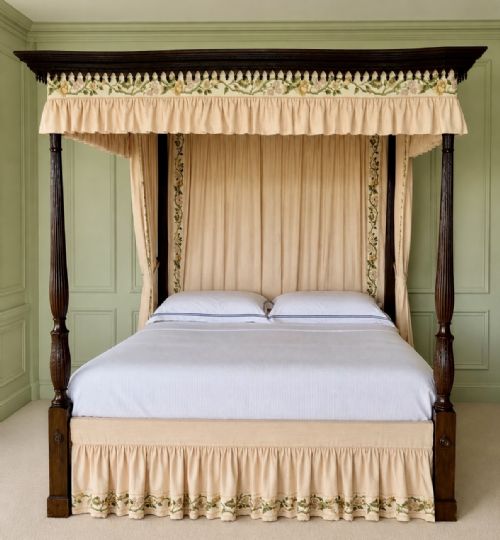
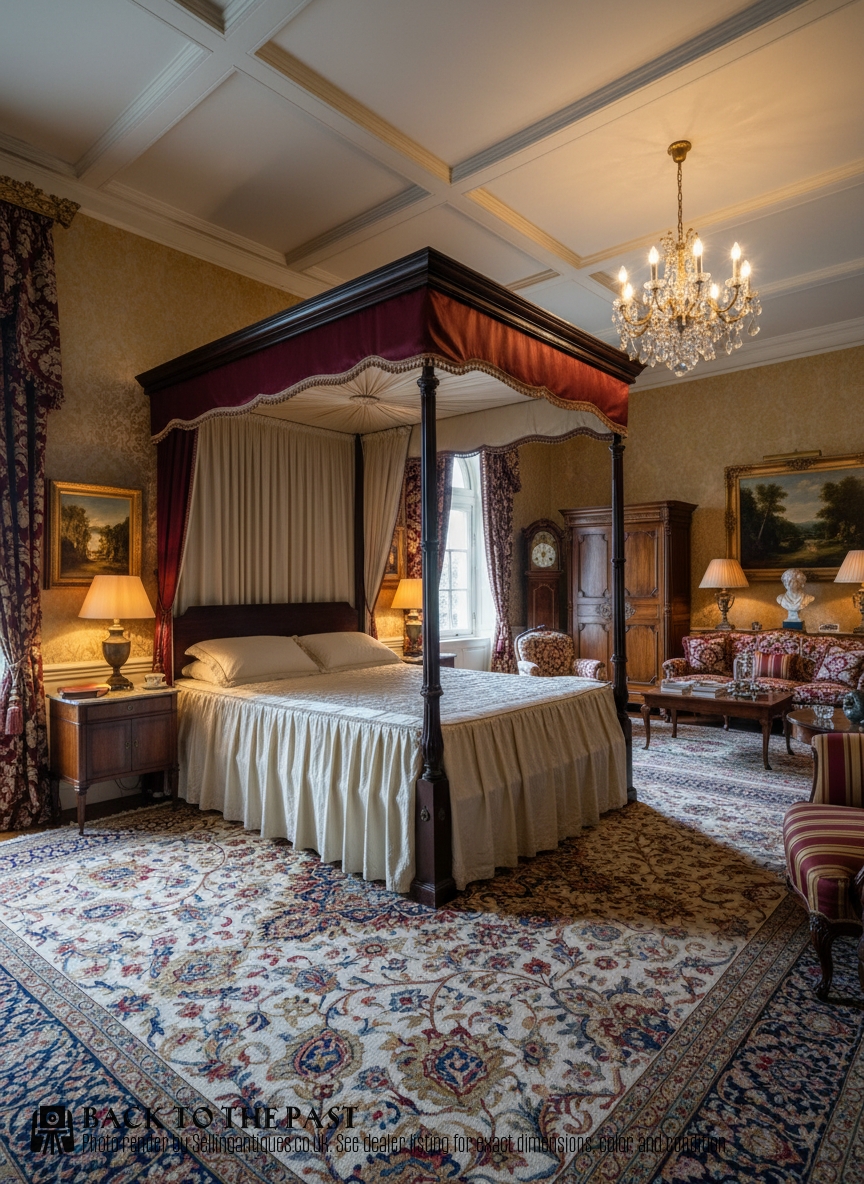
Beyond storage, the selection extends to wardrobes, linen presses, four-poster beds, and occasional seating such as armchairs and side chairs. Oak, pine, and painted softwoods appear alongside the primary hardwoods, while rarer variations include faux bamboo and ebonised finishes.
The aesthetic prioritises restrained classical restraint, linear clarity, and balanced proportions. Pieces originate from the broader Regency and nineteenth-century eras, reflecting the evolving tastes of the British household.
Distinctions in quality
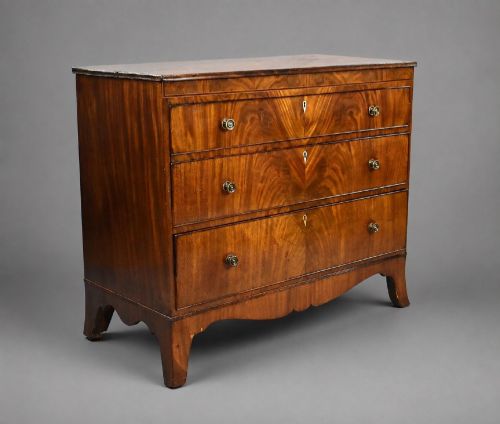
Quality rests upon the selection of timber veneers and the precision of the drawer construction. Higher-grade pieces display carefully matched flame mahogany across multiple drawer fronts, paired with secondary woods of sound substance.
Proportion and restraint separate finer examples from heavier or plainer alternatives. Refined turning on bed posts, crisp edging on bow fronts, and intact brass hardware indicate superior workshop standards.
Listings feature four-poster beds alongside chests of drawers in mahogany, oak, and painted softwood.
The Regency Period Bedroom Furniture Glossary
- Bow front
- A convex, curved front elevation popular on chests of drawers during the Regency era. This curved profile softens the room's geometry while maximising internal storage capacity.
- Flame mahogany
- A veneer cut from the fork of the mahogany tree, displaying a characteristic swirling, flame-like grain pattern. Cabinet makers reserved this striking timber for primary visual surfaces.
- Linen press
- A tall storage piece featuring upper sliding trays for textiles above a chest of drawers base. These items served a vital domestic function in storing household linens before fitted wardrobes.
- Compactum wardrobe
- A multi-compartment wardrobe designed for efficient clothes storage within a single footprint. They combine hanging space with internal drawers and shelving.
- Tester bed
- A bed featuring a wooden canopy or tester supported by four vertical posts. Regency examples often incorporate slender turned mahogany pillars.
Regency Period Bedroom Furniture: Frequently Asked Questions
How do I identify a genuine Regency chest of drawers?
Examine the drawer construction for hand-cut dovetails and inspect the secondary timbers used inside the carcase, such as oak or pine. Genuine pieces from the era exhibit timber shrinkage and wear consistent with early nineteenth-century hand tools.
Check for flame mahogany veneers applied over solid foundations and verify that brass handles and escutcheons match the period style.
What is a compactum wardrobe used for?
A compactum wardrobe provided comprehensive clothing storage by combining hanging spaces, drawers, and sliding shelves into one unified architectural piece. Regency households utilised them in principal bedrooms to keep garments organised.
Their interior layout anticipated modern fitted storage while maintaining the exterior elegance of freestanding cabinet work.
Are four-poster beds practical for modern bedrooms?
Regency four-poster beds generally match standard room heights but require careful measurement of ceiling clearances before purchase. The slender mahogany posts create vertical emphasis without dominating the floor space.
They accommodate modern mattresses while retaining their original tester frames and proportions.
What is the difference between Regency and William IV furniture?
Regency furniture tends to favour leaner classical proportions, crisp lines, and delicate decorative elements like faux bamboo or brass inlay. William IV pieces, emerging towards the middle of the nineteenth century, lean towards heavier, more robust forms.
Both styles utilise mahogany extensively, but William IV designs often feature bolder turning and grander scale.