

Regency Nightstand Table
A regency nightstand table brings compact elegance to a bedroom, offering a convenient surface for a lamp and a discreet bedside cupboard.
Regency Nightstand Table
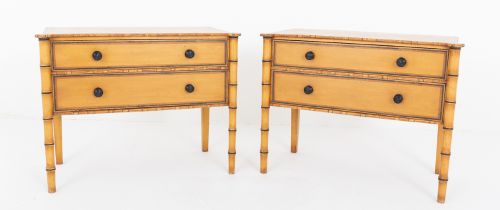
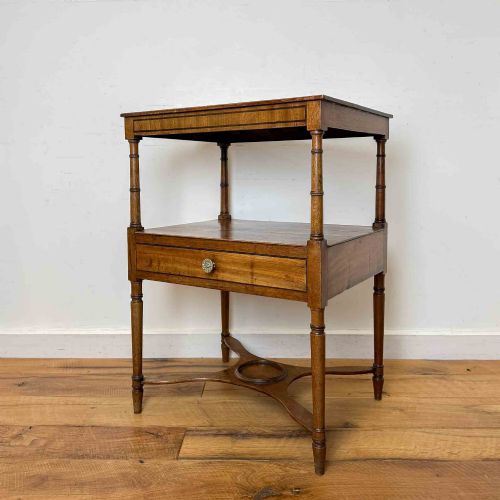
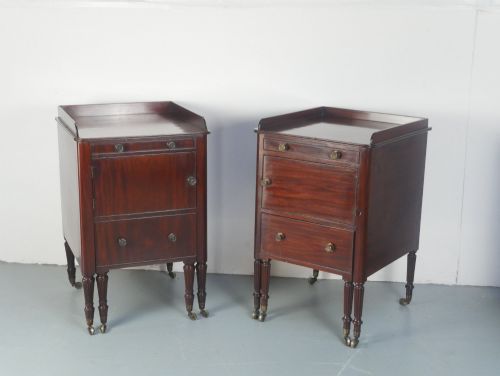
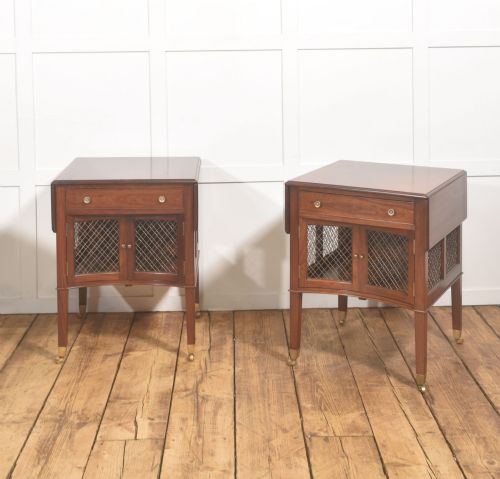
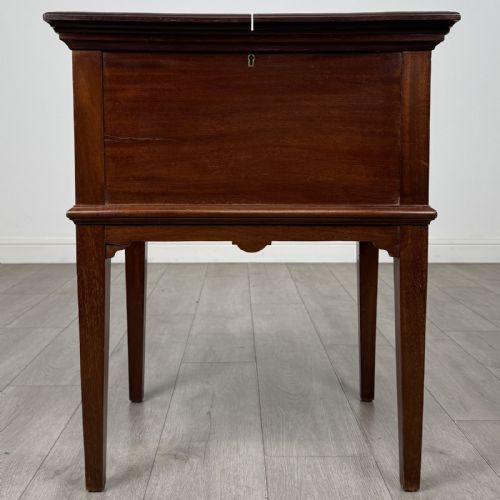
A regency nightstand table encompasses various compact timber pieces designed for the bedroom or sitting room, including bedside cabinets, commodes, and small lamp tables. The selection ranges from authentic early nineteenth century examples to later revival pieces from the twentieth century.
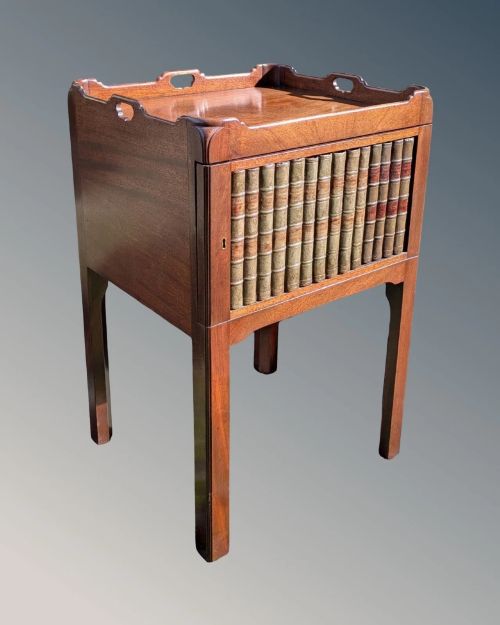
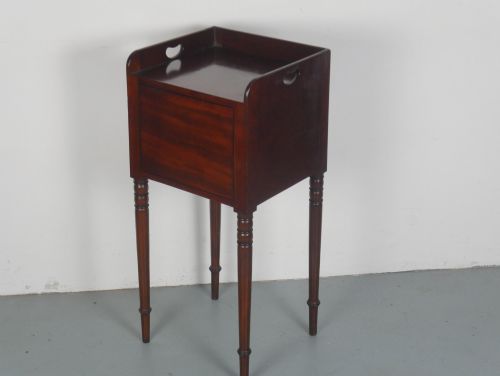
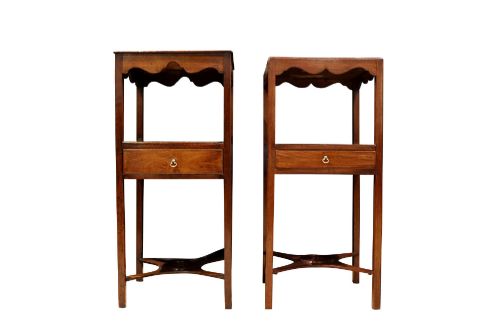
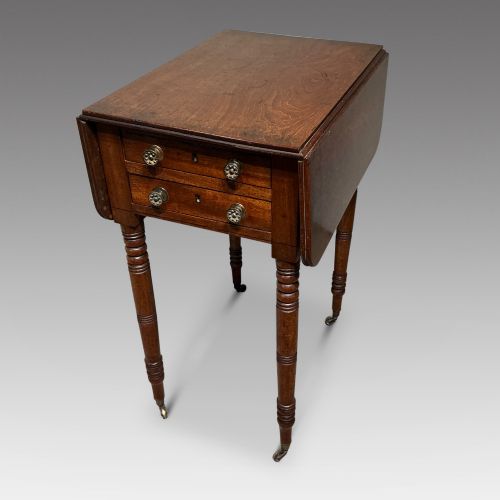
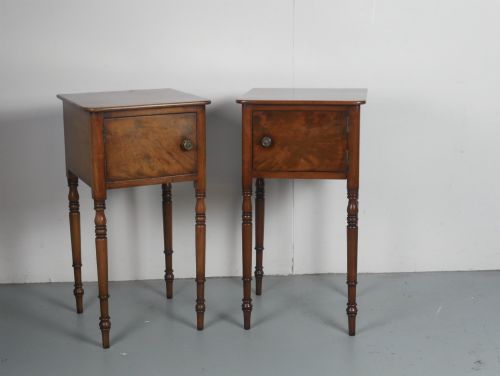
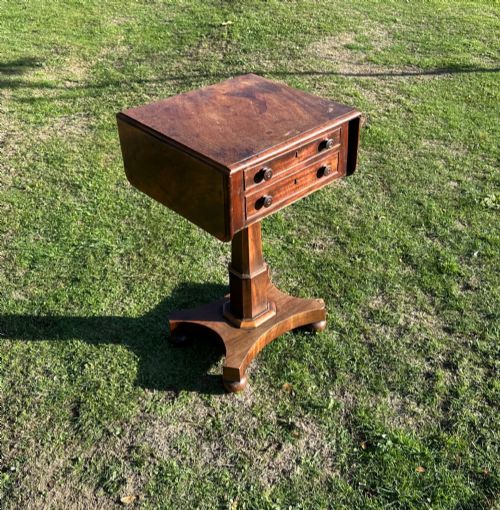
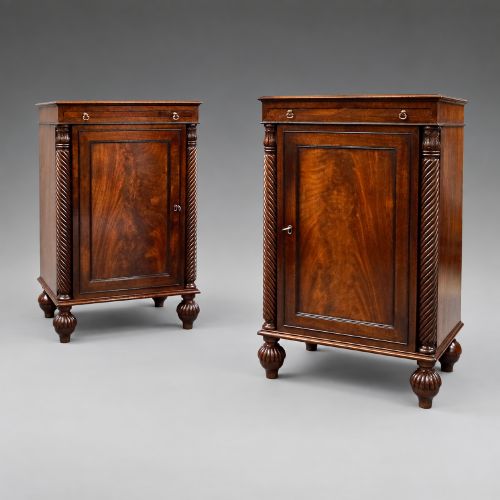
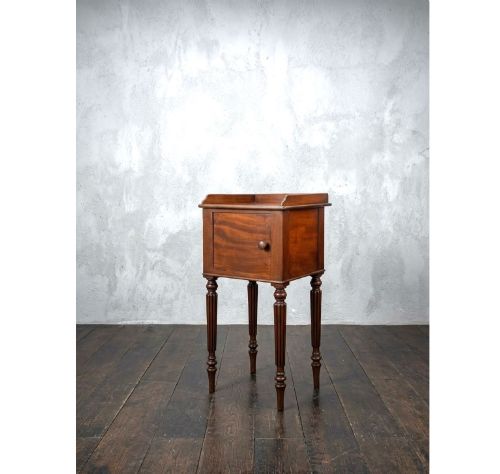
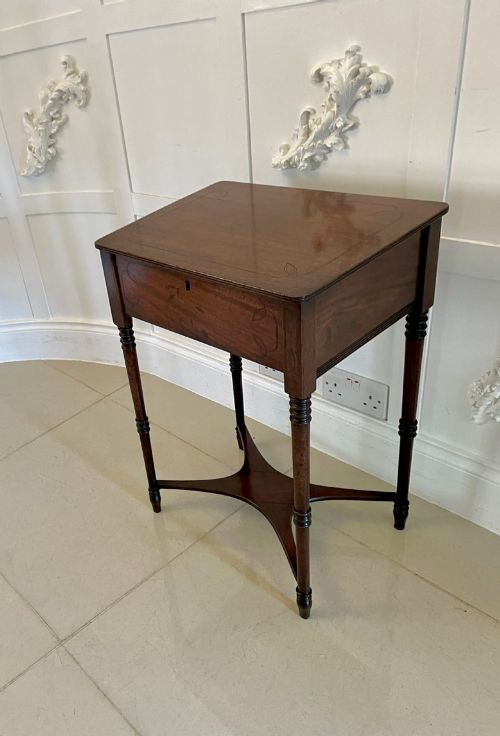
Bedside cupboards and pot cupboards with enclosed storage are common, alongside open lamp tables and occasional tables with drop leaves or drawers. Many pieces date from the Regency and Georgian eras, while others emerge from later revival periods.
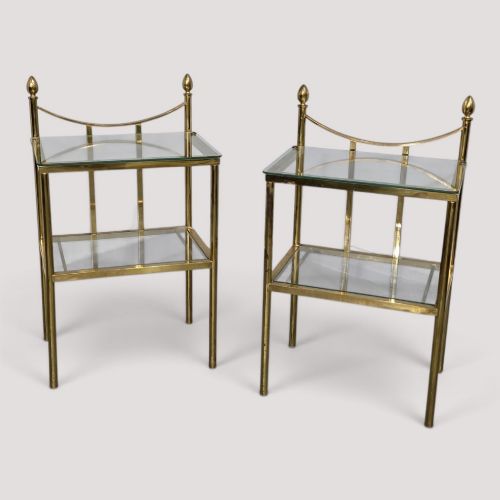
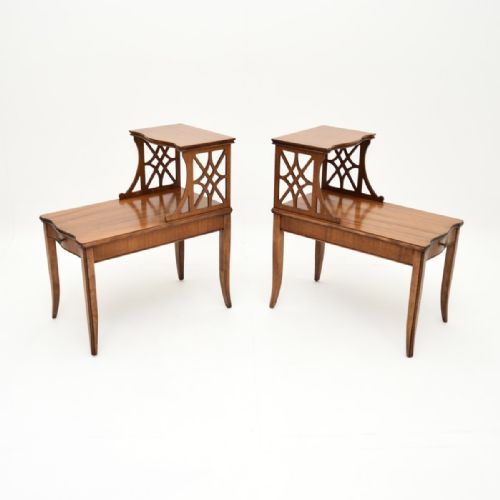
Makers utilised versatile forms such as pembroke tables, work tables, and two tier etageres to serve domestic needs in bedrooms and parlours. Mahogany remains the dominant timber across these forms, frequently paired with flame mahogany veneer or rosewood.
Materials and construction
Cabinet makers built these tables primarily in solid mahogany and timber frames, applying flame mahogany veneer to tabletops and door panels for striking grain patterns. Rosewood, fruitwood, and yew wood also appear in specific pieces, complemented by ebonised wood details.
Regency Nightstand Table Retail Price Guide 2026
Typical asking prices for regency nightstand table among the pieces listed under this phrase on Sellingantiques today, from the lower quarter to the upper quarter. They describe what is for sale here now, not the wider market.
Assessing quality and design
Quality rests in the crispness of the timber selection, such as the choice cuts of flame mahogany veneer, and the finesse of the joinery on reeded legs or inlaid edges. Well-drawn proportions and the inclusion of original brass fittings distinguish superior pieces from simpler utilitarian items.
Gillows·Holland & Sons·Mallett
The Regency Nightstand Table Glossary
- Regency
- A style period dating from the early nineteenth century defined by classical restraint, influence from ancient Rome and Greece, and sophisticated use of mahogany and rosewood.
- Pembroke table
- A small occasional table featuring two hinged drop leaves on opposing sides, often fitted with a single drawer.
- Pot cupboard
- A compact bedside cabinet designed originally to house a chamber pot, typically featuring a single door and a small enclosed interior.
- Etagere
- A set of open shelves or tiers used for displaying small objects or lamps, constructed in wood or brass.
- Reeded legs
- Cylindrical furniture legs carved with parallel vertical grooves that create a textured, columnar appearance.
Regency Nightstand Table: Frequently Asked Questions
What is a regency nightstand table used for?
These pieces serve primarily beside a bed or in a sitting room to hold lamps, books, and small personal items. Enclosed cupboards and drawers keep bedside necessities neatly out of sight.
They function equally well as compact lamp tables or occasional tables in tight spaces where larger furniture would overwhelm the room.
How do I identify a genuine period piece?
Examination of the timber, secondary woods, and construction methods reveals the age and authenticity of a piece. Early nineteenth century examples show hand-cut dovetails and traditional joinery distinct from twentieth century revival work.
Attributions or stylistic markers like reeded legs and brass hardware help align tables with Georgian, Regency, or later revival eras.
Are these tables suitable for modern bedrooms?
Their modest proportions make them exceptionally practical for contemporary homes with limited bedside space. The rich tones of mahogany and rosewood add warmth and character to modern interiors.
Closed storage compartments provide convenient organisation for chargers, reading glasses, and nighttime essentials.
What woods were used in these tables?
Mahogany is the predominant timber found in these listings, frequently enhanced by flame mahogany veneer for decorative impact. Cabinet makers also utilised rosewood, fruitwood, yew wood, and ebonised timber.
Brass hardware and wire grilles frequently accompany the wooden structures to provide contrast and structural detail.