





Georgian Style Bedside Pedestal
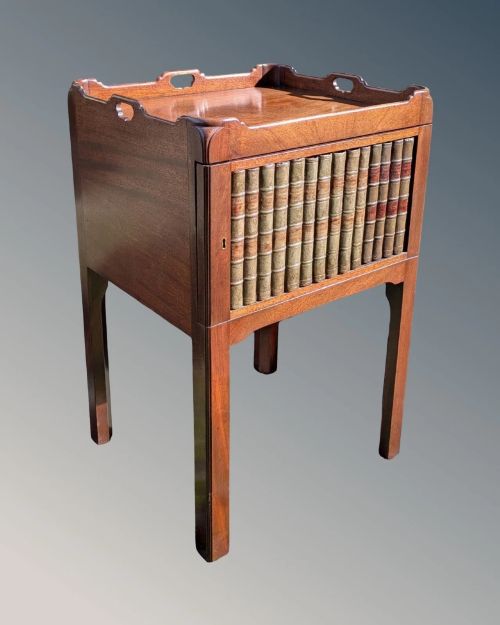
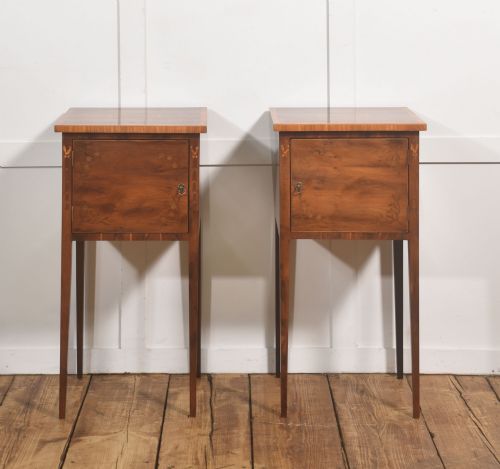
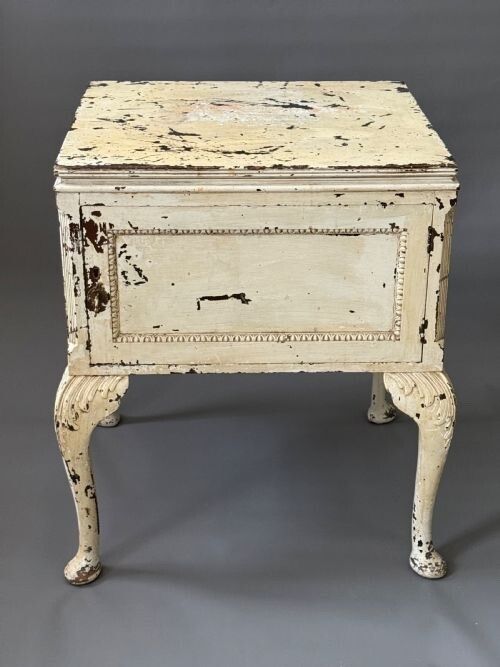
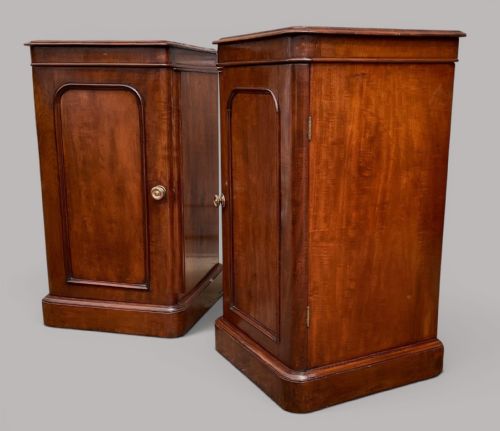
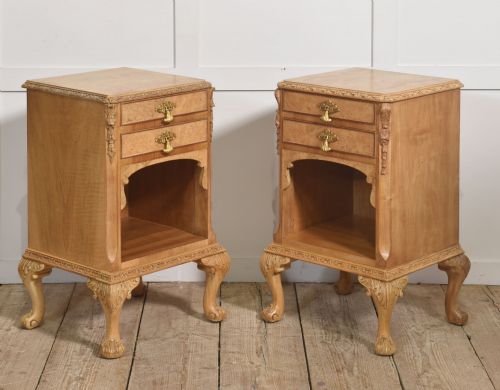
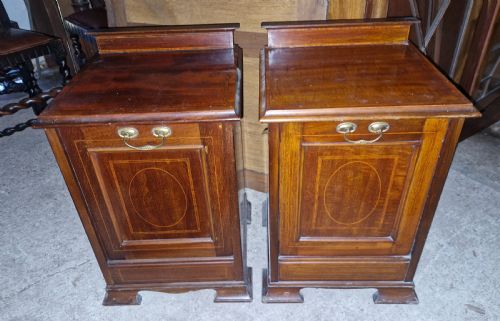
A georgian style bedside pedestal offers compact proportion and classic mahogany timber, making it a practical choice for period bedrooms.
Georgian Style Bedside Pedestal
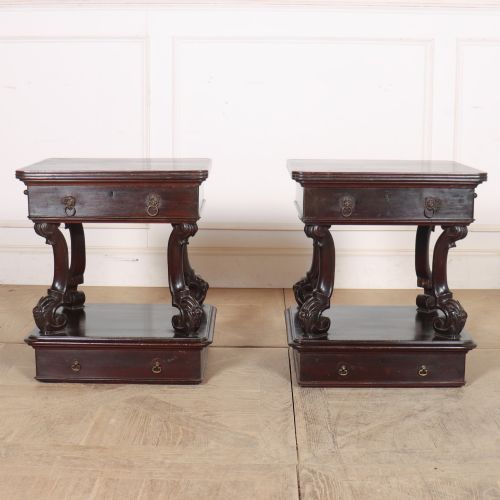
When you search for a georgian style bedside pedestal, you encounter pieces designed to sit beside a bed while echoing the refined proportions of the eighteenth century. The selection spans several decades from the nineteenth century through the early twentieth century, incorporating revival aesthetics such as Sheraton and Regency styles.
The forms you are most likely to meet on this page include bedside cabinets, pedestal cupboards, and compact side tables. Makers of the revival periods drew heavily on earlier designs, producing mahogany and satinwood pieces that function well in modern interiors.
How they were made
Construction relies heavily on solid mahogany and rich veneers, often accented with satinwood or burr walnut. Cabinetmakers utilised precise joinery to create stable pedestal carcases that could house cupboards or small drawers.
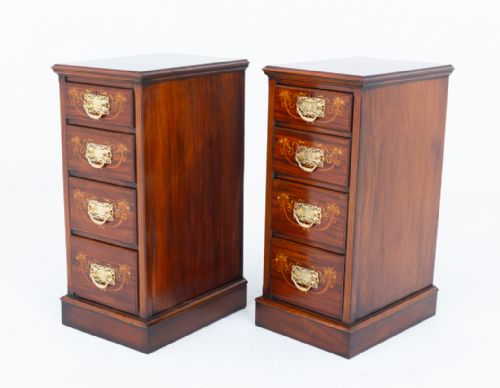
Surface ornamentation ranges from subtle marquetry inlay and hand-painted detailing to inset leather tops and brass hardware. These decorative elements reflect the stylistic revivals of the Victorian and Edwardian eras.
Georgian Style Bedside Pedestal Retail Price Guide 2026
Typical asking prices for georgian style bedside pedestal among the pieces listed under this phrase on Sellingantiques today, from the lower quarter to the upper quarter. They describe what is for sale here now, not the wider market.
The listings show a strong preference for mahogany construction, supplemented by occasional satinwood and burr walnut examples from the early twentieth century.
What varies in quality
Quality in a georgian style bedside pedestal rests largely on timber selection and the crispness of the secondary wood. Superior examples display carefully matched veneers and tightly executed marquetry rather than rushed surface decoration.
The integrity of the internal construction and the quality of brass handles also separate standard production from finer workshop pieces. Heavier carcases with thoughtful internal layouts command closer attention from discerning buyers.
Holland and Sons
The Georgian Style Bedside Pedestal Glossary
- Pedestal cabinet
- A freestanding piece of furniture built with a vertical orientation, typically enclosing a cupboard space or small drawers beneath a flat top. It provides useful bedside storage without taking up excessive floor area.
- Marquetry
- The art of applying decorative pieces of veneer to a structure to form intricate patterns or pictures. It is frequently seen on revival pieces from the late nineteenth and early twentieth centuries.
- Satinwood
- A durable, lustrous timber with a yellowish sheen used extensively for fine cabinetmaking and inlay work. It contrasts sharply with darker woods like mahogany.
- Sheraton Revival
- A late nineteenth and early twentieth century design movement that reinterprets the light, neoclassical furniture forms associated with designer Thomas Sheraton.
- Regency Style
- An aesthetic inspired by the British Regency period, characterised by classical restraint, clean architectural lines, and occasional brass mounts.
Georgian Style Bedside Pedestal: Frequently Asked Questions
What is a bedside pedestal?
A bedside pedestal is a compact cabinet or cupboard designed to stand next to a bed for convenient storage.
These pieces typically feature a single door or small drawers, keeping personal items close at hand while maintaining a neat silhouette.
Are these pieces genuine Georgian?
Most items listed under this style category date from the nineteenth or early twentieth centuries rather than the actual Georgian era.
Cabinetmakers during the Victorian and Edwardian periods frequently revived earlier Georgian design motifs, producing faithful interpretations using traditional timbers.
How do I style a bedside pedestal?
A pedestal can anchor a bedroom scheme by introducing warm mahogany tones and classic proportions alongside modern lighting.
The flat top surface accommodates a reading lamp and a book, while the enclosed cupboard conceals clutter.
What woods were used?
Mahogany serves as the primary timber across the majority of these pieces, often paired with contrasting details.
Cabinetmakers also utilised satinwood, burr walnut, and decorative marquetry to achieve varied aesthetic effects.