


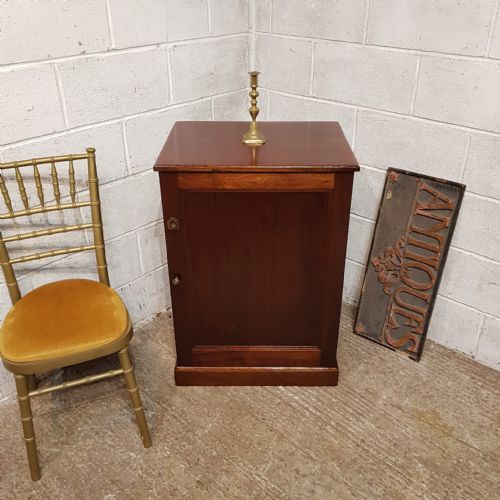


Regency Mahogany Pot Cupboard
A regency mahogany pot cupboard offers compact bedside storage with practical utility and distinct period character.
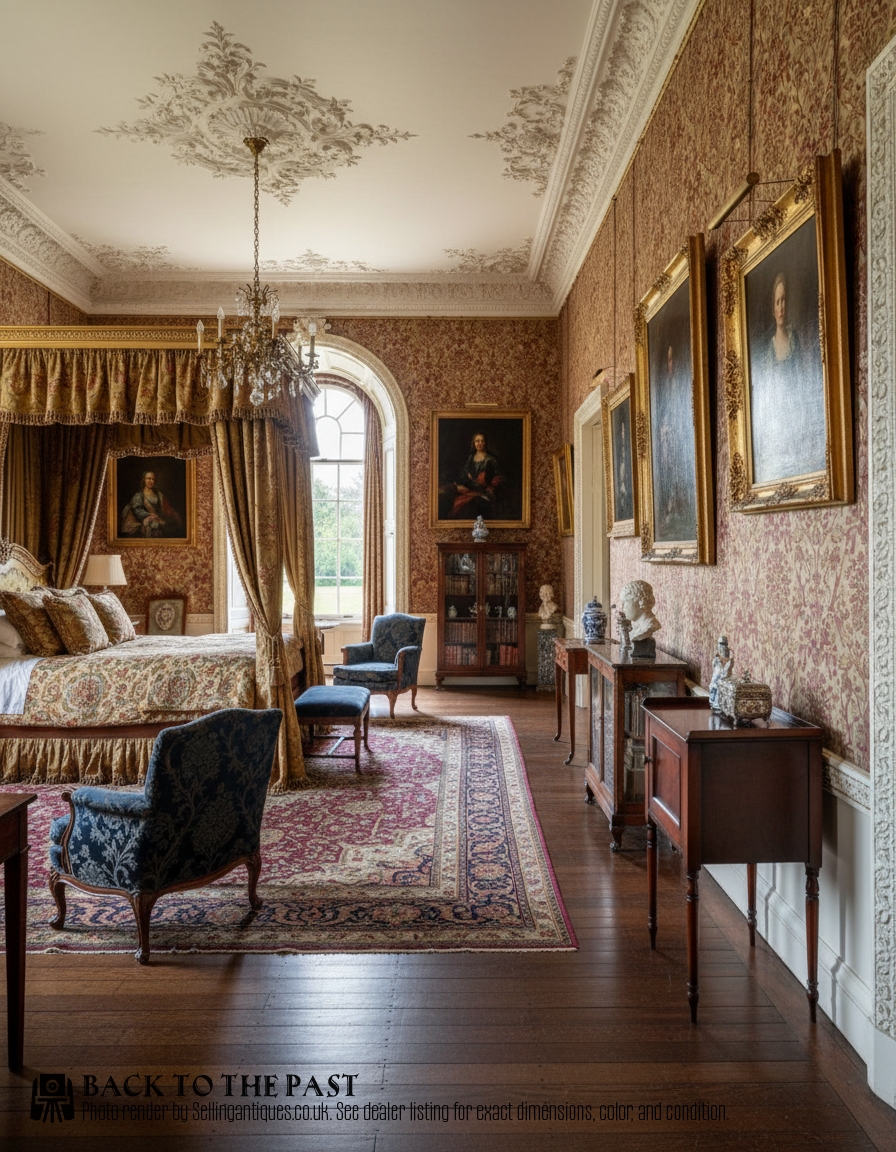
Regency Mahogany Pot Cupboard
A regency mahogany pot cupboard provides enclosed bedside storage in compact forms designed for the bedroom. The search phrase covers utilitarian pieces alongside finer cabinets produced during the nineteenth century.
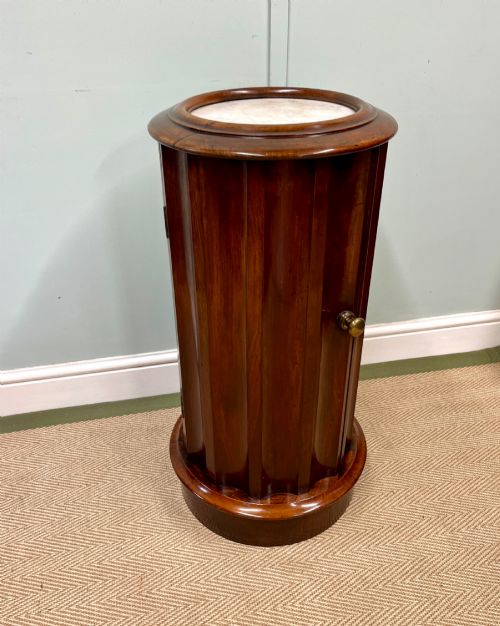
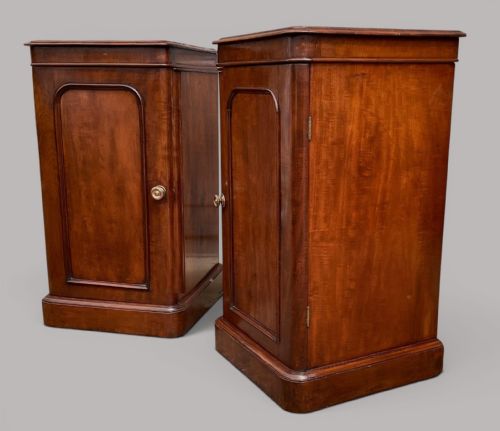
Bedside cabinets, pedestals and commodes dominate the selections, often appearing as matched pairs or single items. Buyers frequently encounter cylindrical bodies, bow fronts and architectural column designs.
Origins span the Regency and Georgian eras, extending into William IV and early Victorian periods. Timber variations include flame mahogany veneer alongside solid mahogany structures.
Evaluating Cabinet Construction and Detail
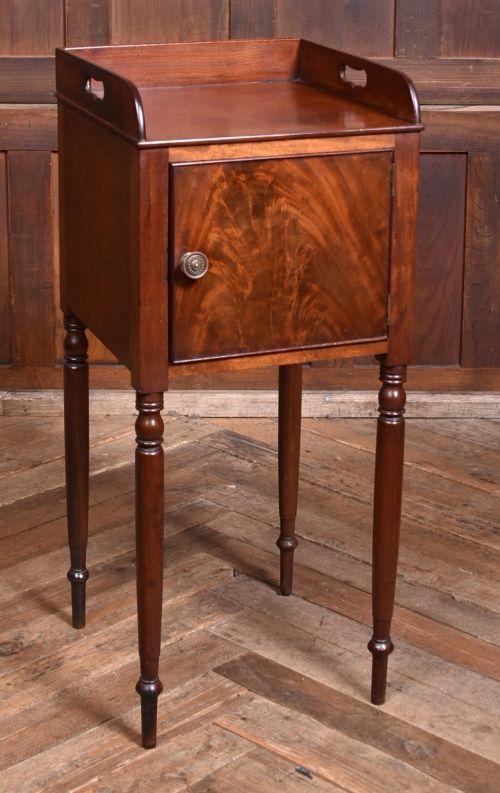
Quality rests on timber choice, such as the depth of figure in flame mahogany, and the precision of boxwood or ebony inlay. Finer examples display disciplined proportions and sophisticated design motifs like architectural columns.
Workshop attribution elevates certain pieces, particularly those bearing the hallmarks of established cabinetmakers. Superior construction shows in the seamless alignment of doors, drawers and reeded supports.
Holland & Sons·Gillows
The Regency Mahogany Pot Cupboard Glossary
- Pot cupboard
- A small bedside cabinet originally designed to house a chamber pot. These pieces evolved into general bedside storage units.
- Flame mahogany
- A veneer cut from timber fork sections that produces a distinctive flickering flame grain pattern. Cabinetmakers utilised this figure on principal surfaces.
- Pedestal cabinet
- A tall, narrow freestanding cupboard supported on a plinth or legs. The form maximises vertical storage space beside a bed.
- Tray top
- A raised rim surrounding the upper surface of a table or cabinet. This feature prevents items from rolling off the edge.
Regency Mahogany Pot Cupboard: Frequently Asked Questions
What is a regency mahogany pot cupboard used for today?
Modern interiors utilise these compact cabinets as bedside tables or small storage units in living spaces. The enclosed cupboards conceal clutter while the top surface holds lamps and books.
Their modest dimensions suit smaller rooms where floor space is limited. The timber surfaces integrate easily with traditional and contemporary furniture schemes.
How do I identify a genuine period piece?
Examine the timber selection, construction joints and hardware for period characteristics. Nineteenth-century examples display mahogany grain and traditional joinery methods.
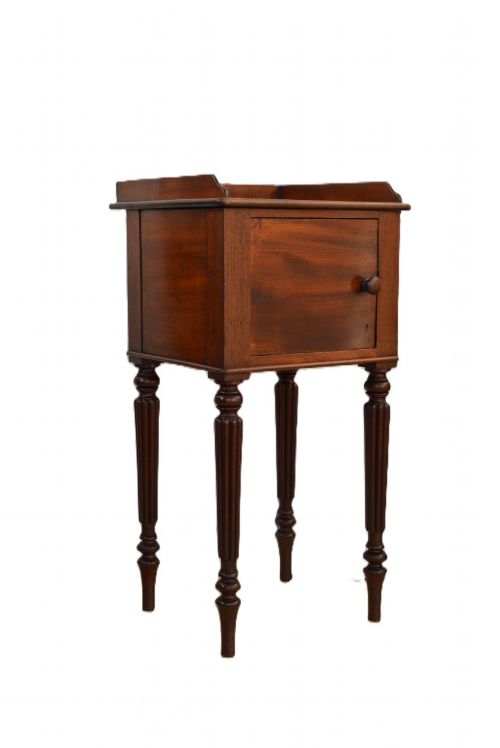
Look for design details such as reeded legs, flame mahogany veneer and ebony or boxwood inlay. Attribution to makers like Gillows offers further historical context.
What variations exist in the cabinet designs?
Designs range from cylindrical bodies and bow fronts to architectural column forms and tray tops. Some pieces incorporate drop flaps or commode drawers.
Inlay work and leg styles create distinct visual differences between pieces. Variations reflect the diverse output of nineteenth-century workshops.