
Regency Mahogany Pedestals
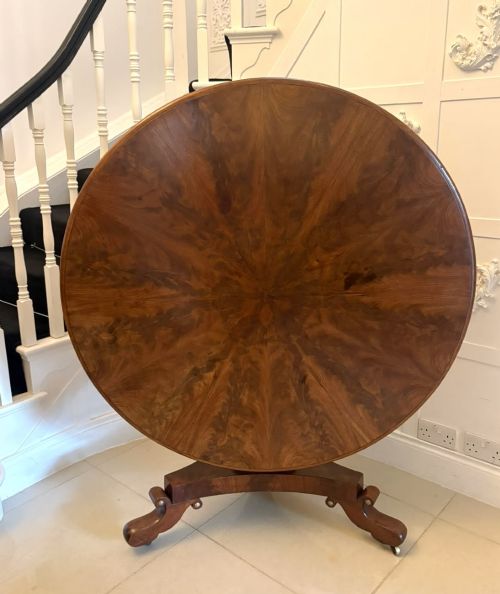
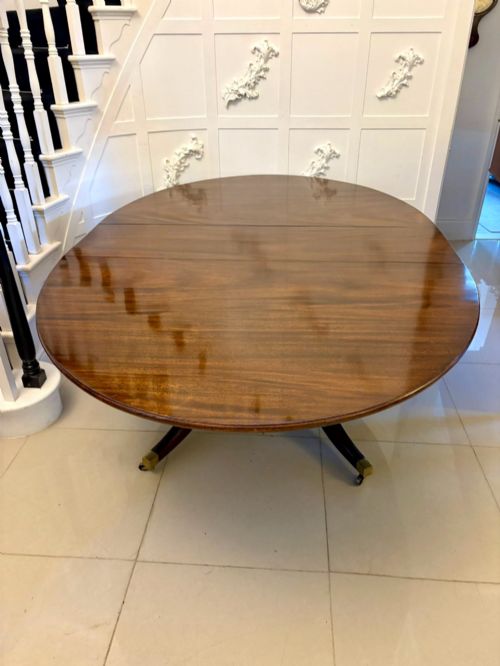
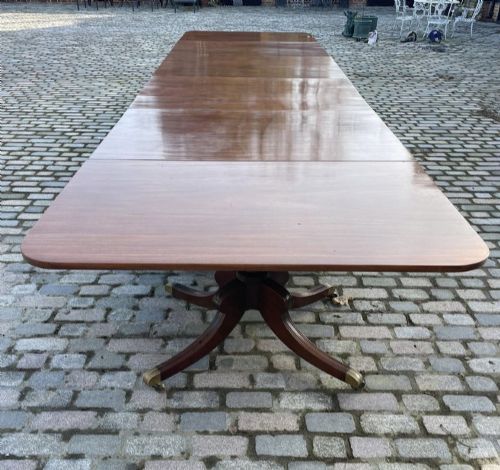
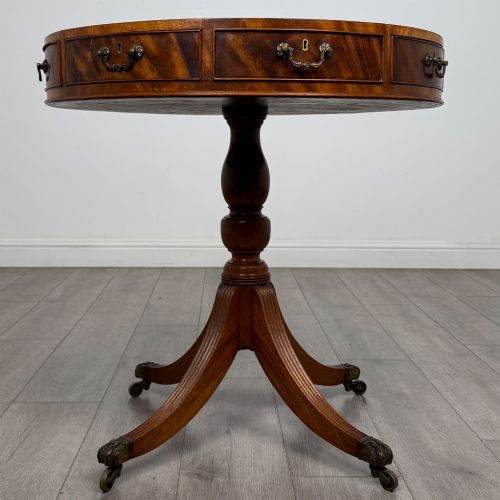
Regency mahogany pedestals stand as architectural triumphs of timber work, offering stately proportions and disciplined classical form to anchor a grand interior.
Regency Mahogany Pedestals
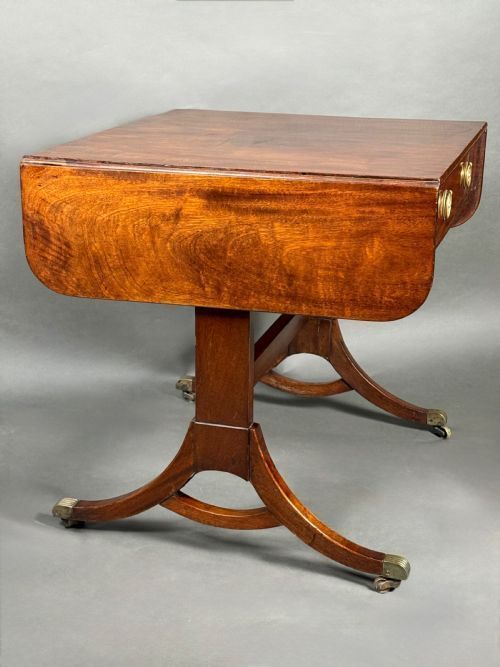
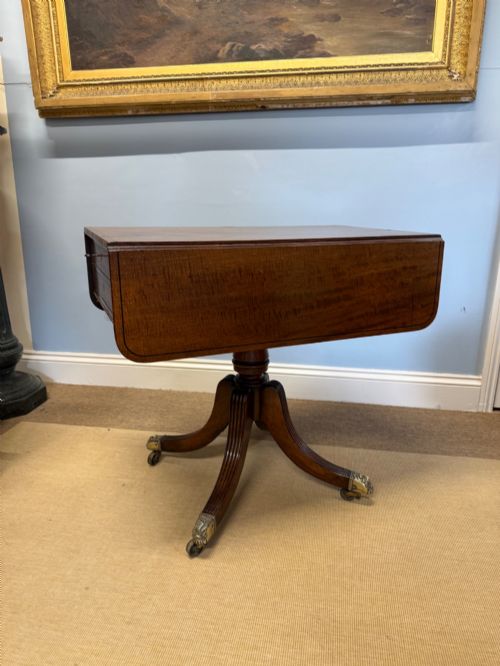
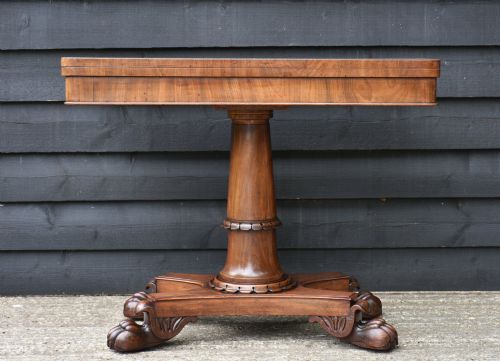
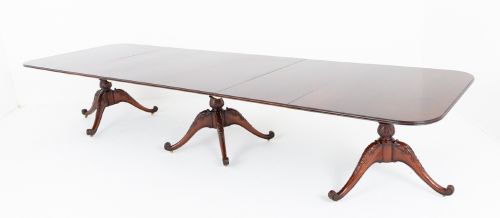
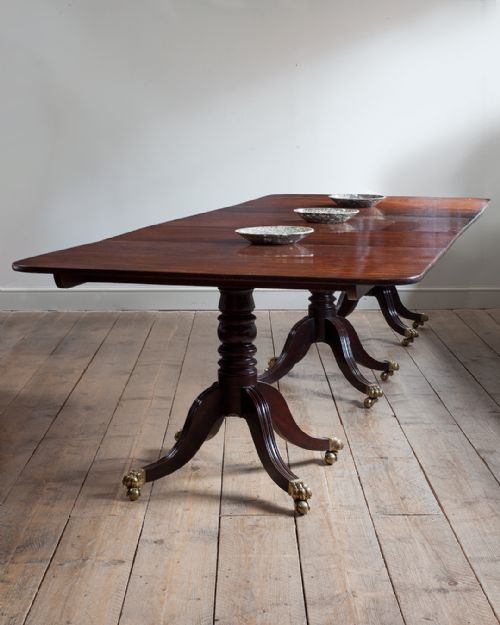
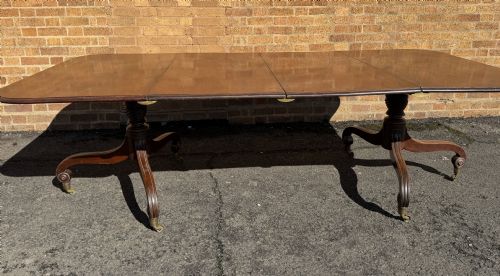
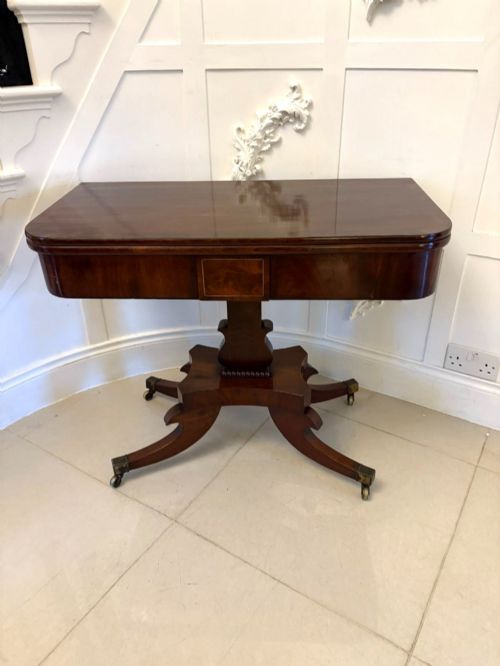
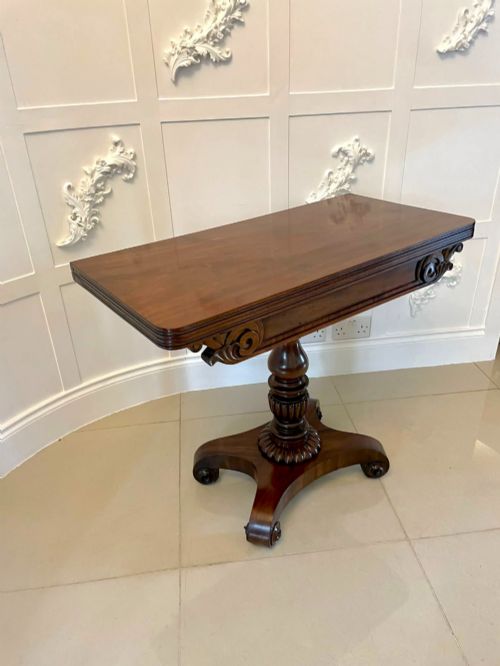
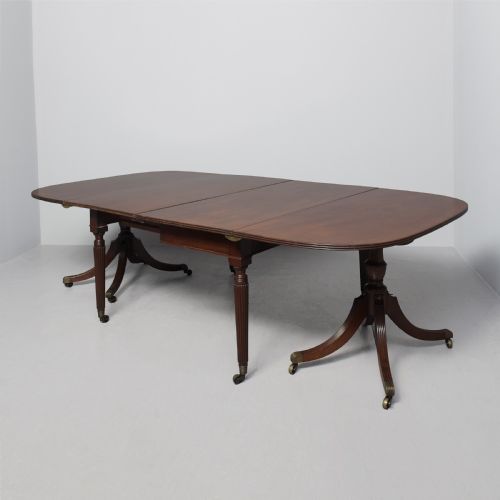
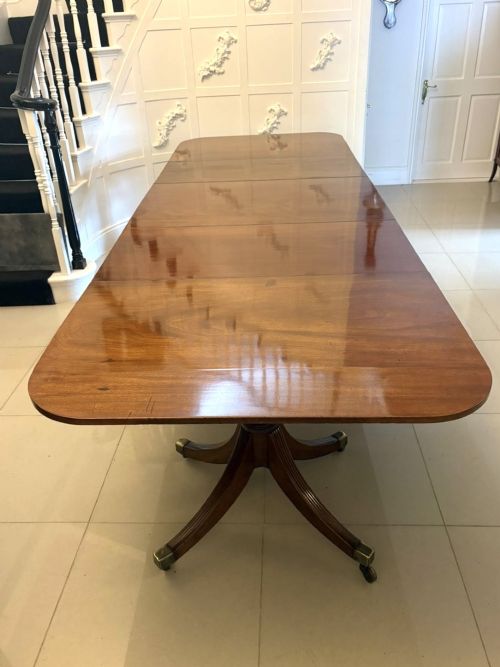
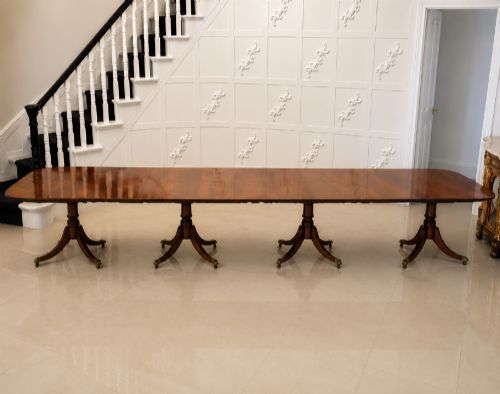
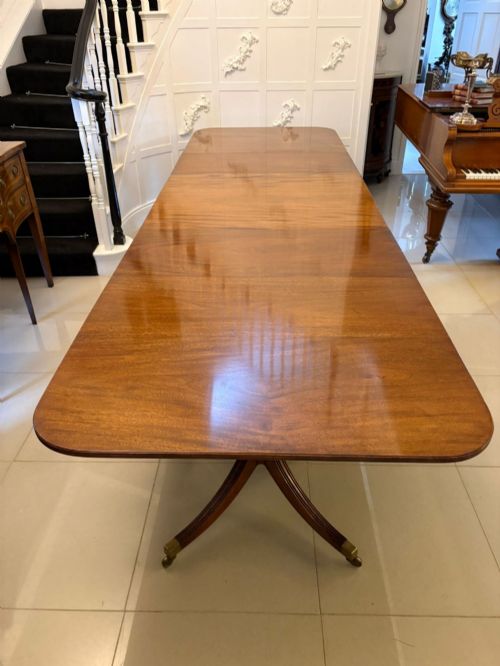
Regency mahogany pedestals represent a specialised category of column and pillar supports, documented in archive records as matched pairs designed to anchor formal spaces. The examples seen on this page span the nineteenth century and subsequent revival periods, drawing upon George III, William IV, and Regency design idioms.
Buyers seeking these pieces encounter structural forms ranging from simple cylindrical columns to substantial flame mahogany pillars, often associated with larger dining tables or sideboard arrangements. The inventory reflects traditional British cabinet-making traditions across the Georgian and Edwardian eras, maintaining consistent structural silhouettes.
Materials and Construction
Cabinet-makers relied heavily upon solid mahogany and figured mahogany veneers, selecting timber for deep grain movement and rich natural colour. Surface decoration incorporated brass inlays, rosewood banding, and subtle gilding to accentuate classical mouldings and turned column shafts.
Construction techniques demanded exact turning on lathes and precise joinery to ensure weight distribution across triform or quadraform plinth bases. Timber was seasoned carefully to prevent warping in heavy pillar structures, allowing the dense wood to support substantial surface weight.
The inventory records pieces spanning the nineteenth and twentieth centuries, encompassing strict Regency production alongside later Edwardian and revival interpretations.
Assessing Quality
Quality rests upon the selection of timber veneers and the depth of figuring within the mahogany grain, distinguishing master workshop output from later revival pieces. Superior examples display seamless veneer matching across curved surfaces and crisply carved reeding or brass enrichment.
Proportion and stability separate standard utility pieces from exceptional commissions, particularly in the weight and balance of the supporting base. The integrity of the original polish and the crispness of classical architectural details indicate the skill invested by the original maker.
Gillows of Lancaster
The Regency Mahogany Pedestals Glossary
- Flame Mahogany
- A veneer cut from the branch forks of the mahogany tree, yielding a distinctive flickering flame pattern across the wood surface. This decorative veneer was prized for high-status furniture during the Regency period.
- Triform Base
- A three-sided supporting platform beneath a central column or pedestal. This configuration ensures stability on uneven floors while maintaining a light aesthetic.
- Brass Inlay
- The technique of embedding thin strips of brass into routed channels within the mahogany surface. It creates geometric or classical decorative motifs popular in Regency cabinet-making.
- Reeding
- Parallel convex mouldings carved directly into wood shafts or table legs. This classical detail imitates classical architectural columns.
Regency Mahogany Pedestals: Frequently Asked Questions
How were Regency mahogany pedestals used?
These architectural supports historically served as structural bases for large extending dining tables or as standalone pedestals in grand entrance halls. Paired examples often supported lamps, urns, or decorative bronze figures.
In modern interiors, they function effectively as display columns for sculpture or as distinct focal points within a room, showcasing the natural grain of the timber.
How do I identify a genuine Regency period pedestal?
Genuine nineteenth-century pieces exhibit dense, heavy mahogany timber construction with hand-cut joinery and period-appropriate secondary woods like oak or pine inside the structure. Surface patination develops naturally through decades of waxing.
Revival pieces from later decades often display uniform machine milling and different internal construction methods beneath the polished exterior.
What is flame mahogany?
Flame mahogany is a highly decorative wood veneer harvested from the junction where branches meet the main trunk of the tree. The grain swirls in patterns resembling flickering fire.
Cabinet-makers reserved this striking material for the most prominent surfaces of high-status tables, sideboards, and pedestals.
How do I care for mahogany pedestal furniture?
Mahogany requires consistent indoor humidity levels to prevent the dense timber from splitting and to protect historical veneer work. Regular application of traditional beeswax feeds the wood and maintains the surface sheen.
Keep these pieces away from direct sunlight and heat sources to preserve the rich colour of the polished timber.