
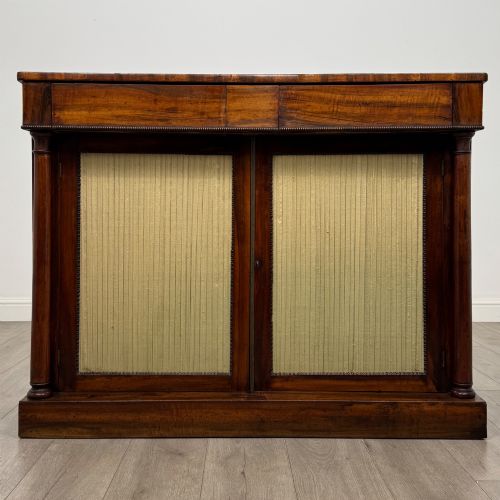
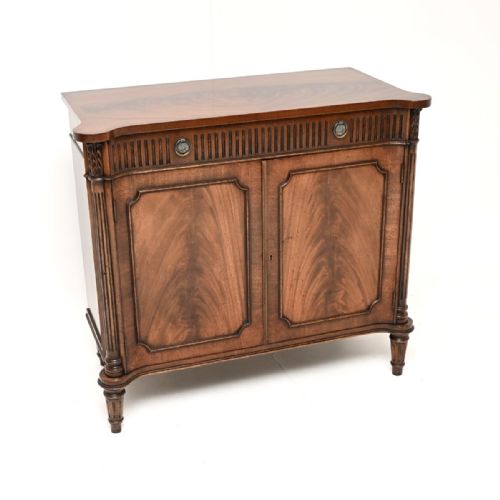
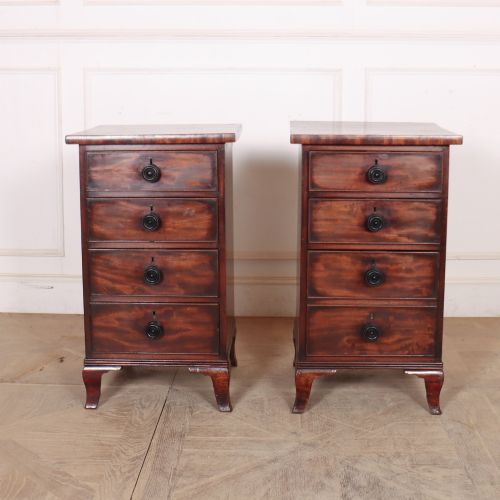
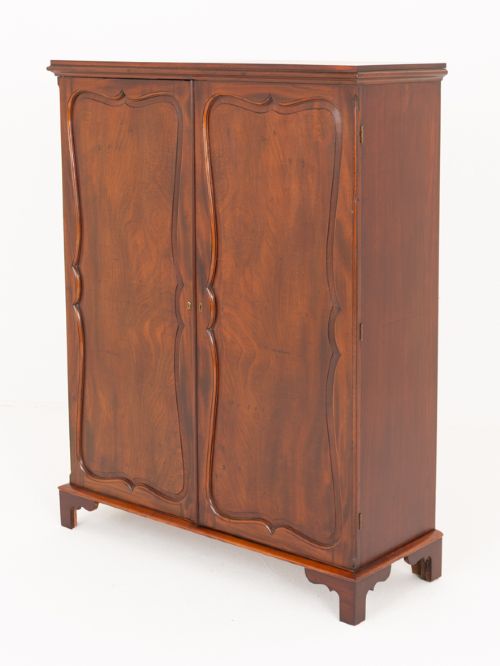
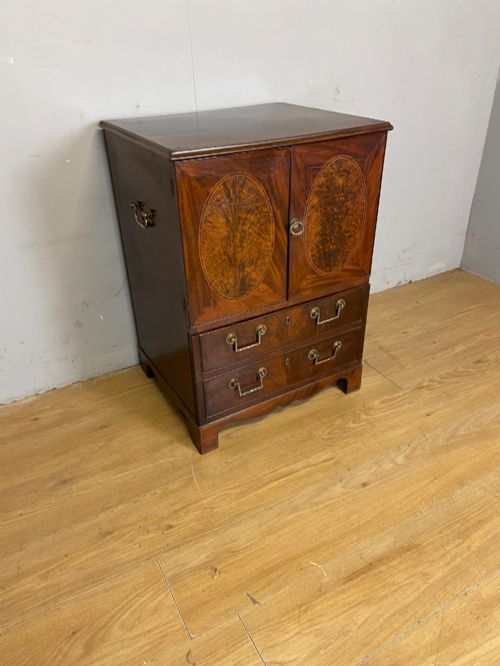
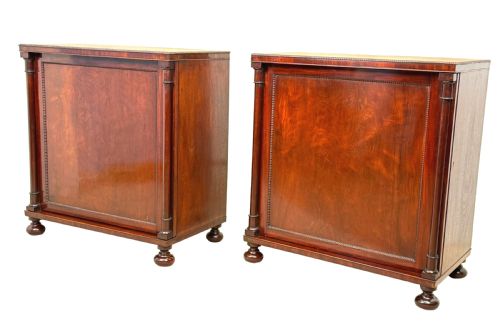


Flame Mahogany Side Cupboards
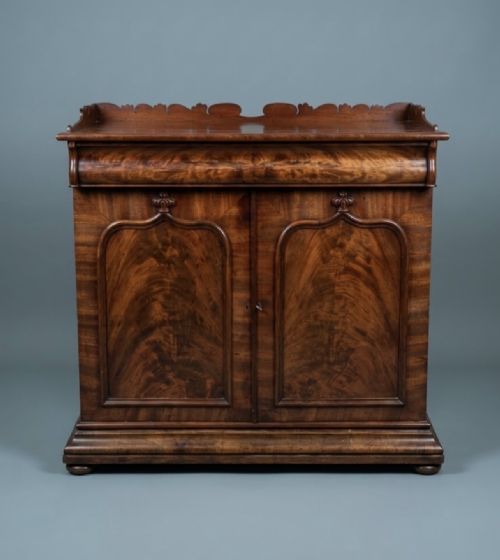
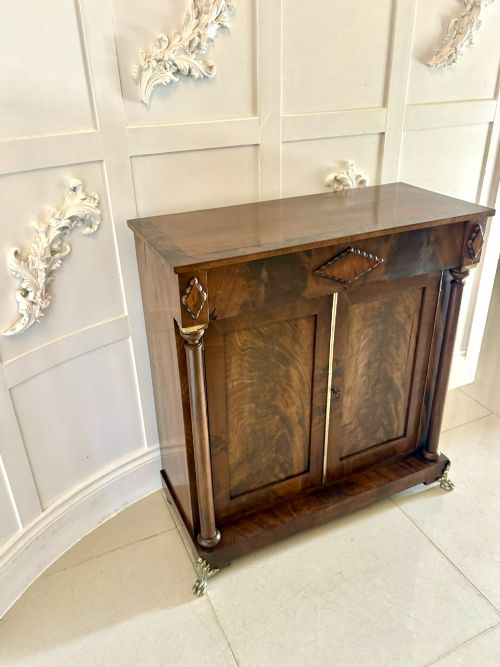
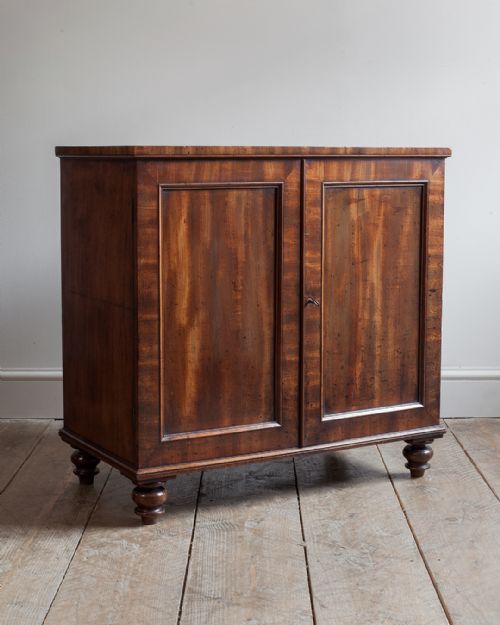
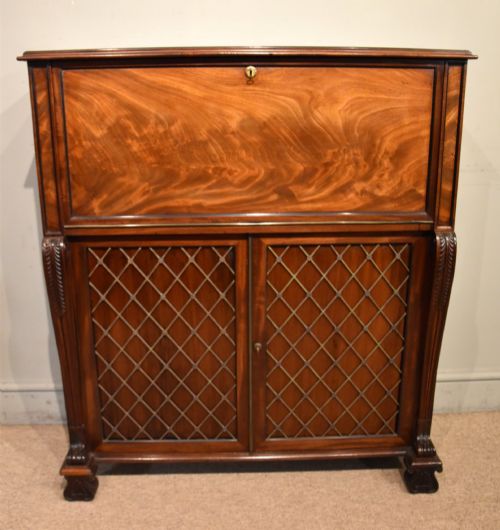
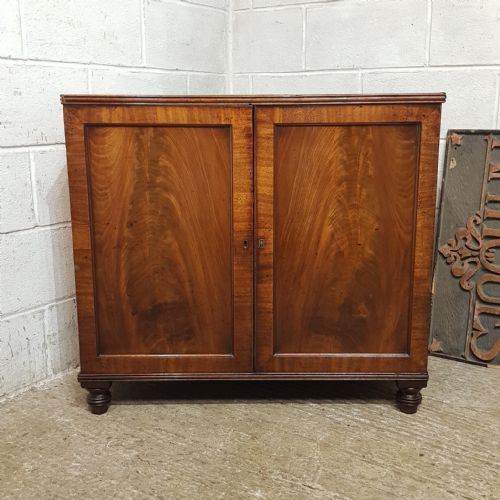
Flame mahogany side cupboards are striking storage pieces offering intense wood grain patterns, ranging from compact bedside units to grand room cabinets.
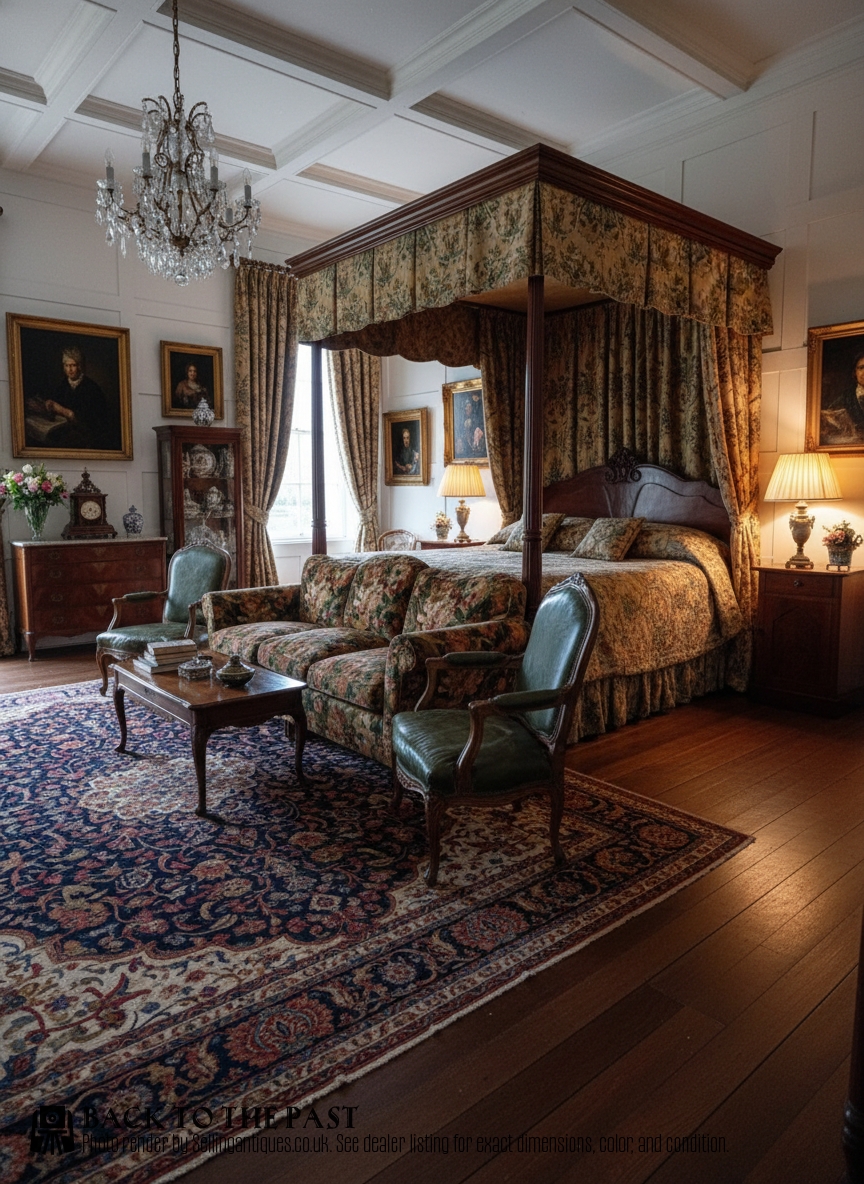
Flame Mahogany Side Cupboards
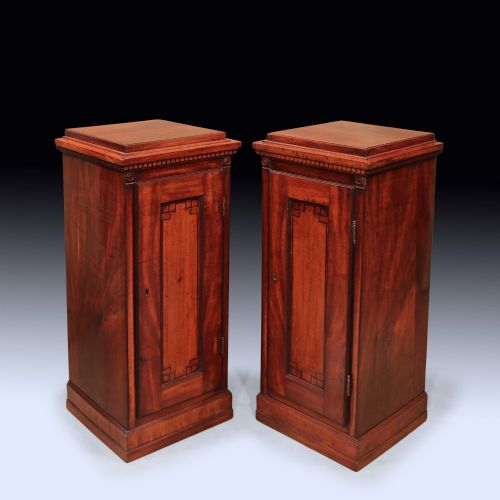
Flame mahogany side cupboards are functional storage furniture items designed to sit against a wall in rooms such as bedrooms, libraries, and living spaces. These pieces appear in forms including bedside chests, nightstands, commodes, pedestal cupboards, and two-door cabinets.
The selections available span multiple eras, most notably the Georgian, Regency, Victorian, and Edwardian periods, alongside later revival styles. Makers from these eras utilised rich timber veneers to create visually engaging front elevations on otherwise practical utility furniture.
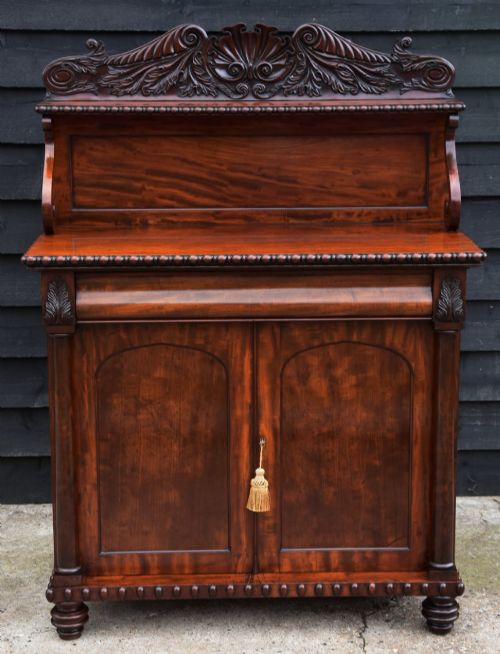
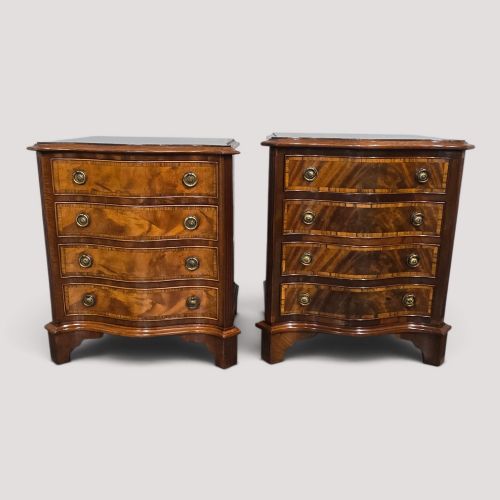
Buyers seeking flame mahogany side cupboards encounter variations ranging from single country house library pieces to matched pairs of bedside cabinets. The smaller nightstand formats and taller chiffonier styles represent common configurations within these categories.
How they were made
Cabinet makers constructed the foundational carcase of these cupboards using solid timbers such as oak and mahogany, providing structural stability. Over these primary woods, artisans applied thin layers of flame mahogany veneer to visible exterior surfaces, particularly door fronts and drawer panels.
Decorative detailing often incorporated brass hardware, such as key escutcheons and handles, alongside ormolu mounts on select Regency and Victorian examples. Inlaid lines of contrasting wood veneers frequently bordered the primary flame grain panels to frame the visual movement of the timber.
Some nineteenth century nightstands still hint at their original domestic duties as enclosed pot cupboards.
What varies in quality
The visual impact of the timber grain sets individual pieces apart, with highly figured flame veneer exhibiting deeper chatoyancy and more dramatic natural patterning across the surface. Lesser examples display plain mahogany or uneven veneer matching that lacks symmetrical harmony.
Construction methods dictate longevity and refinement, evident in the precision of drawer dovetailing, the smoothness of door alignment, and the integrity of secondary timbers like oak inside the carcase. Superior pieces retain original brass fittings and harmonious proportions that reflect careful workshop design.
Gillows·Gillows of Lancaster·Harrods
The Flame Mahogany Side Cupboards Glossary
- Flame mahogany
- A veneer cut from the branch junctions or fork of a mahogany tree, yielding a distinctive ripple pattern resembling flickering flames. This decorative wood creates high visual contrast on furniture fronts.
- Chiffonier
- A small sideboard or low cabinet equipped with shelves or enclosed storage below, popular during the Regency and Victorian eras. These units often feature a raised back gallery.
- Pedestal cupboard
- A single-door cabinet built with a tall, narrow columnar form, designed to stand beside a bed or in a corner. These freestanding units maximise vertical storage space.
- Ormolu
- Gilded bronze ornamentation applied to furniture, frequently seen on Regency and Empire pieces. The metal accents provide a bright contrast against dark mahogany surfaces.
- Serpentine
- A furniture front or top shaped with a curving contour that swells outward in the centre and recedes at the sides. This technique requires skilled carpentry to shape wood and veneer accurately.
Flame Mahogany Side Cupboards: Frequently Asked Questions
Where do flame mahogany side cupboards fit best?
These cabinets work effectively in bedrooms as bedside storage or in living rooms and hallways as compact sideboards.
Their varied heights and widths allow them to occupy awkward wall spaces while providing functional enclosed shelving.
How do I identify a Regency period cupboard?
Regency pieces often display classical architectural proportions, brass inlay, or ormolu mounts characteristic of the early nineteenth century.
Many examples from this era incorporate restrained lines and dark, highly figured mahogany veneers.
Are these cupboards suitable for daily use?
Solid carcase construction and durable mahogany timber make these cabinets robust enough for holding books, lamps, and everyday items.
Careful placement away from direct heat sources helps preserve the delicate veneer surfaces over time.
What is the difference between a commode and a bedside chest?
A commode traditionally refers to a low, ornate cabinet with drawers or doors dating from the Georgian or Regency periods.
Bedside chests and pot cupboards are generally smaller, built specifically to sit beside a bed for night storage.