

Regency Mahogany Drawer Table
A regency mahogany drawer table brings understated elegance and practical storage to a room through balanced proportions and rich, figured timber.
Regency Mahogany Drawer Table
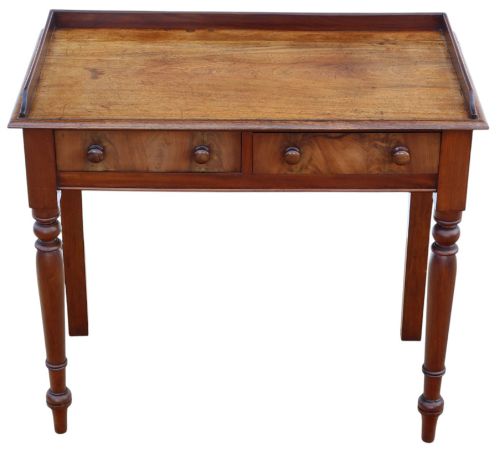
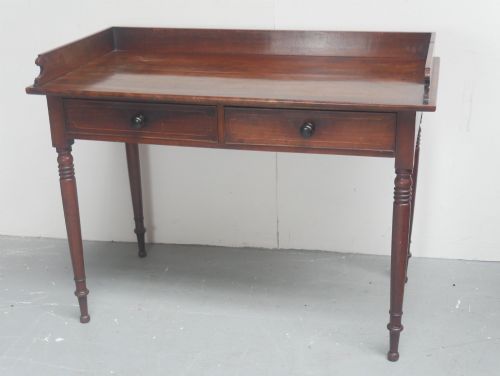
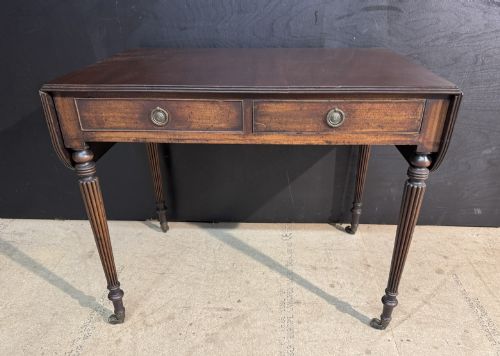
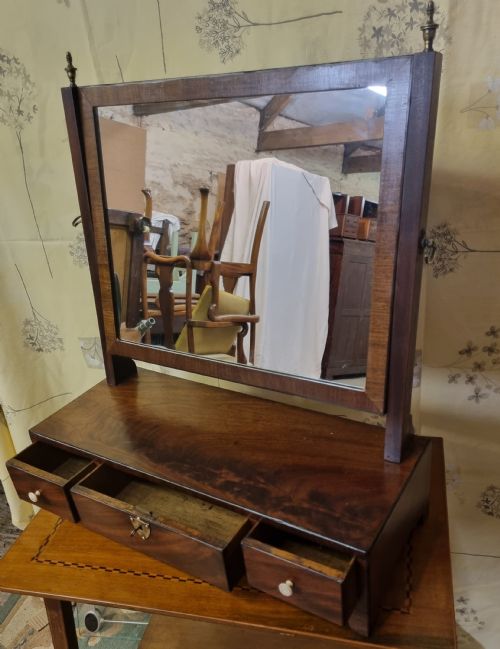
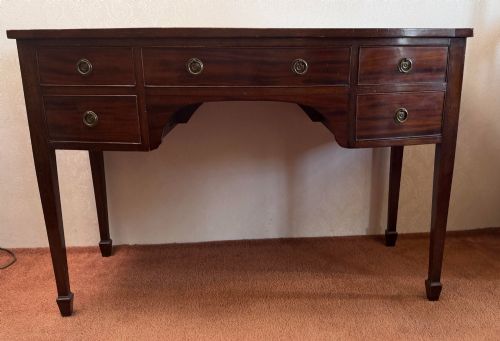
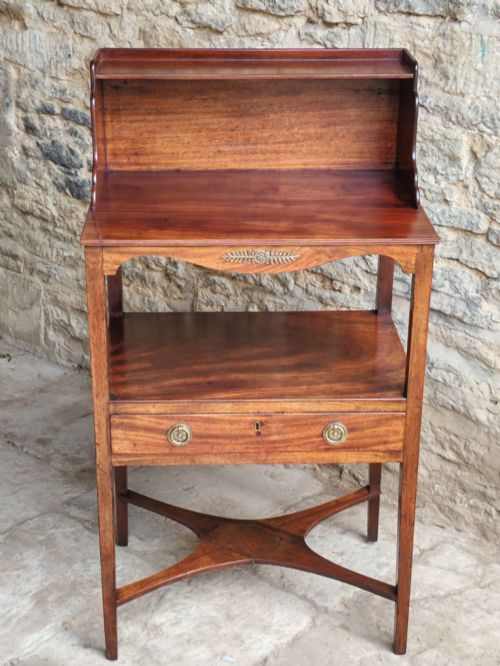
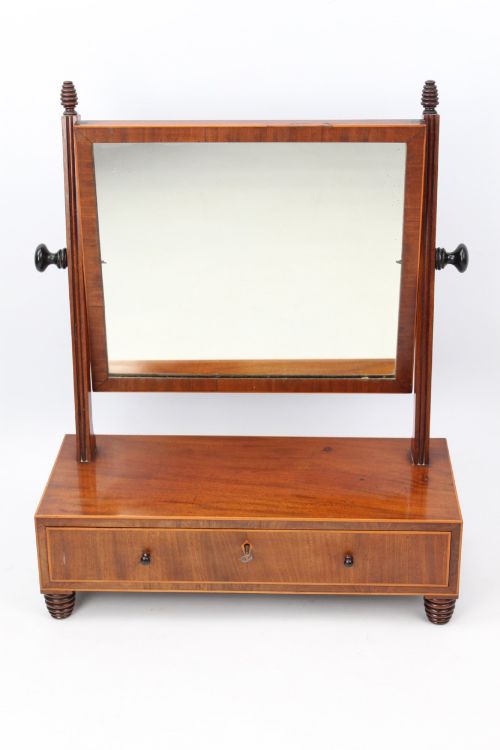
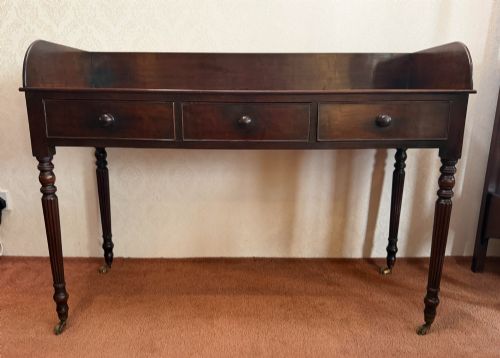
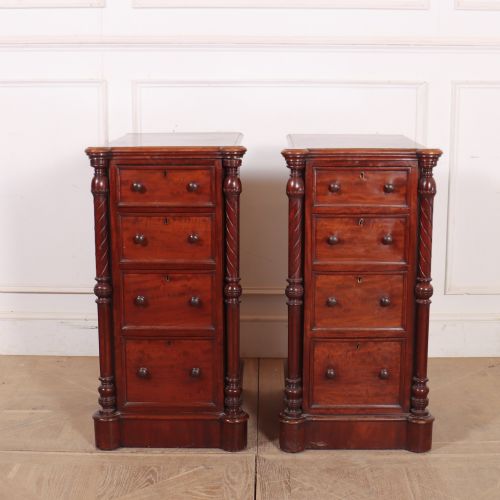
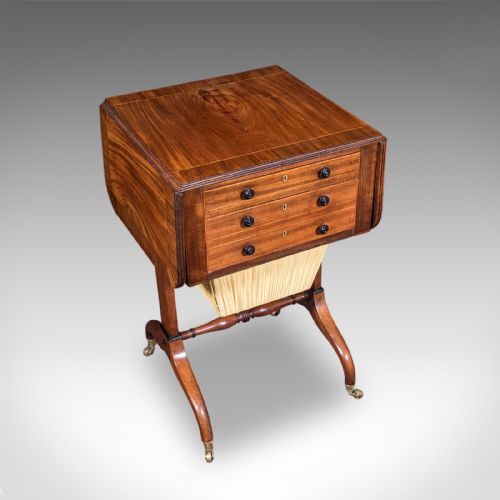
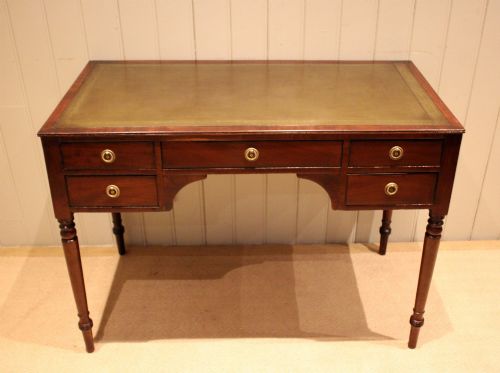
A regency mahogany drawer table encompasses various utilitarian and decorative forms designed for domestic use during the late eighteenth and early nineteenth centuries. The selection frequently includes side tables, writing desks, dressing tables, and Pembroke tables featuring integrated drawers.
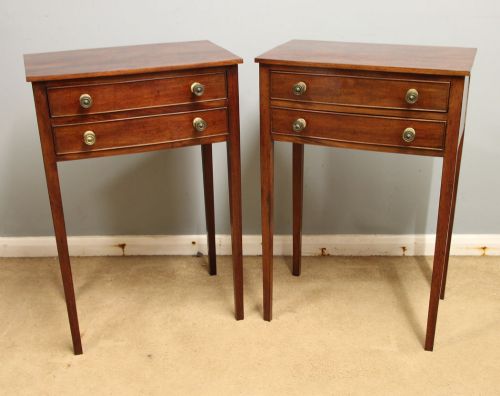
Makers of this era produced pieces ranging from compact single-drawer lamp tables to large six-drawer partners desks and library tables. The surviving examples draw heavily upon Regency, Georgian, and William IV design idioms, often incorporating freestanding capability and drop leaves.
The buyer meets both authentic period pieces dating from around 1800 to 1830 and later revival interpretations spanning the Victorian, Edwardian, and early twentieth-century periods. These items reflect the enduring demand for functional timber furniture with classical restraint.
Materials and Construction
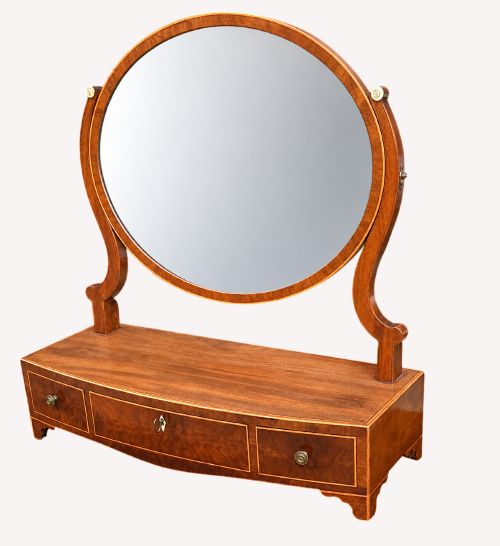
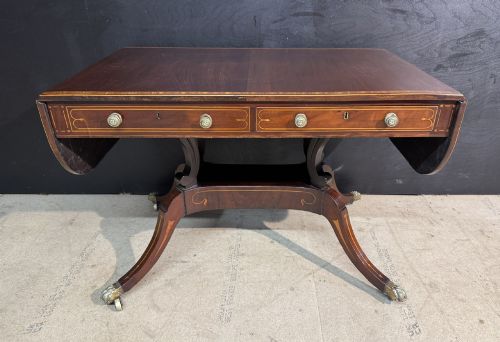
Cabinet makers built these tables primarily using solid and veneered mahogany, frequently selecting flame or figured variations to accentuate the flat surfaces. Secondary timbers such as oak occasionally appear in drawer construction, while boxwood stringing and inlay provide subtle decorative contrast.
Hardware details typically include brass knobs, handles, and occasional leather inserts set into writing surfaces. Joinery relies on traditional methods, ensuring structural integrity in freestanding forms with multiple drawers and drop leaves.
Period origins span the Georgian and Regency eras through to Edwardian revivals, showing enduring demand for multi-drawer occasional furniture.
Assessing Craftsmanship
Quality in a regency mahogany drawer table rests upon the selection of timber, where intensely figured flame mahogany or harmonious grain matching elevates the visual impact. The crispness of inlaid boxwood stringing and the retention of a faded, mellow patina further separate superior workshop output from simpler utilitarian items.
Structural refinement dictates the upper tier of pieces, visible in smooth drawer movement, well-proportioned turning or reeded legs, and original brass hardware. Lesser examples display heavier proportions, simpler secondary woods, or later alterations that diminish the original design balance.
Gillows of Lancaster
The Regency Mahogany Drawer Table Glossary
- Mahogany
- A dense, reddish-brown tropical timber prized for its stability and rich grain pattern. It served as the primary material for high-end cabinet making throughout the Georgian and Regency periods.
- Boxwood Stringing
- A narrow line of light-coloured wood inlaid into contrasting darker veneers to create geometric borders. This technique highlights the edges of table tops and drawer fronts.
- Pembroke Table
- A small, versatile table featuring two hinged drop leaves and typically one or two drawers. It was designed to be moved easily around a room for various domestic tasks.
- Patina
- The surface sheen and softening of colour developed by wood over decades of exposure to light and handling. A mellow patina indicates age and gentle maintenance.
- Library Table
- A large freestanding table fitted with multiple drawers, originally intended for use in studies or libraries. These pieces often feature finished backs to allow placement in the centre of a room.
Regency Mahogany Drawer Table: Frequently Asked Questions
How were these tables used?
These tables served multiple domestic functions ranging from writing correspondence and preparing a toilet to storing sewing accessories or serving lamps in a parlour. Their adaptable formats allowed them to sit against walls or stand freely in the middle of a room.
Multi-drawer versions accommodated stationery and personal items, while drop-leaf variants provided expandable surfaces for temporary tasks. Their versatility made them indispensable across various rooms of a period household.
How do I live with one?
Integrating a period timber table into a modern interior requires careful placement away from direct heat sources and strong sunlight. This protects the polished mahogany surface and prevents the timber from drying out or warping over time.
Regular dusting with a soft cloth preserves the finish, while the integrated drawers offer practical concealed storage for daily items. Their classic proportions allow them to function effectively as sideboards, desks, or lamp tables in contemporary settings.
How do I tell periods apart?
Distinguishing between original Regency pieces and later revival versions involves examining the timber selection, construction methods, and secondary woods. Authentic early nineteenth-century examples often display hand-cut dovetails, lighter carcass construction, and natural age-related fading.
Revival pieces from the Edwardian or later eras frequently utilise denser internal framing, machine-made elements, or different secondary timbers inside the drawers. Stylistic cues like bolder mouldings or different turning details also point toward later nineteenth-century interpretations.
What defines a Pembroke table?
A Pembroke table is characterised by its rectangular central leaf flanked by two smaller hinged drop leaves on opposing sides. This design allowed owners to fold the leaves down to save space or raise them when extra surface area was required.
Most examples include one or two frieze drawers beneath the top, often complemented by slender tapered or reeded legs. Their compact footprint made them exceptionally popular for breakfasting, needlework, or casual writing.