
Regency Mahogany Display
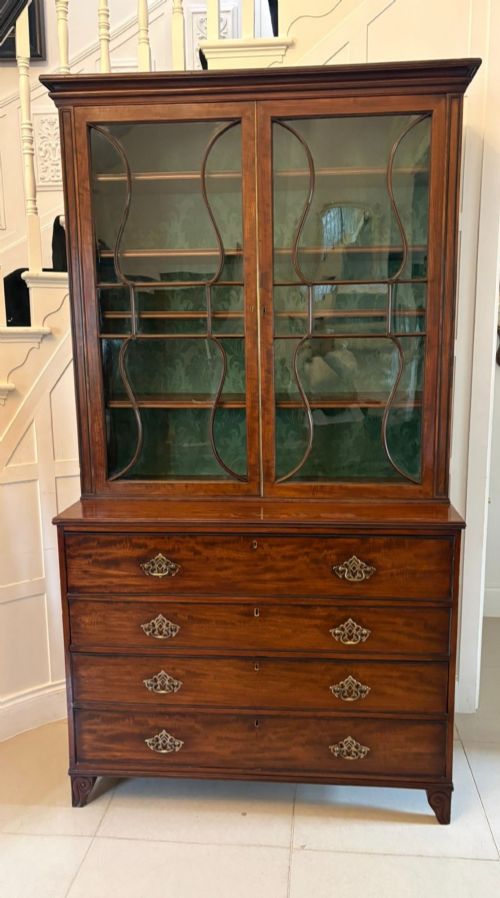
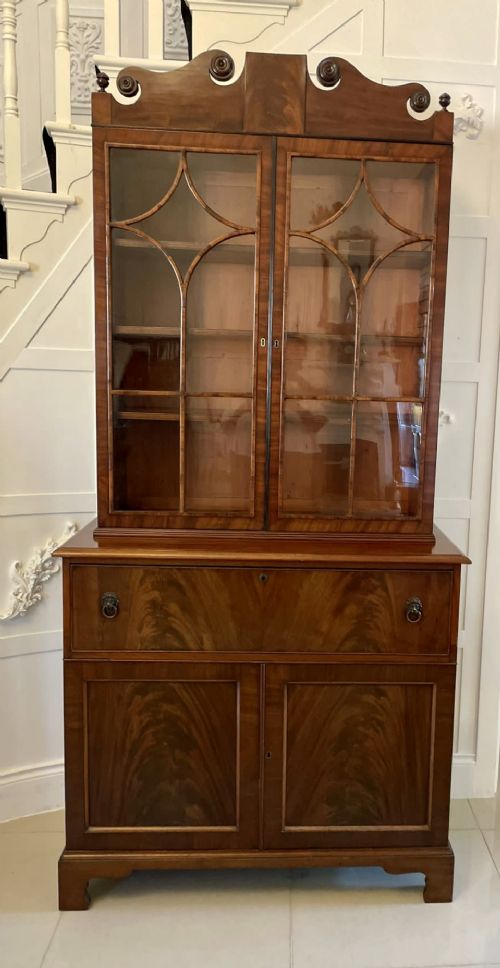
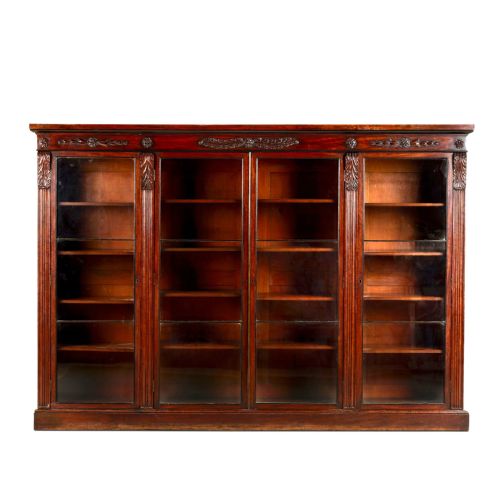
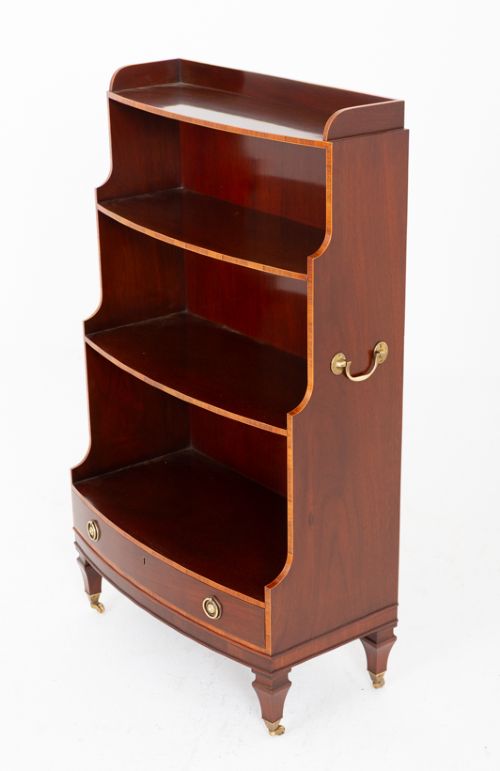
Regency mahogany display pieces bring structured timber and glass into a room, offering practical storage and surface display.
Regency Mahogany Display
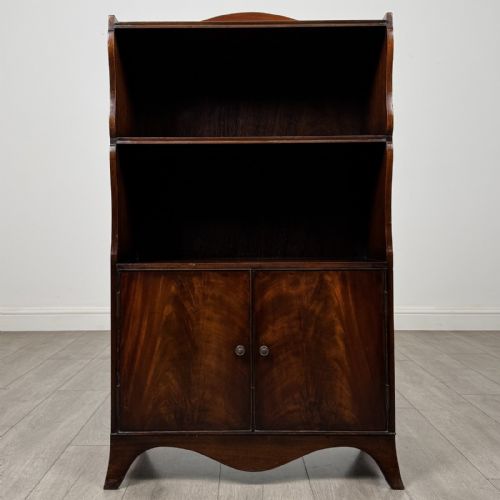
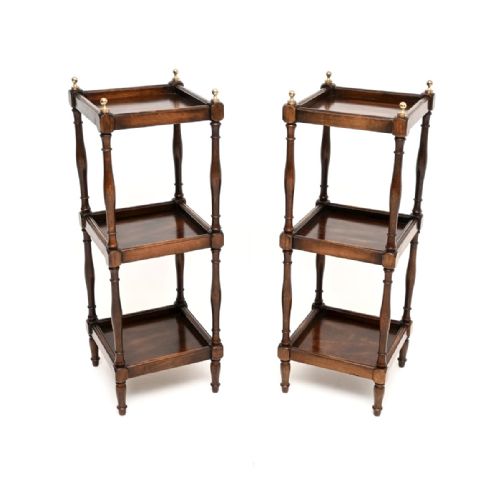
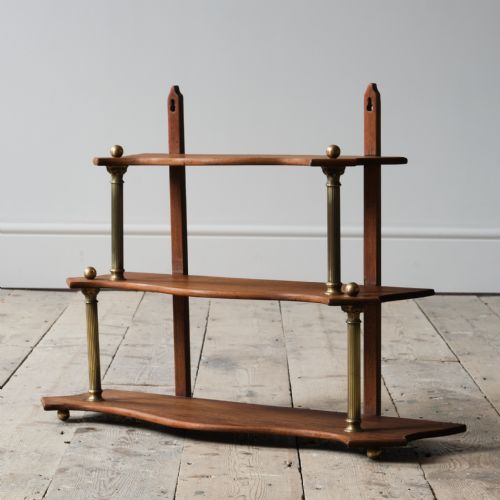
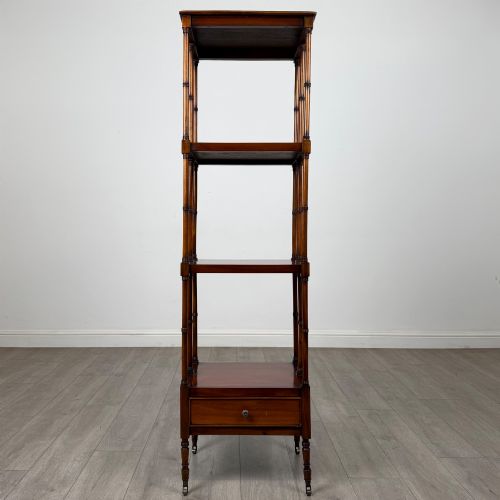
When you search for a regency mahogany display, you encounter a mix of tall bookcases, tiered what-nots, wall hanging shelves, and side cabinets designed to showcase books and objects. The period spans from the early nineteenth century through to later revivals, bringing formal architectural lines into domestic spaces.
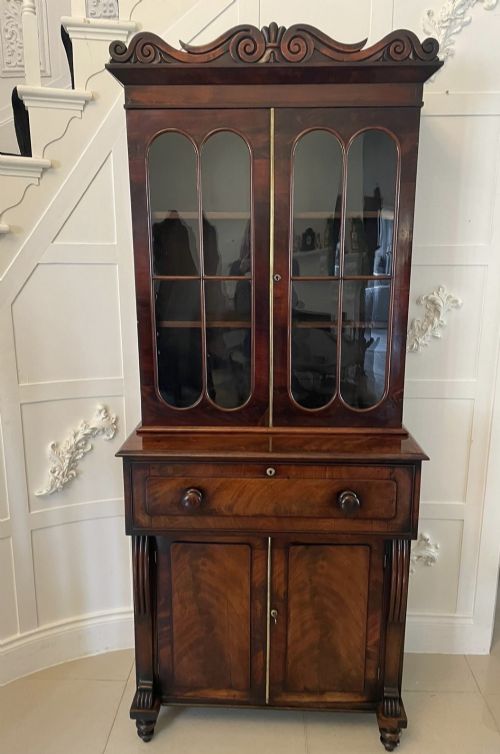
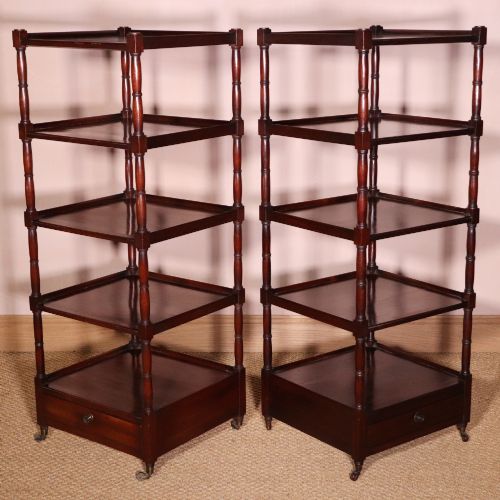
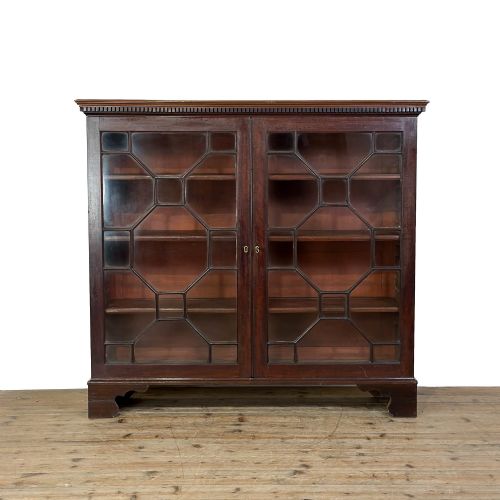
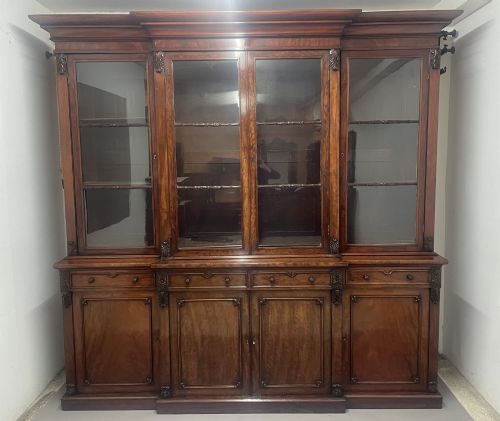
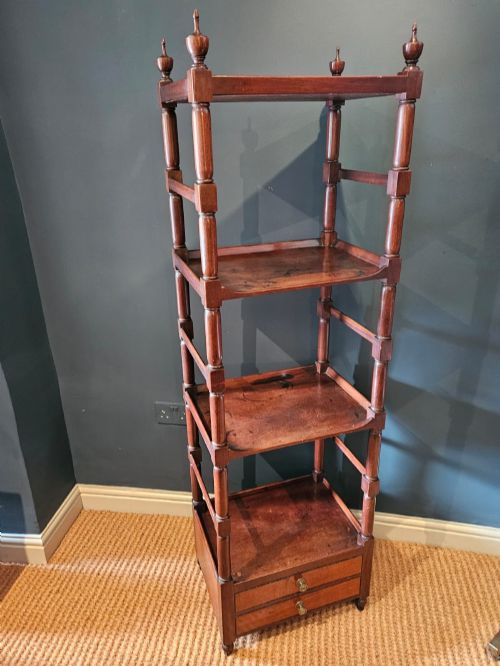
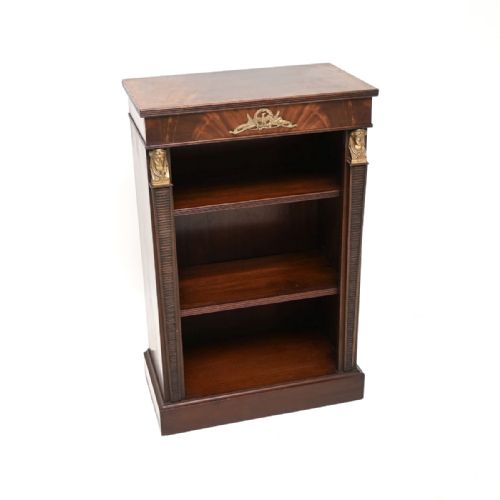
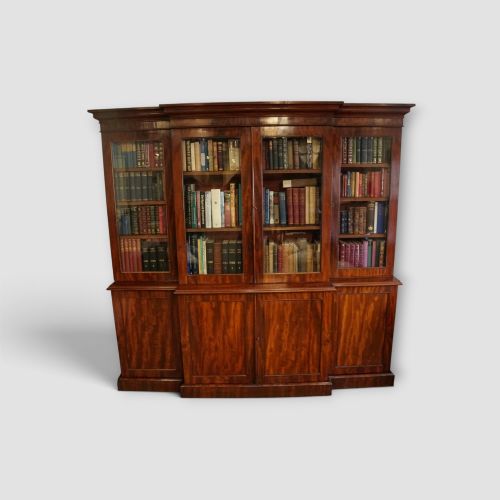
You are most likely to meet bookcases with glazed doors, open shelved bookcases, and multi-tiered étagères. These forms serve distinct rooms, whether holding a library in a study or displaying porcelain in a drawing room.
The materials balance dense dark woods with transparent glass, polished brass, and occasionally wire mesh or fabric linings. Makers from the original period sat alongside twentieth-century revival workshops producing pieces in these established forms.
Materials and construction
Makers constructed these pieces primarily from solid mahogany and flame mahogany veneers, utilising the rich grain patterns across large flat surfaces like bookcase doors and cabinet fronts. Secondary timbers such as pine or oak frequently appear in internal drawer linings and backboards.
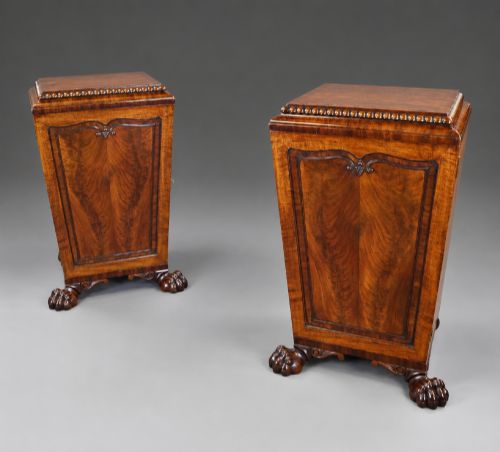
Decorative metal mounts in brass, bronze, and ormolu punctuate the dark timber, appearing on gallery rails, door grilles, and feet. Glass panels are held within astragal glazed frames, while tiered items incorporate turned brass supports between shelves.
Listings feature mahogany, brass, glass, bronze, and ormolu across periods ranging from the Georgian era through to 1930s revivals.
Judging the standard
Quality rests upon the selection of timber figures, where matched flame mahogany veneers demonstrate deliberate planning by the cabinetmaker. The crispness of carved mouldings and the integration of cast brass mounts distinguish standard production items from finer workshop output.
Interior fittings, such as adjustable shelving systems, pigeonholes within secretaire drawers, and original working locks with matching keys, indicate the level of care invested in the piece's construction.
Gillows·George Smith·Thomas Hope
The Regency Mahogany Display Glossary
- Secretaire bookcase
- A tall cabinet featuring a fitted pull-down writing drawer concealed behind a larger drawer front, positioned above shelving or lower cupboards.
- What-not
- An open tiered shelving unit used for displaying ornaments, books, or small objects across multiple levels.
- Breakfront
- A large cabinet design where the central section projects forward from the flanking outer sections, creating architectural depth.
- Astragal glazing
- Wooden or metal bars forming a lattice framework to hold individual panes of glass within a cabinet door.
- Ormolu
- Gilded bronze used for decorative mounts and furniture trim during the Regency and revival periods.
Regency Mahogany Display: Frequently Asked Questions
What is a regency mahogany display piece?
These items comprise bookcases, what-nots, and cabinets made from mahogany timber during the nineteenth century and later revival eras.
They combine timber storage with glass panels or open shelves designed to exhibit books and decorative objects.
How were these bookcases used historically?
Libraries and parlours utilised them to store bound volumes, folios, and collectible items away from dust while keeping them visible.
Secretaire variants provided a dual function as a compact writing desk alongside standard shelving.
How do I care for mahogany timber?
Keep wooden furniture away from direct heat sources and strong sunlight to prevent the timber and polished finishes from drying out.
Dust regularly with a dry cloth and apply occasional wax polish to maintain the sheen of the mahogany grain.
How can I tell original Regency from revival pieces?
Original pieces display period construction methods, hand-cut dovetails, and timber ageing consistent with the early nineteenth century.
Revival items from the Edwardian era or 1930s show mechanical fixings and different secondary woods despite copying the earlier styles.