



Regency Hearth Screen
A regency hearth screen guards against the fierce heat of an open fire while framing exquisite needlework panels.
Regency Hearth Screen
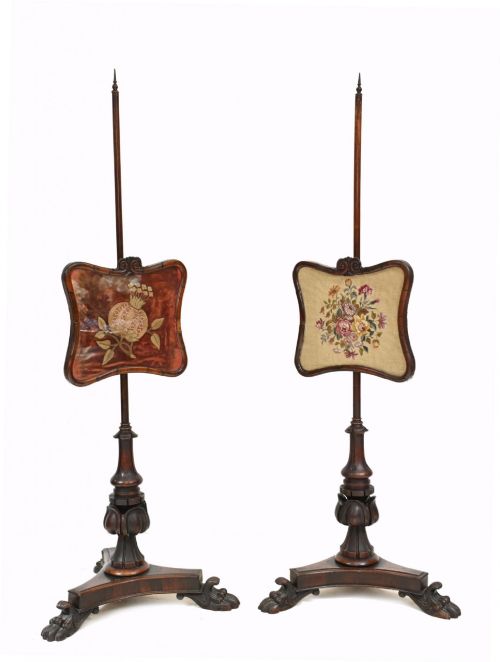
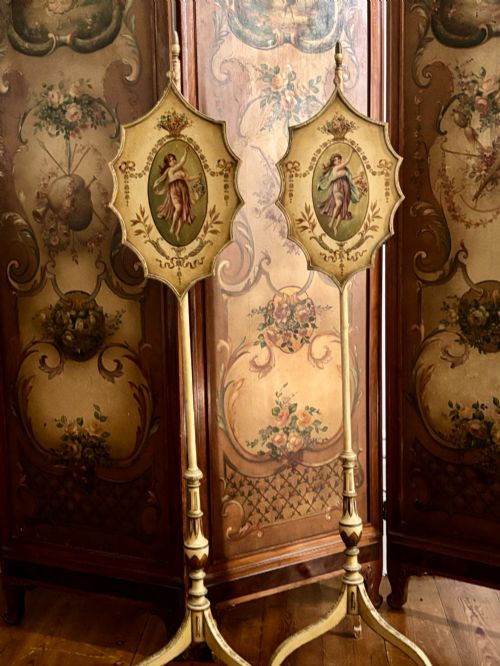
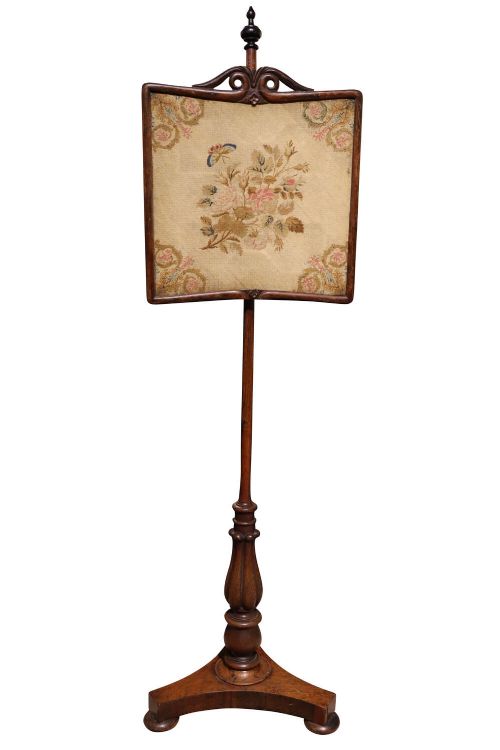
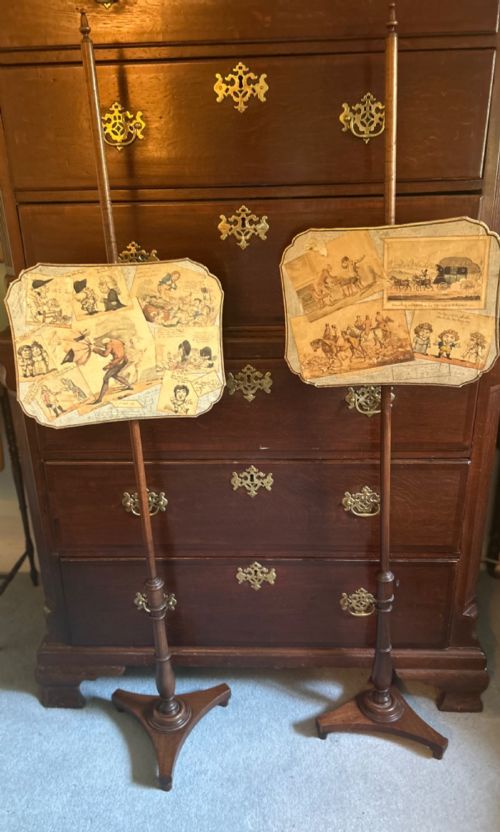
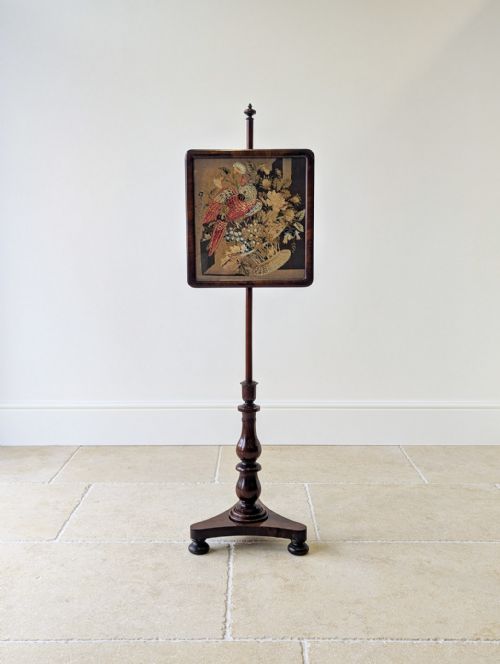
A regency hearth screen is primarily represented by pole screens and adjustable firescreens designed to stand near fireplaces. These pieces frequently date from the Regency period, Georgian era, and the wider nineteenth century, reflecting the prevailing interior fashions of their times.
Distinctions in craftsmanship and design
The refinement of the timber turning and the stability of the support base dictate the foundational quality of the piece. Superior examples exhibit finely carved details, such as spade feet and balanced tripod legs that securely hold heavy adjustable panels.
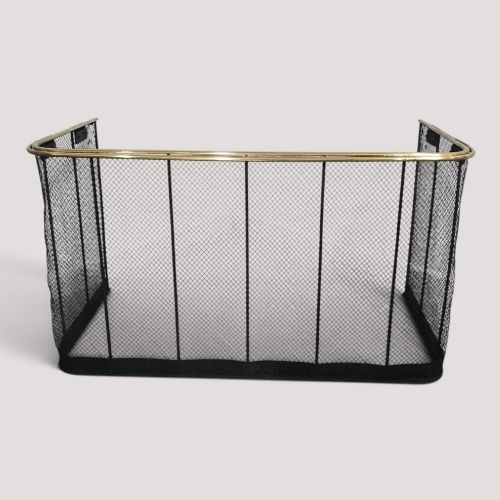
The artistry within the central panel creates a major division in quality, ranging from simple wire guards to meticulously worked needlepoint tapestries and original satirical prints. Cohesion between the cabinetwork and the mounted textile determines the overall visual success of the piece.
Regency Hearth Screen Retail Price Guide 2026
Typical asking prices for regency hearth screen among the pieces listed under this phrase on Sellingantiques today, from the lower quarter to the upper quarter. They describe what is for sale here now, not the wider market.
Some nineteenth-century screens doubled as fireside reflectors with polished glass, bouncing flickering light back into dimly lit rooms.
The Regency Hearth Screen Glossary
- Pole screen
- A vertical freestanding piece of fireside furniture with an adjustable sliding panel used to block radiant heat from the fireplace.
- Needlepoint
- Hand-stitched canvas work utilised for the decorative panels mounted within the wooden frames of firescreens.
- Palisander
- A dense, dark timber akin to rosewood, frequently employed by makers during the Regency period for polished cabinet furniture.
- Giltwood
- Timber treated with gold leaf or gold paint to create a brilliant decorative surface on ornate nineteenth century frames.
- Poker work
- A method of decorating wood by burning designs onto the surface with a heated metal tool, seen on specific panels.
Regency Hearth Screen: Frequently Asked Questions
What is a regency hearth screen used for?
These screens stood beside open fireplaces to shield occupants' faces from the intense radiant heat of coal or wood fires. They also served to protect delicate complexions and expensive furniture finishes from scorching.
Beyond utilitarian protection, the adjustable panels displayed skilled needlework and prints, adding decorative colour and texture to period drawing rooms when the hearth was unlit.
Where were they placed in a room?
They were positioned directly between seating areas and the fireplace mantel to intercept excess heat before it reached guests. Homeowners moved them closer or further away depending on the intensity of the fire.
Because they occupied prominent positions near the hearth, makers ensured both the front and back of the wooden frame and panel received careful finishing.
How do I identify Regency pieces?
Regency items often display classical restraint, balanced proportions, and dark polished woods like rosewood and mahogany. Details frequently include reeded poles, brass mounts, and subtle carved accents on tripod bases.
Comparing construction joints, timber ageing, and textile types helps differentiate genuine early nineteenth century examples from later Victorian revivals or modern reproductions.