
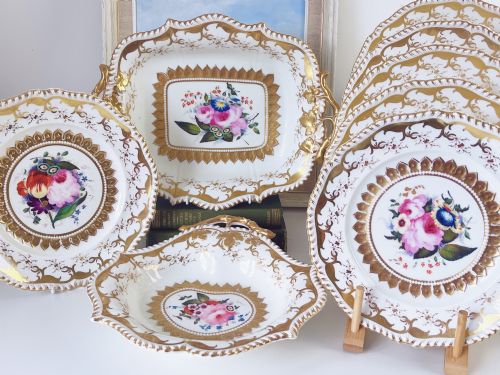
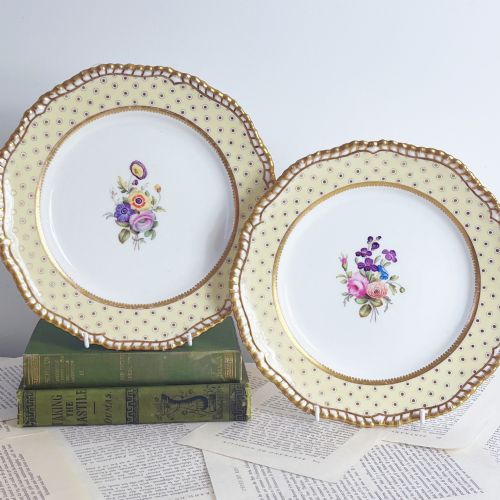
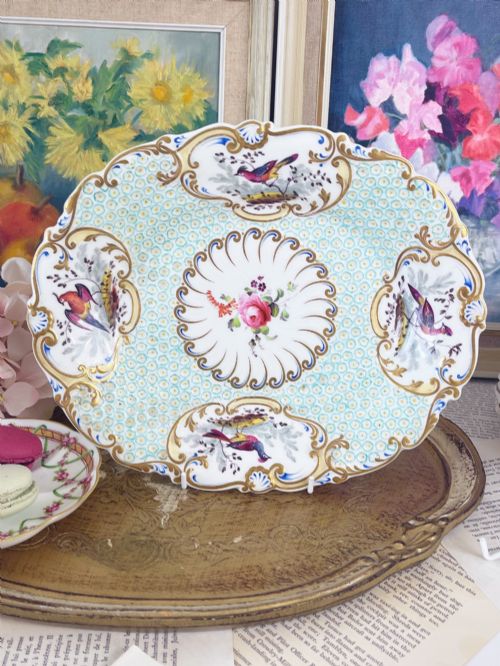
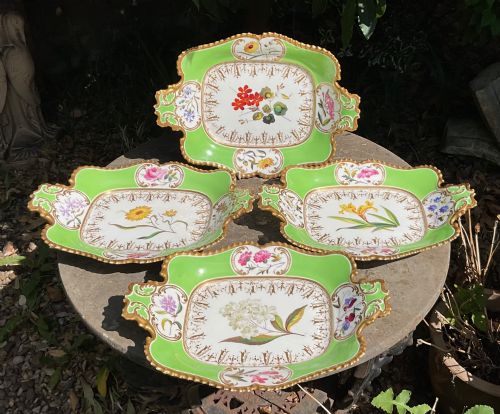


Regency Hand Painted Plate
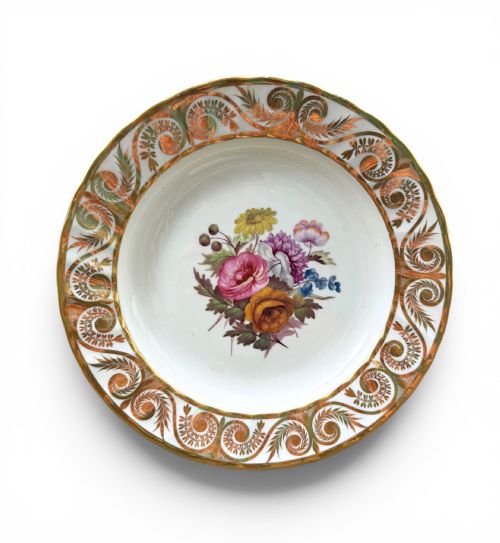
A regency hand painted plate brings the refined botanical and topographical artistry of the early nineteenth century directly to the dining table.
Regency Hand Painted Plate
A regency hand painted plate encompasses a range of ceramic forms designed for desserts, cabinet display and formal service during the Georgian and Regency periods. The selection focuses heavily on porcelain and ironstone dishes originating from notable factories between eighteen hundred and eighteen thirty.
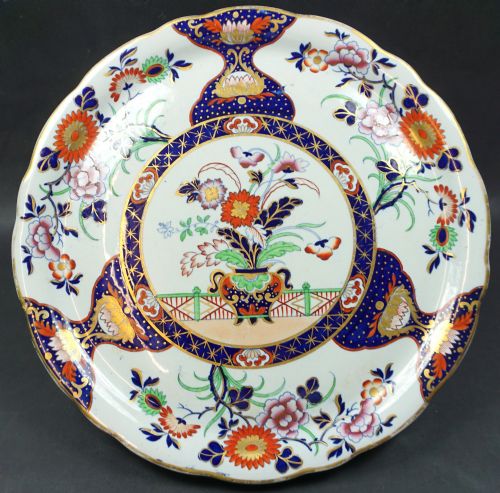
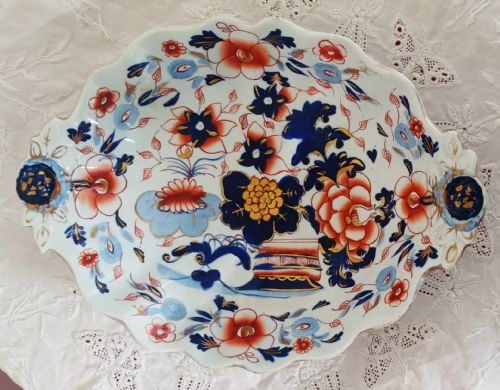
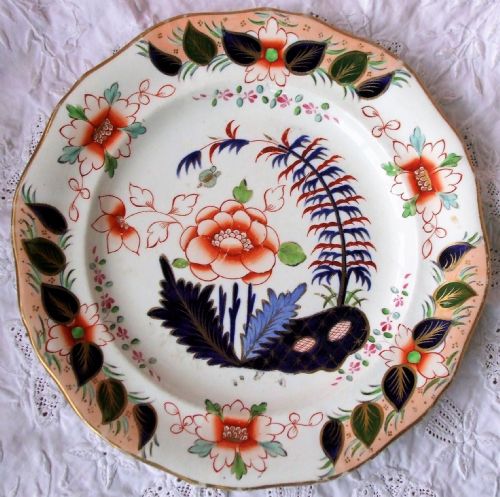
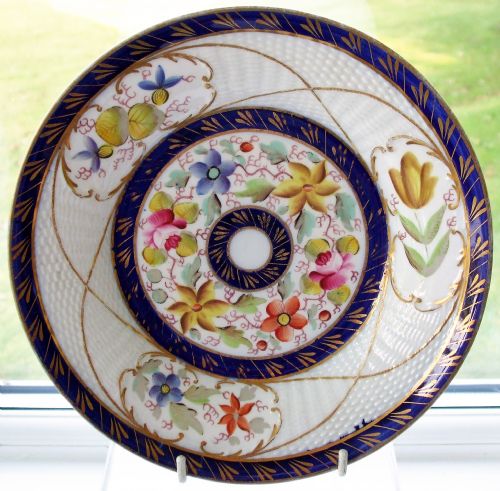
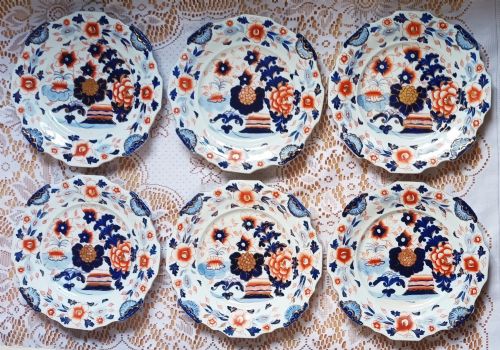
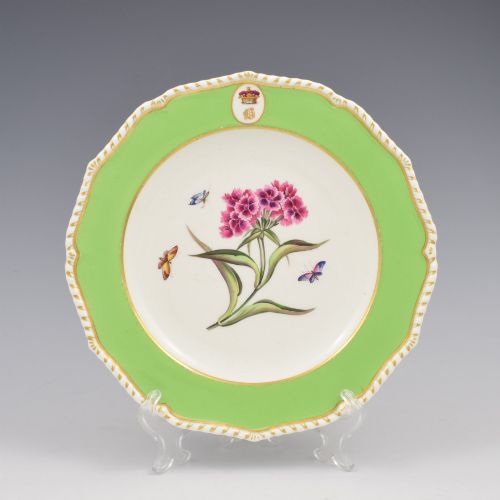
Cabinet plates, dessert plates and serving dishes dominate the listings, frequently decorated with botanical specimens, armorial crests or hand-coloured Chinoiserie patterns. These domestic items reflect the tastes of early nineteenth century households through carefully rendered birds, butterflies and floral sprays.
Most examples date from the Regency era proper or the broader nineteenth century, showcasing the output of factories such as Worcester, Derby and Coalport. Buyers encounter individual plates alongside matched pairs and partial dessert services.
How they were made
Makers utilised fine porcelain, bone china and dense ironstone as the primary bodies for these plates, shaping them on potter's wheels or pressing them into moulds. Artisans then applied enamel paints by hand, often incorporating gold leaf and rich gilding to accent borders and motifs.
Firing techniques of the period required multiple kiln stages to set the underglaze patterns and fix the delicate overglaze enamels. Specialised painters executed intricate botanical studies and topographical scenes directly onto the glazed surface before a final low-temperature firing.
Listings feature porcelain, bone china and ironstone plates decorated with hand-painted flora, birds and armorial crests across the nineteenth century.
What varies in quality
The sophistication of the hand painting sets the standard, distinguishing meticulous botanical and ornithological studies from repetitive factory decoration. Superior pieces bear the signature or distinct hand of accomplished artists like Thomas Steele or Moses Webster.
The quality of the porcelain body and the richness of the gilding further divide the range. Fine translucent bone china and heavily gilt armorial designs represent the upper tier of nineteenth century production compared to utilitarian ironstone.
Grainger Lee And Co·Spode·H And R Daniel·Wedgwood·Chamberlains Worcester·Derby·Hicks And Meigh·John Davenport·New Hall·Bloor Derby·Barr Flight And Barr·Minton·Coalport·Flight Barr And Barr·Ridgway·Nantgarw·Masons
The Regency Hand Painted Plate Glossary
- Cabinet plate
- A decorative ceramic plate intended primarily for display in a cabinet rather than for dining use. These pieces often feature elaborate hand-painted landscapes or botanical studies.
- Armorial
- A ceramic design incorporating a family coat of arms or crest. Such plates were custom-ordered by landed families to display lineage during formal meals.
- Ironstone
- A heavy, durable type of earthenware patented in the nineteenth century to imitate Chinese porcelain. It provides a robust surface for transfer-printed and hand-coloured patterns.
- Felspar
- A specific porcelain composition developed by Spode containing feldspathic rock. This mixture produced a durable, bright white body suited for delicate enamel painting.
- Gilding
- The application of gold leaf or gold paint to ceramic borders and handles. Skilled artisans burnished the gold after firing to achieve a bright metallic finish.
Regency Hand Painted Plate: Frequently Asked Questions
Can I use these antique plates for dining?
While these plates were originally created for dining and dessert service, modern use risks damaging delicate nineteenth-century enamel paints and historic gilding.
Most collectors prefer to exhibit them as cabinet pieces or use them only on special occasions to preserve the hand-painted surfaces.
How do I identify a Regency plate?
Regency plates typically date between eighteen eleven and eighteen twenty, identifiable by classical shapes, apple green or cobalt borders, and botanical or topographical paintings.
Factory marks on the reverse, often painted or impressed into the paste, help confirm the precise period of manufacture.
What is the difference between porcelain and ironstone?
Porcelain is a vitrified, translucent ceramic body that offers a delicate canvas for fine hand-painted botanical studies and armorial crests.
Ironstone is a much heavier, opaque earthenware designed for durability, frequently utilised for colourful Japan pattern serving dishes and meat platters.
How should I display my plates?
Displaying these plates requires stable plate hangers lined with protective material or secure wall brackets designed for antique ceramics.
Keep them away from direct sunlight and areas of high humidity to protect the integrity of the enamel colours and gold leaf.