
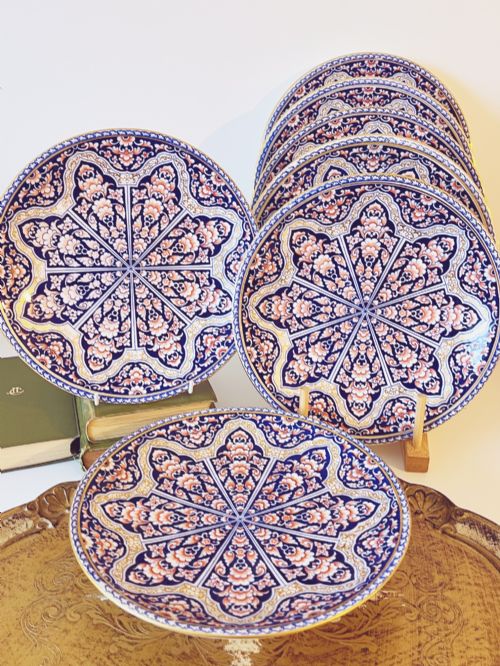
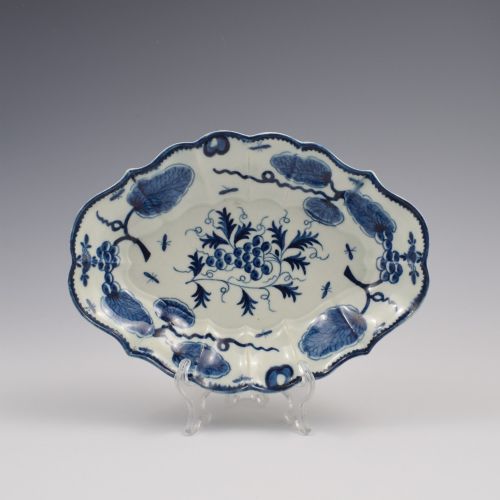


Cobalt Porcelain Dessert Plate
These cobalt porcelain dessert plate pieces combine rich blue grounds with fine hand-painted details, offering an authentic touch of historic dining tables.
Cobalt Porcelain Dessert Plate
When you search for a cobalt porcelain dessert plate, you encounter items designed for serving the final course of formal meals during earlier centuries. The selections on this page range across the eighteenth and nineteenth centuries, featuring works from English factories like Worcester, Coalport, and Derby alongside continental interpretations.
Forms span from individual dessert plates and cabinet plates to larger serving dishes and matched dessert services. These pieces often feature deep cobalt blue ground colours, sometimes paired with botanical studies, armorial crests, or oriental-inspired patterns.
The periods represented stretch from the eighteenth century through the Georgian, Regency, and Victorian eras into the early twentieth century. Buyers will find both single display items and assembled sets intended for cabinet display or traditional table use.
How they were made
Makers utilised hard-paste and soft-paste porcelain, along with bone china and ceramic bodies, fired in kilns to achieve a dense, vitrified base. The characteristic cobalt blue colour was applied under the glaze or as an enamel ground before subsequent firings fixed the pigment.
Many items incorporate hand-painted enamel decoration and applied gold leaf accents to highlight the cobalt borders and central motifs. Skilled artisans painted botanical specimens, birds, and armorials directly onto the glazed porcelain surface.
Listings feature porcelain from the eighteenth, nineteenth, and early twentieth centuries, incorporating both soft-paste and bone china bodies.
What varies in quality
The refinement of the hand-painted details separates standard factory output from exceptional works signed by known artists. Precision in the gilding and the depth of the cobalt glaze determine the visual impact of each piece.
Completeness within a service and the crispness of the porcelain moulding also influence the character of the objects. Earlier eighteenth-century bodies exhibit different translucency compared to later nineteenth-century bone china productions.
Royal Crown Derby·Coalport·Chamberlain Worcester·Bloor Derby
The Cobalt Porcelain Dessert Plate Glossary
- Soft-paste porcelain
- An early ceramic composition fired at lower temperatures than hard-paste, resulting in a warmer, softer appearance and distinctive glaze pooling. It was widely used by eighteenth-century English potteries.
- Enamel
- Vitreous coloured paints applied over the fired glaze and fixed in a muffle kiln. This technique allowed for vibrant botanical and pictorial scenes on dessert plates.
- Gold leaf
- Thin sheets of hammered gold applied to the rim or border motifs for ornamentation. It adds a reflective quality that contrasts with deep cobalt grounds.
- Comport
- A raised dish or bowl used for serving fruit or sweetmeats as part of a dessert service. They frequently accompany matching plates.
- Armorial
- A heraldic crest or coat of arms painted onto the centre or border of porcelain. These bespoke commissions indicate the original high-status owner.
Cobalt Porcelain Dessert Plate: Frequently Asked Questions
How do I date a cobalt porcelain dessert plate?
Dating relies on factory marks stamped or painted on the reverse, combined with the style of the paste and the painting technique. Eighteenth-century pieces often show different translucency and potting traits compared to Victorian examples.
Examining the cobalt tone and the composition of the gilding also helps place the item within specific periods like the Georgian or Regency eras.
Can I use these plates for serving food?
While these items were originally created for dining, age and historic enamels mean modern use is generally discouraged. Hand-washing is essential to preserve the delicate gold leaf and painted details.
Most collectors prefer to display cabinet plates on stands or keep them safely within vitrines to protect the glaze.
What is the difference between a plate and a comport?
Plates are flat vessels intended for individual portions during the dessert course. They form the core of any standard dessert service.
Comports feature a pedestal foot, elevating the serving surface to create height and visual interest in the centre of the table arrangement.
Are matched sets common for antique dessert services?
Many surviving services have been assembled over time or reduced from larger original sets due to breakages over the centuries. Finding a complete service with matching date marks is uncommon.
Individual plates and smaller groupings provide an accessible entry point for collectors interested in specific factories.