


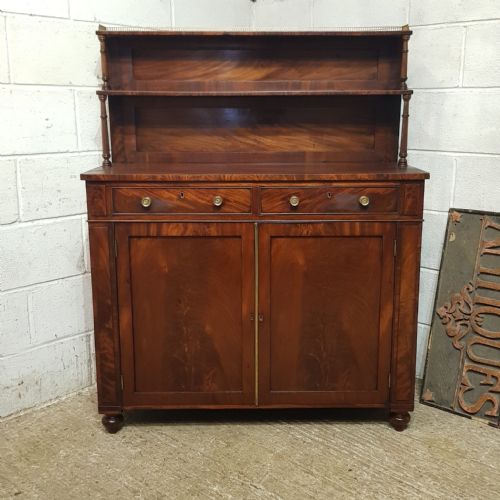
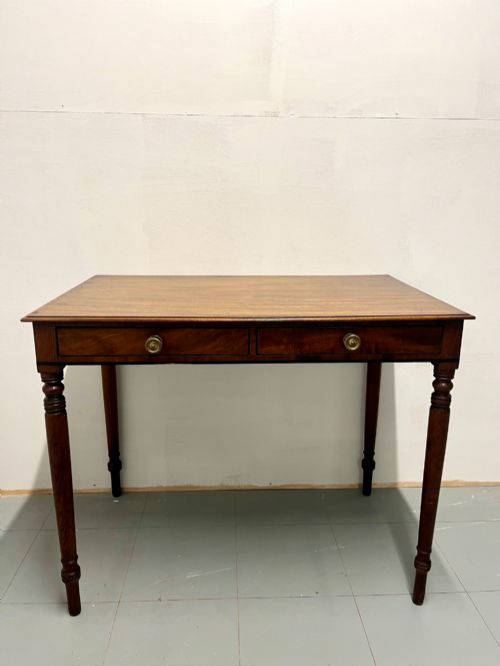
Regency Hall Furniture
Regency hall furniture brings architectural grace and dense timbers to a proper entrance, combining functional seating and tables from the early nineteenth century.
Regency Hall Furniture
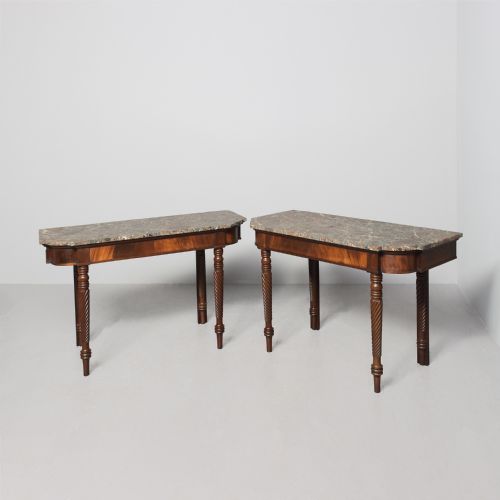
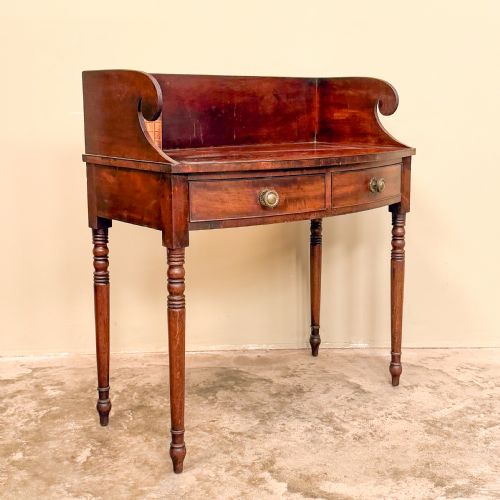
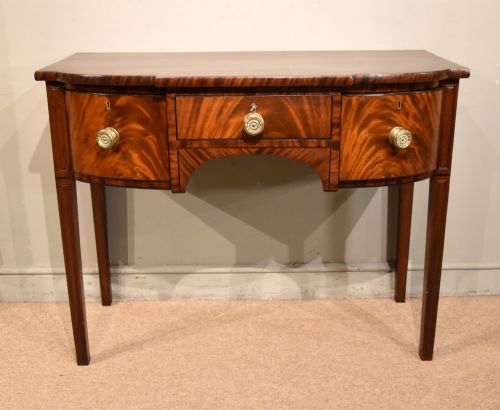
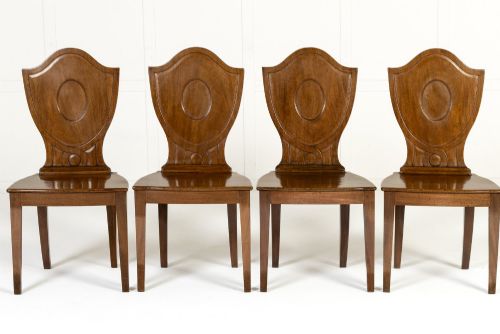
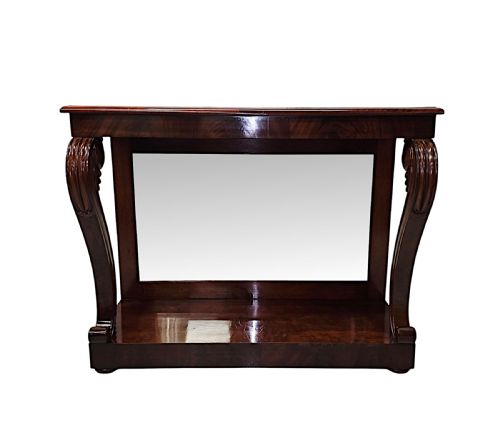
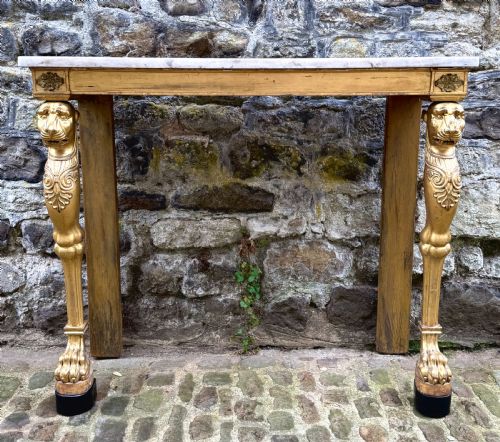
When seeking regency hall furniture, buyers encounter pieces designed for grand entrances, reception spaces, and corridors during the early nineteenth century. The selection spans robust oak and mahogany hall benches, marble-topped console tables, and carved reception chairs intended to greet visitors. Such pieces establish an immediate architectural tone within a property through formal lines and classic proportions.
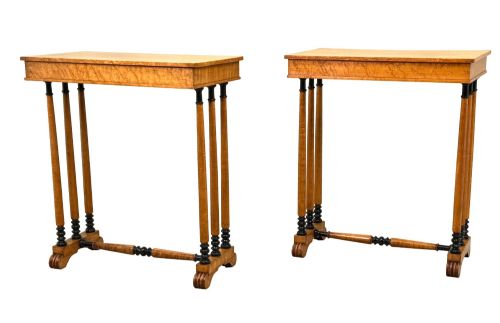
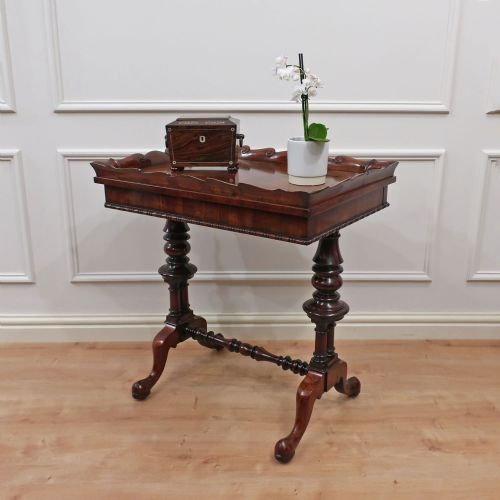
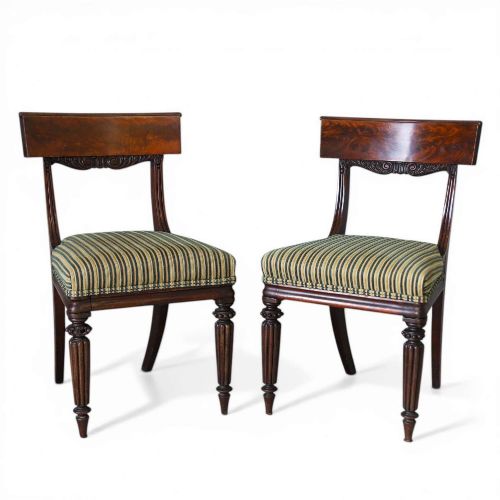
The most common forms on this page include console tables, window seats, and side chairs spanning the Regency and William IV periods. Pieces often feature distinct regional characteristics, such as Scottish or Irish workshop traits, alongside standard English production. These items bridge domestic utility with decorative display, serving as practical surfaces and seating in high-traffic areas.
How they were made
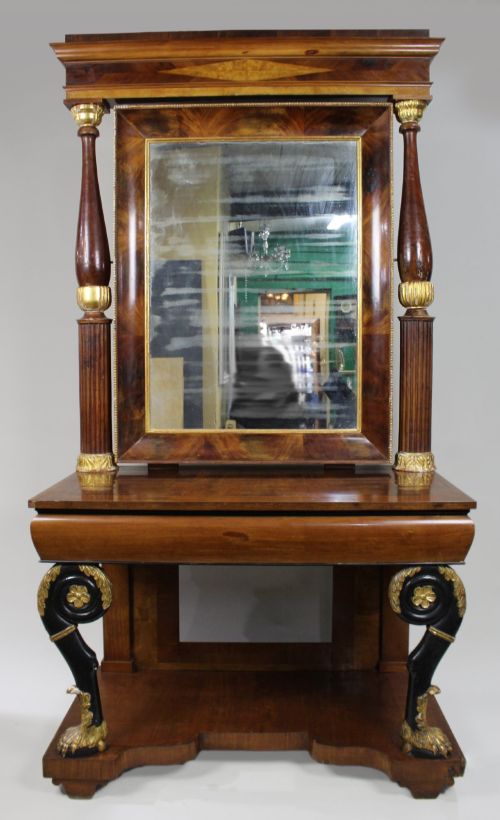
Cabinet makers utilised dense native and imported timbers, principally mahogany, rosewood, and oak, often enhanced with satinwood or birdseye maple veneers. Crossbanding and parcel gilding provided contrast on tables and console frames, while brass mounts added structural and decorative accents.
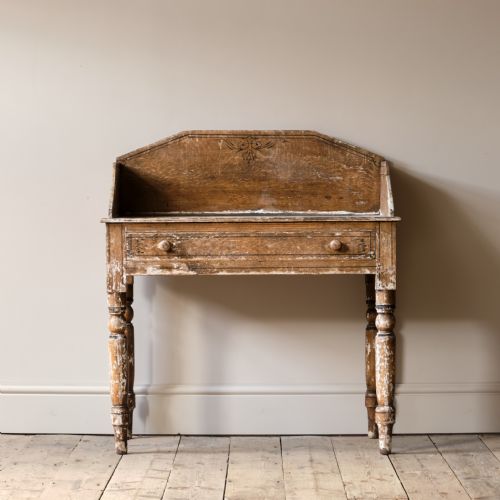
Joinery relied on traditional framing techniques to support heavy marble tops and frequent use in hallways. Turned legs, carved backsplats on chairs, and inset panels demonstrate the cabinet maker's mastery of proportion during the early nineteenth century.
Several items include painted bamboo chairs, proving that early nineteenth-century halls enjoyed a surprising touch of botanical whimsy.
What varies in quality
The standard of timber selection largely dictates a piece's standing, with heavily figured mahogany and rich rosewood marking the upper tier. Superior examples exhibit crisply carved details, such as leaf motifs or reeded legs, executed with precision rather than mechanical repetition.
Structural integrity and the retention of original elements, including marble tops or brass mounts, separate fine items from standard utilitarian pieces. Attribution to known makers or documented regional workshops adds considerable weight to an object's pedigree.
Gillows·Gillingtons of Dublin·James Mein of Kelso
The Regency Hall Furniture Glossary
- Console table
- A table designed to stand against a wall, frequently supported by front legs or brackets while relying on the wall for stability.
- Gueridon
- A small round table, often supported by a central pillar or figural base, popular during the Regency period for display.
- Parcel gilt
- Partially gilded with gold leaf or powder to highlight specific carved details, mouldings, or architectural motifs.
- Satinwood
- A durable, lustrous timber with a yellowish or golden sheen, utilised extensively for veneers and decorative inlay work.
- Crossbanding
- A strip of veneer laid around the border of a table top or drawer front with the grain running perpendicular to the centre.
Regency Hall Furniture: Frequently Asked Questions
What defines regency hall furniture?
This category encompasses tables, benches, and chairs intended for entrance spaces and corridors during the early nineteenth century. The style draws heavily on classical antiquity, featuring restrained ornamentation and balanced proportions.
Pieces rely on dark timbers like mahogany and rosewood, occasionally accented with brass mounts or gilt details. They reflect a period when domestic architecture placed significant emphasis on formal reception areas.
How do I place a console table?
Console tables sit flush against a wall in hallways, reception rooms, or dining spaces, often paired with a matching pier mirror above. Their shallow depth allows them to occupy narrow circulation spaces without obstructing movement.
Because many feature marble tops, they provide a durable, hard-wearing surface for lamps, trays, and decorative objects. Placing one in an entrance establishes an immediate focal point for visitors.
Where were hall benches used?
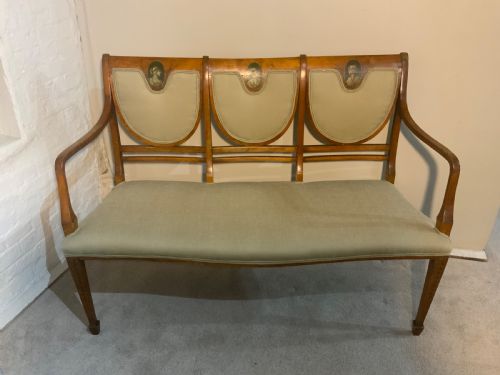
Hall benches and window seats served as formal seating in grand hallways, stair landings, and reception rooms of nineteenth-century homes. They provided a place for guests to sit while waiting or removing outerwear.
Many examples feature solid timber construction with carved backs or upholstered seats, combining sturdy utility with decorative presence. Their long proportions suit placement beneath tall hallway windows or along blank corridor walls.
How do I distinguish William IV from Regency?
William IV pieces generally exhibit heavier proportions and bolder, more robust carving than earlier Regency items. While Regency design favoured refined classical restraint, the subsequent William IV era embraced broader scrolls and heavier mahogany or rosewood forms.
Dates typically span the 1820s through the 1830s, bridging the transition toward early Victorian taste. Examining the scale of the turnings and the weight of the timber helps clarify the specific period.