

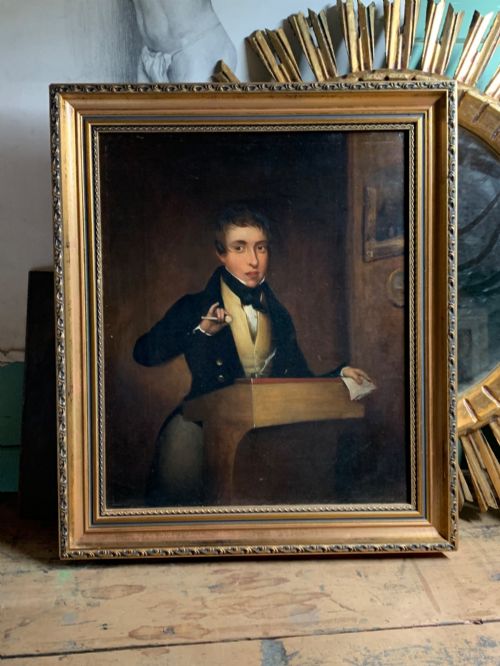


Regency Gentleman Painting
A regency gentleman painting captures the distinct character and sartorial elegance of the period through oil on canvas or delicate watercolour.
Regency Gentleman Painting
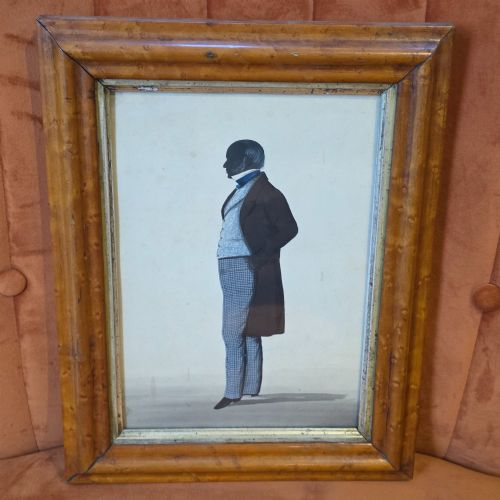
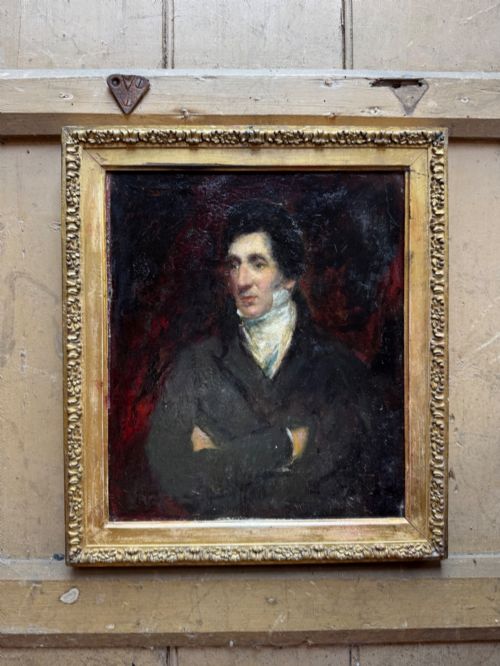
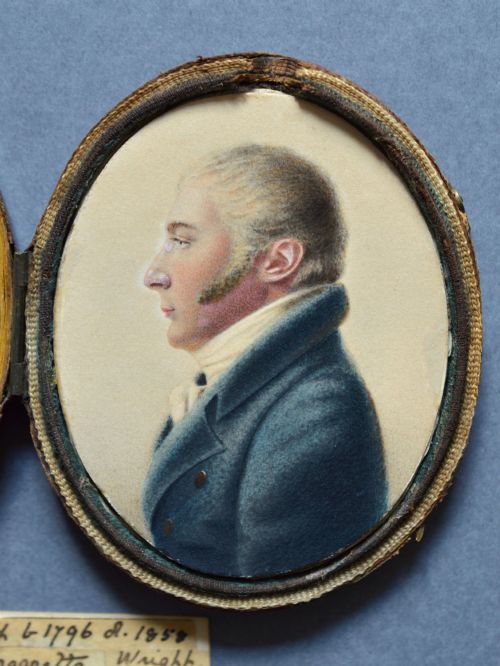
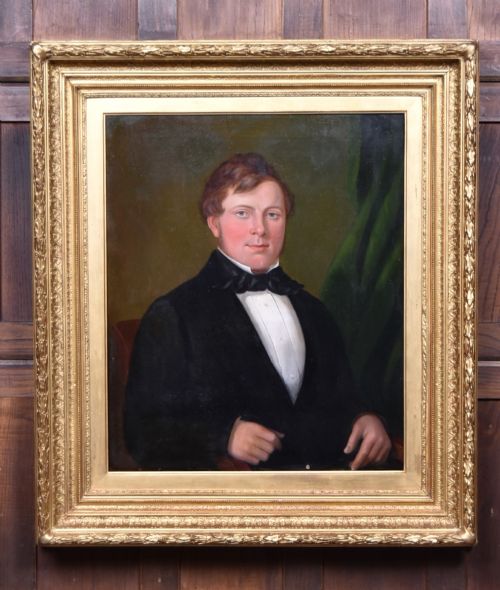
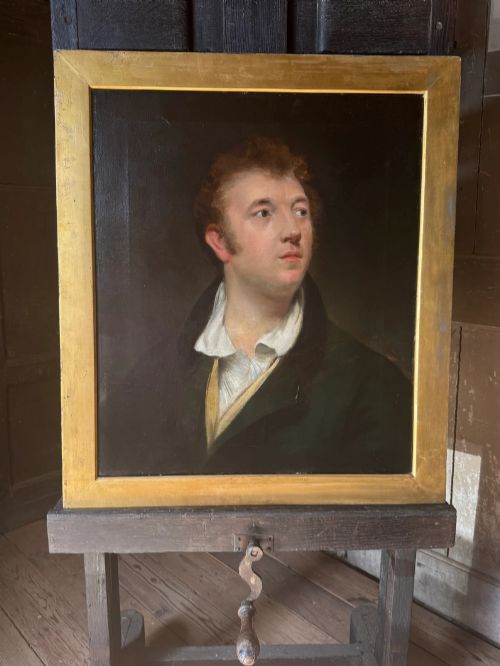
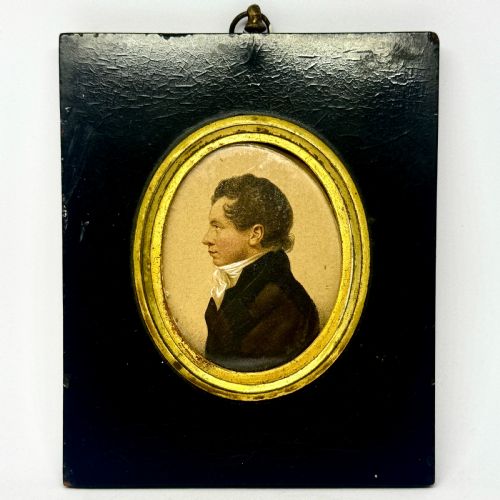
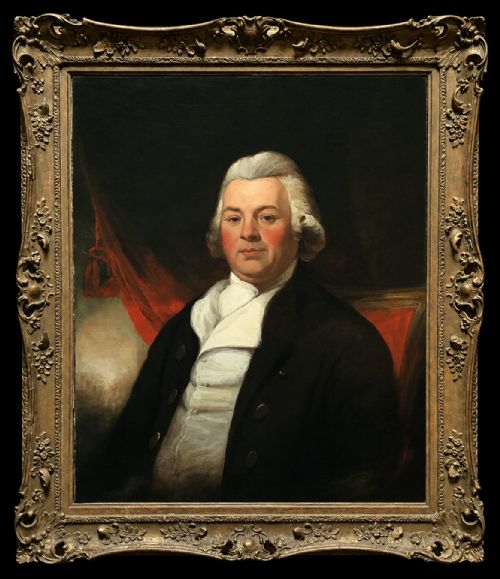
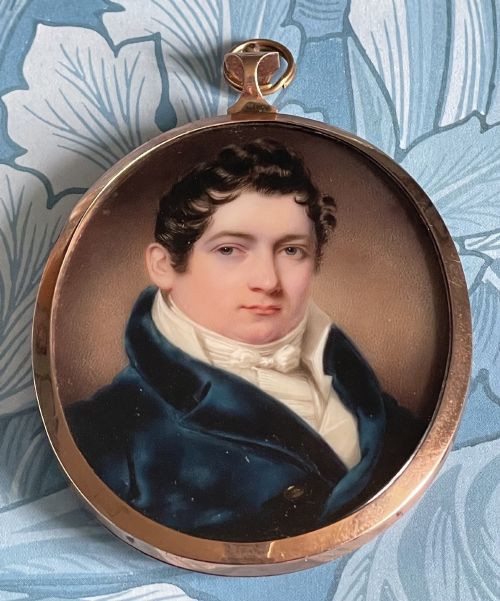
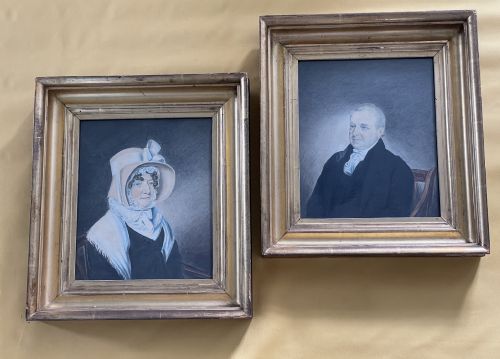
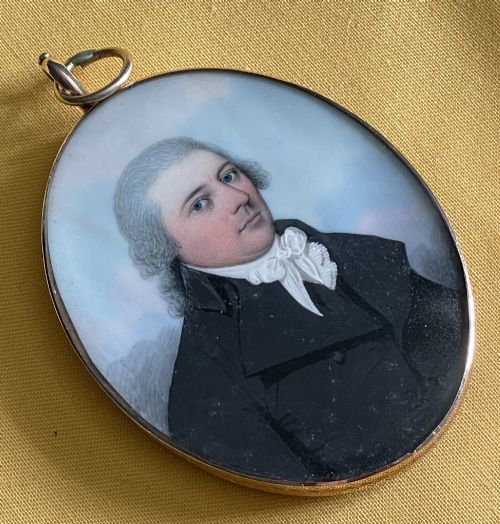
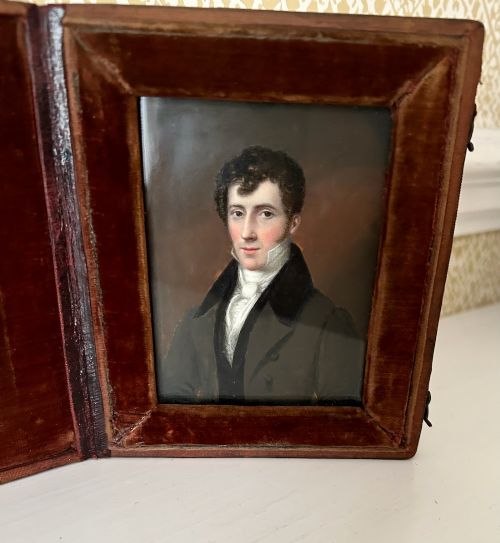
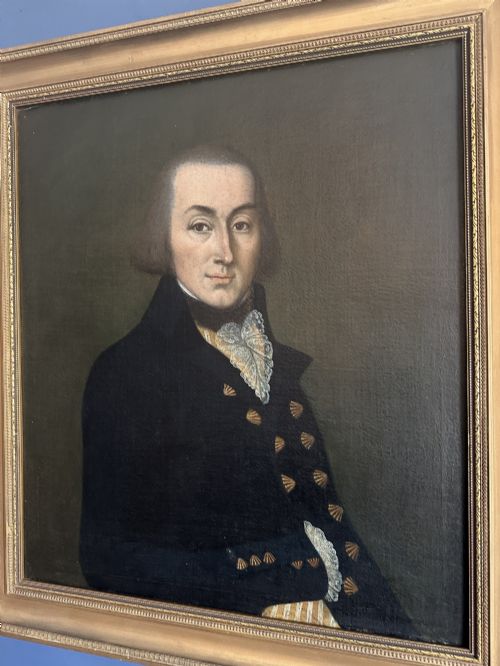
A regency gentleman painting captures the likeness of male sitters from the Georgian and Regency eras, often rendered in oil on canvas or watercolour on paper. These works document the attire, military uniforms, and social standing of the subjects through formal portraiture and intimate miniature formats.
The pieces encountered on this page range from full-sized oil paintings by named British and Scottish artists to smaller silhouette works and portrait miniatures set in gilt metal or gold frames. Such portraits often present sitters in half-length or seated poses, reflecting the conventions of nineteenth-century portraiture.
Beyond formal oils, the selection encompasses naive school studies and regional works originating from British, French, and Austrian schools. Buyers frequently encounter companion pieces, military officers, and country gentlemen captured during the early nineteenth century.
Materials and Construction
Many smaller portraits and miniatures incorporate specialised housings, including giltwood frames, gilt metal stands, and pearl-set gold mountings. These protective enclosures utilise glass and paper backings to preserve the delicate pigments of the watercolour or miniature painting over centuries.
Regency Gentleman Painting Retail Price Guide 2026
Typical asking prices for regency gentleman painting among the pieces listed under this phrase on Sellingantiques today, from the lower quarter to the upper quarter. They describe what is for sale here now, not the wider market.
The archive and active listings include Scottish, French, and Austrian school portraits alongside traditional British works.
Assessing Quality and Execution
Quality in these portraits rests upon the anatomical proportion, the rendering of light on fabric, and the psychological depth captured in the sitter's expression. Master works display subtle tonal gradations in the skin and clothing, whereas naive or provincial examples prioritize flat planes and simplified outlines.
The sophistication of the mounting also distinguishes the piece, as demonstrated by hand-cut silhouettes, original giltwood frames, and precious metal cases set with pearls. The presence of identifiable signatures, artist attributions, or period labels on the reverse elevates the historical value of the artwork.
SIR WILLIAM BEECHEY R.A·JAMES HOWE·GEORGE WATSON·JOHN C D ENGLEHEART·FREDERICK BUCK·J F MARIE HUET VILLIERS·GEORGE HARGREAVES·THOMAS WOOLNOTH·GEORGE CHINNERY·GEORGE ENGLEHEART·JOHN INIGO WRIGHT·ROLINDA SHARPLES
The Regency Gentleman Painting Glossary
- Oil on Canvas
- A traditional painting medium where pigments suspended in drying oils are applied to a woven fabric support. This combination allowed artists to achieve rich colour depths and smooth blending.
- Portrait Miniature
- A small, highly detailed painting, typically executed on ivory, vellum, or paper. These portable likenesses were often housed in protective lockets or stands.
- Silhouette
- A profile portrait cut from black paper or painted onto a light background. This technique gained immense popularity during the Georgian and Regency periods.
- Giltwood
- Wood that has been coated with a thin layer of gold leaf or gesso and gold paint. It was commonly used for framing fine oil paintings and mirrors.
- Watercolour
- A painting method in which the paints are made of pigments suspended in a water-soluble vehicle. Artists used this medium on paper for delicate, translucent portraiture.
Regency Gentleman Painting: Frequently Asked Questions
What is a regency gentleman painting?
A regency gentleman painting is an original portrait from the late eighteenth or nineteenth century depicting a male subject in the fashion of the era.
These artworks include oil on canvas, watercolours, and portrait miniatures created by British, Scottish, and continental European schools.
How were portrait miniatures housed?
Portrait miniatures were frequently set into protective enclosures such as gold frames, gilt metal stands, or lockets.
Many of these pieces incorporate glass fronts and delicate paper backings to shield the fragile painted surfaces from dust and handling.
How do I identify a military portrait?
Military portraits usually depict the sitter wearing a distinct regimental uniform, often featuring specific braiding, epaulettes, or medals.
Artists frequently noted the military rank or regiment in the accompanying title or on period inscriptions found on the reverse of the frame.
What is a silhouette portrait?
A silhouette portrait is a profile likeness cut from dark paper or painted directly onto a light background.
During the Regency period, these hand-cut works were executed with great precision to capture the distinct facial profile and hairstyle of the gentleman.