
Regency English China Plate
When you handle a regency english china plate, you hold the refined porcelain and ironstone table art of the early nineteenth century.
Regency English China Plate
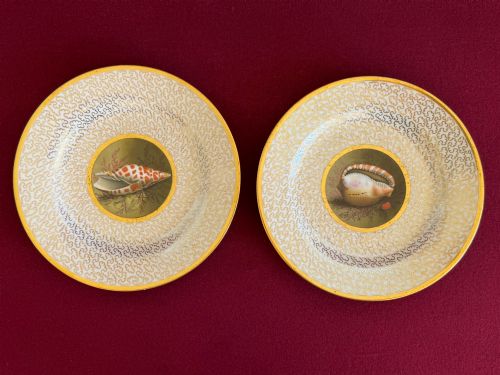
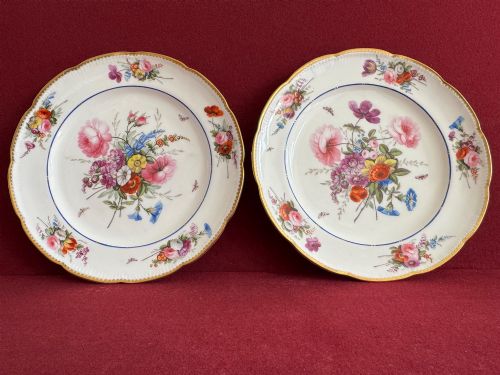
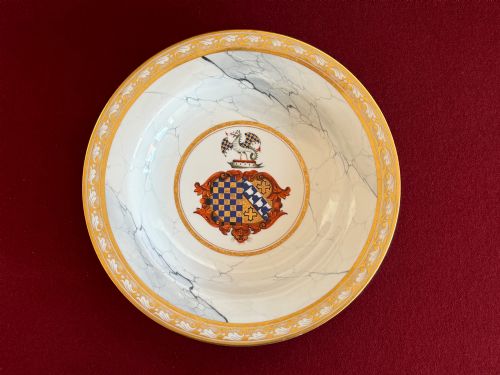
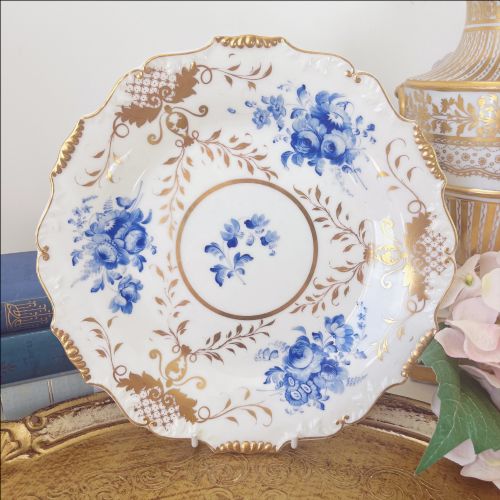
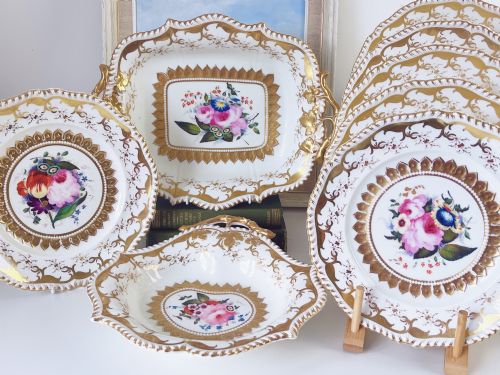
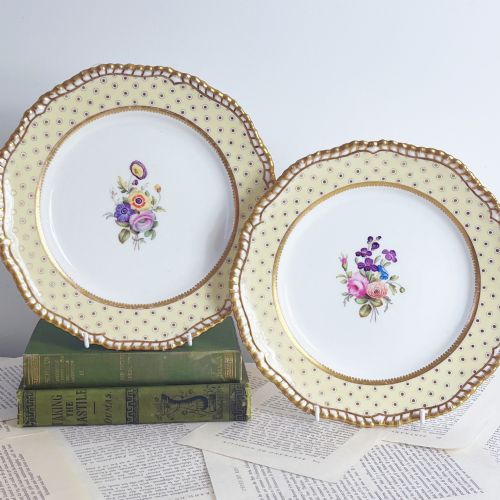
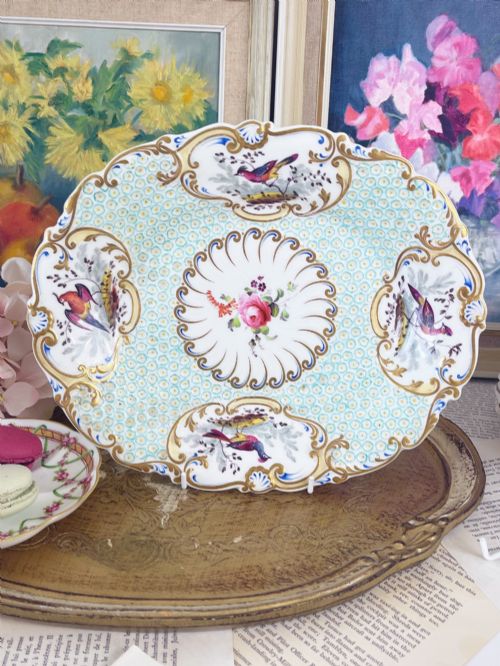
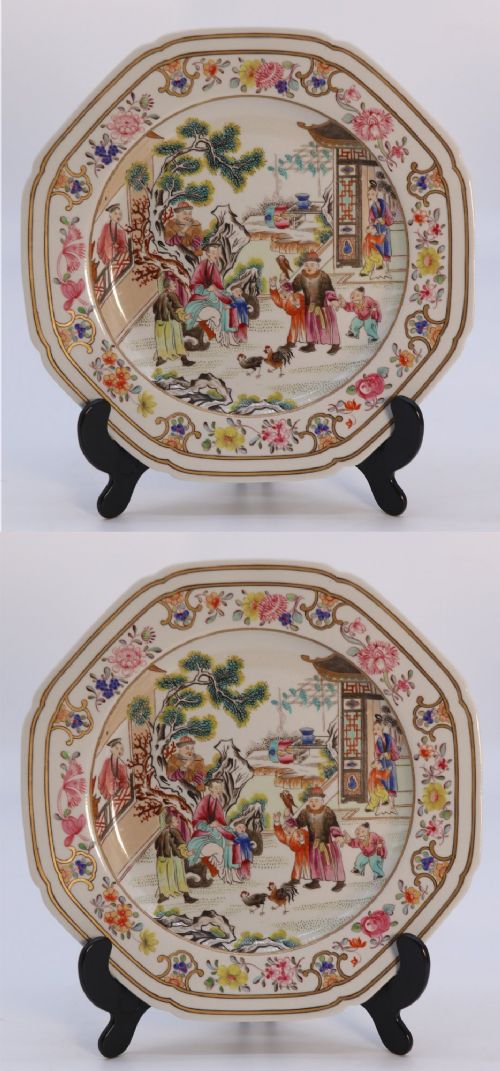
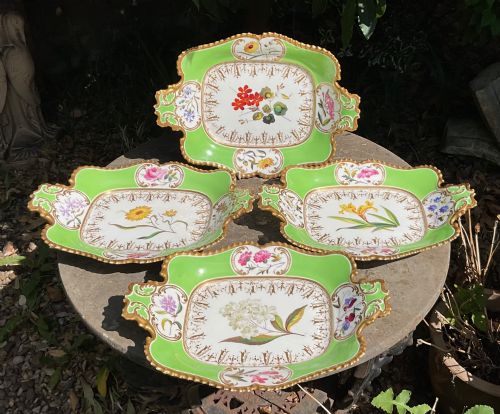
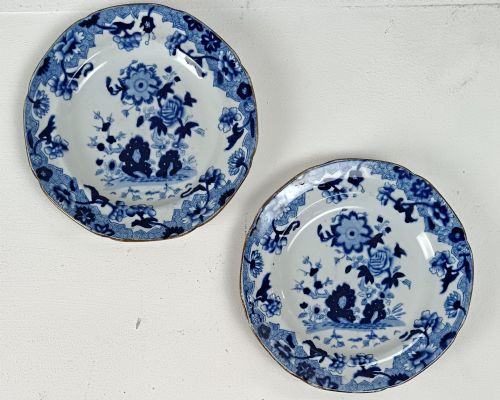
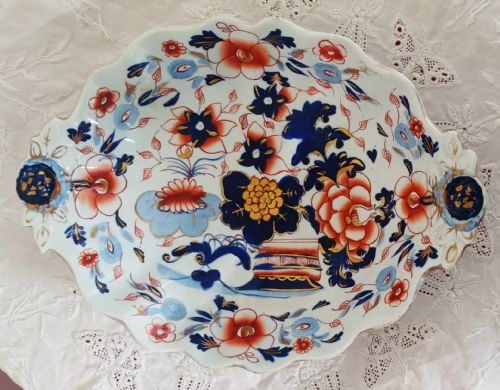
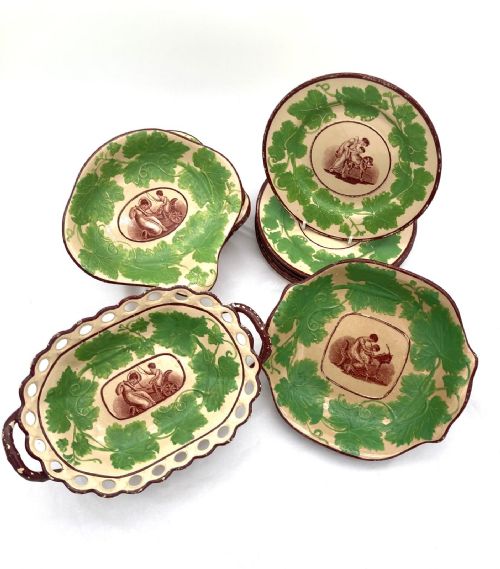
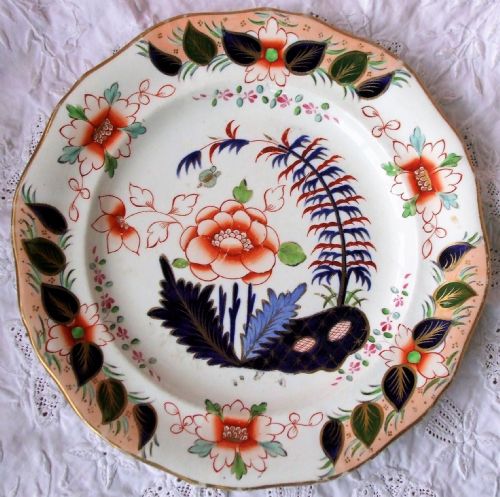
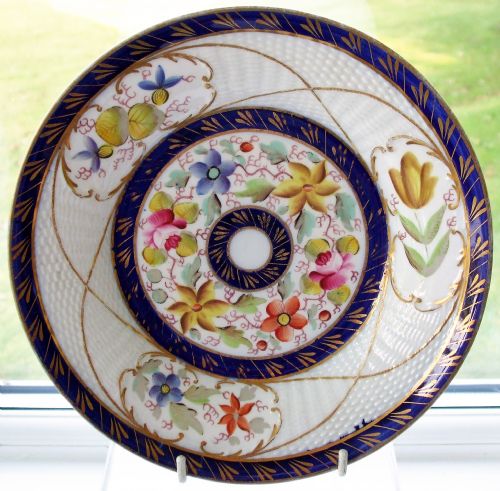
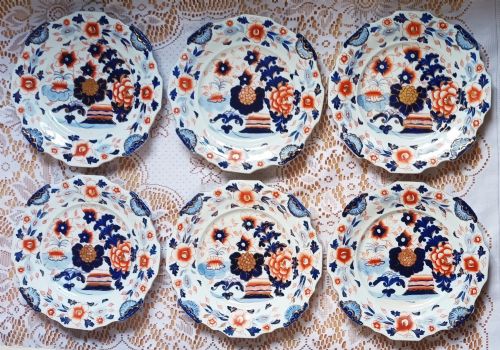
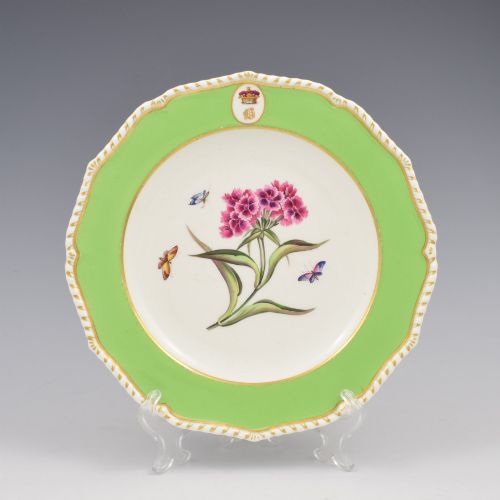
A regency english china plate represents the formal dining and dessert services produced during the Georgian and Regency periods. You will regularly find cabinet plates, dessert plates, and serving dishes featuring handpainted botanical studies, armorial crests, and orientalist patterns.
Makers from this era created these ceramic pieces for affluent households, often as part of larger dessert services. The forms range from standard round plates to octagonal cabinet plates and oval serving dishes shaped for display.
Materials and construction
Potters utilised bone china, porcelain, ironstone, and earthenware bodies shaped into plates and dishes. These ceramic bases received detailed handpainted or bar printed enamel decorations, often highlighted with gold leaf and smooth glazes.
The combination of durable stone china and refined porcelain allowed factories to produce both practical serving vessels and delicate cabinet pieces. Enamel colours and gilding were applied by hand before a final kiln firing.
Several plates proudly display whimsical patterns named 'Crazy Cow' and 'Bengal Tiger'.
Separating quality across the range
Quality rests in the precision of the handpainting and the complexity of the pattern. Pieces featuring named botanical studies or detailed armorial crests by skilled artists stand above standard transfer-printed wares.
The fineness of the porcelain body and the preservation of the original gold leaf and enamel also determine the standing of an individual plate or dish.
Grainger Lee And Co·Spode·H And R Daniel·Wedgwood·Chamberlains Worcester·John Davenport Of Longport·New Hall·Bloor Derby·Minton·Derby Porcelain·Worcester Barr Flight And Barr·Coalport·Mason·Ridgway
The Regency English China Plate Glossary
- Cabinet plate
- A decorative plate intended for display in a cabinet rather than for practical dining use. These often feature intricate handpainted scenes or armorial bearings.
- Ironstone
- A heavy, durable ceramic body patented in the nineteenth century to rival imported Chinese porcelain. It provides a sturdy base for colourful Japan and Imari patterns.
- Armorial
- A design incorporating a family coat of arms or crest. These bespoke motifs were commissioned by landed families for their private dining services.
- Chinoiserie
- A decorative style reflecting European interpretations of Chinese and East Asian motifs. Common versions on these plates include dragons, exotic birds, and pavilion landscapes.
Regency English China Plate: Frequently Asked Questions
What is a regency english china plate?
These ceramic items are porcelain and ironstone plates and dishes made in England during the late Georgian and Regency eras. They served wealthy dining tables as dessert plates, soup plates, and display pieces.
Craftsmen decorated them with handpainted flowers, armorial bearings, and Japanese-inspired motifs, often finished with gold leaf. Surviving examples reflect the high artistic standards of early nineteenth-century English potteries.
How were these plates used?
Wealthy households used these vessels during the dessert course of a formal meal, serving fruit, sweetmeats, and confectionary. Cabinet plates were also displayed on sideboards or in glass-fronted furniture.
Larger services included matching serving dishes, comports, and drainers designed to present food elegantly. Today, collectors primarily display them or keep them for light occasional use.
How do I identify a Regency period plate?
Examine the paste, glaze style, and any factory marks stamped or painted on the reverse. Regency and late Georgian pieces often display distinct shape profiles, such as octagonal rims or scalloped edges.
Comparing the decorative motifs, such as Imari palettes or botanical painting styles, against known factory patterns helps confirm the period. Many pieces bear specific pattern numbers or maker ciphers beneath the glaze.