
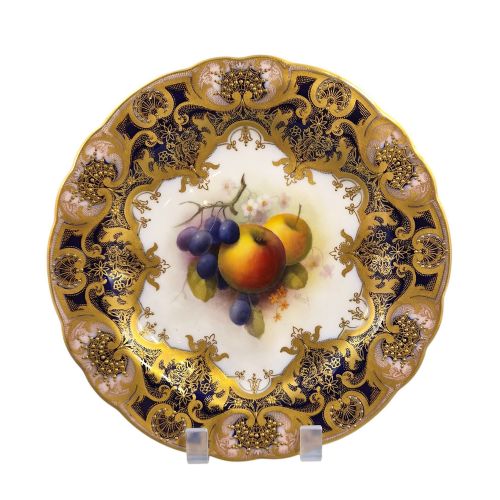
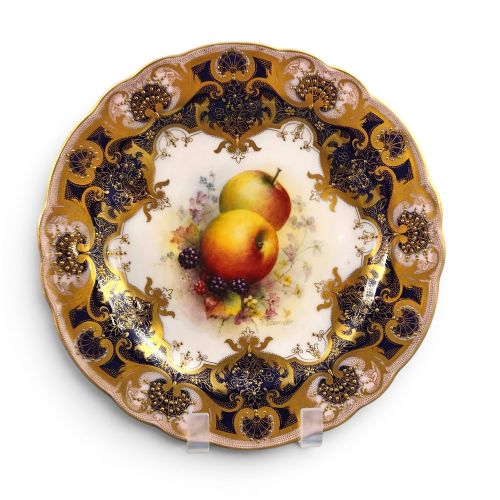
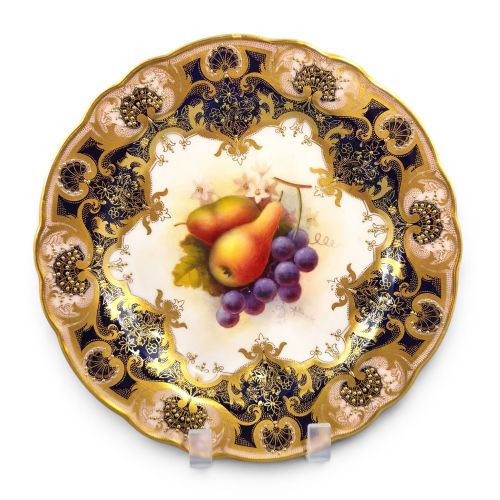
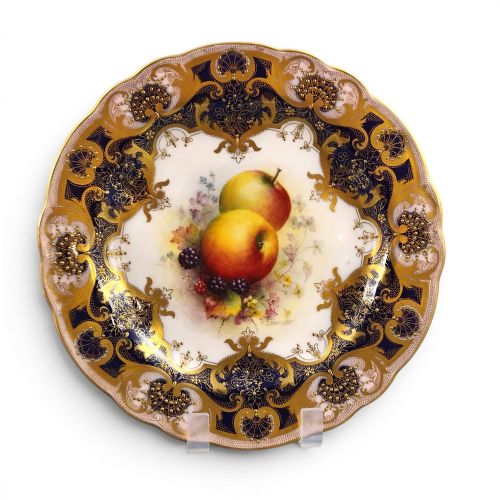
Worcester Porcelain Plate
A worcester porcelain plate brings eighteenth-century handpainted birds and twentieth-century fruit studies directly to the dining table or cabinet.
Worcester Porcelain Plate
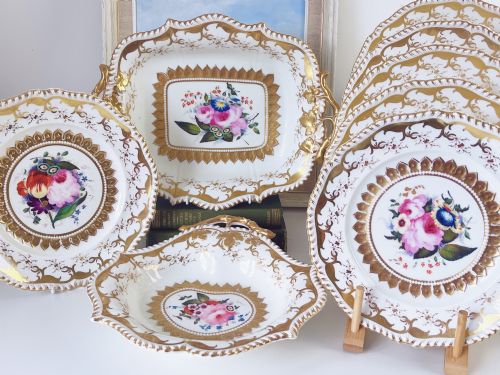
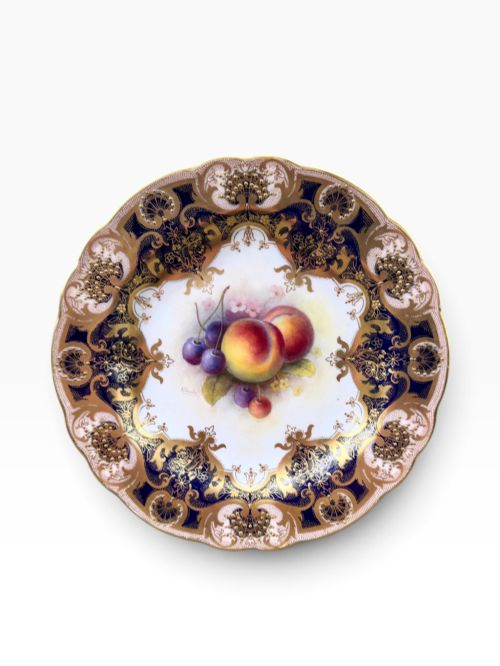
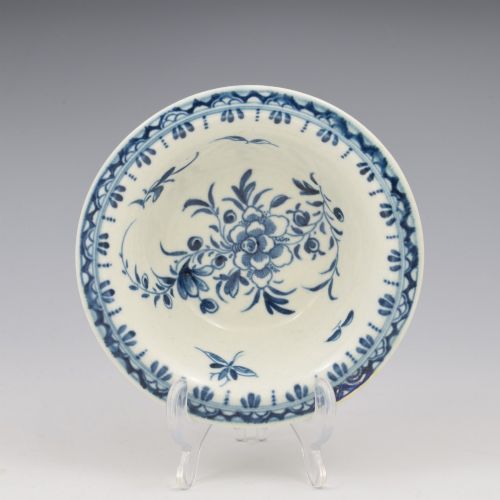
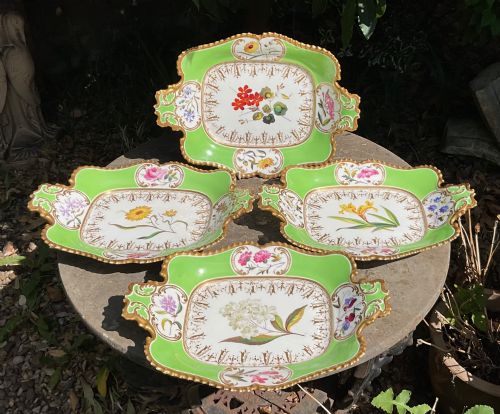
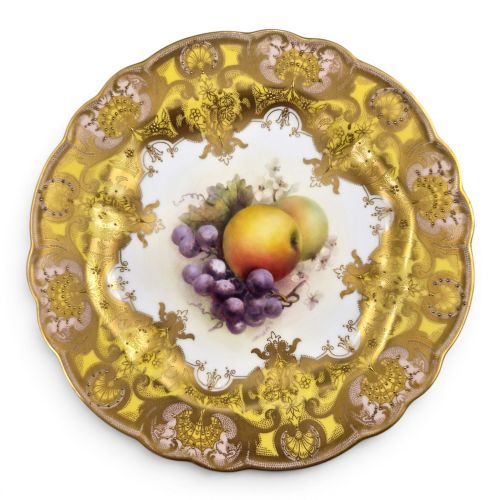
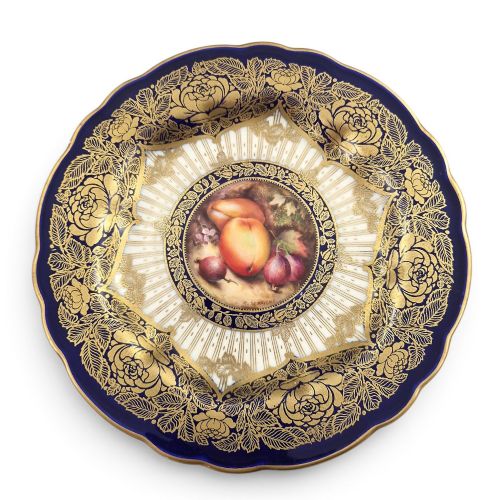
A worcester porcelain plate encompasses cabinet plates, dessert dishes, and soup plates spanning from the eighteenth century to the mid-twentieth century. Buyers encounter Dr Wall period pieces with scalloped edges alongside Regency topographical plates and heavily gilded Edwardian fruit studies.
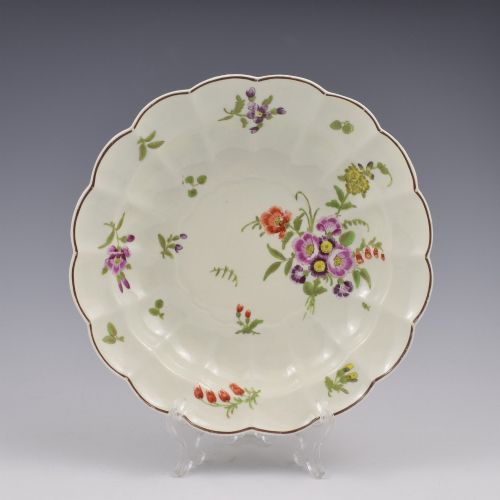
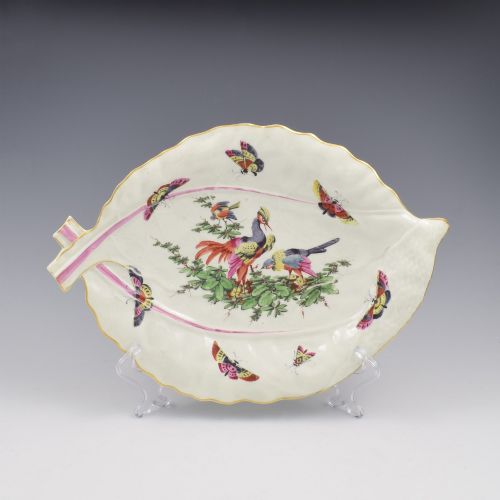
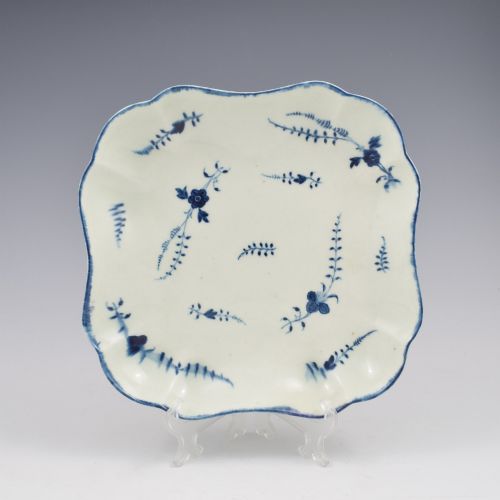
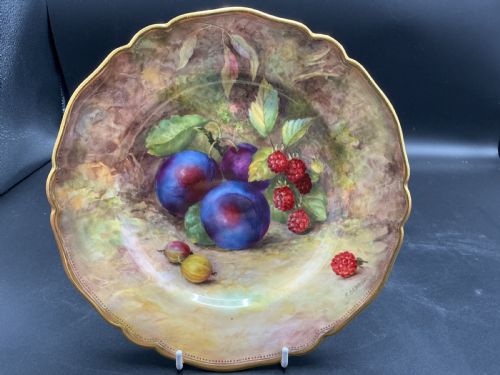
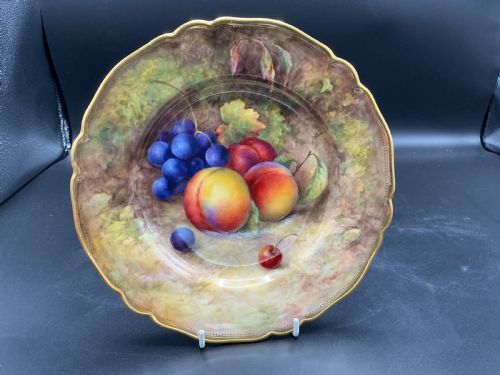
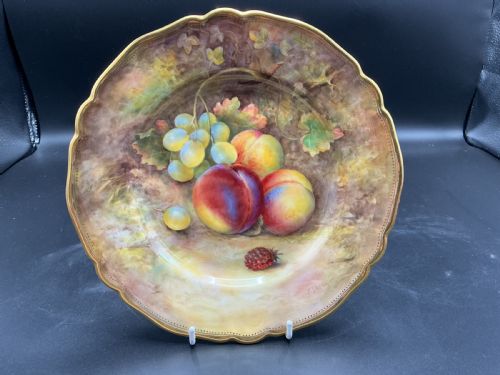
Early examples comprise leaf dishes and square lobed dessert dishes painted with chantilly sprigs or exotic birds. Later periods bring together blush ivory tea trios and signed botanical or fruit cabinet plates created by factory artists.
The material record shifts from soft-paste porcelain and enamel during the georgian era toward bone china and standard porcelain formulations in the nineteenth and twentieth centuries. Forms range from simple rope edge plates to deep soup dishes and large dessert services.
Materials and Technique
Production relies heavily on porcelain and soft-paste porcelain bodies, shaped into plates, dishes, and saucers before receiving intricate handpainted decoration. Enamel colours and underglaze blue provide the foundational palette across early and later factories alike.
Gilding, gold leaf, and rich gilt work define the finishing stages of cabinet plates and Regency dessert services. Artisans applied these metallic accents by hand, highlighting scalloped rims, gadroon borders, and central painted motifs.
Twentieth-century pieces incorporate complex enamel painting executed by named artists, fixed to the porcelain body through high-temperature kiln firing. The resulting surfaces combine crisp botanical illustrations with heavy ground colours such as blue scale or green.
Dr Wall period artisans painted botanical specimens so faithfully that modern botanists still identify eighteenth-century plant species from leaf dishes alone.
Evaluating Quality
Quality separates standard utilitarian wares from premier cabinet pieces through the precision and complexity of the handpainting. Master painters deliver nuanced depictions of fruit, birds, and topographical scenes that elevate simple porcelain into high art.
The application of gilding and ground colours dictates the visual richness of the object. Thick, burnished gold leaf and evenly saturated blue scale or green grounds indicate superior workshop output compared to sparse or uneven decoration.
Grainger Lee And Co·Royal Worcester·Chamberlains Worcester·Barr Flight And Barr·Grainger And Co
The Worcester Porcelain Plate Glossary
- Cabinet plate
- A decorative plate intended for display rather than dining use. These items typically showcase elaborate handpainted scenes and extensive gilding.
- Soft-paste porcelain
- An artificial ceramic body used extensively by early English factories before the widespread adoption of hard-paste porcelain and bone china. It possesses a warm tone and distinctive glaze texture.
- Blue scale
- A dark underglaze blue patterned ground resembling fish scales, often reserved for enclosing panels of birds or flowers on eighteenth-century pieces.
- Blush ivory
- A tinted, matt cream porcelain body introduced by Royal Worcester in the late nineteenth century. It serves as a subtle background for delicate floral handpainting and gilt detailing.
- Ground colour
- The predominant background hue applied to a plate border, such as green, orange, or wet blue. It frames the central painted decoration.
Worcester Porcelain Plate: Frequently Asked Questions
How do I date a piece?
Dating relies on factory marks stamped or painted to the underside, alongside stylistic indicators such as paste composition and gilding style. Eighteenth-century pieces differ significantly in weight and translucency from twentieth-century bone china.
Reference numbers, crescent marks, and written workshop names help narrow the period of production. Comparing the specific palette and border design against known factory patterns confirms the era of manufacture.
Were these plates used for dining?
Many items functioned as functional dessert dishes, soup plates, or service components for grand dining tables. Wealthy households utilised specialised porcelain for serving fruit, sweetmeats, and course accompaniments.
Over time, highly decorated examples transitioned from practical dining wares into cabinet pieces meant solely for visual display. This shift explains the pristine condition of many nineteenth and twentieth-century specimens.
What is Dr Wall period porcelain?
Dr Wall period refers to the earliest phase of the Worcester factory, operating under the founding management of Dr John Bashall Wall from the mid-eighteenth century onward. These pieces are celebrated for soft-paste bodies and vibrant underglaze blue decoration.
Collector demand remains high for these early items due to their historical significance and delicate potting techniques. Common forms from this era include scalloped dessert dishes and leaf-moulded trays.
How should I display cabinet plates?
Cabinet plates require secure wall-mounting brackets or dedicated display stands that distribute weight evenly across the rim and base. Placing them away from direct sunlight preserves the vibrancy of handpainted enamels and gold leaf.
Displaying pieces in enclosed cabinets also protects fragile porcelain edges from accidental knocks. Proper lighting within a cabinet enhances the fine details of artist-signed fruit and bird studies.