





Collectable Porcelain Plate
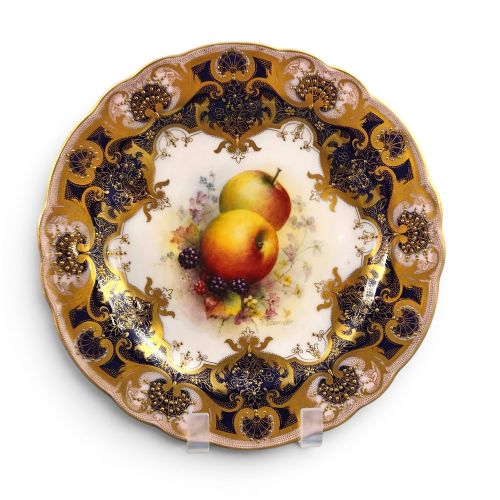
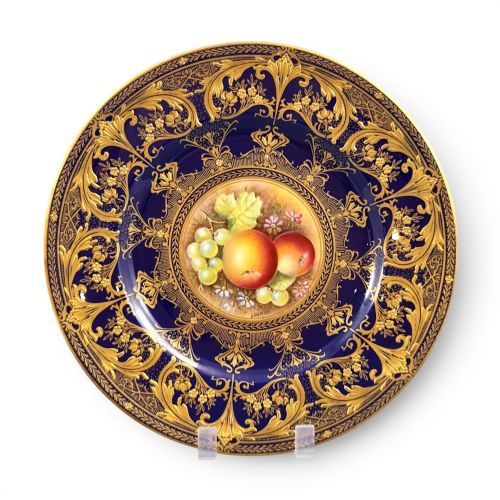
These collectable porcelain plate examples offer hand-painted fruit, floral motifs, and gilt highlights from Georgian, Victorian, and later periods.
Collectable Porcelain Plate
A collectable porcelain plate serves primarily for display rather than dining, often found in forms such as cabinet plates and decorative plaques.
You meet pieces spanning from Georgian dessert plates to mid-century Royal Worcester fruit-painted items.
The selection ranges across English traditional works, French nineteenth-century examples, and continental porcelain.
How they were made
Makers utilise fine porcelain, bone china, and enamel foundations shaped into plates and dishes.
Decoration involves hand-painting by named artists combined with gold leaf, gilding, and gold plate highlights.
One extraordinary listing pairs fine porcelain with a walking stick containing a concealed sword.
What varies in quality
The distinction lies in the skill of the hand-painted subject matter, particularly detailed fruit or floral studies by known artists.
Quality also depends on the richness of the gilding and the prestige of the porcelain manufacturer.
Royal Worcester·Derby Porcelain·Minton·Coalport·Meissen·Cauldon Ltd·Barr Flight And Barr
The Collectable Porcelain Plate Glossary
- Cabinet plate
- A decorative plate intended for display in a cabinet rather than use at the table. These often feature elaborate painted scenes.
- Gilding
- The application of gold leaf or gold paint to ceramic surfaces. This finish enhances the decorative borders and handles.
- Bone china
- A type of soft-paste porcelain containing bone ash. It provides a bright white body suitable for fine painting.
- Dessert plate
- A small plate designed for the final course of a meal. Many antique examples survive as decorative cabinet pieces.
Collectable Porcelain Plate: Frequently Asked Questions
How do I display a cabinet plate?
Cabinet plates suit wall mounting with appropriate hangers or stable placement on dedicated display stands. Ensure the stand supports the weight securely without obscuring the painted border.
Keep pieces away from direct sunlight to preserve the vibrancy of the hand-painted enamels and gold leaf highlights.
Are these plates meant for food?
Most pieces listed as cabinet or dessert plates function primarily as decorative objects rather than functional tableware. Older glazes and gilt surfaces can suffer wear from daily use and cutlery.
Gentle dusting with a soft, dry cloth is usually sufficient for cleaning these fragile ceramic items.
How can I tell the period?
Makers' marks stamped or painted on the underside provide the most reliable guide to dating porcelain. Stylistic clues such as floral borders, paste composition, and painting techniques also help narrow down the era.
Comparing the style with documented examples from factories like Royal Worcester or Minton clarifies the decade of production.
What does hand-painted fruit mean?
Hand-painted fruit refers to detailed artistic studies of apples, grapes, and peaches rendered directly onto the porcelain body. Factories employed specialist artists to execute these complex naturalistic compositions.
Signed works by specific artists typically command greater attention from collectors than unsigned factory output.