



Regency Covered Dish
A regency covered dish brings formal dining elegance to the table through polished silver plate, bright porcelain and heavy ironstone.
Regency Covered Dish
A regency covered dish encompasses an array of serving vessels designed for the formal dining table of the early nineteenth century. Buyers searching this phrase encounter practical dining vessels created during the Georgian and Regency periods.
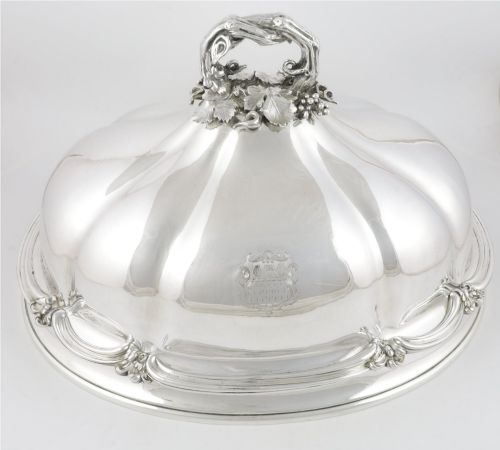
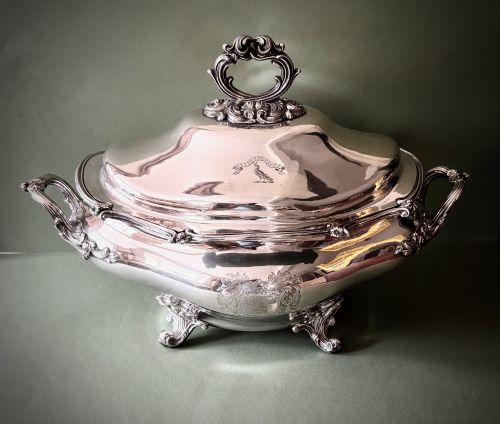
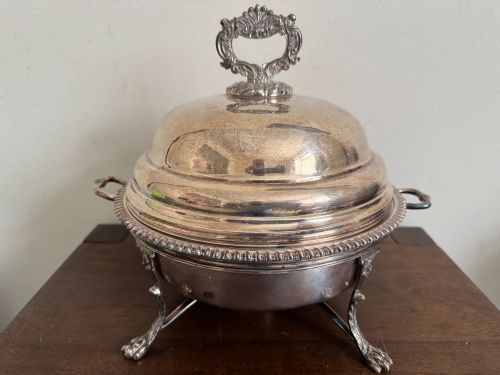
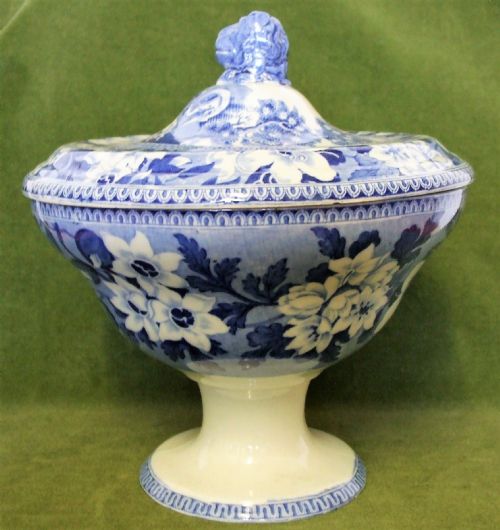
The selections on this page appear in various forms including meat domes, sauce tureens, soup tureens, entree dishes, and vegetable tureens. These items originate from English potteries, silversmiths, and plate workers active in the early 1800s.
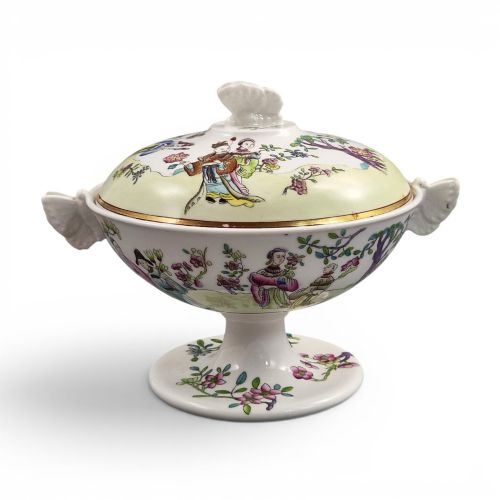
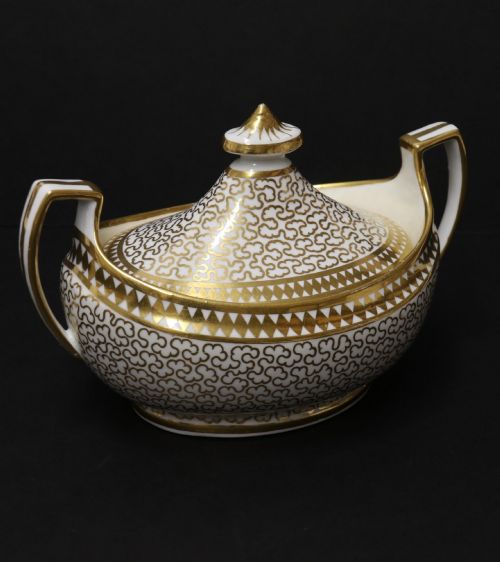
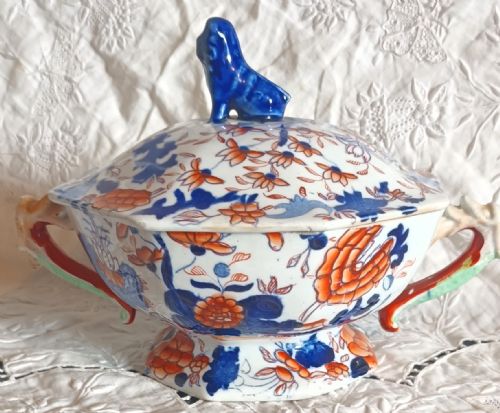
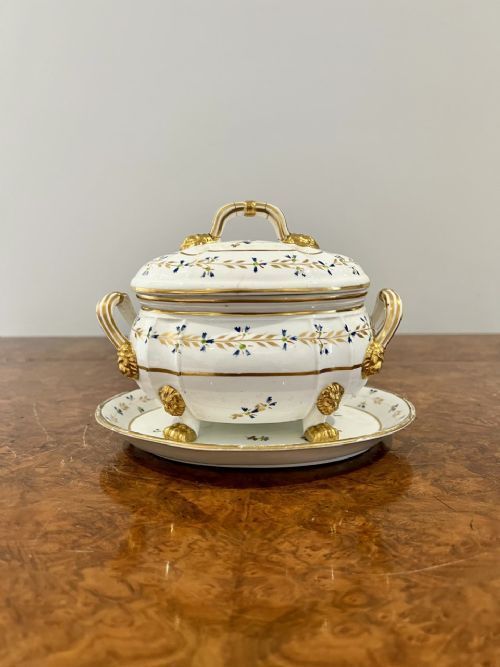
Ceramic examples range from Spode felspar porcelain and Chamberlains Worcester to Mason's ironstone decorated with Chinoiserie patterns. Metal versions utilise Old Sheffield Plate and sterling silver to create substantial serving pieces.
How they were made
Metal vessels combine copper and silver through the Old Sheffield Plate technique, fusing a thin layer of silver onto a copper base. Silversmiths shape these sheets into meat domes and warming dishes, often adding applied wire borders and cast handles.
Ceramic pieces utilise porcelain, earthenware, and ironstone body formulas shaped into tureens and bowls. Potters apply transfer printing or hand-painted enamel designs, sometimes incorporating rich gold leaf details before firing the ceramics in kilns.
Listings incorporate items produced across the 19th Century, Georgian era, and Regency period, utilising porcelain, earthenware, Old Sheffield Plate, and silver.
What varies in quality
The distinction between standard utility vessels and superior examples rests upon the crispness of the modelled ornament and the precision of the metalwork or ceramic transfer. High-grade items display sharply cast handles, well-defined crests, and deeply struck maker marks.
Porcelain and ironstone quality depends upon the vibrancy of the hand-applied enamel colours and the smoothness of the glaze. In Old Sheffield Plate pieces, the survival of the silver layer over the copper substrate governs the overall refinement.
Roberts Cadman·Spode·Chamberlains Worcester·John Rogers and Son·Coalport·Crown Derby·Flight Barr and Barr·Boulton·Mason·Matthew Linwood·Cresswick·Dan Holy
The Regency Covered Dish Glossary
- Old Sheffield Plate
- A composite material made by fusing a sheet of silver to a thicker copper ingot. This technique was widely utilised before the invention of electroplating.
- Ironstone
- A dense, durable type of earthenware patented in the early nineteenth century. It served as a resilient alternative to porcelain for heavy-duty dining services.
- Meat Dome
- A large domed cover used to keep joints of meat warm on the dining table. These covers frequently feature substantial loop handles for lifting.
- Tureen
- A deep serving dish with a cover, utilised for soups, sauces, or vegetables. They often rest upon matching fixed bases or separate stands.
- Transfer Printing
- A decoration method that transfers an engraved paper design onto ceramic surfaces using metallic oxides. This technique allowed intricate blue and white patterns to be produced consistently.
Regency Covered Dish: Frequently Asked Questions
What is a regency covered dish used for?
These vessels served cooked meats, soups, vegetables, and sauces at grand nineteenth-century dining tables. Their primary purpose was keeping food warm and protected between the kitchen and the dining room.
Today, collectors utilise them as decorative dining table centerpieces or functional serving pieces for formal meals.
How do I identify Old Sheffield Plate?
Old Sheffield Plate items reveal subtle traces of copper showing through the silver layer along high-wear edges and seams. Examining the edges under magnification often exposes the distinct copper core sandwiched within the silver.
Unlike later electroplated wares, these pieces were constructed from fused metal sheets hammered and shaped by hand.
What is Mason's Ironstone?
Mason's Ironstone is a heavy, durable ceramic material patented in the early nineteenth century to withstand daily dining use. It mimics the appearance of oriental porcelain while offering greater structural strength.
Pieces from this period frequently display vibrant Chinoiserie transfer prints enhanced with hand-painted enamel colours and gilt highlights.
How do I care for antique metal serving dishes?
Maintain Old Sheffield Plate and silver items by washing them gently in warm water with mild soap. Avoid harsh abrasive cleaners that can wear away the thin silver layer covering the copper base.
Store metal tureens and meat domes in dry environments to prevent tarnishing and oxidation of the underlying base metals.