




Regency Cobalt Blue Vase
A regency cobalt blue vase brings intense ground colour and classical form to a room, drawing the eye instantly.
Regency Cobalt Blue Vase
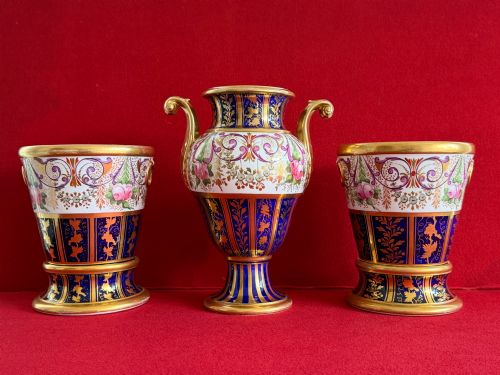
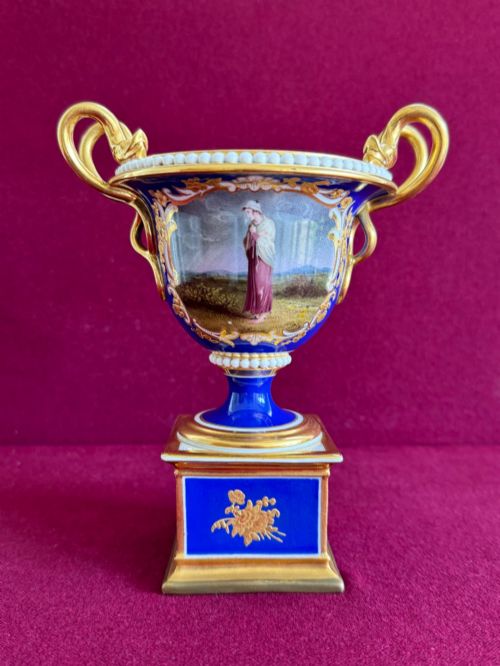
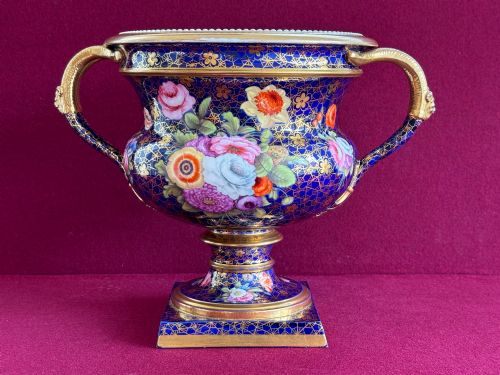
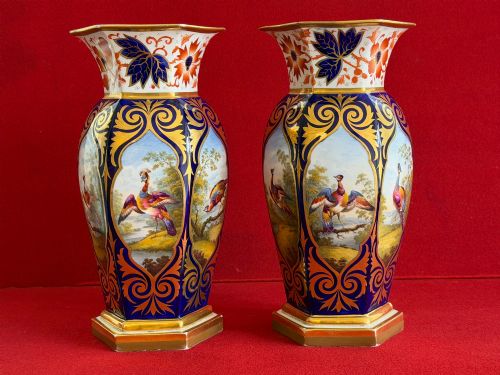
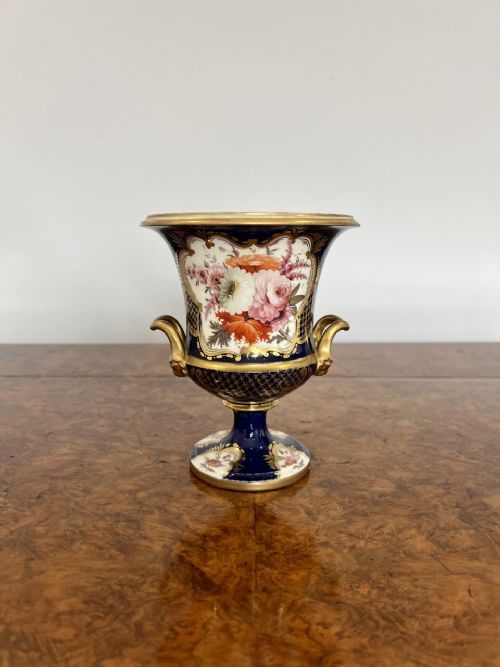
A regency cobalt blue vase represents the height of early nineteenth-century ceramic design, drawing on classical shapes like the Campagna urn and Warwick vase. These pieces combine rich blue grounds with intricate hand painting, often reflecting Regency and Chinoiserie tastes.
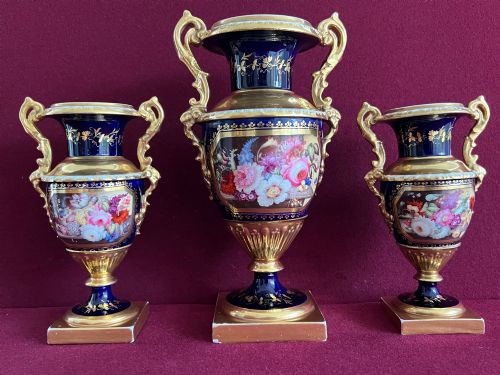
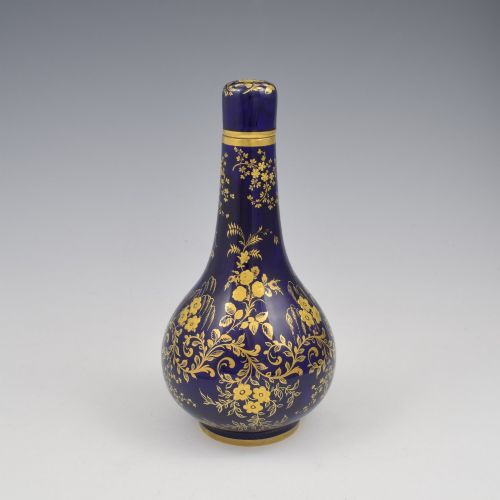
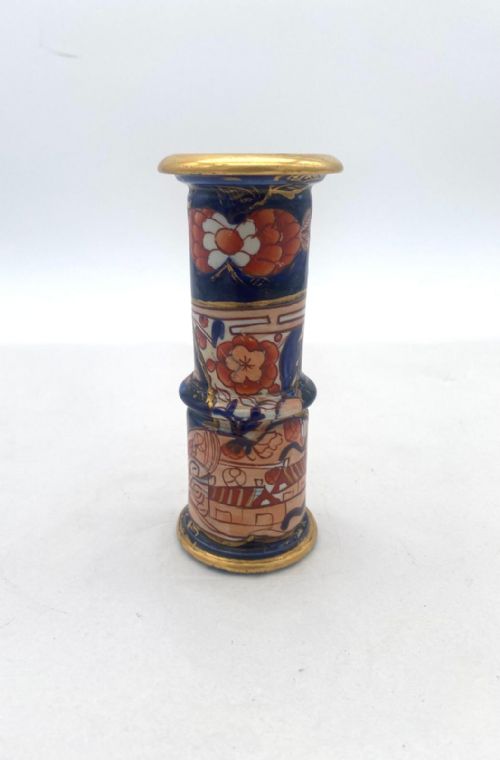
Buyers searching for a regency cobalt blue vase will encounter diverse forms ranging from large potpourri vessels to delicate spill vases and garnitures. Many examples originate from renowned factories active during the Regency and early Victorian periods, including Worcester and Mason's.
The objects vary from monumental ironstone hall vases to finely potted porcelain rose water sprinklers. While the foundational period is firmly rooted in the early nineteenth century, related nineteenth-century and Victorian interpretations also appear among these listings.
Materials and manufacture
Potters utilised fine porcelain and ironstone as the primary bodies for these vessels, shaping them into classical urns, bottle vases, and cornucopia forms. Cobalt glaze provided the deep blue ground colour characteristic of the style.
Makers applied gold leaf and heavy gilding over the blue ground and white reserves, often combining this with hand-painted floral or figural enamel decoration. Skilled hands executed intricate details, sometimes signed by notable decorators of the era.
Regency Cobalt Blue Vase Retail Price Guide 2026
Typical asking prices for regency cobalt blue vase among the pieces listed under this phrase on Sellingantiques today, from the lower quarter to the upper quarter. They describe what is for sale here now, not the wider market.
Object forms span campagna urns, Warwick shapes, potpourri vessels, and matching garniture sets from various factories.
Distinctions in quality
The calibre of a regency cobalt blue vase rests upon the fineness of the potting and the ambition of its form. Elaborate campagnas and Warwick shapes demand superior skill compared to simpler spill vessels.
The richness of the gilding and the precision of the hand-painted enamel work set finer factory pieces apart. Works bearing identifiable decorator signatures or originating from esteemed porcelain houses display a higher artistic tier.
Flight Barr And Barr·Chamberlain Worcester·Spode·Coalport·Masons Ironstone·Minton
The Regency Cobalt Blue Vase Glossary
- Campagna urn
- A bell-shaped classical urn with a pedestal foot and scroll handles, frequently utilised for decorative ceramic vases during the Regency period. This form mimics ancient Roman marble excavation models.
- Warwick vase
- A classical vase shape characterised by a deep bowl, twin lower handles formed as twisted vine stems, and a gadrooned lower body. Spode and Worcester factories notably adapted this ancient marble design into porcelain.
- Ironstone
- A dense, heavy ceramic body patented in the early nineteenth century by Mason's to provide a durable alternative to porcelain. It takes rich cobalt glazes and heavy gilding exceptionally well.
- Garniture
- A matching set of three or more vases designed to be displayed together on a mantelpiece or sideboard. They typically feature a central larger vessel flanked by smaller paired companions.
- Spill vase
- A small, straight-sided cylindrical vessel used to hold wooden spills for lighting fires and candles. These objects often display charming domestic patterns and hand-painted details.
Regency Cobalt Blue Vase: Frequently Asked Questions
How were these blue vases originally used in homes?
These vessels served primarily as decorative garnitures on mantelpieces and sideboards, adding colour and classical dignity to formal rooms. Some specific forms like potpourri vases and rose water sprinklers held scented dried petals or perfumed water to freshen the air.
Larger ironstone hall vases stood prominently in entranceways to display wealth and refined taste to visitors. Smaller spill vases fulfilled a practical domestic role while maintaining an elegant appearance.
How do I tell a Regency piece from a Victorian one?
Regency pieces generally date from the first few decades of the nineteenth century and lean heavily on classical antiquity, such as Greek and Roman urn shapes. They frequently exhibit refined porcelain bodies alongside delicate Chinoiserie or neoclassical hand painting.
Victorian pieces often display heavier proportions and bolder industrial ironstone bodies, reflecting shifting tastes later in the century. Factory marks and decorative styles help narrow down the precise decade of manufacture.
What is the difference between porcelain and ironstone?
Porcelain is a fine, translucent ceramic fired at high temperatures, offering a delicate surface ideal for intricate miniature painting and rich gilding. It was favoured by high-end factories like Worcester for cabinet pieces.
Ironstone is a robust, opaque earthenware perfected for durability while retaining the visual appeal of porcelain. It allowed makers to produce much larger, heavier vessels such as monumental hall vases and potpourris.