





Antique Urn Shaped Vase
These antique urn shaped vase pieces bring neoclassical dignity and classical proportion to a room.
Antique Urn Shaped Vase
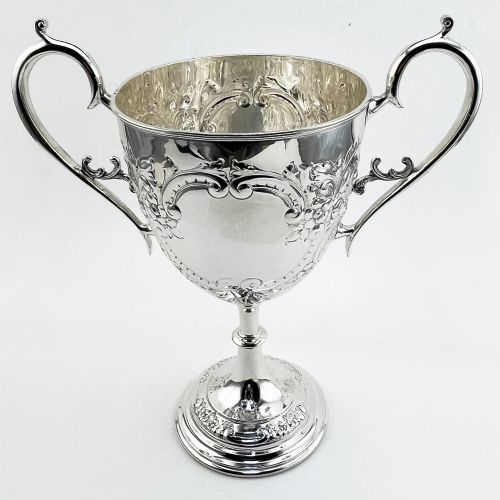
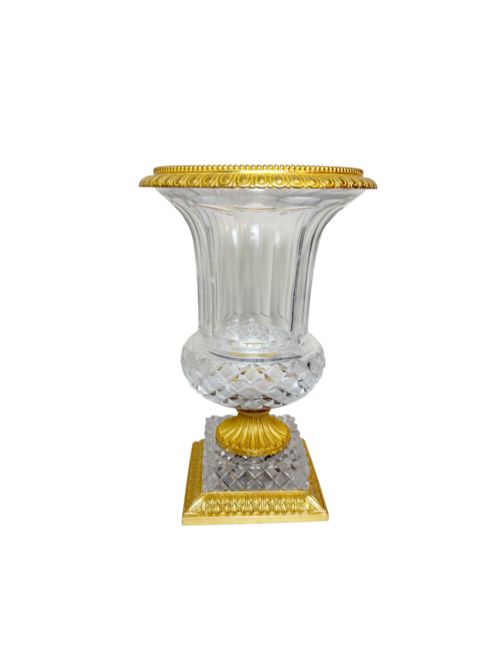
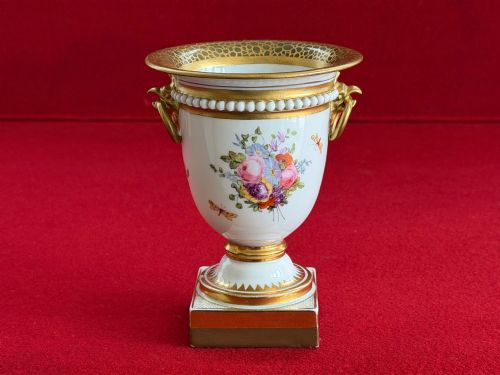
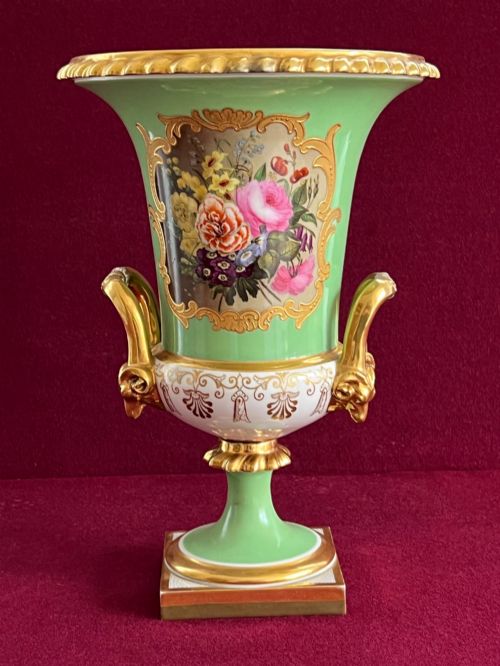
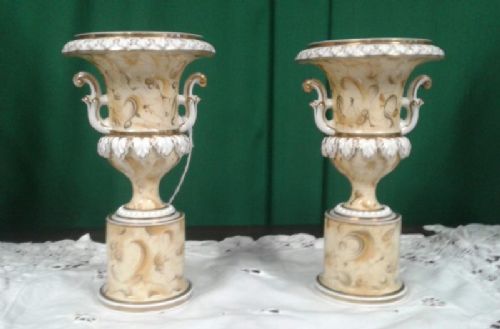
When you search for an antique urn shaped vase, you encounter a variety of forms drawn from classical antiquity, including campana shapes, cassolettes, and monumental vessels designed for display. These objects serve as decorative centerpieces, mantel ornaments, and garden-derived garnitures that anchor a room with architectural weight.
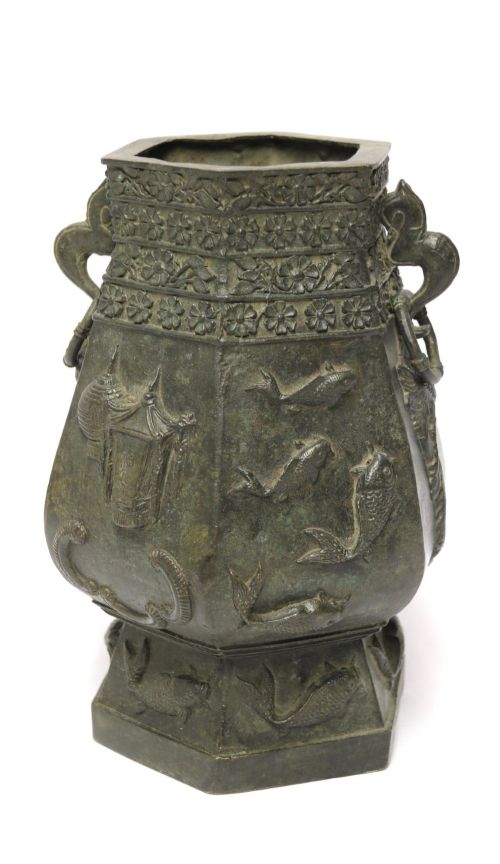
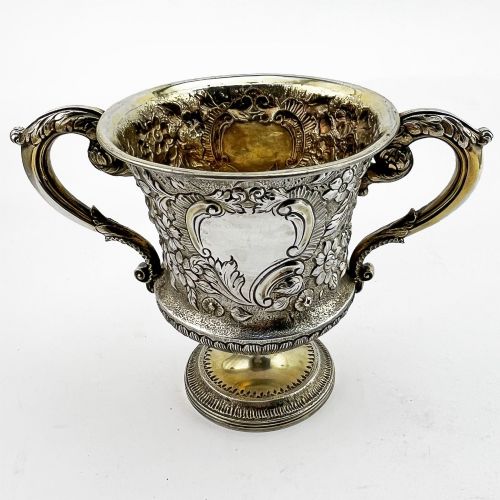
The selections on this page span several centuries, reaching from seventeenth-century Japanese Arita wares through eighteenth-century George III silver and nineteenth-century French bronze campana urns to early twentieth-century ceramic works by Royal Doulton, Royal Worcester, and Moorcroft. You will frequently encounter porcelain, earthenware, and cast bronze examples shaped with handles, lids, and distinct footed bases.
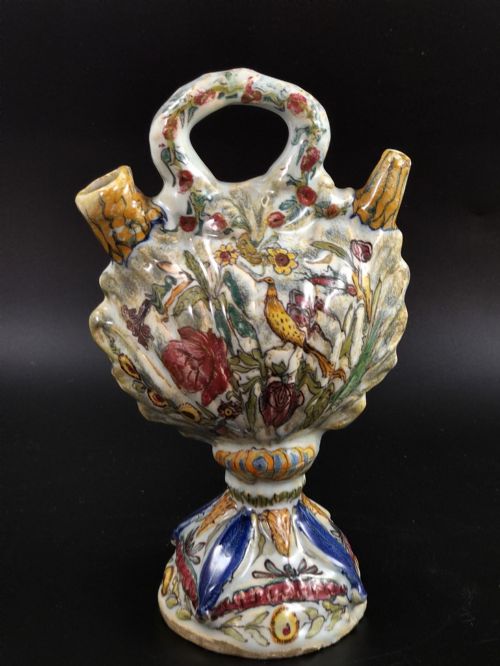
Makers ranged from European porcelain potteries and English earthenware manufacturers to Japanese studios producing Imari patterns and blue and white designs. Buyers find pieces shaped as double-gourds, pilgrim flasks, and hexagonal vessels alongside traditional classical silhouettes.
Materials and construction methods
Cast bronze serves as a primary metal medium, often paired with siena marble bases, gilded surfaces, and applied handles to mimic ancient marble and stone prototypes. French workshops utilised traditional foundry methods to produce crisp Neoclassical details after classical sculptors.
Ceramic pieces involve porcelain, earthenware, and stoneware, shaped on the wheel or cast in moulds before receiving hand-painted glazes, enamel work, and gold leaf highlights. English potteries employed transfer printing and hand-finishing, while Japanese kilns utilised rich cobalt blues and iron-red enamels on porcelain bodies.
Antique Urn Shaped Vase Retail Price Guide 2026
Typical asking prices for urn shaped vase among the pieces listed under this phrase on Sellingantiques today, from the lower quarter to the upper quarter. They describe what is for sale here now, not the wider market.
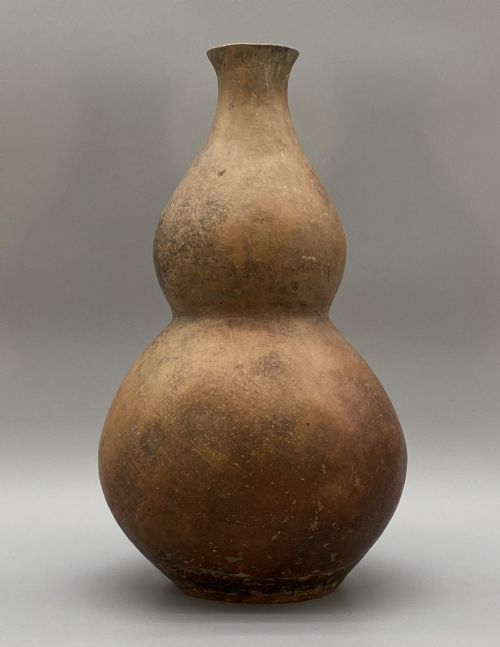
Some double-gourd vases echo ancient Chinese shapes designed to hold auspicious doubled blessings.
Evaluating craftsmanship and condition
Quality rests in the crispness of the casting for bronze pieces and the precision of the glaze work and hand-painting on ceramics. Superior examples display balanced proportions, clean definition in handles and collars, and well-preserved gilding or enamelling.
The integration of bases, covers, and associated garniture parts also defines the standard of a piece. Finer vessels retain their original lids, matching pairs show consistent patination, and ceramic bodies exhibit smooth, even glazing without distortion from the kiln.
Royal Worcester·Royal Doulton·William Moorcroft·Mason's Ironstone·Spode
The Antique Urn Shaped Vase Glossary
- Campana
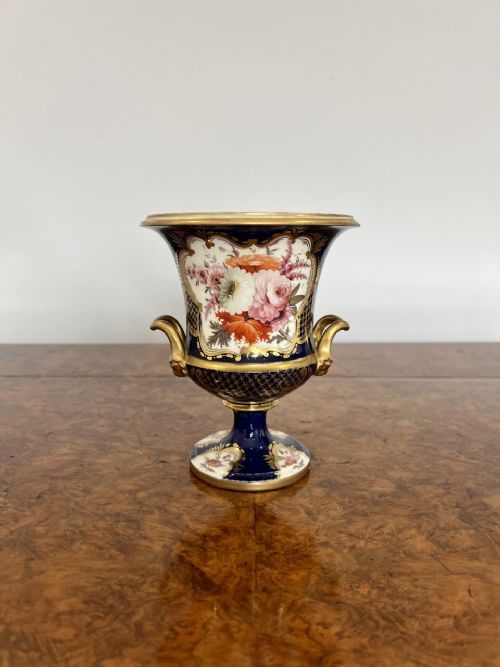
- A bell-shaped vessel with a flaring rim and a footed base, mimicking ancient Roman garden vases. This form is common in nineteenth-century bronze and ceramic decorative pieces.
- Cassolette
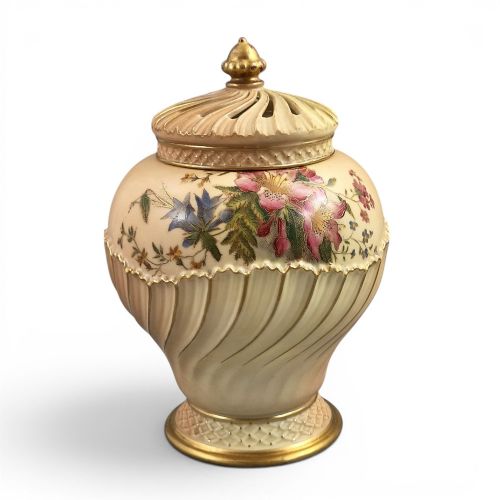
- A decorative urn or vase featuring a reversible or pierced lid that allows it to function alternately as a vessel or a container for burning perfumes. French Regency and Charles X examples frequently utilise this form in bronze.
- Garniture
- A set of three or more matching vases or jars designed to be displayed together on a mantelpiece or sideboard. These sets often comprise a central taller urn flanked by smaller matching vessels.
- Imari
- A style of Japanese porcelain featuring underglaze blue and overglaze red, gold, and green colours, produced in Arita and exported widely to Europe. Pieces range from double-gourd vases to lidded jars.
- Pilgrim Flask
- A flattened flask with loops for suspension straps, derived from leather vessels carried by medieval travellers. Ceramic examples often feature decorative handles and painted panels.
Antique Urn Shaped Vase: Frequently Asked Questions
What is a campana shaped vase?
A campana shaped vase takes the form of an inverted bell, featuring a wide flared rim, a tapering body, and a circular footed base. This silhouette derives directly from classical stone garden urns discovered in ancient Roman excavations.
Craftsmen in bronze, silver, and porcelain adopted this shape during the eighteenth and nineteenth centuries for decorative garnitures and mantel ornaments. The design emphasises symmetry and vertical proportion.
How were bronze urns displayed historically?
Bronze urns and cassolettes were typically placed upon mantelpieces, console tables, and pedestals in formal drawing rooms. They served as focal points that added architectural structure and classical gravity to interiors.
Pairs or garniture sets were arranged symmetrically to frame mirrors or fireplace openings. Many included removable lids or liners for practical use as wine coolers or pot-pourri holders.
What is Japanese Imari porcelain?
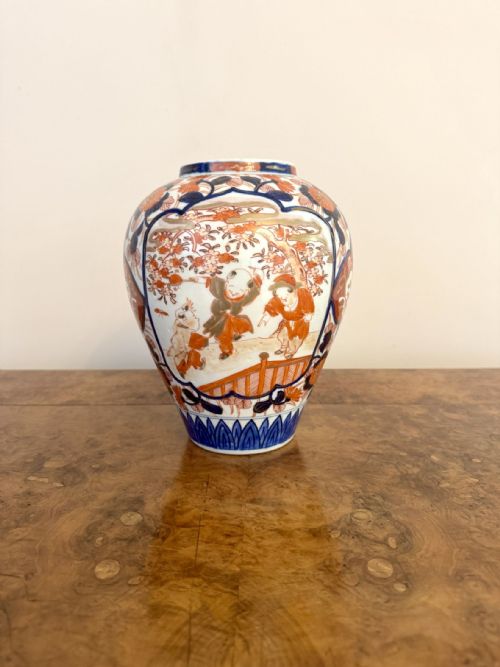
Japanese Imari porcelain refers to wares made in the town of Arita and exported through the port of Imari from the Edo period onward. These pieces are distinguished by a palette of rich underglaze cobalt blue, iron red, and gilt highlights.
Potters applied these dense floral and brocade patterns to shaped vases, double-gourd vessels, and lidded jars. European collectors have prized these vibrant ceramics since the seventeenth century.
How do I distinguish nineteenth century bronze urns?
Nineteenth-century bronze urns often reflect Neoclassical, Regency, or Charles X revival styles inspired by ancient Greek and Roman antiquities. Look for heavy cast construction, patinated surfaces, and details such as siena marble plinths.
French foundries frequently utilised classical motifs like acanthus leaves, egg-and-dart borders, and serpent handles. Examining the quality of the chased surface work helps identify the period.