

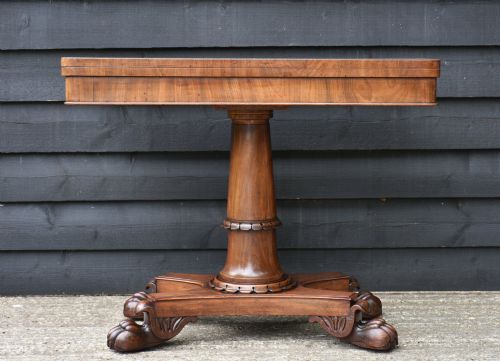
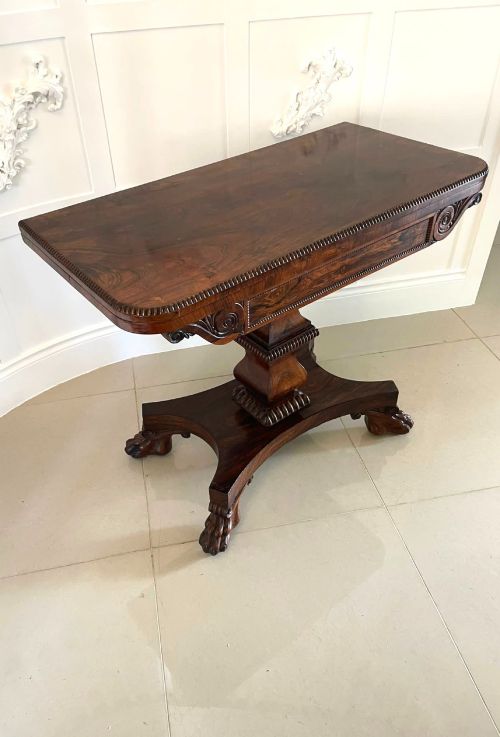
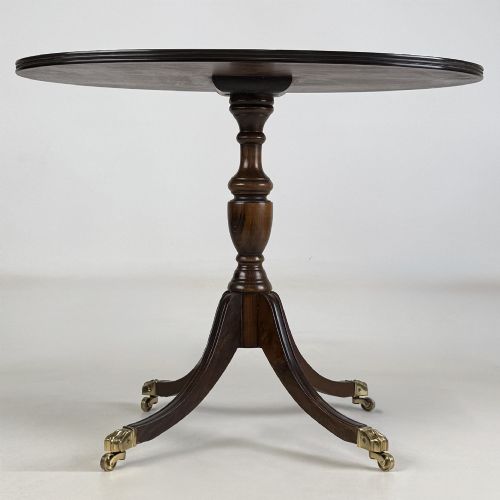

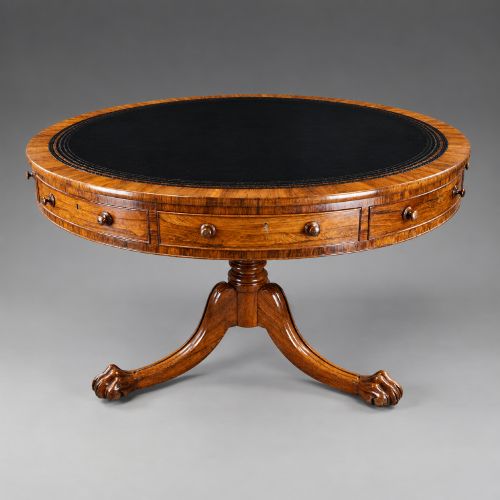
Regency Claw Foot Table
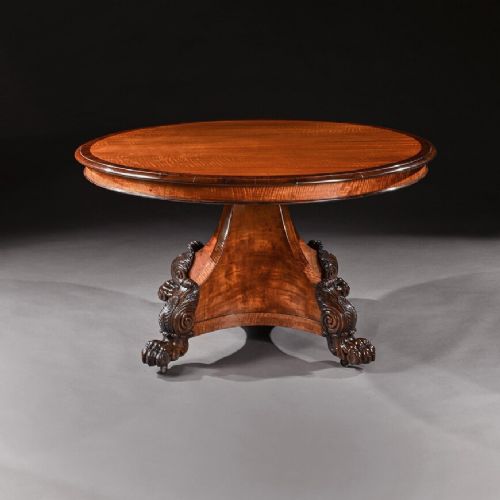
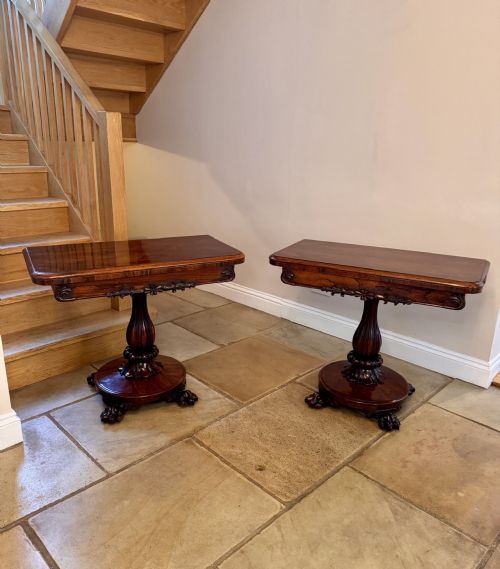
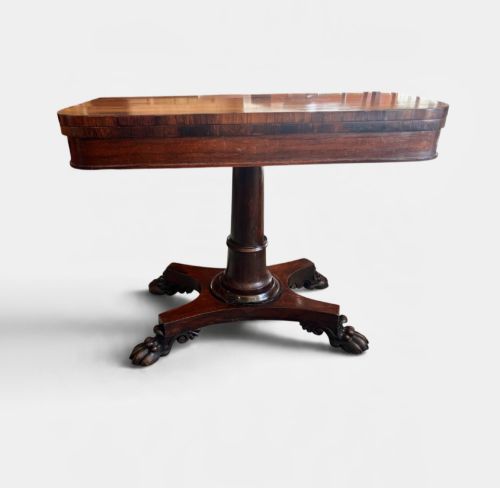
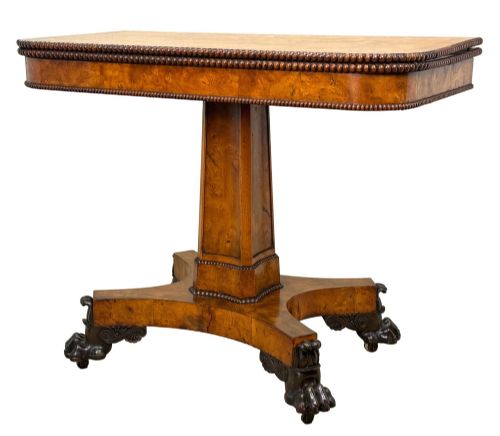
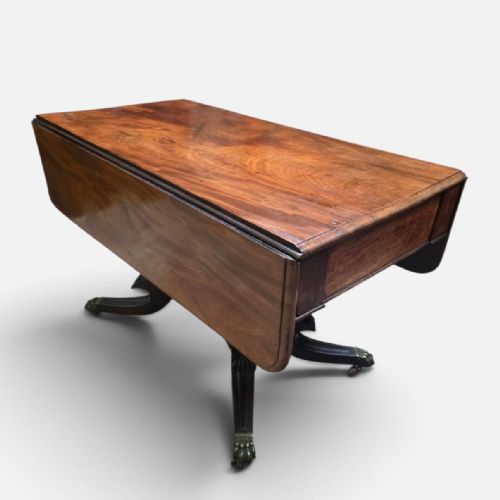
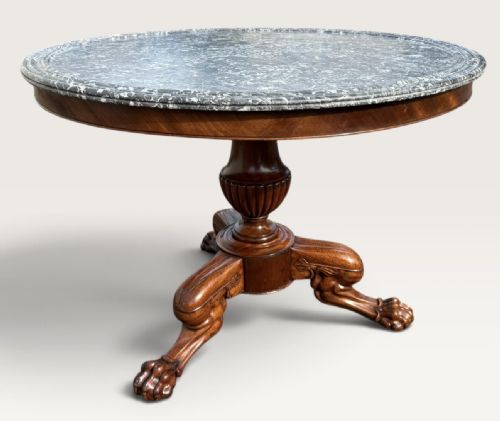
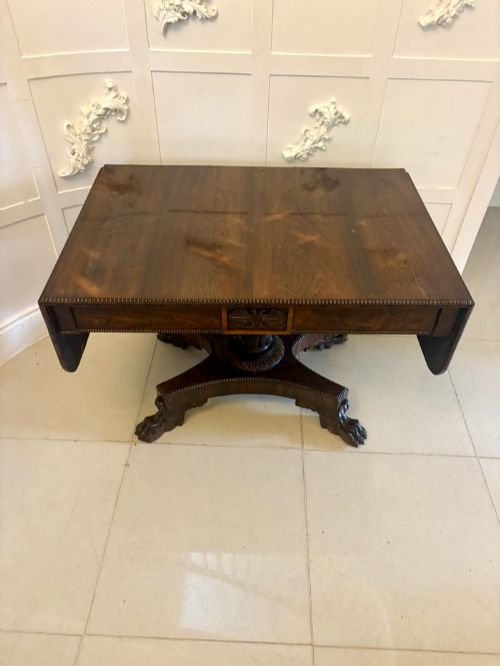
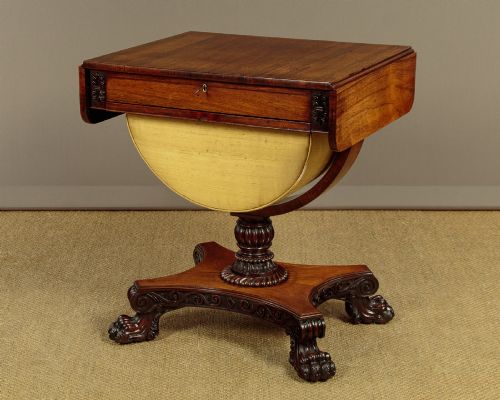
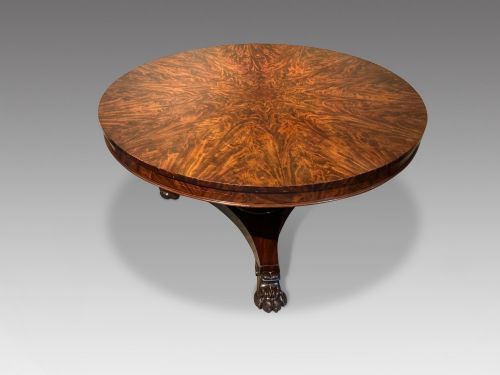
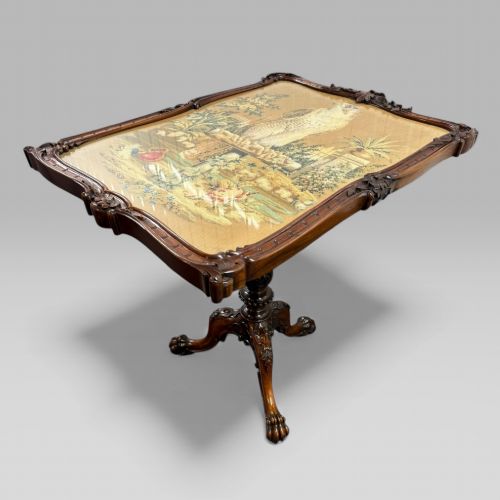
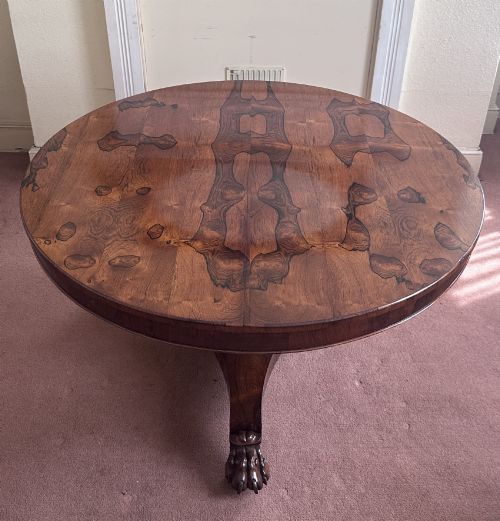
These regency claw foot table pieces bring heavy timber and sculptural paw supports together for formal rooms.
Regency Claw Foot Table
A regency claw foot table acts as a centrepiece, card table or dining surface, rooted in nineteenth century design. Buyers search for these pieces to anchor a room with substantial timber and distinct carved feet.
The versions most common on this page date from the regency and william iv periods, often rendered in rich rosewood or mahogany. Forms vary from circular breakfast tables to fold-over card tables and pembroke side tables.
Origins span english workshops as well as irish makers, utilising dense tropical hardwoods alongside native oak. Pieces frequently feature pedestals or pillar supports terminating in carved paw feet.
Materials and Construction
Cabinetmakers built these tables using solid mahogany and rosewood, frequently applying choice veneers over secondary timbers to achieve striking grain patterns. Brass inlays and mounts appear on select surfaces to provide contrast against dark woods.
Carvers shaped heavy timber into paw feet and pedestal bases, employing pegged mortise and tenon joints for structural stability. Tilt-top mechanisms and rotating drum designs required precise wooden pivots and brass hardware.
Regency Claw Foot Table Retail Price Guide 2026
Typical asking prices for regency claw foot table among the pieces listed under this phrase on Sellingantiques today, from the lower quarter to the upper quarter. They describe what is for sale here now, not the wider market.
Evaluating the Pieces
Quality rests upon the selection of timber figure, such as flame mahogany or richly grained rosewood, matched symmetrically across table tops. The crispness of carved paw feet and the integration of brass details distinguish finer examples.
Construction integrity defines the upper tier, where tilt mechanisms operate smoothly and pedestals remain rigid without wobble. Maker attribution through signatures or documented provenance elevates specific tables.
George Bullock·Gillows·Robert Strahan & Co·Desbois & Wheeler
The Regency Claw Foot Table Glossary
- Paw foot
- A carved furniture foot shaped to resemble an animal paw, frequently seen on regency pedestal tables. This motif anchors heavy pillar supports.
- Tilt top
- A table top hinged to a pillar so it can pivot vertically when not in use. This mechanism allowed tables to be stored against walls in period interiors.
- Card table
- A folding table designed for evening games, featuring a hinged top that opens to reveal a baize or leather playing surface. Many examples rest on central pedestals with claw feet.
- Drum table
- A circular library table with a deep top containing drawers, usually supported by a single central pillar. These pieces rotate on a heavy base.
- Rosewood
- A dense, heavily figured timber prized during the nineteenth century for dark brown and black grain patterns. Cabinetmakers used it extensively for high-status tables.
Regency Claw Foot Table: Frequently Asked Questions
What is a regency claw foot table used for?
These tables served various domestic functions, from formal dining and library work to card games and serving.
Card tables provided fold-over surfaces for evening entertainment, while larger circular tables anchored central spaces in reception rooms.
How do I identify a period piece?
Authentic nineteenth-century examples display dense timbers like mahogany and rosewood, joined with traditional handmade construction methods.
Look for heavy pedestals terminating in carved paw feet and secondary woods consistent with the era.
Where should I place a centre table?
Centre tables work best freestanding in the middle of a room, allowing access from all sides.
Their finished backs and detailed pedestal bases make them suitable as focal points away from walls.
How do I care for rosewood surfaces?
Maintain rosewood by keeping tables away from direct heat sources and strong sunlight that can fade deep grain patterns.
Dust regularly with a dry cloth and apply occasional appropriate wax polish to nourish the timber.