
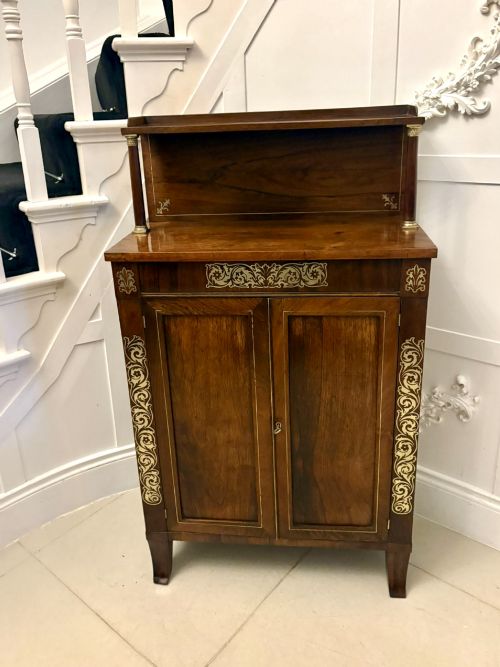
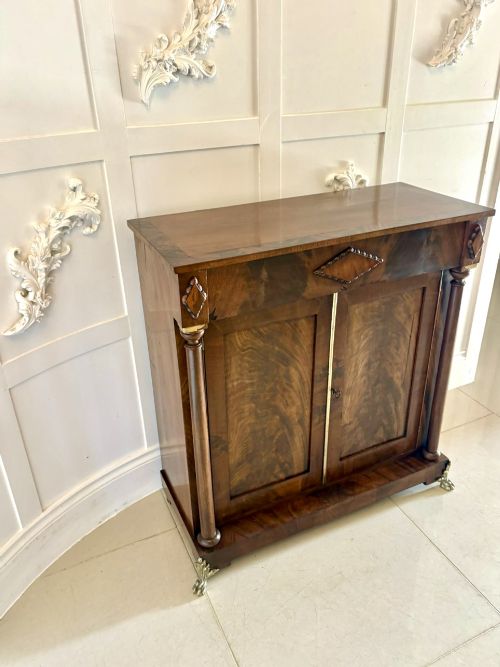
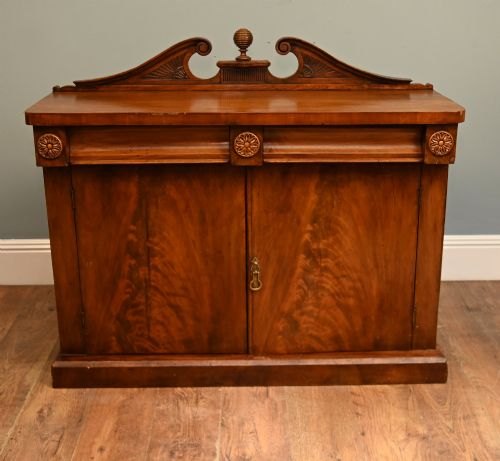
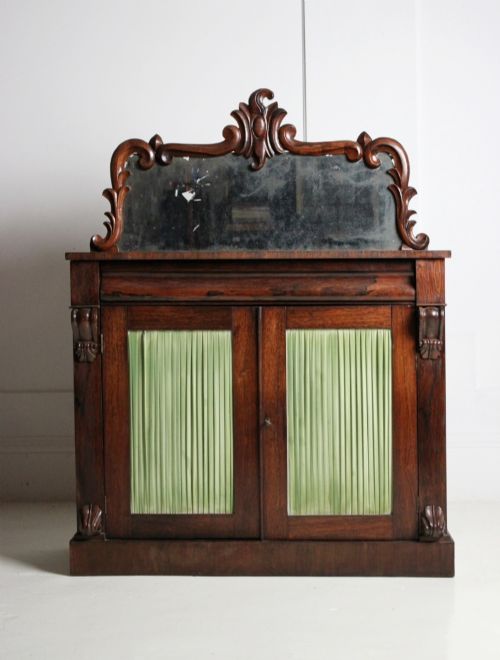
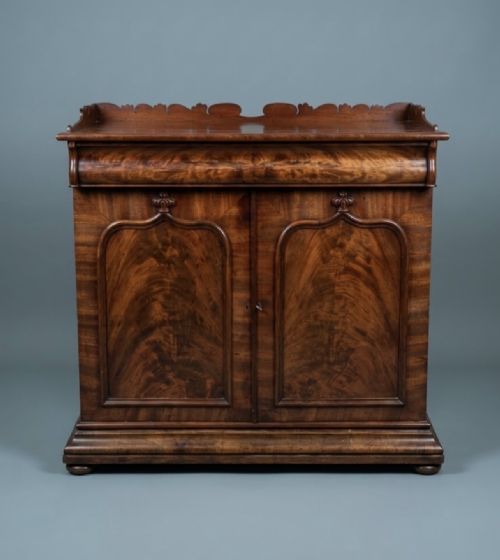
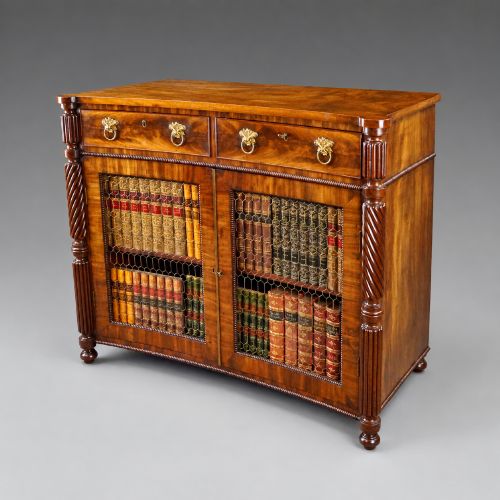
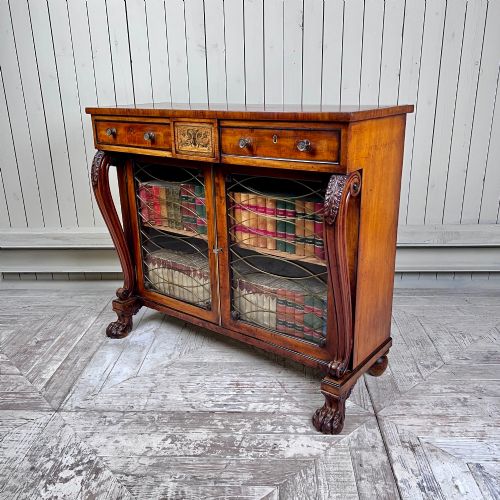
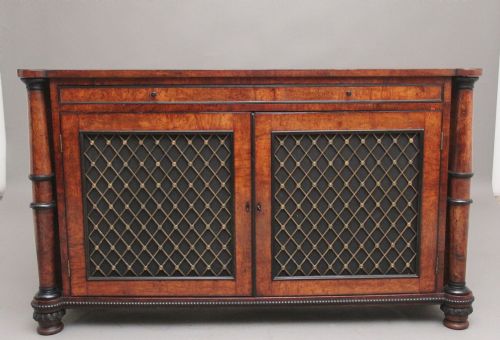
Regency Chiffonier Sideboard
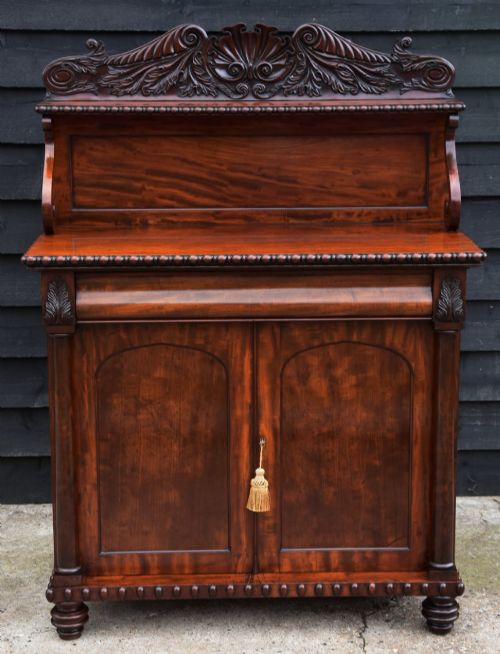
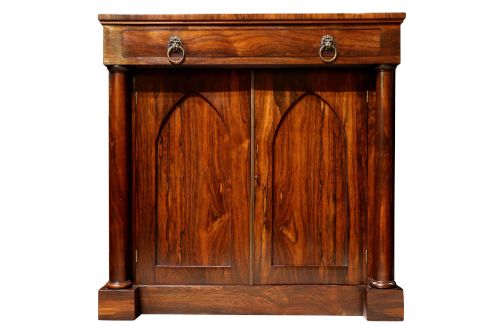
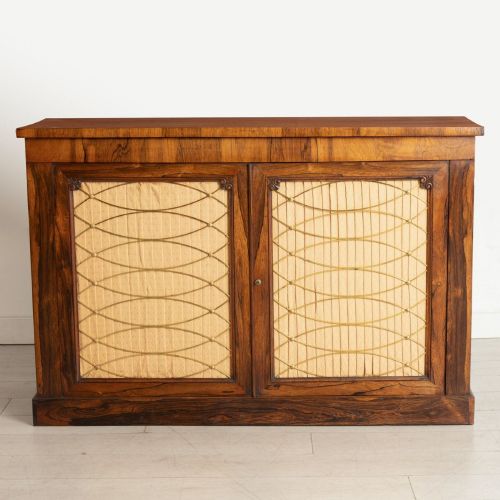
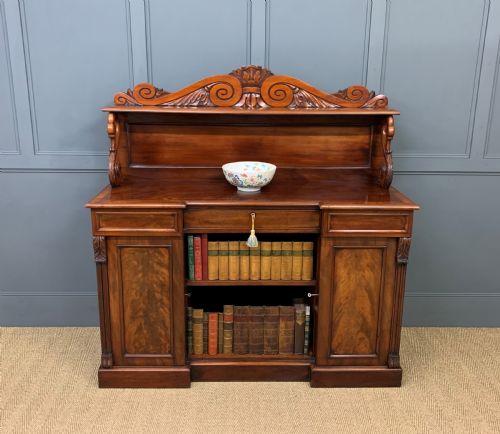
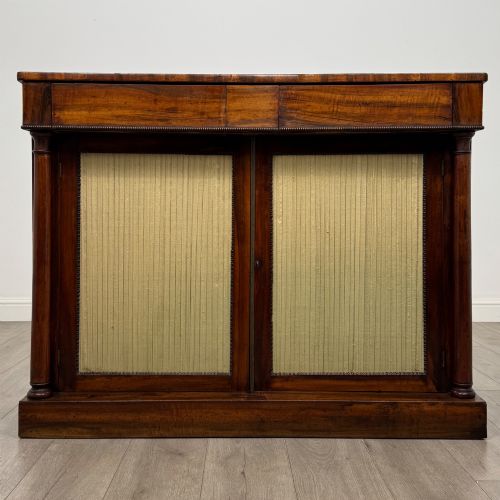
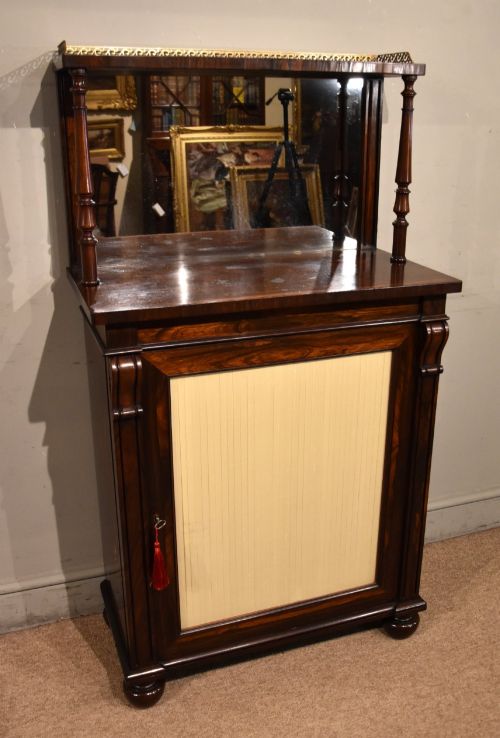
A regency chiffonier sideboard brings compact architectural elegance and enclosed shelving to a dining room or parlour.
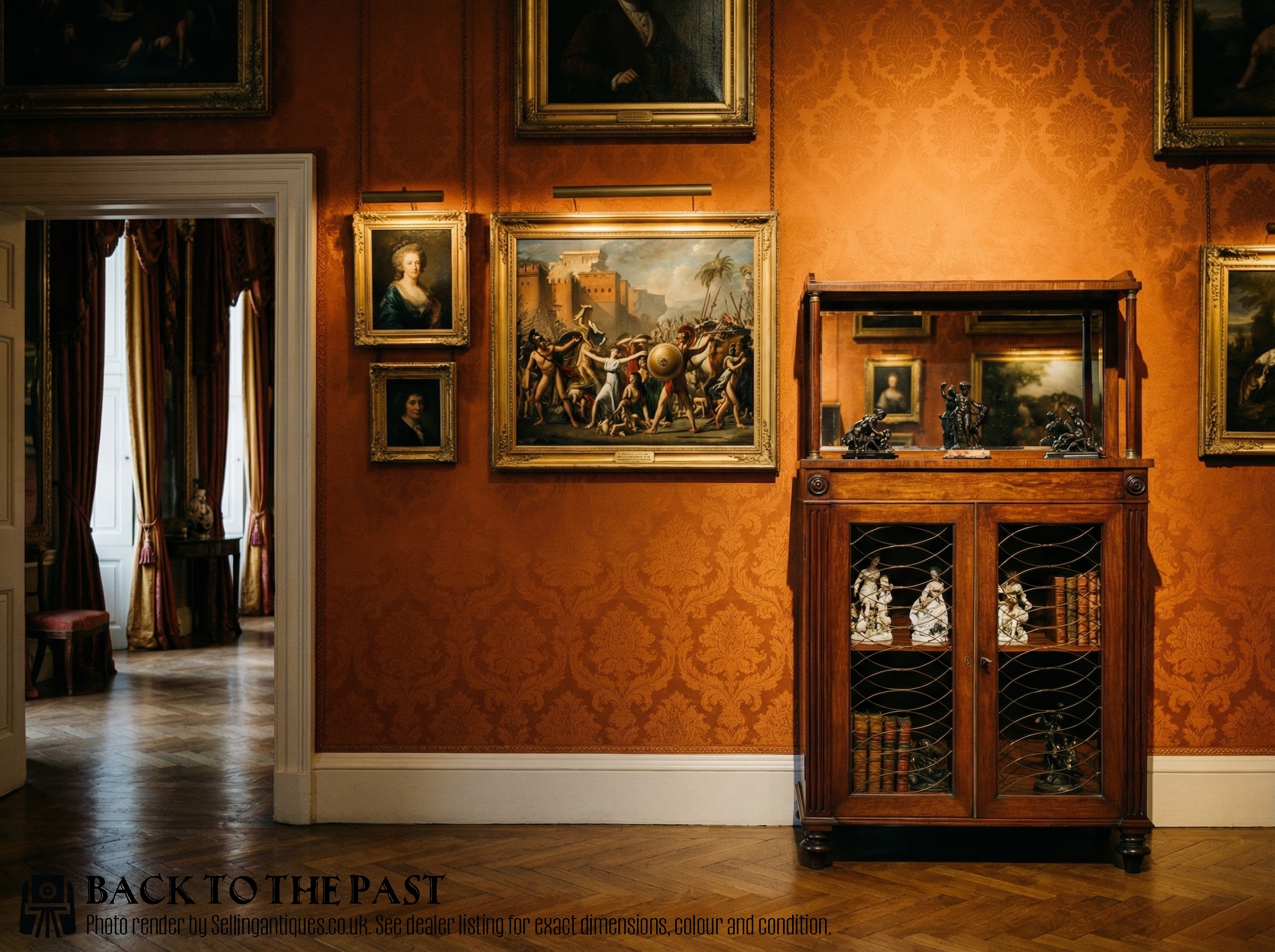
Regency Chiffonier Sideboard
A regency chiffonier sideboard combines a low sideboard base with an enclosed cupboard or upper bookcase shelf, serving as a versatile storage piece for dining rooms and sitting rooms. The pieces gathered under this term span the nineteenth century, with strong representation from the regency, george iv, and william iv periods.
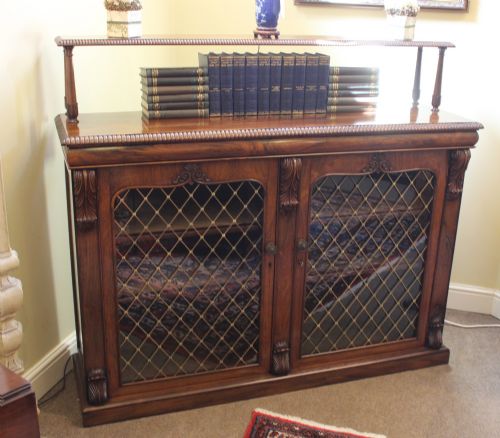
Makers and cabinet-makers of the early nineteenth century produced these low cabinets in various formats, ranging from simple dwarf cupboards to breakfront bookcases with brass grilles. Buyers will frequently encounter compact rosewood and mahogany examples designed to fit narrower spaces while providing both display surfaces and concealed storage.
The nomenclature in this category often overlaps with side cabinets, dwarf secretaires, and low bookcases, reflecting nineteenth-century domestic habits. Surviving examples demonstrate how these items evolved from utilitarian dining room storage into refined drawing-room furniture.
Materials and Construction
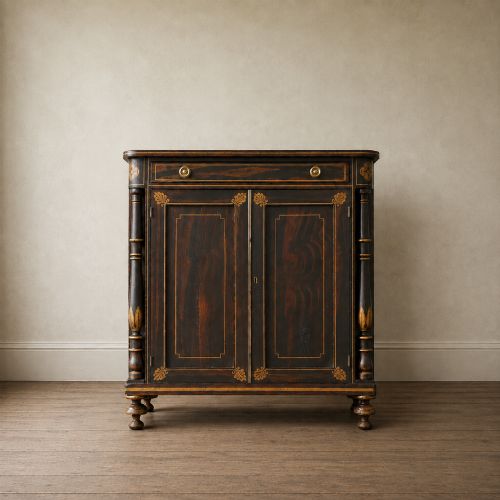
Cabinet-makers relied heavily on rich primary timbers like figured mahogany, flame mahogany veneer, and dark rosewood, frequently accented with contrasting ebony stringing. Secondary woods such as pine and oak form the internal carcases, whilst specialist finishes include simulated rosewood paint on pine substrates.
Constructed forms range from dwarf cupboards and secretaire cabinets to breakfront bookcases with brass wire grilles.
Craftsmanship and Proportion
The distinction between standard utility items and superior examples lies in the selection of timber veneers and the precision of brass inlay work. Grain matching across drawer fronts and cupboard doors indicates a maker who paid careful attention to visual harmony.
Structural refinement also separates the output of documented workshops from provincial pieces, particularly in the joinery of internal secretaire drawers and the integration of brass grilles. Proportions remain crucial, with narrower, lower profiles commanding greater attention for domestic placement.
Gillows
The Regency Chiffonier Sideboard Glossary
- Chiffonier
- A low cabinet or sideboard equipped with lower cupboards and sometimes an upper shelf or bookcase tier. This form became popular during the regency period for storing dining silver or books.
- Secretaire
- A desk drawer that pulls out and drops down to reveal a fitted writing surface and small pigeonholes. Cabinet-makers integrated this feature into dwarf cabinets to combine writing facilities with cupboard storage.
- Breakfront
- A piece of furniture where the central section projects forward from the flanking wings. This architectural arrangement creates depth and shadow on the facade of larger sideboards.
- Stringing
- Fine inlay lines of contrasting timber used to edge panels and drawers. Ebony stringing is commonly found against lighter mahogany backgrounds on regency pieces.
- Flame mahogany
- A veneer cut from timber where the grain creates a dramatic, flamelike pattern. Cabinet-makers selected these figured sections for the most prominent display surfaces.
Regency Chiffonier Sideboard: Frequently Asked Questions
What is a regency chiffonier sideboard?
A regency chiffonier sideboard is a low nineteenth-century cabinet designed for living spaces, combining cupboard storage below with an optional shelf or bookcase above. These pieces typically feature rich mahogany or rosewood timbers.
They served primarily in dining rooms and parlours to hold tableware, books, or writing materials. Their compact stature distinguishes them from larger formal sideboards of the Georgian era.
How do I identify a regency period piece?
Regency pieces are identified through characteristic design details such as classical proportions, brass inlay, ebony stringing, and turned pillar supports. The use of flame mahogany veneer and rosewood is also typical of this era.
Cabinet-makers of this time drew inspiration from classical antiquity, leading to restrained, elegant lines. Interior construction using oak or pine secondary woods further helps verify the period.
Where were chiffoniers used in the home?
These cabinets were placed in dining rooms, libraries, and withdrawing rooms to provide supplementary surface space and concealed storage. The lower cupboards kept everyday dining accessories out of sight.
In some instances, pieces with upper shelves or grilles doubled as display units for small ceramics or books. Their smaller footprint allowed them to fit neatly against wall spaces where full-sized sideboards would not go.
Can I use a chiffonier as a desk?
Certain examples incorporate a pull-down secretaire drawer fitted with small compartments and a leather writing surface. These dual-purpose cabinets allowed owners to write letters without requiring a dedicated bureau.
When closed, the secretaire drawer blends seamlessly with the other drawer or door fascias. This clever engineering made them exceptionally popular for compact urban drawing rooms.