



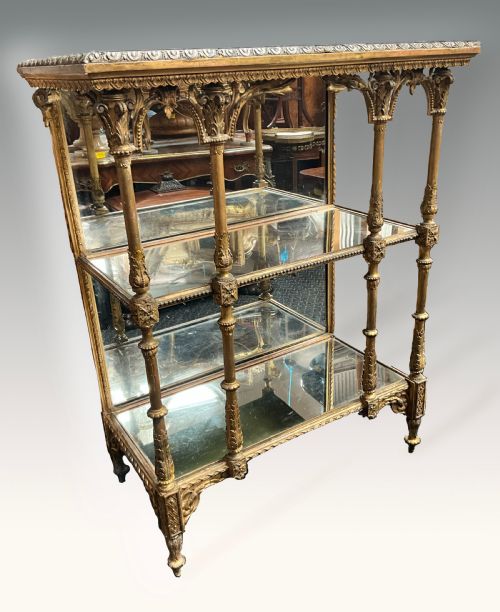


Antique Console Chiffonier
These antique console chiffonier pieces offer refined timber storage and display surfaces that anchor a grand reception room.
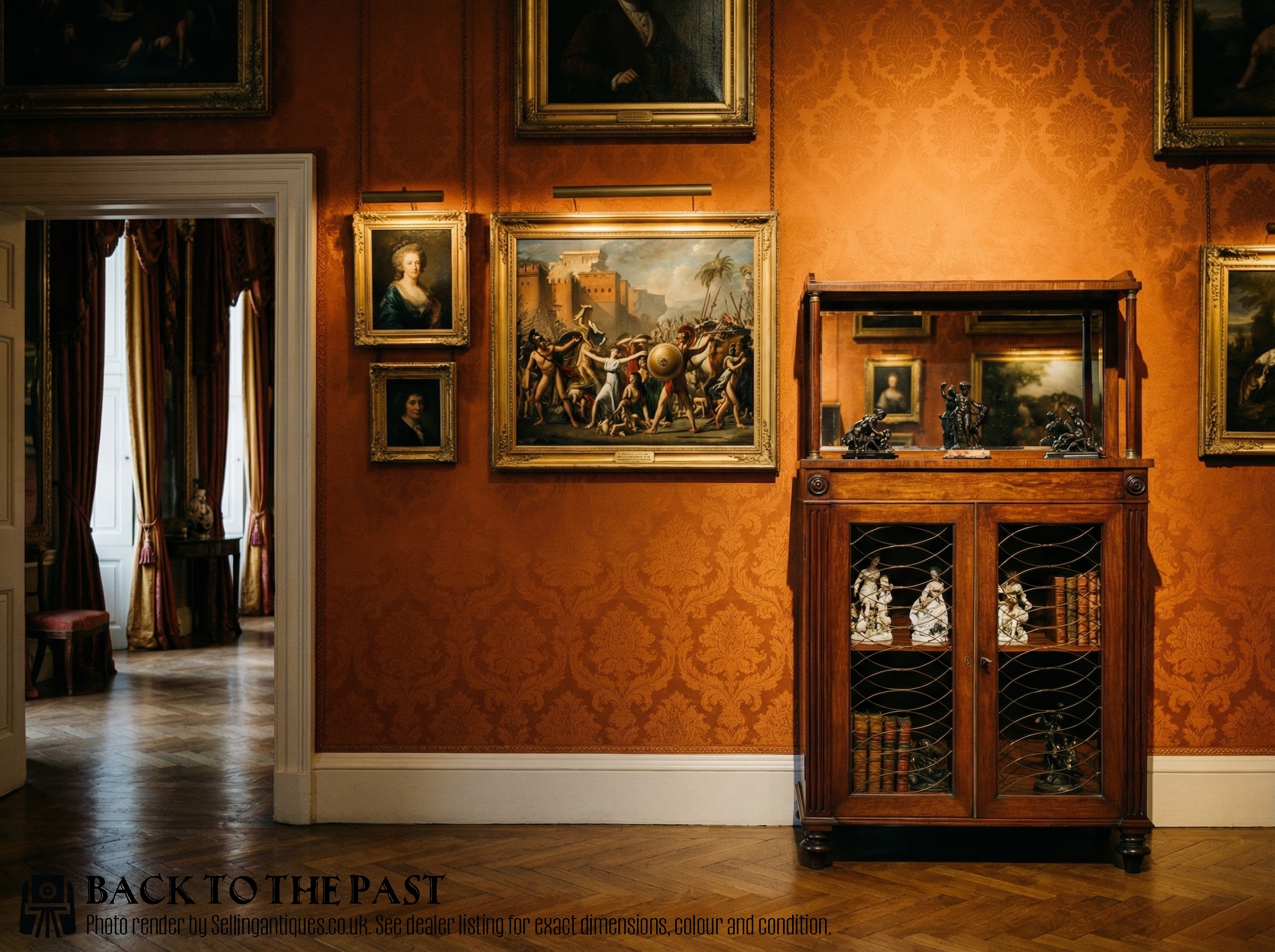
Antique Console Chiffonier
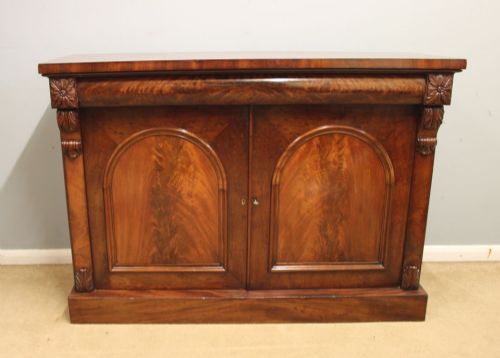
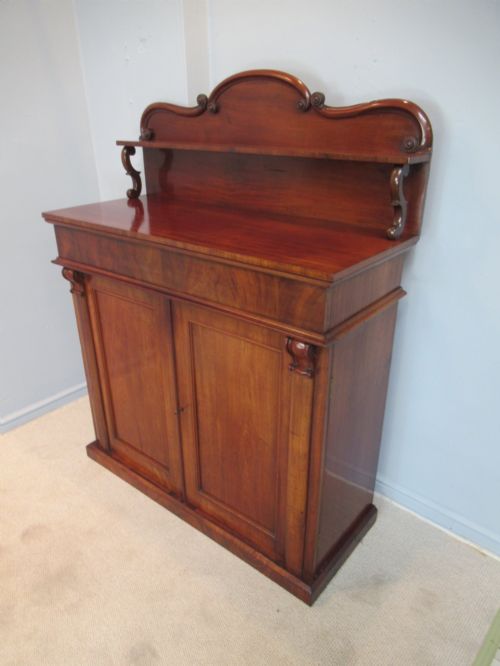
An antique console chiffonier combines the compact footprint of a side cabinet with the display utility of a low sideboard, frequently incorporating enclosed cupboards below and open or mirrored shelving above.
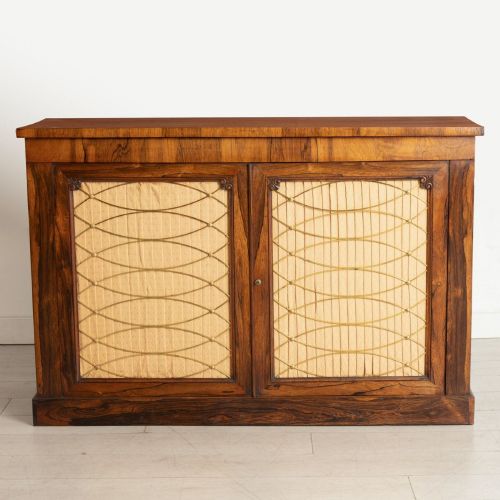
The pieces appearing in this category span the Regency, William IV, and Victorian periods, with rosewood and mahogany serving as the primary timbers encountered by collectors.
Makers produced these hybrid forms for nineteenth-century drawing rooms and dining parlours, where serving dishes, books, and decorative ceramics required neat containment against a wall.
Materials and construction
Cabinetmakers constructed the carcase of an antique console chiffonier using dense tropical hardwoods such as mahogany and rosewood, often applying finely figured veneers over secondary pine or oak foundations.
Many examples incorporate white marble tops, brass gallery rails, and glazed or mirrored doors, reflecting the refined interior tastes of the nineteenth century.
Carved scrollwork, brass inlay, and giltwood accents punctuate the architectural facades, executed by specialist artisans working within established revivalist styles.
One past cabinet packed so many descriptive titles into a single entry it listed sideboard, chiffonier, pier, and console table all at once.
Assessing quality and finish
The distinction between standard commercial output and superior craftsmanship lies in the selection of timber veneers, where book-matched grain patterns demonstrate exceptional visual continuity across the doors and drawers.
Carved details such as applied mouldings and corbels show crisp hand-chisseling rather than heavy cast composition, indicating a cabinetmaker of higher standing.
Original hardware, sound door alignment, and intact marble slabs or mirror glass separate untouched survivals from heavily restored or altered examples.
The Antique Console Chiffonier Glossary
- Chiffonier
- A low nineteenth-century sideboard featuring enclosed cupboards beneath a shelf or upper tier. This form evolved from simple side cabinets to become a principal drawing room furnishing.
- Regency
- An English design period spanning the early nineteenth century defined by classical restraint and archaeological revival motifs. Pieces from this era often utilise exotic rosewood and brass inlay.
- Rosewood
- A dense, heavily figured dark timber favoured for high-status nineteenth-century cabinet work. Its rich grain variations made it the preferred choice for sophisticated chiffoniers.
- Credenza
- A low cabinet originating in Italy and later adopted in nineteenth-century British and French interiors for formal display. These pieces frequently share floor plans with large sideboards and chiffoniers.
- Giltwood
- Timber coated with gold leaf or metallic paint to create a brilliant decorative surface. This finish appears on elaborate frames and mirrored display shelves.
Antique Console Chiffonier: Frequently Asked Questions
What is an antique console chiffonier?
An antique console chiffonier is a low nineteenth-century cabinet designed for storage and display in reception rooms. These pieces typically feature lower cupboards combined with upper shelving or a flat top surface.
Cabinetmakers built them primarily in mahogany and rosewood during the Regency and Victorian eras to serve as both sideboards and decorative side tables.
How were these cabinets used originally?
Households utilised these pieces in dining rooms and drawing rooms to store silverware, linens, books, and glassware. The top surface provided space for serving dishes or displaying ornamental ceramics.
In grander interiors, the mirrored variants helped reflect candlelight and amplify natural illumination within the room.
How do I date a Victorian chiffonier?
Dating relies upon examining the timber, construction methods, and stylistic revival markers present in the piece. Regency and William IV examples often display crisper classical proportions and exotic rosewood veneers.
Later Victorian versions frequently exhibit heavier carved mahogany details and darker factory finishes characteristic of nineteenth-century production.
How do I style a chiffonier at home?
Placement works best against a primary wall in a dining room, hallway, or living space where the low profile complements surrounding seating. The top surface accommodates lamps, books, or small collections without overwhelming the room.
Keeping the interior shelves organised for glassware or linens maintains the functional character intended by the original maker.