
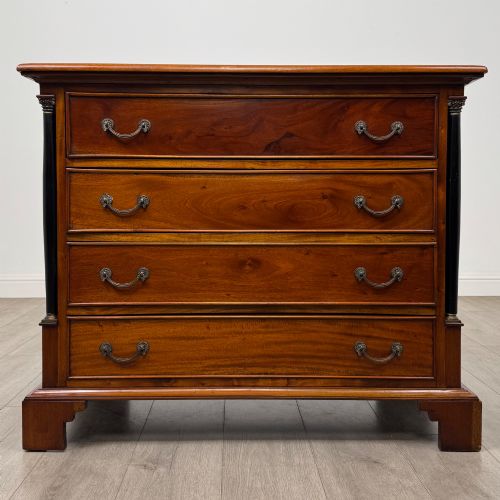
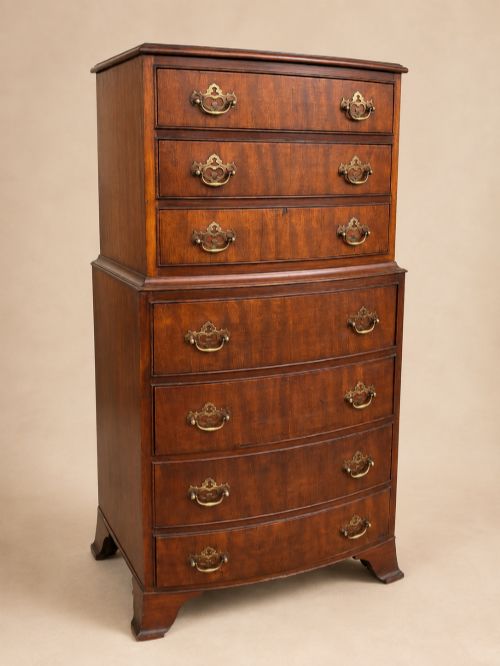
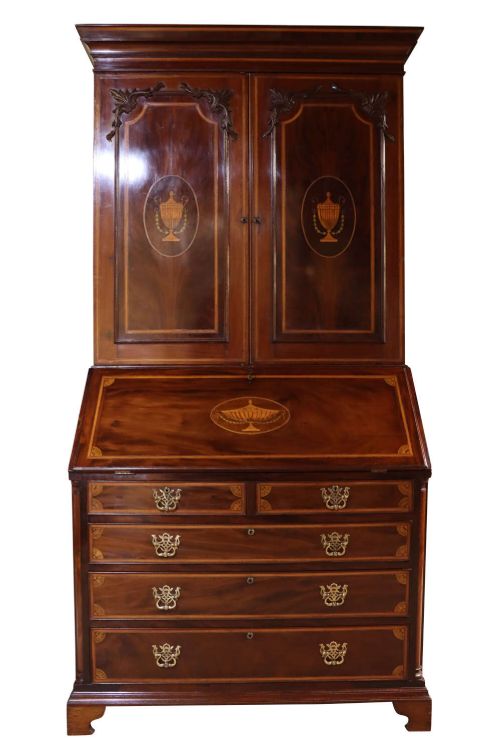
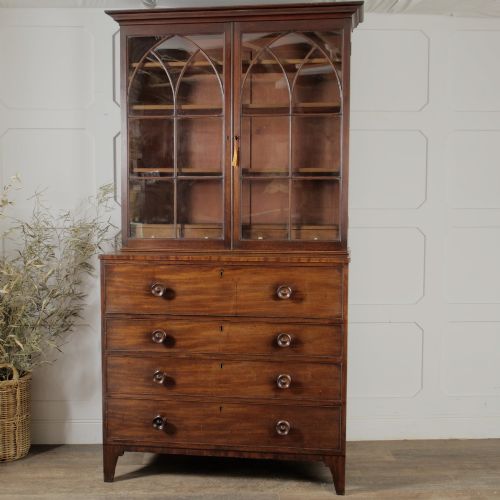
Regency Cabinet with Drawers
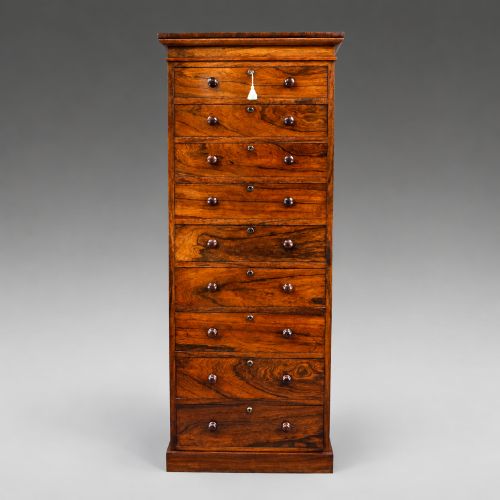
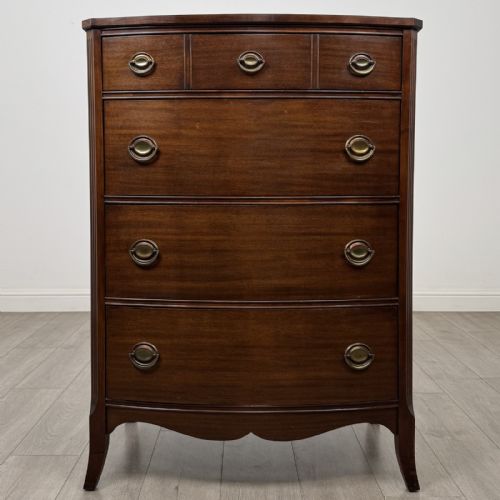
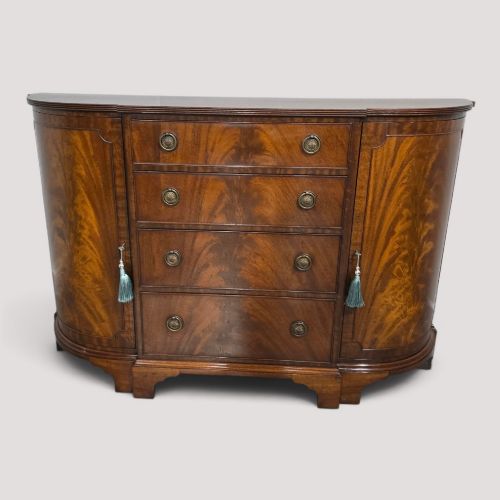
A regency cabinet with drawers brings together clean architectural lines and practical storage, serving as both a display surface and a secure compartment for papers or small valuables.
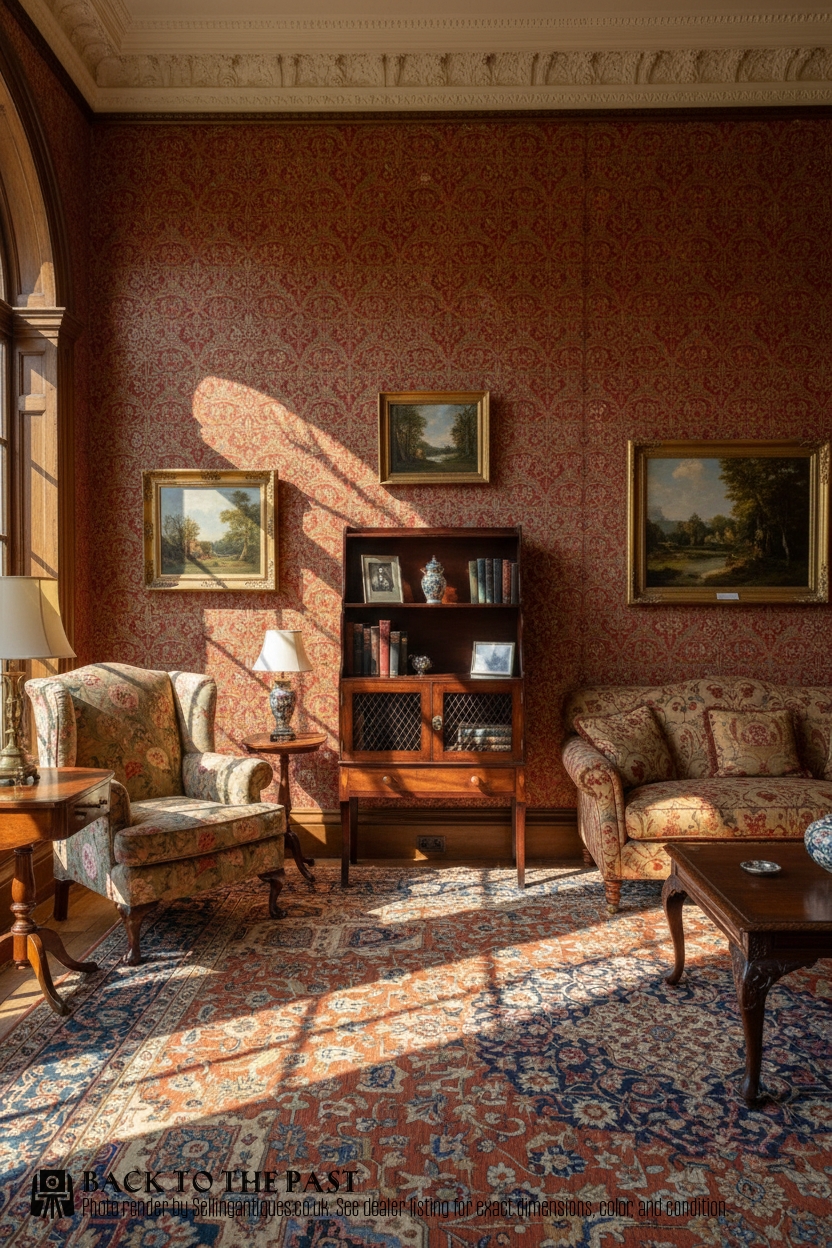
Regency Cabinet with Drawers
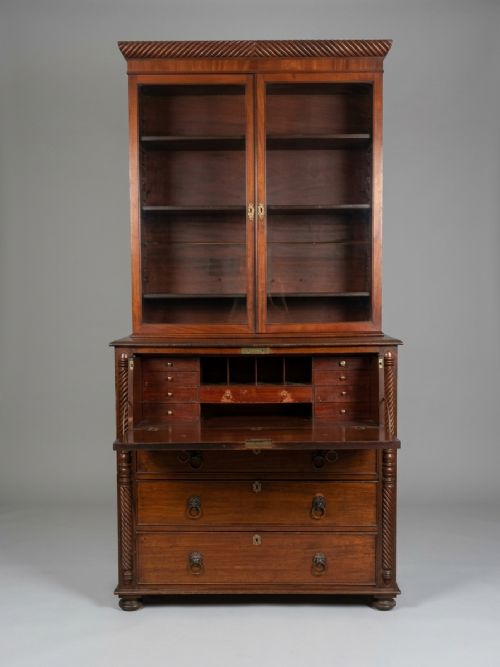
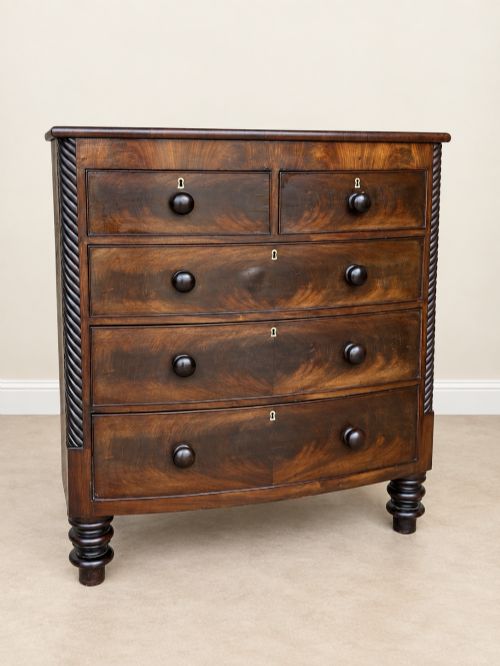
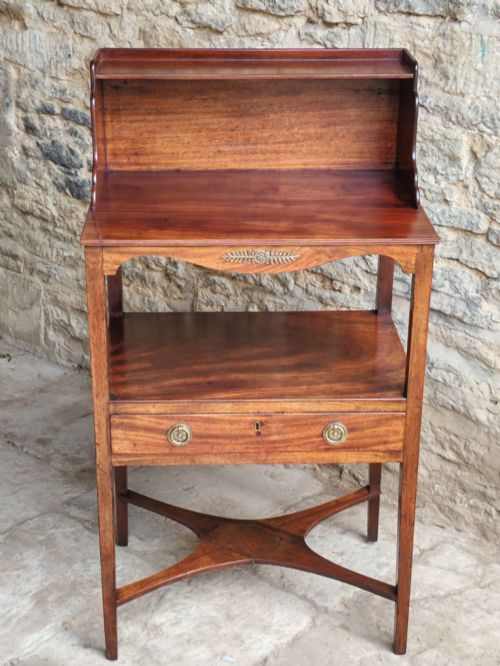
A regency cabinet with drawers combines formal display spaces with integrated storage compartments across various forms like secretaires, chiffoniers, and side cabinets. These pieces most frequently emerge from the Regency and wider nineteenth-century periods, often built to serve specialised domestic functions in libraries, drawing rooms, and bedrooms.
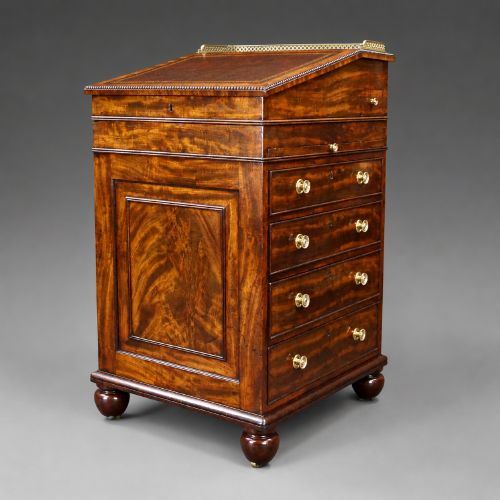
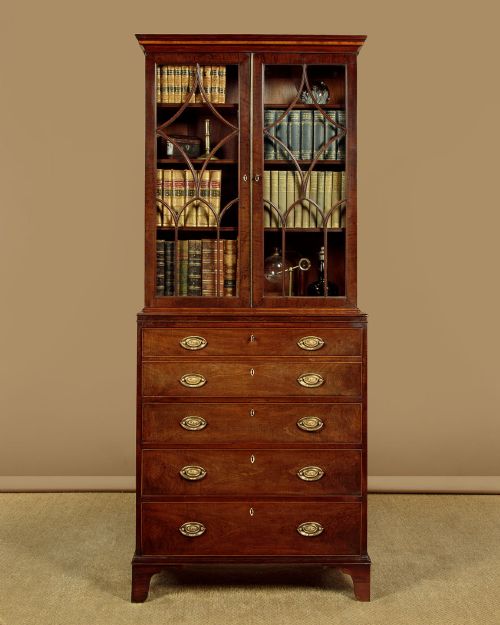
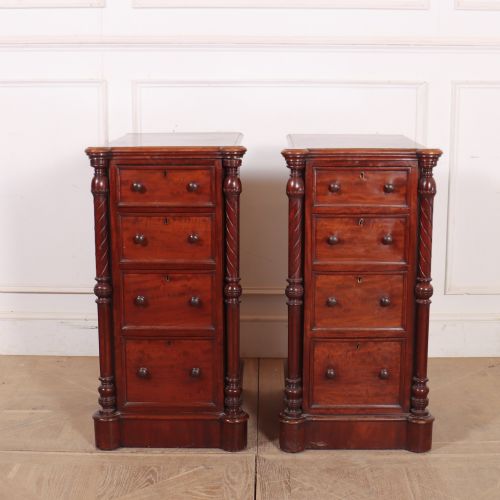
The selections span compact bedside units and Davenport desks alongside larger breakfront bookcases and linen presses equipped with multiple drawers. Buyers encounter distinct regional and stylistic variations, including Georgian influences, William IV proportions, and later nineteenth-century interpretations.
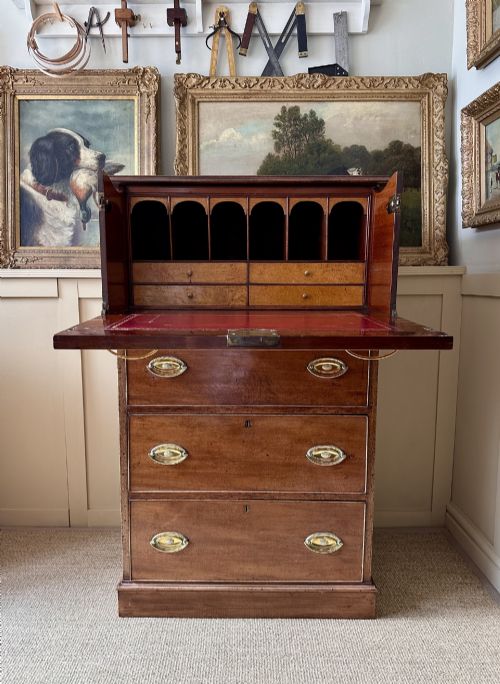
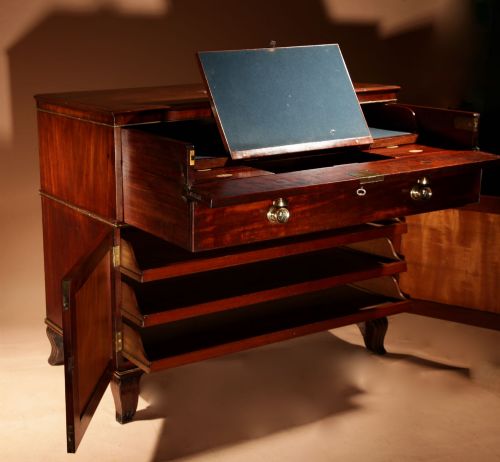
Many examples incorporate functional writing slides, fold-down desk compartments, and lower banks of drawers, prioritizing utility alongside formal architectural presence. The underlying framework typically relies on traditional carcase construction designed to house specialised storage configurations safely.
Materials and construction methods
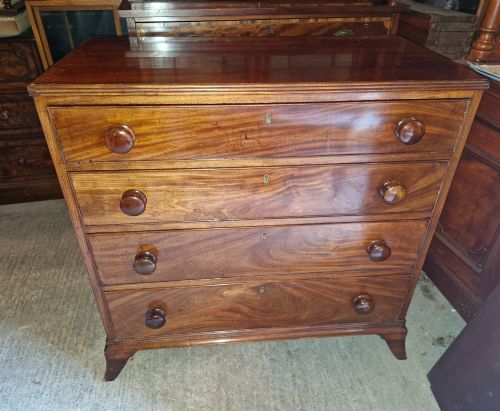
Cabinetmakers constructed these pieces primarily using solid mahogany, flame mahogany, and rosewood veneers laid over secondary timbers, frequently accentuating the surfaces with contrasting wood inlay and satinwood banding. Workshops integrated pollard oak and plum pudding mahogany to exploit natural grain patterns, applying French polish to seal and enrich the timber.
Structural embellishments relied on cast brass handles, gallery rails, and fine stringing inlaid directly into the carcase. Glazed doors utilised wooden framing bars to secure individual glass panes, while internal drawer dividers and fitted secretaire interiors employed secondary softwoods with hand-cut dovetail joints.
Recorded periods span the Georgian era, the Regency years, and the broader nineteenth century, reflecting sustained demand for multifunctional timber cabinetry.
Measures of quality and distinction
The grade of a piece rests heavily on the selection of timber veneers, where symmetrical flame mahogany or figured rosewood indicates careful material planning by the maker. Subtleties in brass hardware execution, such as crisply cast handles and intact lock mechanisms, separate standard workshop output from higher commissions.
Structural integrity reveals itself in the precision of the drawer dovetailing and the smoothness of sliding mechanisms like pull-out desk surfaces and concealed steps. Finer pieces maintain original glass panes, balanced proportions, and integrated secondary tiers without later alterations to the internal configuration.
Gillows
The Regency Cabinet with Drawers Glossary
- Davenport
- A compact writing desk featuring a sloping, hinged top above a pedestal of side drawers.
- Secretaire
- A cabinet or desk incorporating a drop-front writing drawer that conceals a fitted interior of small compartments.
- Chiffonier
- A low sideboard or cabinet typically fitted with shelves above and enclosed storage or drawers below.
- Canterbury
- A low freestanding rack partitioned for holding newspapers, sheet music, or magazines, often mounted on castors with an underlying drawer.
- Linen Press
- A tall storage cabinet featuring upper sliding trays or shelves and lower stacking drawers for textiles.
Regency Cabinet with Drawers: Frequently Asked Questions
What is a secretaire drawer?
A secretaire drawer is a pull-out compartment with a hinged front that drops down to form a writing surface. Inside, it reveals a series of small pigeonholes and miniature drawers designed for stationery.
This clever mechanism allows a cabinet to function as a full writing desk without taking up additional floor space in a principal room.
How do I identify a Regency period piece?
Regency pieces typically display classical architectural restraint, clean linear forms, and restrained brass mounts rather than heavy carving. They often incorporate dark tropical hardwoods like mahogany and rosewood with contrasting stringing.
Examining the secondary timbers inside the drawers and the construction of the backboards helps confirm the period of manufacture.
Where were bedside cabinets used?
Bedside cabinets served as private storage units in bedrooms, holding chamber pots, night lighting, and personal items out of sight. Many featured enclosed cupboards paired with a single top drawer for convenience.
Some specialised variants included pull-out steps to assist with climbing into high nineteenth-century beds.
Can I use a Davenport desk daily?
A Davenport desk offers a practical writing surface and secure drawer storage that suits modern laptop use or letter writing. The sloping lid provides an ergonomic angle for reading and writing.
Care should be taken to protect antique polished wood surfaces from moisture and direct heat sources during everyday use.