
Brown Wood Standing Shelves
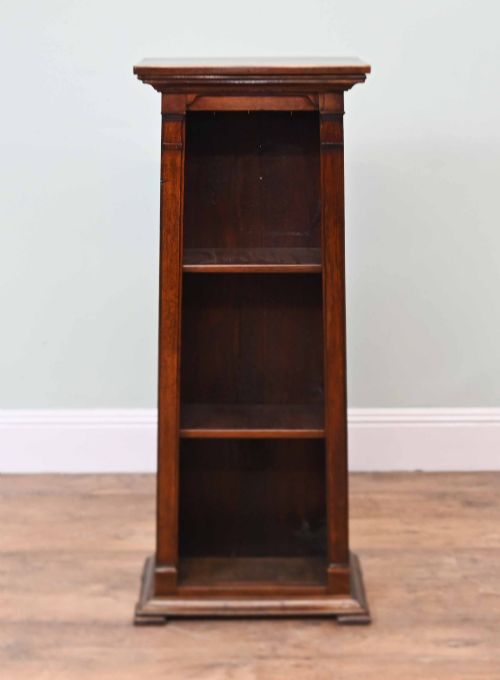
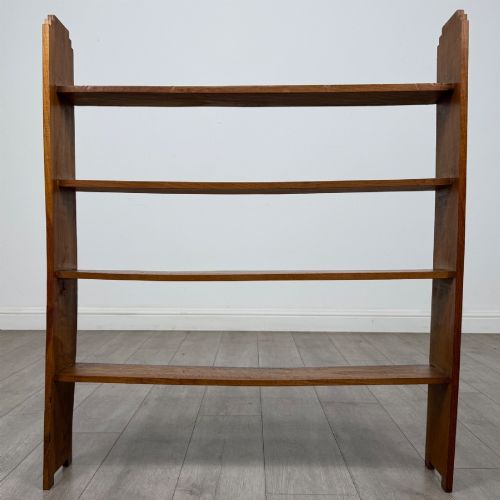
Brown wood standing shelves bring warmth and vertical utility to a room, offering timeless display and storage space for books and objects.
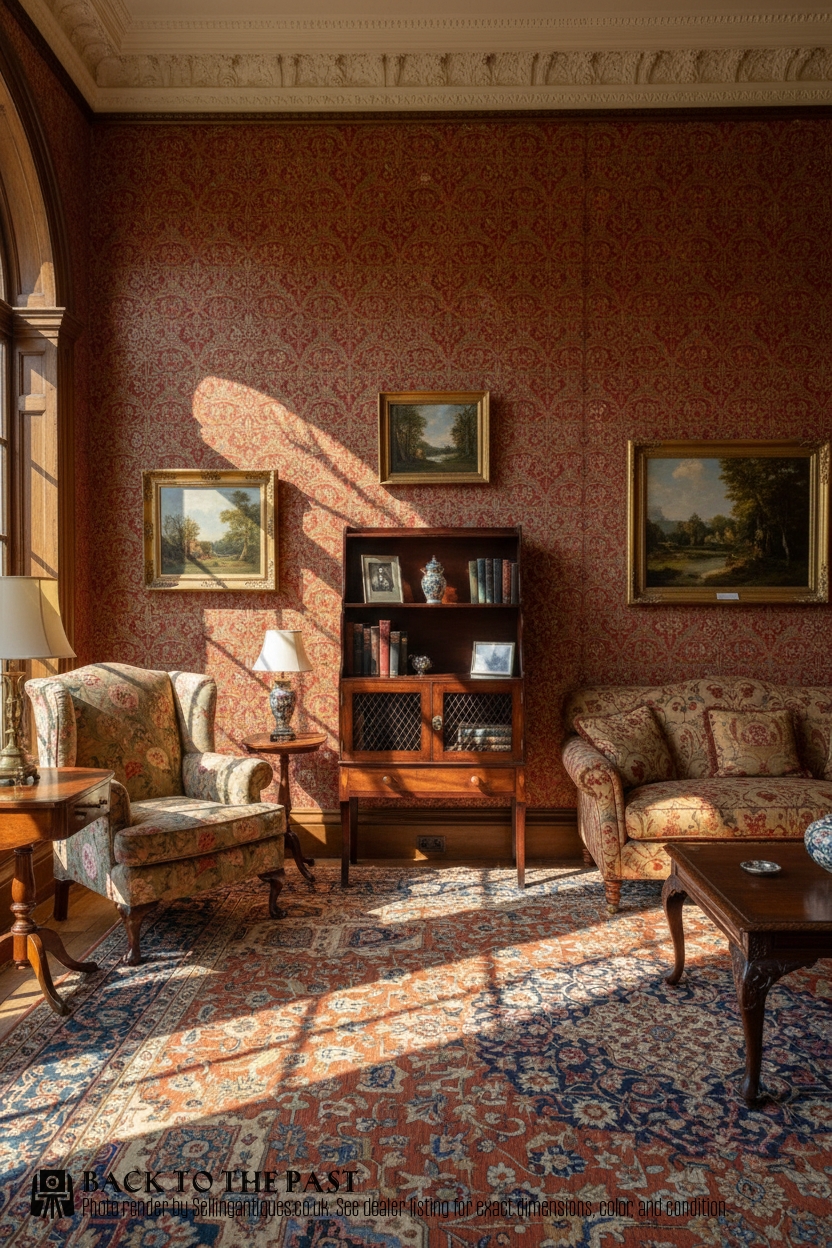
Brown Wood Standing Shelves
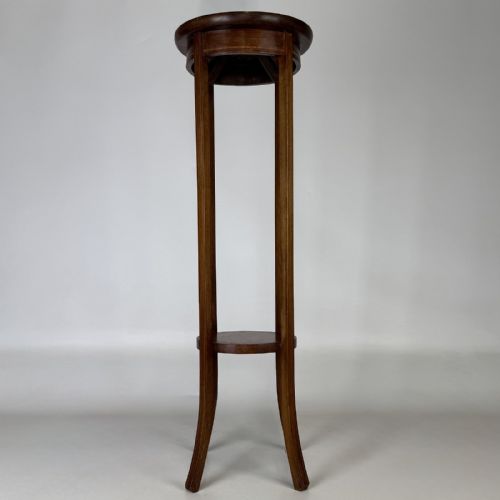
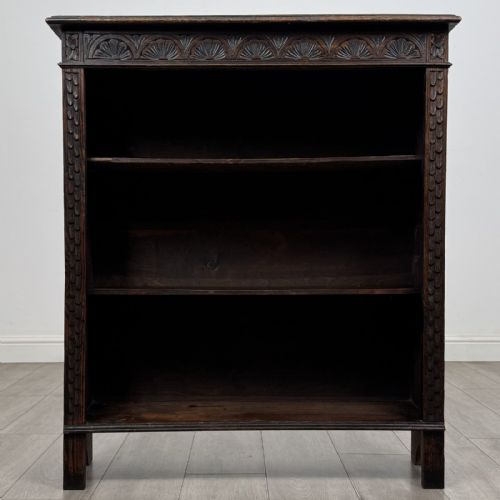
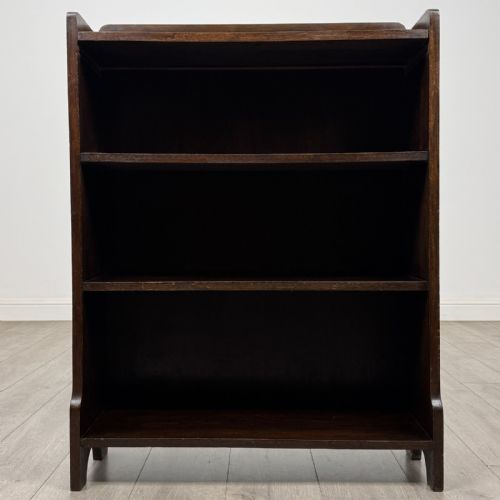
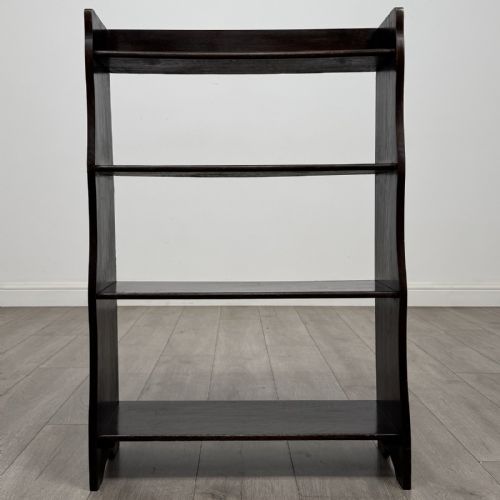
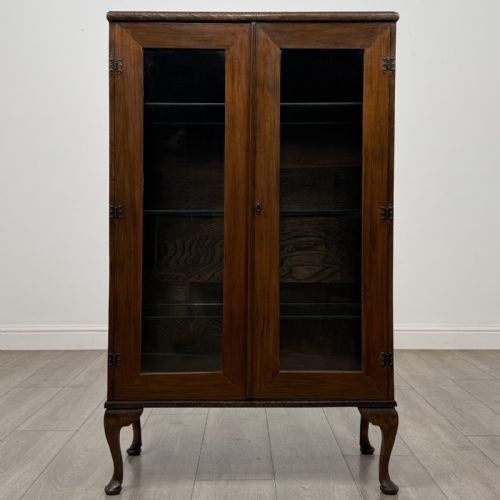
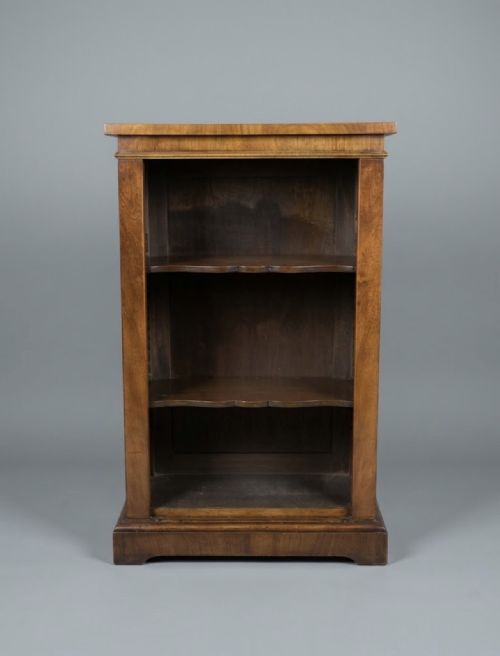
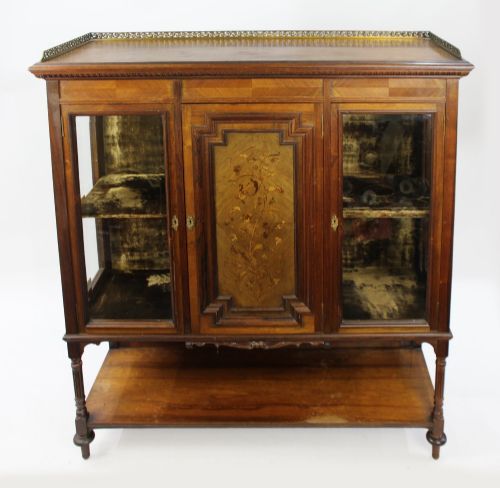
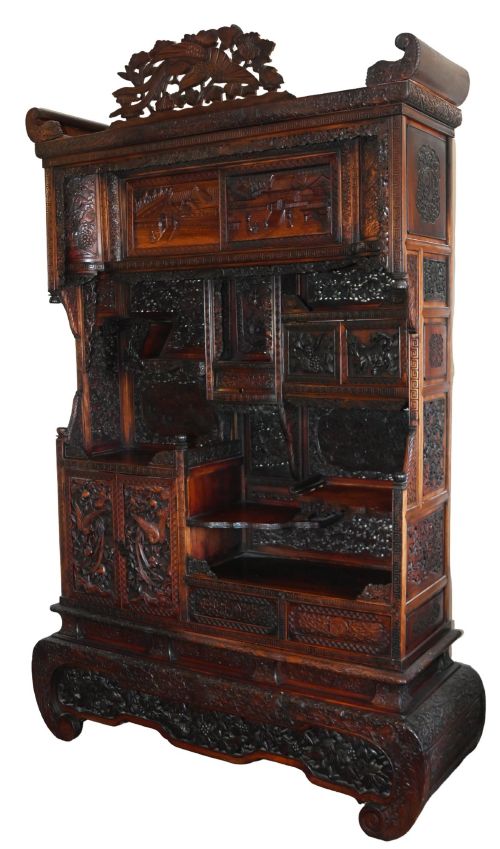
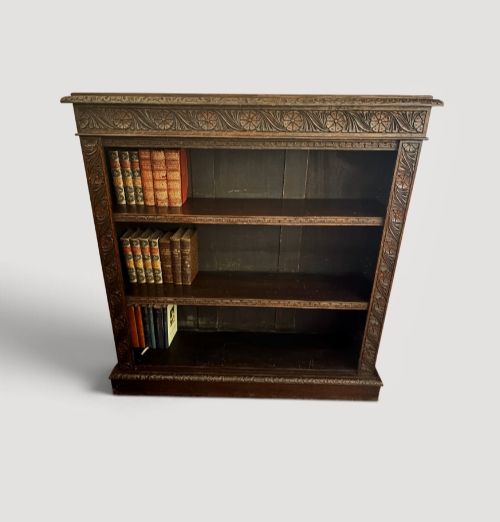
The selections you meet on this page lean heavily towards Victorian and Edwardian examples alongside Georgian and early twentieth-century designs. Mahogany and walnut dominate the offerings, frequently showing the deep grains and warm patinas characteristic of traditional cabinet-making.
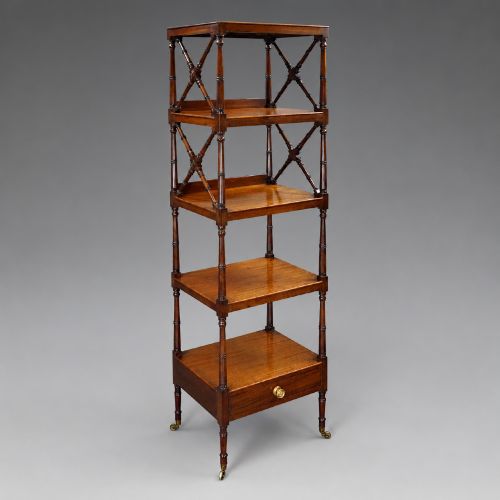
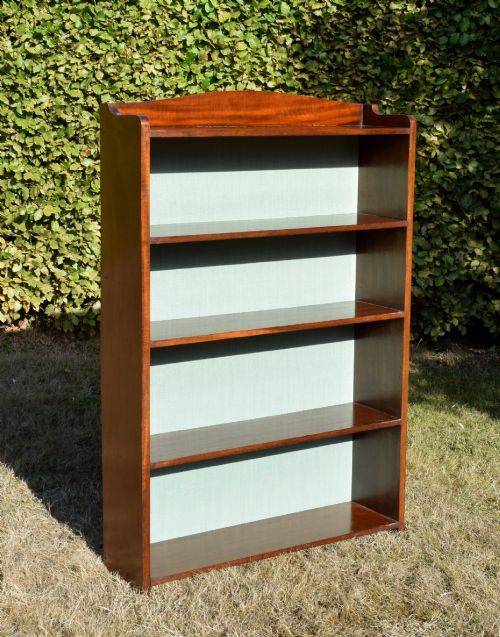
Forms vary from tall open bookshelves to compact multi-tiered stands fitted with brass castors or delicate corner brackets. Whether you need a low waterfall bookcase or a towering display stand, the range spans functional library furniture and decorative parlour pieces.
Materials and construction techniques
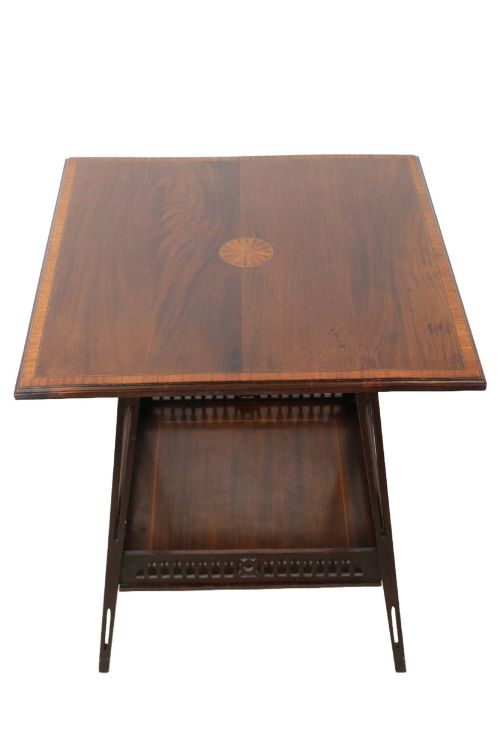
Cabinet makers utilised dense hardwoods such as mahogany, walnut, and oak to build sturdy frames capable of supporting heavy volumes and display items. Burr walnut veneers added distinctive figured patterns to table tops and cabinet doors, while satinwood and lighter stringing provided contrast on inlaid Edwardian pieces.
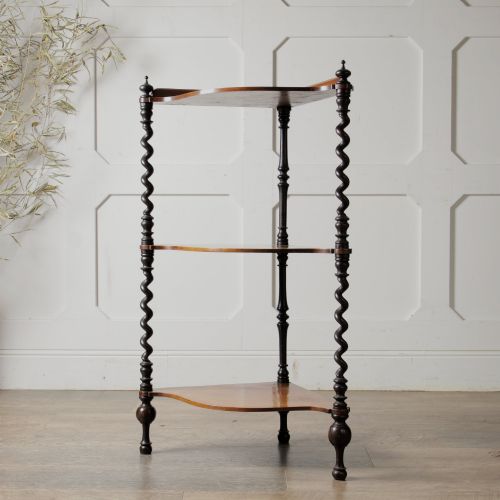
Joinery relied on traditional methods like dovetailing for drawers and secure mortise and tenon joints for upright supports. Many multi-tiered pieces incorporated turned or barley-twist columns, carved details, and brass castors to allow smooth movement across the floor.
Some Victorian whatnots feature delicate brass castors designed to chase dust bunnies across the parlour floor with absolute ease.
Evaluating craftsmanship and proportion
Quality in these brown wood standing shelves rests upon the selection of timber and the precision of the cabinet work. Superior pieces display carefully matched veneer grains, crisp hand-carved mouldings, and solid backboards rather than thin plywood inserts.
Proportion and structural integrity distinguish finer examples from standard utility items. Well-made pieces maintain rigid frames without wobbling across multiple tiers, while clever additions such as adjustable shelving or original brass hardware elevate the piece's utility and finish.
Trevor Page & Co
The Brown Wood Standing Shelves Glossary
- Whatnot
- A multi-tiered piece of furniture with open shelves designed for displaying ornaments, bric-a-brac, or books. These freestanding stands typically feature three or four levels supported by slender columns.
- Etagere
- A French term for a piece of furniture consisting of a series of open shelves for holding small objects or books. They often appear in lighter woods and decorative revival styles.
- Waterfall bookcase
- A set of open shelves where the depth and width of each tier decrease progressively from bottom to top. This creates a stepped profile resembling a cascading waterfall.
- Barley twist
- A decorative turning technique resembling a twisted rope, commonly found on the vertical supports of Victorian and Jacobean revival furniture. It adds texture and visual weight to table legs and shelf uprights.
Brown Wood Standing Shelves: Frequently Asked Questions
How do I identify a Victorian bookcase?
Victorian pieces typically utilise heavy mahogany, walnut, or oak, often featuring rich dark tones and visible grain patterns. Look for deep mouldings, carved decorative elements, and occasionally brass castors on the feet.
These pieces frequently span the nineteenth century and reflect the period's preference for sturdy, functional, yet ornate household furniture.
Where should I place a corner whatnot?
Corner whatnots fit neatly into unused room angles to maximise floor space without obstructing walkways. They work well in living rooms, studies, or hallways for displaying small sculptures, ceramics, and framed photographs.
Their triangular footprint provides stable multi-level display capacity while drawing the eye upward into the room's corners.
Are Edwardian shelves lighter in style?
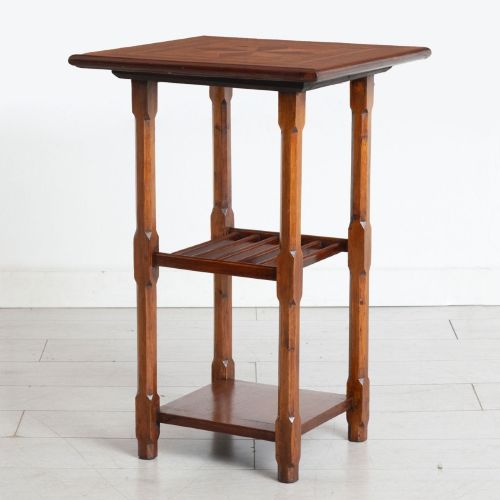
Edwardian standing shelves generally exhibit a lighter, more refined aesthetic compared to heavier Victorian predecessors. Makers frequently employed inlaid satinwood stringing, tapered legs, and subtle geometric patterns.
This shift reflects an early twentieth-century desire for brighter, less cluttered interior spaces.