


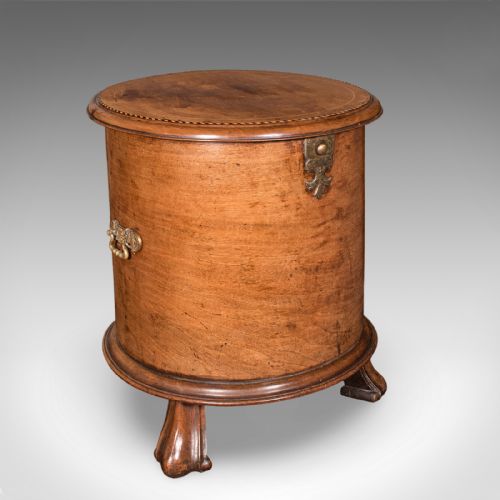


Regency Brass Inlaid Box
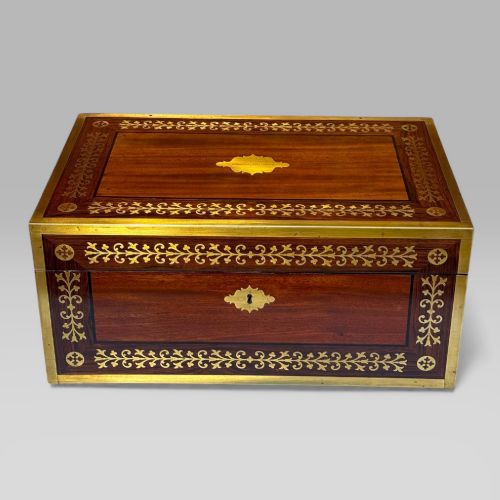
A regency brass inlaid box combines rich timber with precise metalwork, offering both practical desktop organisation and decorative elegance.
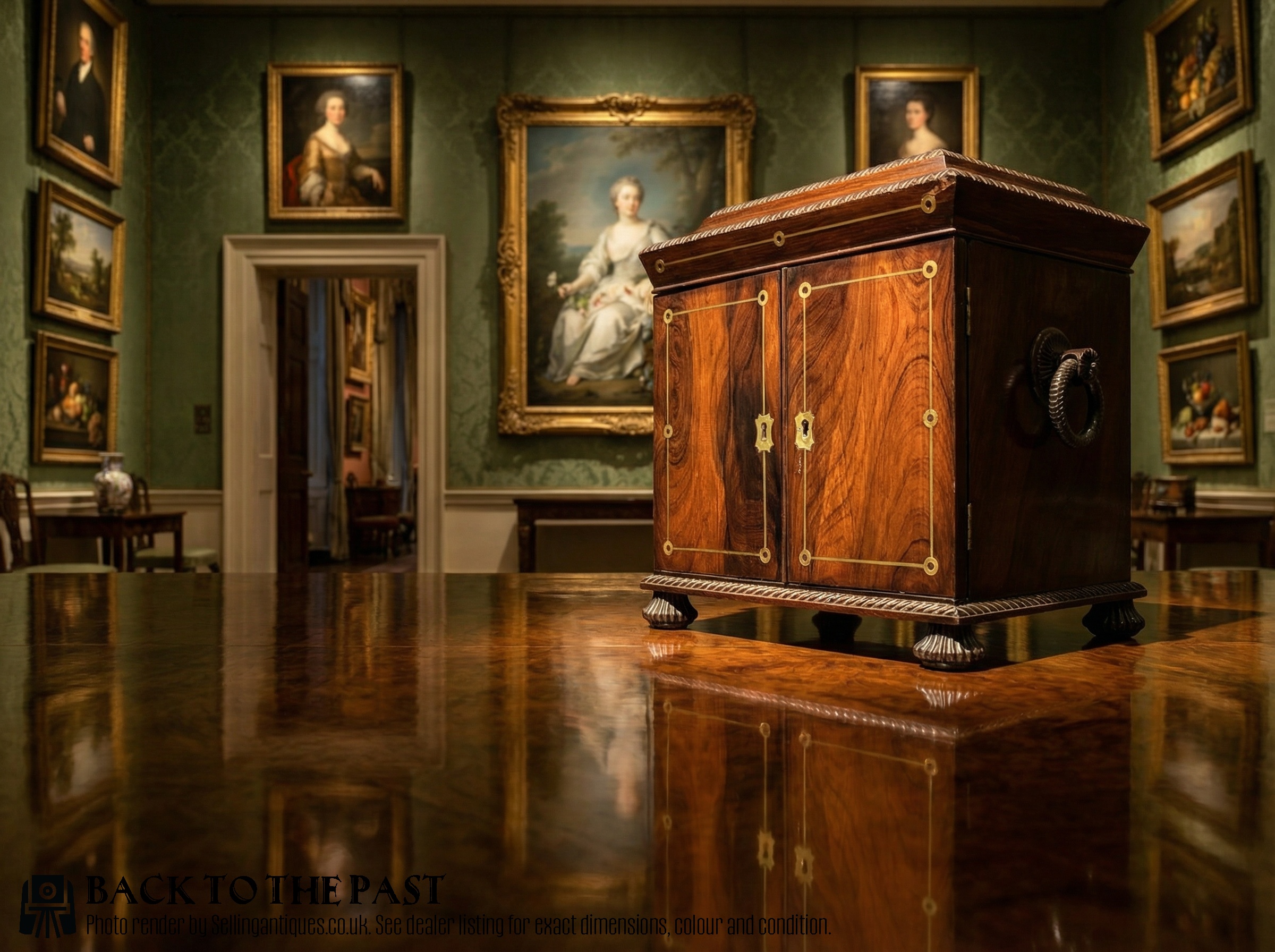
Regency Brass Inlaid Box
When searching for a regency brass inlaid box, buyers encounter items produced primarily during the early nineteenth century and the wider Georgian and Victorian periods. These pieces include writing slopes, tea caddies, document boxes, and sewing tables designed for affluent households.
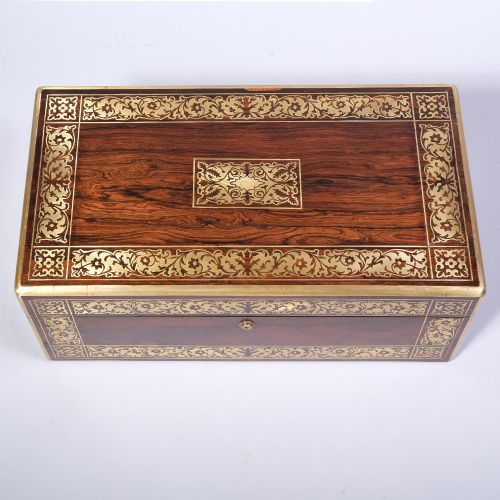
The rosewood version appears most frequently on this page, often accompanied by mahogany, coromandel, and satinwood. These containers served specific domestic functions, from storing correspondence and jewellery to housing tea leaves and writing implements.
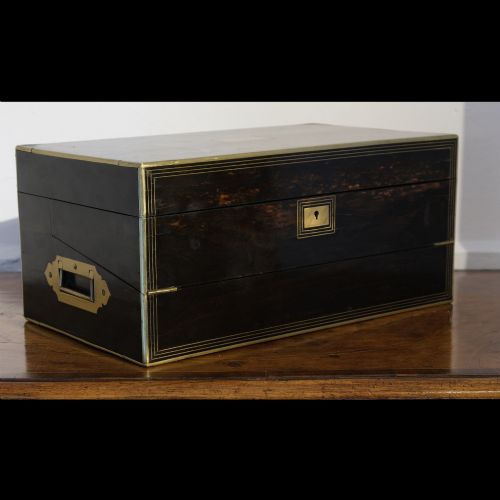
Forms range from compact table boxes to substantial military and campaign slopes fitted with secret drawers and compartments. Their origins trace to English workshops producing refined accessories for the desk and drawing room.
Materials and Construction
Craftsmen built the carcases from dense tropical hardwoods such as rosewood and mahogany, frequently applying veneers over secondary timbers. These durable foundations provided a dark, figured background designed to contrast sharply with metal ornamentation.
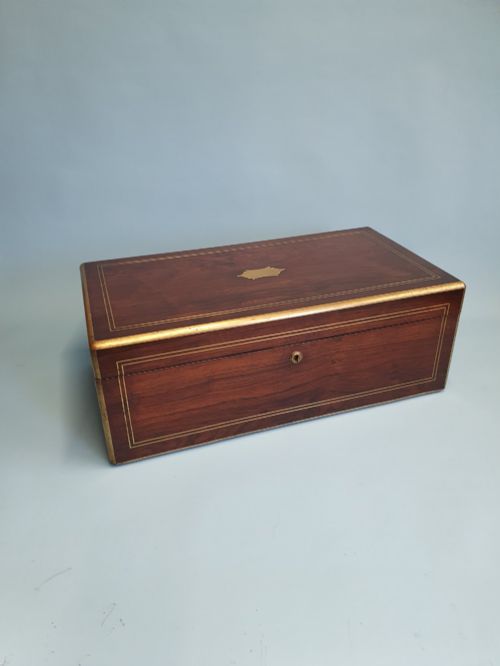
Brass inlay and stringing formed intricate geometric or foliate patterns set flush into the wooden surface. Artisans also incorporated mother-of-pearl, ebony, and boxwood details alongside cast brass handles, escutcheons, and campaign mounts.
Regency Brass Inlaid Box Retail Price Guide 2026
Typical asking prices for regency brass inlaid box among the pieces listed under this phrase on Sellingantiques today, from the lower quarter to the upper quarter. They describe what is for sale here now, not the wider market.
Many writing slopes contain hidden spring-loaded compartments that only release when obscure internal pins or panels are pushed in exact sequence.
Assessing Quality
Superior examples display exceptional precision in the brass inlay work, with tight joints where the metal meets the timber grain. The complexity of the brass cutting, ranging from simple geometric lines to elaborate foliate scrolls, indicates the skill level of the maker.
Internal fittings dictate execution standards, separating standard containers from elite pieces outfitted with original glass inkwells, velvet-lined writing surfaces, and concealed secret drawers. Well-preserved original finishes and matching hardware elevate a piece above altered or heavily restored examples.
The Regency Brass Inlaid Box Glossary
- Writing slope
- A portable desk featuring a hinged, slanted writing surface that opens to reveal compartments for paper, pens, and inkwells. These boxes were standard travel accessories for gentlemen and officers.
- Tea caddy
- A small lidded container designed to store precious tea leaves safely under lock and key. Many examples feature internal compartments and glass mixing bowls.
- Campaign box
- A sturdy portable chest or writing slope reinforced with brass corners and flush handles for military travel. These items were built to withstand the rigours of transport.
- Escutcheon
- A decorative metal plate surrounding a keyhole that protects the surrounding wood from wear. On these boxes, brass escutcheons often match the geometric inlay patterns.
- Stringing
- Narrow strips of contrasting wood or metal inlaid into the surface of a box to create fine linear borders. This technique highlights the geometric outlines of the lid and sides.
Regency Brass Inlaid Box: Frequently Asked Questions
What were writing slopes used for?
Writing slopes provided a portable writing desk for correspondence and record-keeping before fitted study furniture became standard in every room. The hinged lid unfolded to create an angled leather-lined surface for writing.
Interior compartments held stationery, folded letters, sealing wax, and inkwells securely during travel. Officers and travellers relied on these boxes to manage their affairs away from home.
How do I care for rosewood and brass?
Maintain these boxes by keeping them away from direct sunlight and sudden changes in humidity, which can cause timber to split or veneers to lift. Dust gently with a dry, soft cloth rather than using modern chemical sprays.
Apply a microcrystalline wax occasionally to nourish the hardwood and preserve the polished sheen. Take care around the brass inlay so that abrasive cleaning agents do not discolour the surrounding wood grain.
How do I identify a Regency period box?
Regency boxes typically feature dark rosewood or mahogany combined with precise cut-brass inlay depicting classical motifs, tendrils, or geometric borders. Proportions remain balanced and architectural, reflecting the taste of the early nineteenth century.
Examine the construction methods, including hand-cut dovetails on internal compartments and original brass hardware. Labels or stamps occasionally appear inside, though many fine pieces remain unsigned by their makers.
Can I still use these boxes daily?
These boxes adapt well to modern use as jewellery cases, desk tidies, or storage for letters and keepsakes. The robust construction and compartmentalised interiors remain practical for organising small personal items.
Ensure that hinges, locks, and folding writing surfaces are handled with care to preserve their delicate internal mechanisms. Using them gently allows you to enjoy antique craftsmanship as part of daily life.