

Regency Brass Furniture
Regency brass furniture brings together fine timbers and striking metalwork, offering both functional elegance and classical style for the home.
Regency Brass Furniture
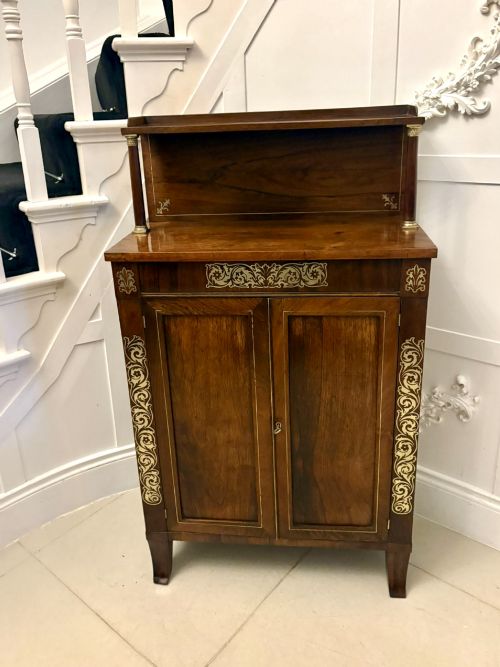
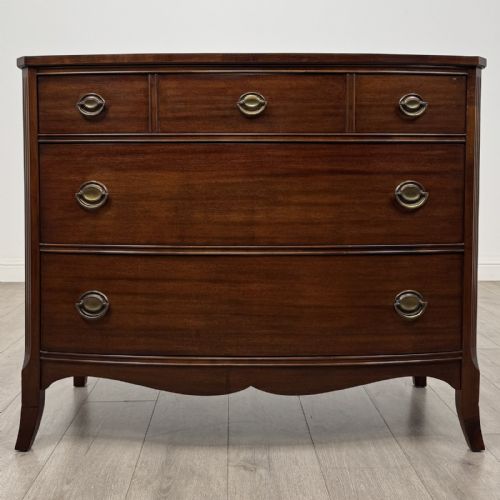
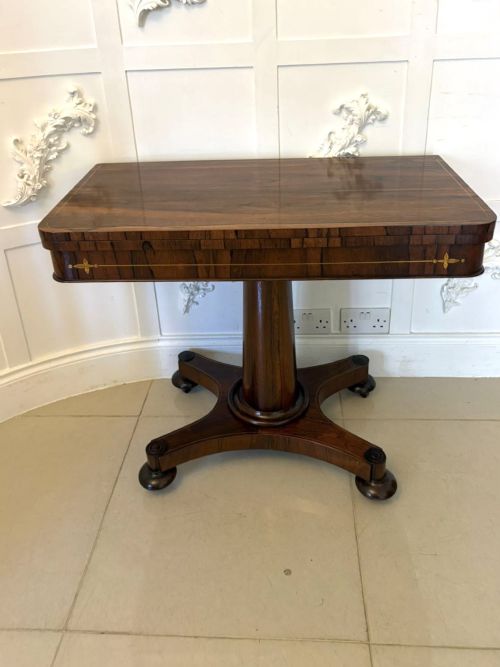
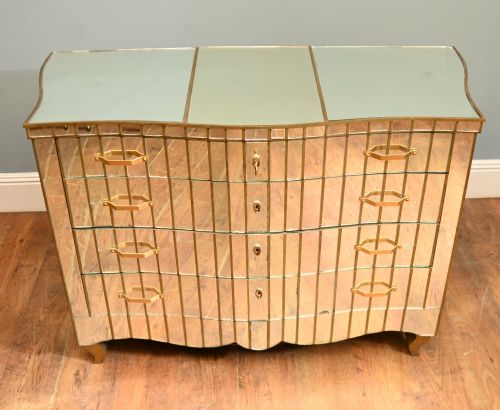
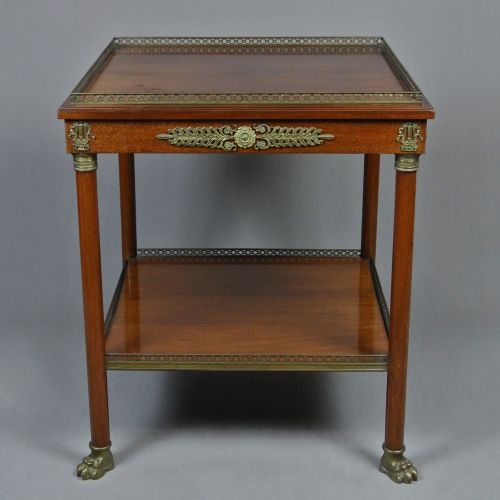
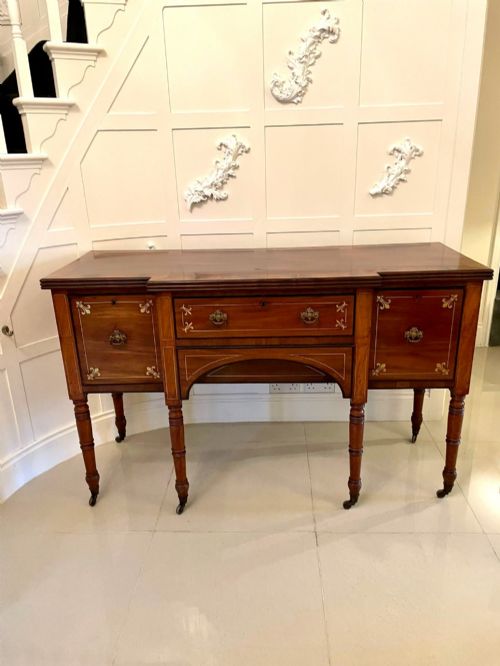
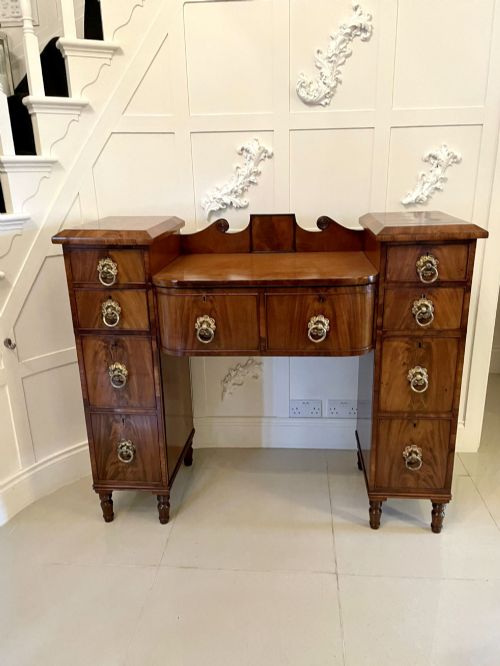
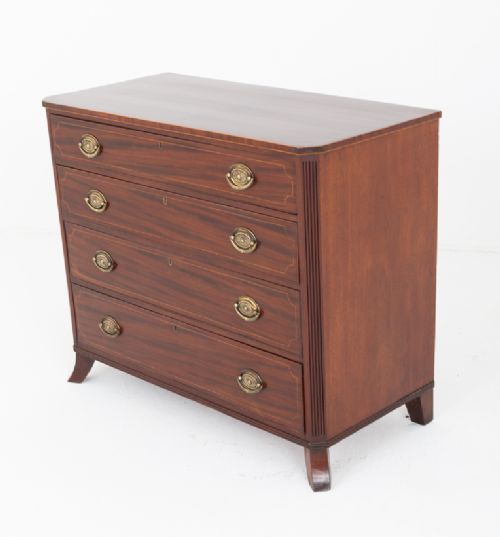
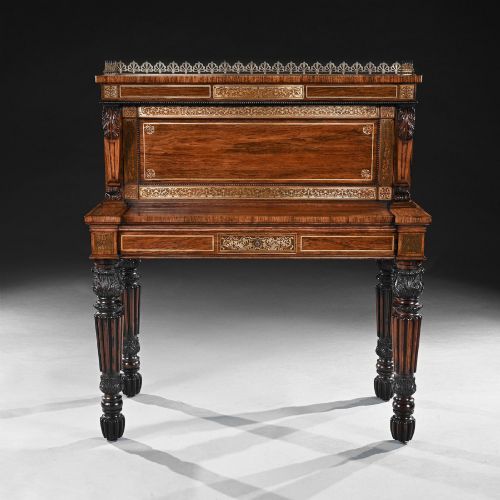
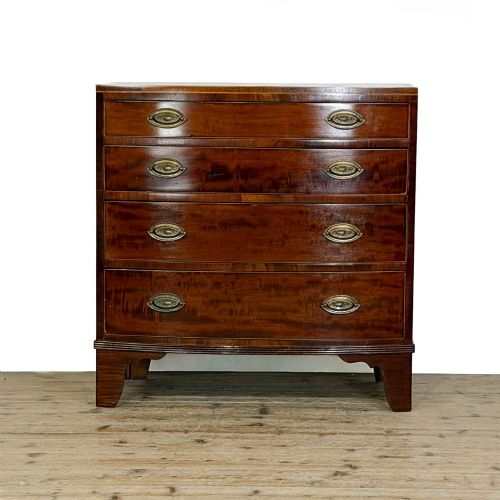
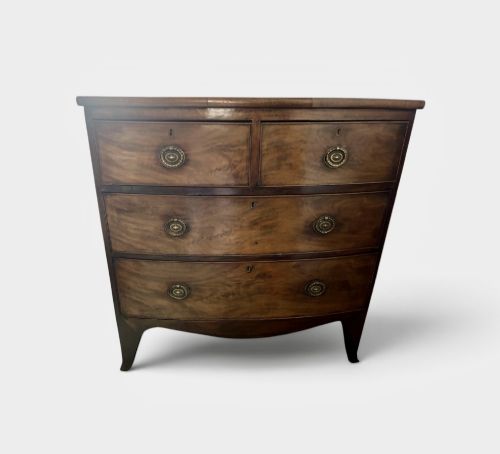
When you search for regency brass furniture, you encounter sophisticated pieces designed for formal living spaces, primarily originating from the nineteenth century and the wider Georgian period. The selection on this page leans heavily towards practical yet decorative items, dominated by rosewood and mahogany chests of drawers, card tables, side cabinets, and writing tables.
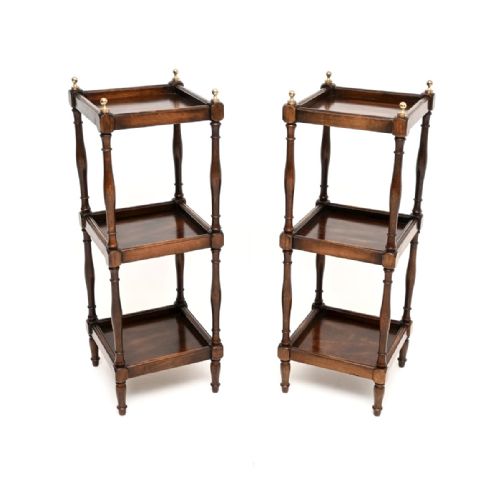
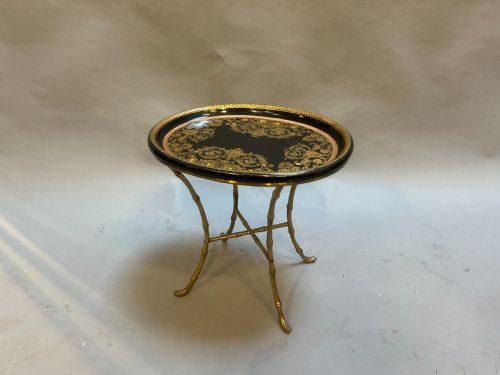
Beyond standard tables and storage, buyers frequently meet smaller functional forms such as teapoys, music stands, and magazine racks alongside seating options like dining chairs, library chairs, and bergère armchairs. These items draw heavily upon Regency, Grand Regency, George IV, and William IV aesthetics, often incorporating neoclassical revival and Egyptian revival motifs.
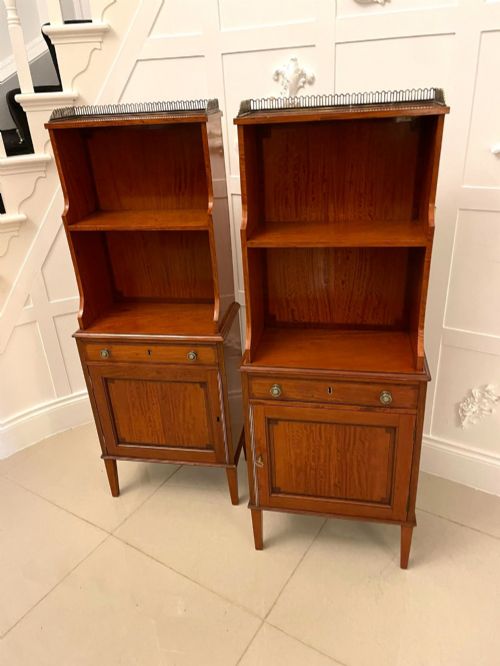
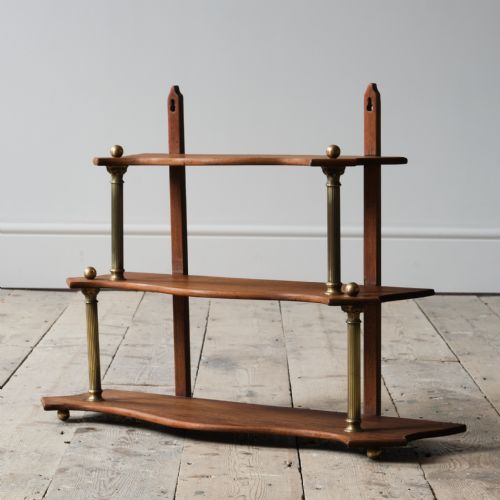
The objects span from compact wall hanging shelves to substantial bookcases and wardrobes, reflecting the diverse domestic needs of their original owners. While the core of the selection sits firmly in the nineteenth century, later revival pieces also appear to offer similar decorative impact.
Distinctions in quality
The sophistication of the timber selection dictates much of the visual distinction, where highly figured flame mahogany or richly grained rosewood elevates a simple chest of drawers or tea table. The precision of the brass inlay work further separates standard utility pieces from exceptional workshop productions, showing tighter joints and more complex geometric or classical motifs.
Attribution to prominent makers or workshops often signifies superior joinery, refined proportions, and advanced mechanical ingenuity in items such as writing tables and card tables. The crispness of carved details, structural integrity of secondary timbers, and preservation of original brass elements complete the upper tiers of the range.
Listings feature eighteenth-century through twentieth-century pieces, spanning the Georgian, Regency, and revival eras in mahogany, rosewood, and brass.
Gillows Oxford Street Workshop·George Bullock·Mallett·Louis Constantin Le Gaigneur
The Regency Brass Furniture Glossary
- Inlay
- A technique where pieces of contrasting material, such as brass or boxwood, are set into the surface of a wood base to form decorative patterns. This method defines the primary ornamentation on many Regency tables and cabinets.
- Teapoy
- A small stand or box designed specifically for storing tea caddies, often fitted with internal compartments and supported on a central pillar. These accessories were common in formal nineteenth century drawing rooms.
- Canterbury
- A low, multi-tiered stand used for holding sheet music, books, or periodicals, usually featuring slatted or divided sections. Boat shaped examples are particularly characteristic of the Regency period.
- Chiffonier
- A compact sideboard or cabinet featuring shelves or enclosed storage below, frequently topped with a mirrored or tiered back. They served as versatile display and storage units in reception rooms.
- Bergère
- An enclosed upholstered armchair with wooden framing exposed around the sides and back, often featuring cane panels. These chairs combine deep seating comfort with formal neoclassical elegance.
Regency Brass Furniture: Frequently Asked Questions
How do I identify a genuine Regency piece?
Look for characteristic construction methods, such as hand-cut dovetails on drawer boxes and the use of dense native or exotic hardwoods like mahogany and rosewood.
Examine the style of brass inlay and classical motifs, which typically reflect early nineteenth-century design vocabulary without modern machine tool marks.
What rooms suit these items best?
These pieces fit naturally into traditional or eclectic drawing rooms, studies, and dining spaces where rich timber tones provide warmth and character.
Compact forms like occasional tables, wall shelves, and small chests of drawers also adapt easily to hallways and bedrooms.
How should I care for rosewood and mahogany?
Keep the wood away from direct sunlight and heat sources to prevent the natural oils from drying out and the veneers from lifting.
Apply a light microcrystalline wax periodically and dust with a soft, dry cloth to maintain the natural lustre of the finish.
What is the difference between Regency and George IV styles?
Regency design strictly follows the classical, neoclassical, and parfois Egyptian influences popular during the Prince Regent's tenure.
George IV pieces often introduce heavier proportions, more exuberant carving, and richer rosewood veneers as Victorian tastes began to emerge.