
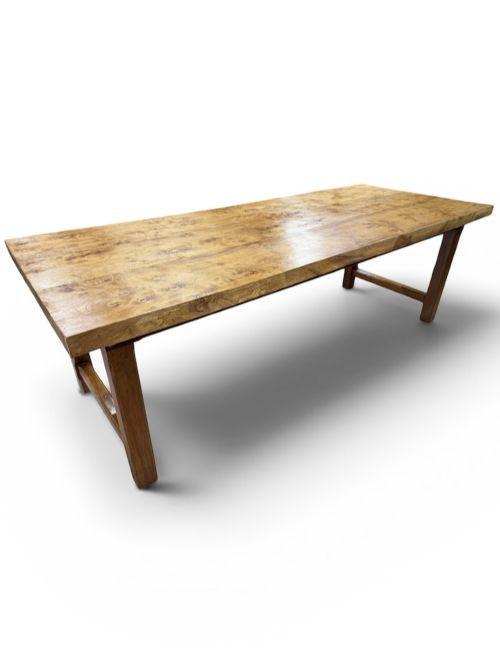
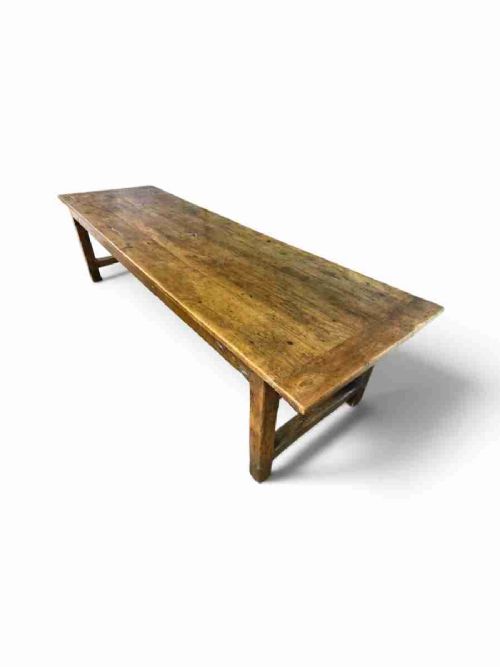
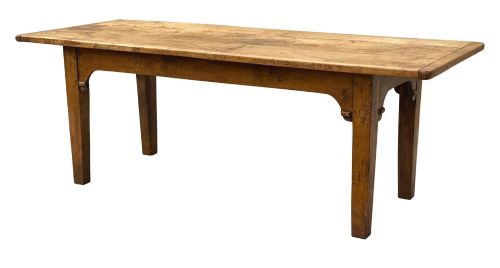
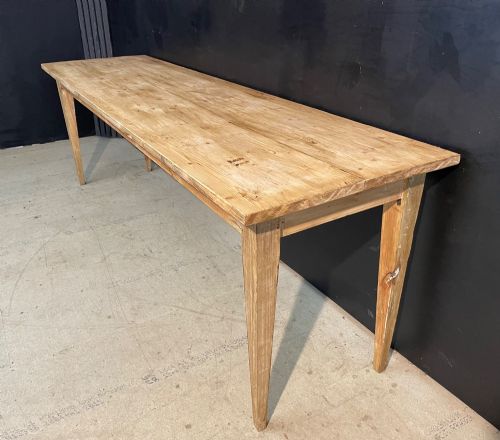
Refectory Kitchen Table
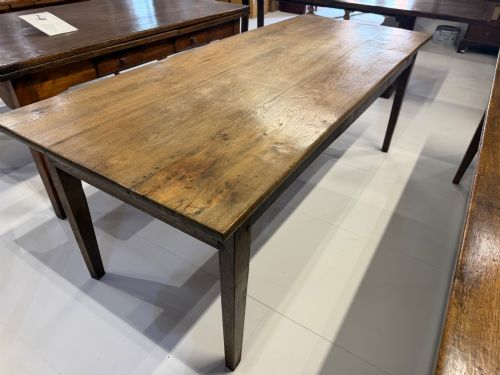
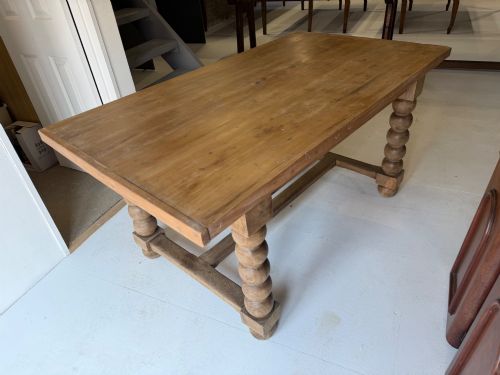
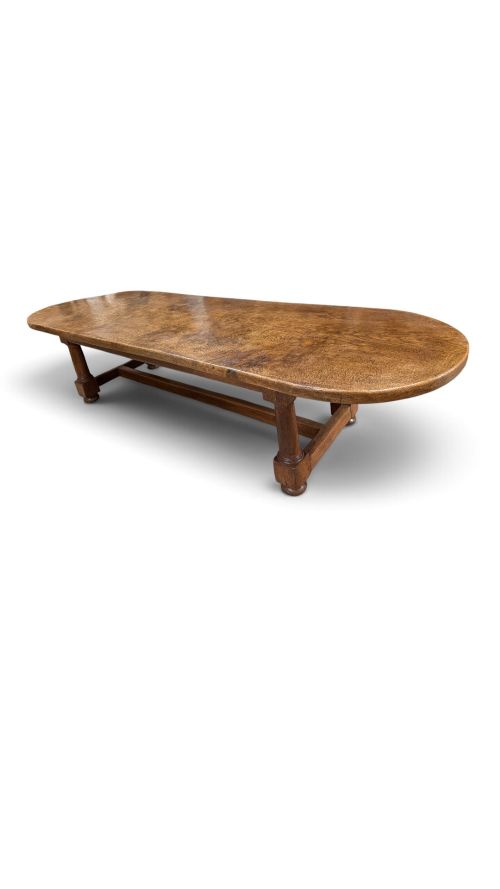
A refectory kitchen table brings sturdy wooden presence and generations of utility into the heart of a home.
Refectory Kitchen Table
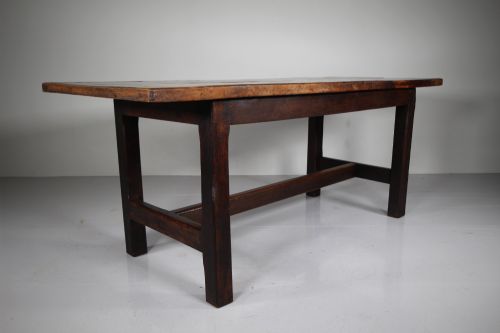
A refectory kitchen table combines the long, narrow proportions of traditional dining boards with the robust construction required for daily domestic life.
The versions most frequently met on this page span from the eighteenth century through to the early twentieth century, drawing on English, French, and Spanish provincial traditions.
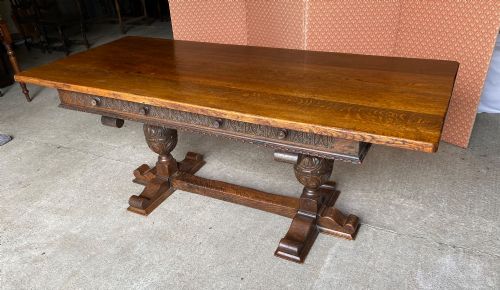
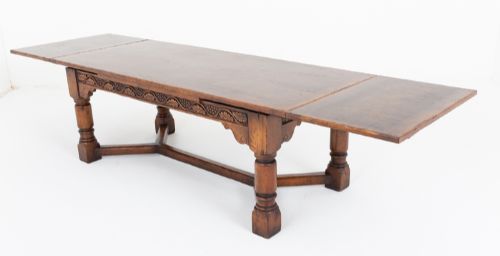
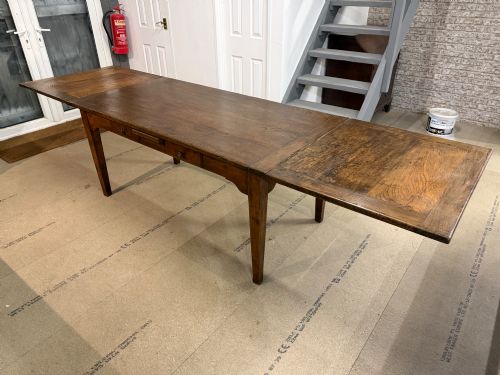
Makers produced these boards primarily for communal dining, utilising designs that range from simple plank tops on trestle ends to extending draw-leaf mechanisms.
Materials and Construction
Timbers such as oak, pine, elm, and fruitwoods like cherry and pear form the structural core of these tables, chosen for their durability and grain.
Joinery methods rely on solid wood construction, sometimes enhanced by iron brackets or carved trestle supports to bear the weight of heavy use.
Listings feature timbers including oak, pine, fruitwood, elm, beech, sycamore, and metal across periods from the seventeenth century to the 1920s.
Assessing the Pieces
Quality reveals itself in the integrity of the timber, such as single-plank oak tops versus joined boards, and the honesty of the underlying structure.
Proportion and restraint in any carved detail separate superior cabinet work from heavier, later revival pieces.
The Refectory Kitchen Table Glossary
- Refectory table
- A long, narrow dining table originally built for monastic dining halls and later adapted for domestic kitchens. These pieces often feature stretcher bases for added stability.
- Draw leaf
- An extension mechanism where two hidden leaves slide out from beneath the main top. This allows the table length to increase quickly for guests.
- Trestle ends
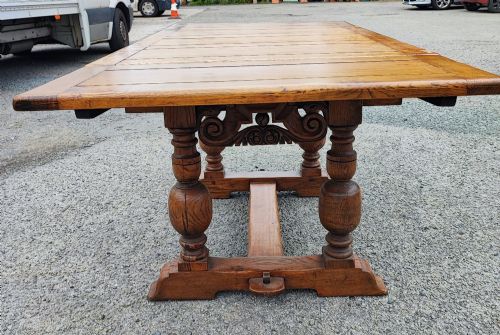
- Support structures comprising vertical posts connected to a horizontal foot or base. They provide sturdy legroom beneath long dining boards.
- Single plank
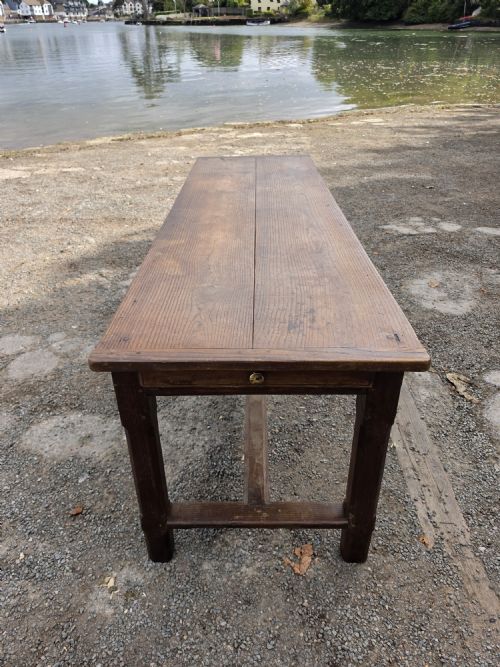
- A tabletop fashioned from one wide board of timber. This feature indicates a tree of considerable maturity and adds value to older tables.
Refectory Kitchen Table: Frequently Asked Questions
How many people can sit at these tables?
Many examples accommodate six to ten diners comfortably, depending on the length of the board and the placement of the legs or trestle ends.
Longer formats reaching over eight feet easily host large gatherings for everyday meals.
Are these tables suitable for daily kitchen use?
These pieces were built specifically for robust domestic tasks and communal dining over centuries.
Their hardwood surfaces tolerate normal kitchen activity well while acquiring further character with age.
How do I identify an older oak table?
Examination of the underside and joint construction reveals hand-cut elements, pegged joints, and natural timber movement.
Surface patination developed through generations of use also points to considerable age.
What is the difference between pine and oak versions?
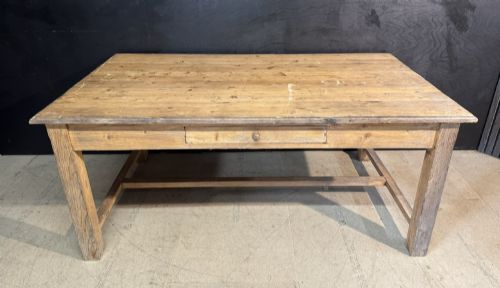
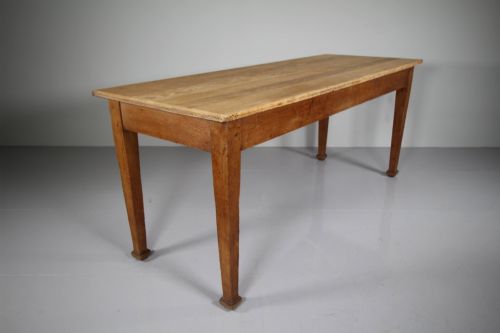
Pine examples offer a lighter appearance often associated with scullery or provincial farmhouse settings and softer timber characteristics.
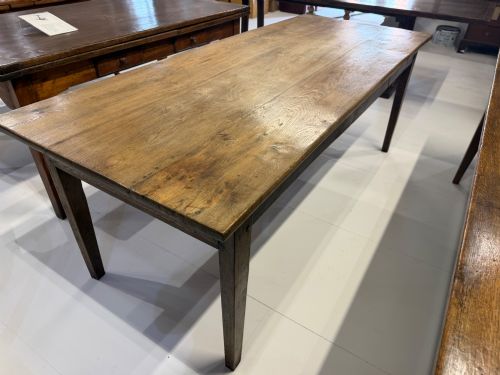
Oak versions provide heavier structural weight, denser grain patterns, and greater resistance to wear.