



Reeded Gilt Mirror
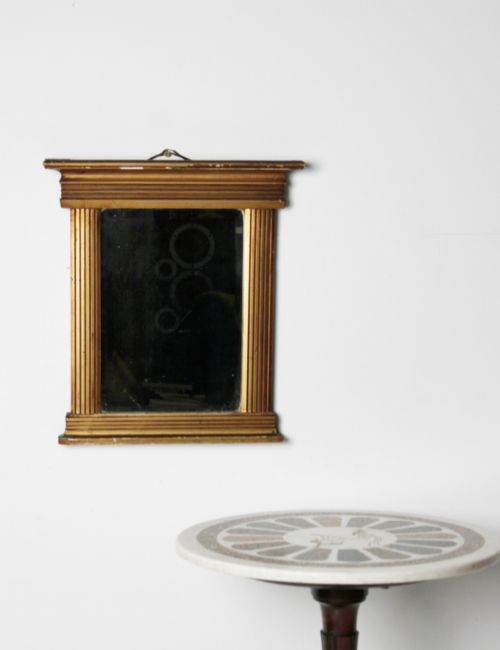
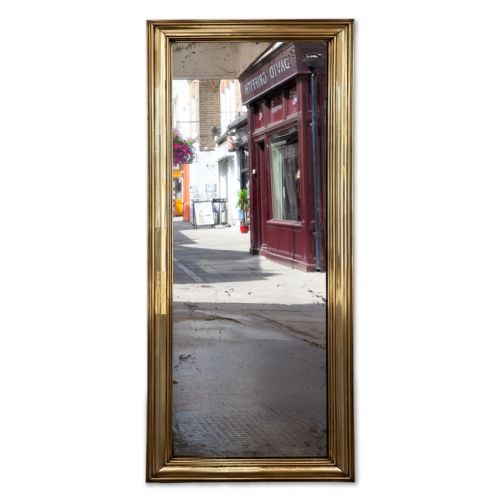
A reeded gilt mirror brings instant light and architectural definition to a room through its linear framing and gold leaf surface.
Reeded Gilt Mirror
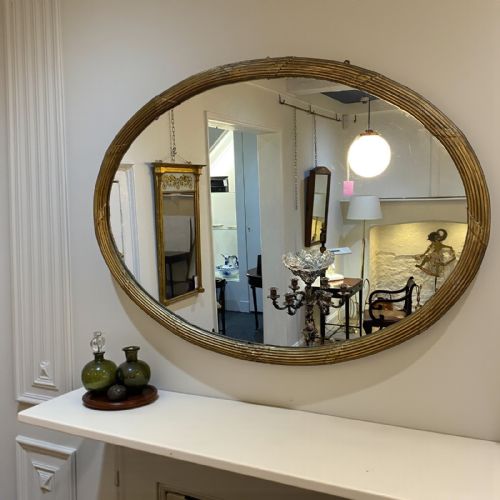
A reeded gilt mirror is defined by parallel rounded mouldings set into the frame, catching the light in a distinct rhythmic pattern. Buyers searching for a reeded gilt mirror will find examples spanning from the Regency period through to the early twentieth century.
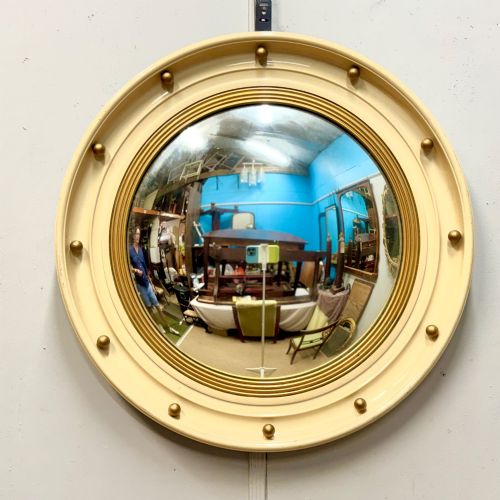
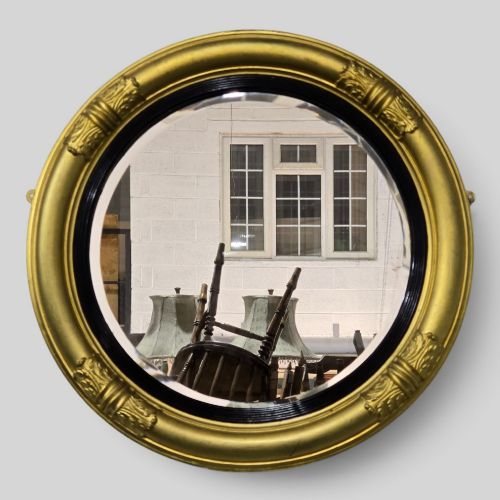
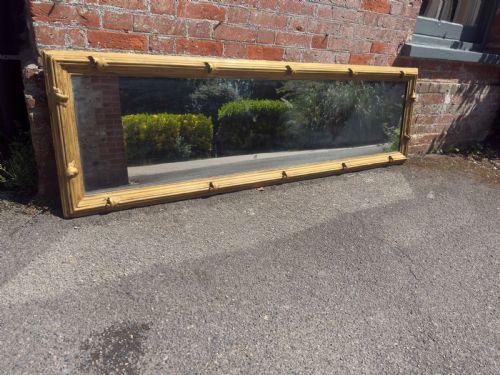
The selection ranges from round convex butler's mirrors and tall pier mirrors to large overmantels designed to sit above a fireplace. English Regency and Victorian interpretations appear frequently alongside French examples.
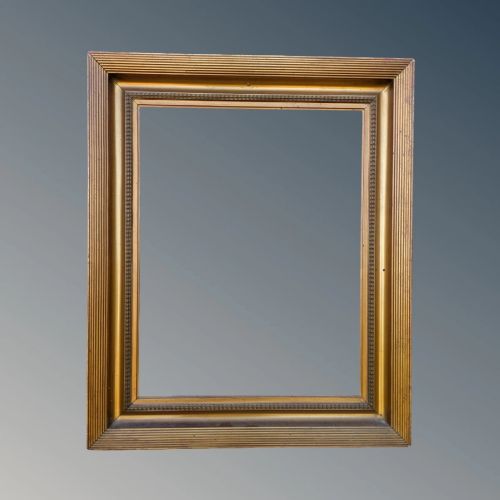
Overmantel mirrors and picture frames adapted as mirrors form a substantial part of the available selection. Wall mirrors in oval and round formats provide options for smaller spaces.
Materials and Construction
Makers built these frames using carved wood, gesso, and composition applied over a wooden base to form the raised parallel reedings. Gold leaf or gilt finishes were then laid over the prepared surfaces to create the metallic lustre.
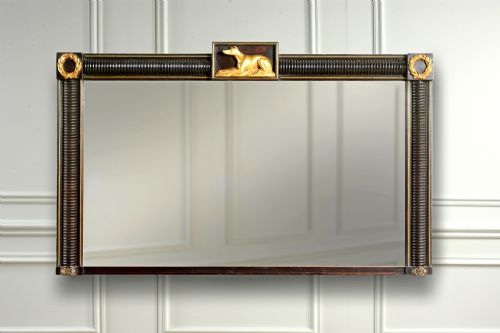
Glass plates vary from early mercury silvered examples to later bevelled mirror plates. Frames often incorporate decorative elements such as ebonised details or egg and dart motifs alongside the central reeded moulding.
A watchful ebonised greyhound keeps guard from the top of at least one Regency overmantel.
Evaluating Quality
Quality rests in the crispness of the reeded moulding and the depth of the carving beneath the gesso layer. Hand-carved wooden frames show superior definition compared to heavily moulded composition pieces.
The preservation of the original gilt surface and the character of the mirror plate itself determine the standing of a piece. Original glass plates with authentic foxing and age spots command greater interest from collectors.
The Reeded Gilt Mirror Glossary
- Reeded
- A decorative moulding formed of parallel convex strips resembling bundled plant stems. This linear detail provides texture and catches directional light.
- Gesso
- A plaster mixture applied to wood frames to create a smooth surface for gilding. It allows for intricate relief work and crisp linear mouldings.
- Pier glass
- A tall mirror designed to hang on the wall space between windows. These pieces often feature extended vertical proportions and elaborate frames.
- Convex glass
- A curved mirror plate that provides a wide-angle reflection of the interior. These are commonly found in round butler's mirrors.
- Overmantel
- A large horizontal mirror designed to sit directly above a fireplace mantelpiece. They anchor the room's proportions and reflect hearth light.
Reeded Gilt Mirror: Frequently Asked Questions
How do I date a reeded gilt mirror?
Dating relies on examining the construction methods behind the frame, the backing boards, and the characteristics of the mirror plate. Regency and early nineteenth-century pieces often display hand-cut woods and early mercury glass.
Later Victorian and Edwardian examples utilise machine-prepared timbers and heavier composition mouldings. Comparing the style of the gilt work with known period pieces helps narrow down the decade.
Where should I hang an overmantel mirror?
An overmantel mirror traditionally hangs centrally above the fireplace opening to draw the eye upward and balance the hearth. This placement maximises the reflection of natural light from surrounding windows.
Ensure the wall fixings match the substantial weight of these large wooden and gesso frames. Positioning them at the correct height creates a harmonious focal point in the reception room.
What is the difference between a pier mirror and a wall mirror?
Pier mirrors are specifically proportioned to hang on the narrow wall space situated between two windows. Their vertical format makes efficient use of otherwise dark architectural spaces.
Standard wall mirrors are built in varied shapes including round, oval, and landscape rectangles for general placement. Pier mirrors often incorporate taller frames designed to amplify incoming daylight.
How do I care for antique gilding?
Antique gilding requires gentle dusting with a soft, dry brush to prevent the delicate gold leaf from wearing away. Avoid using liquid cleaners, chemical sprays, or abrasive cloths on the surface.
Keep the mirror away from direct sunlight and high humidity areas to protect the gesso and wood substrate. Stable room temperatures prevent the wooden frame from expanding and cracking the historic finish.