
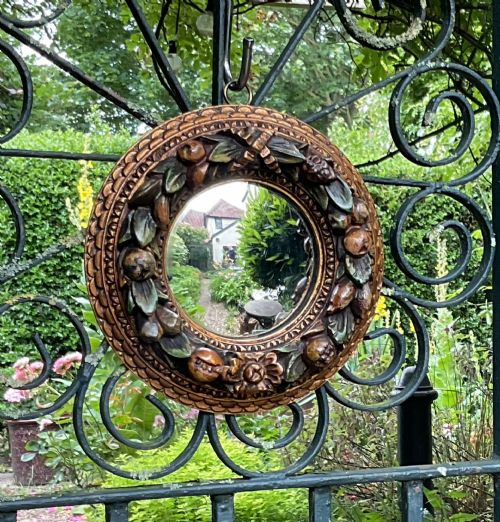

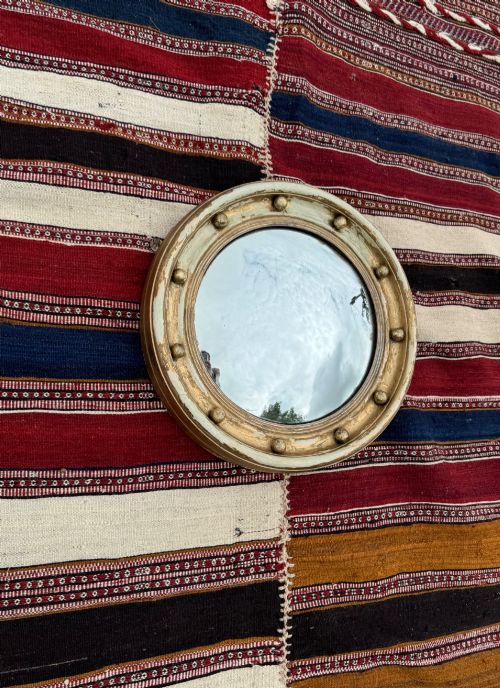

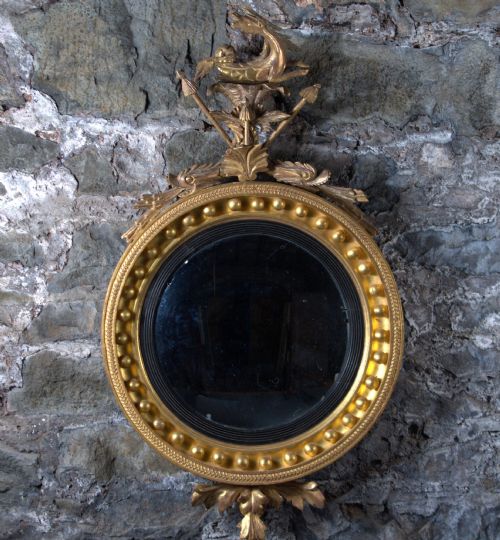

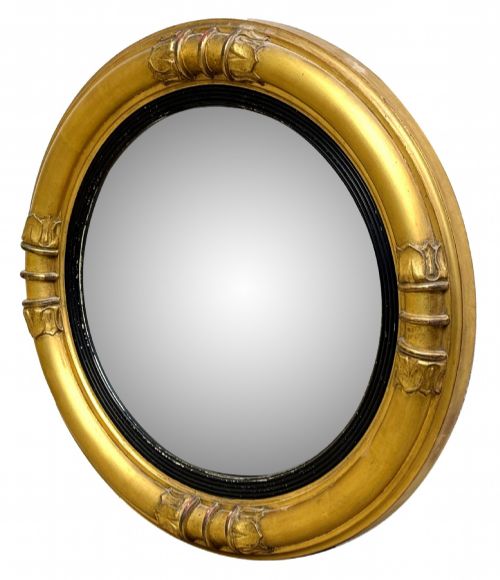
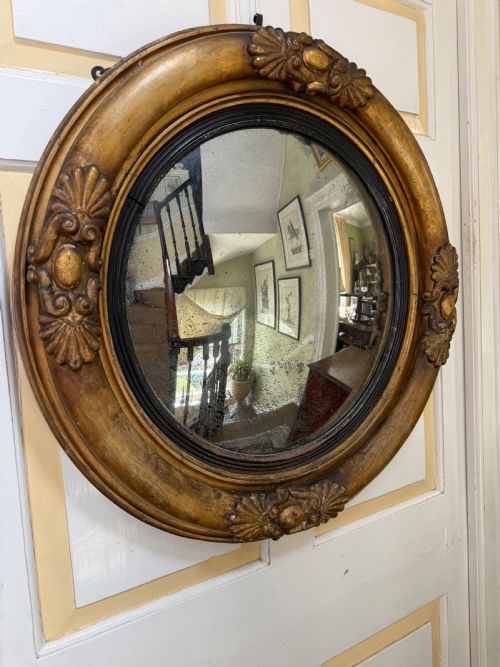
Gold Circular Wall Mirror
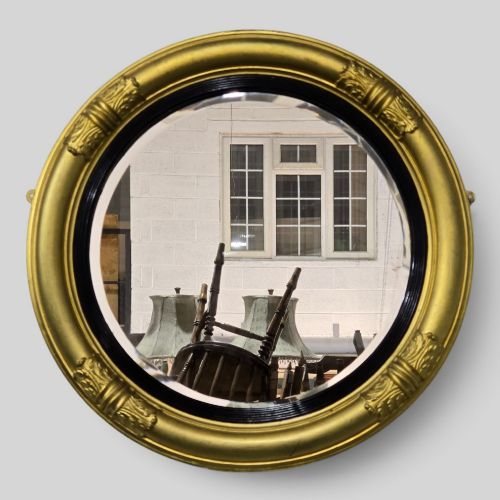
A gold circular wall mirror brings depth and curved reflection to a room, drawn chiefly from Regency and nineteenth-century traditions.
Gold Circular Wall Mirror
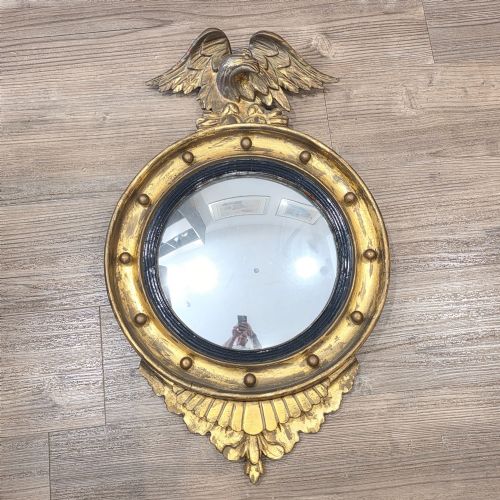
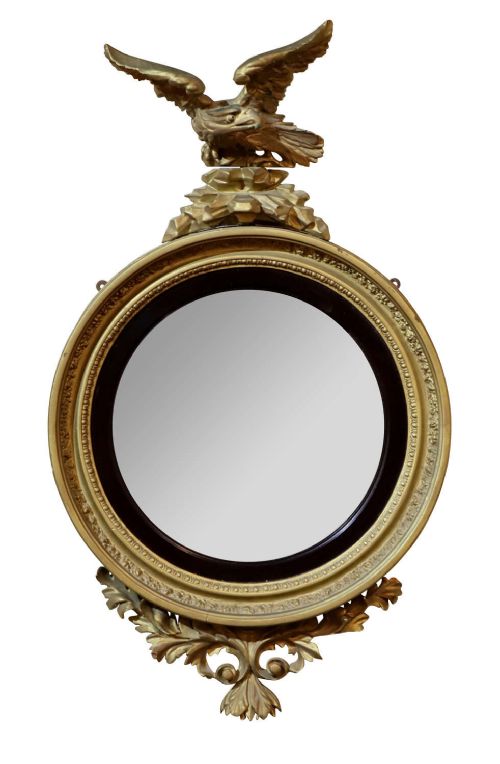
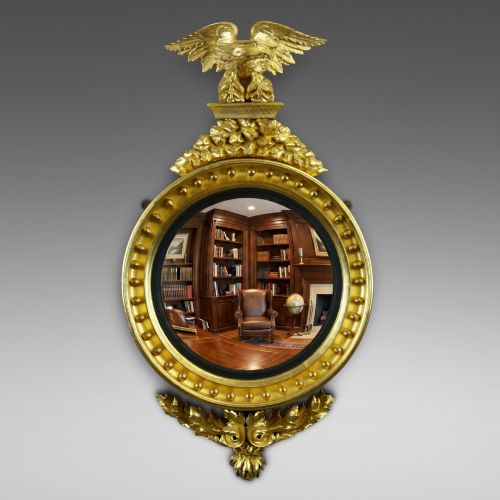
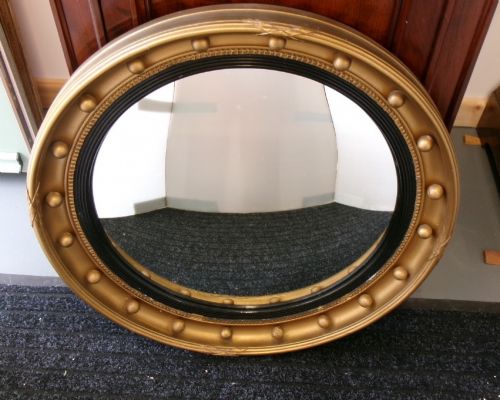
A gold circular wall mirror appears across several periods in the evidence, with Regency convex plates and nineteenth-century giltwood frames dominating the selection. Buyers seeking this phrase encounter round porthole and butler's mirrors designed to reflect light across an interior space.
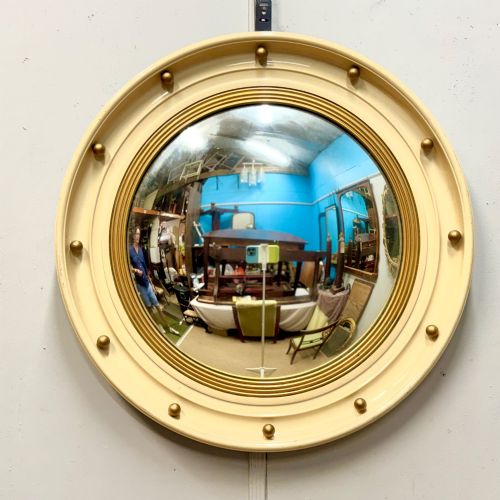
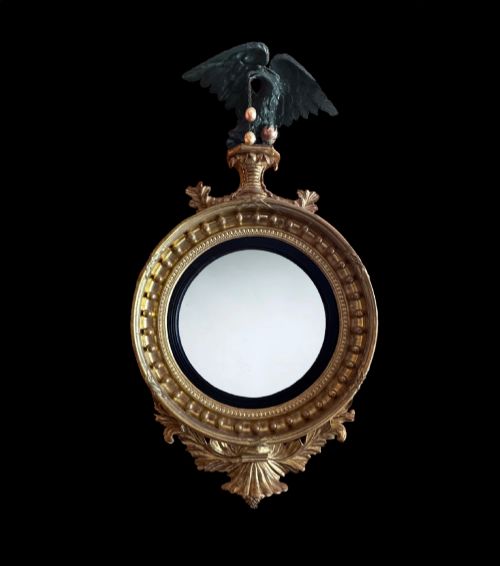
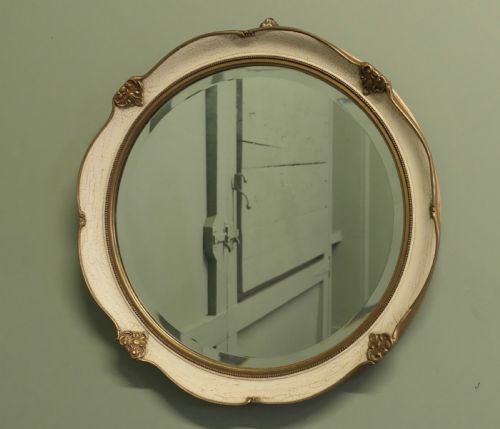
The objects span from Georgian and Regency eras through Victorian, Edwardian, and Art Deco decades, showing how circular frames persisted in popularity. Many pieces incorporate decorative crests like eagles or incorporate ebonised details within the gilt surround.
Materials and construction
Makers shaped these frames from carved wood, applying gesso and gold leaf or gilt to achieve a bright reflective surface. Convex glass plates curved outward to capture a wide-angle view of the surrounding room.
Alternative materials in the record include ebonised wood, cast iron from foundries such as Coalbrookdale, and brass. Joinery and carving techniques varied by period, from the intricate crests of Regency examples to the simpler profiles of Edwardian and Art Deco rounds.
Listings feature frames made from giltwood, carved wood, ebonised wood, brass, and cast iron.
Distinguishing quality
Quality rests in the crispness of the wood carving and the depth of the gilding applied over gesso. Finer examples display well-proportioned eagle crests and detailed reeded bezels rather than simplified mouldings.
The integrity of the convex glass plate also dictates worth, alongside the original condition of the gilt surface. Pieces showing precise joinery in the frame construction stand apart from heavier, later adaptations.
The Gold Circular Wall Mirror Glossary
- Convex mirror
- A round mirror with a curved, outward-bulging glass plate that creates a wide-angle reflection of the room. These pieces were often utilised in dining rooms and halls.
- Giltwood
- Timber that has been coated with gold leaf or metal gilt over a prepared gesso ground. It provides a luminous finish characteristic of period frames.
- Gesso
- A plaster-like mixture applied to wood frames to create a smooth surface for gilding and carving. It allows artisans to shape intricate relief details.
- Ebonised wood
- Timber treated to resemble ebony, providing a dark, contrasting finish. It frequently appears alongside gilt details on nineteenth-century frames.
- Butler's mirror
- A circular convex wall mirror traditionally hung to allow servants to monitor activity across a room. They often feature simple round bezels.
Gold Circular Wall Mirror: Frequently Asked Questions
Where should I hang a convex mirror?
These pieces suit living rooms, hallways, and dining spaces where their curved reflection can capture light from multiple angles.
Hung at eye level, they act as focal points that visually expand smaller rooms through their panoramic distortion.
What is a butler's mirror?
A butler's mirror is a round convex glass framed in wood, historically placed where staff could observe a dining table or reception room.
Today, collectors prize them for their clean circular lines and functional heritage.
How do I date a giltwood mirror?
Dating relies on examining the construction methods, framing timber, and style of any decorative crests such as eagles or scrolls.
Regency and Georgian pieces typically show distinct hand-carved details and period gesso application beneath the gold leaf.
Are all round gold mirrors from the Regency era?
While many prominent examples date from the Regency period, the evidence shows round mirrors produced across Victorian, Edwardian, and Art Deco eras.
Later pieces adopt different moulding profiles and finish combinations while maintaining the circular format.