


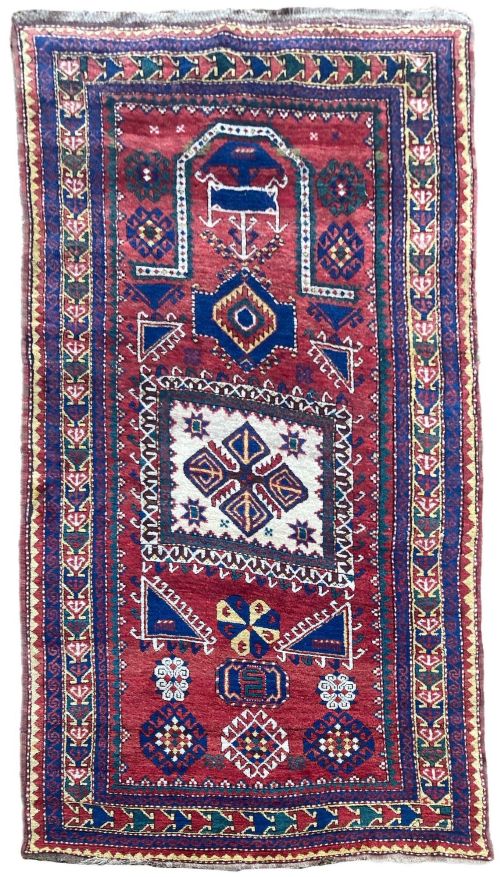
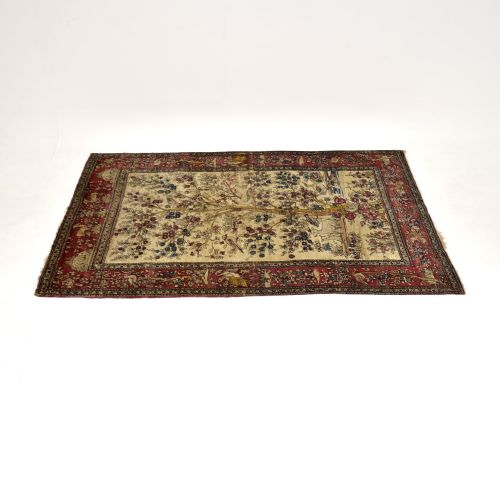
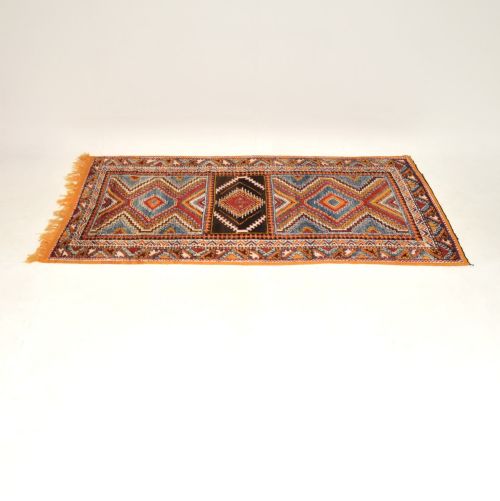
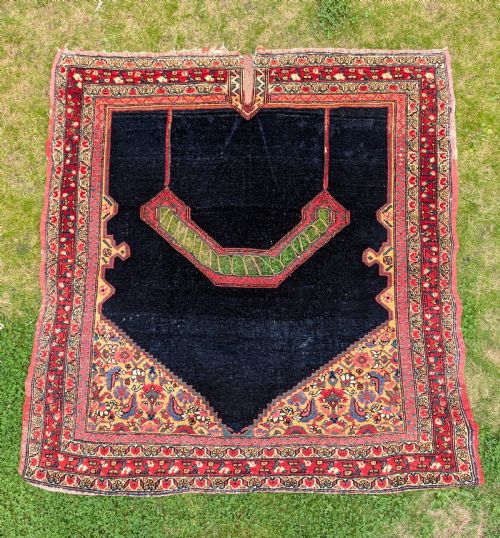
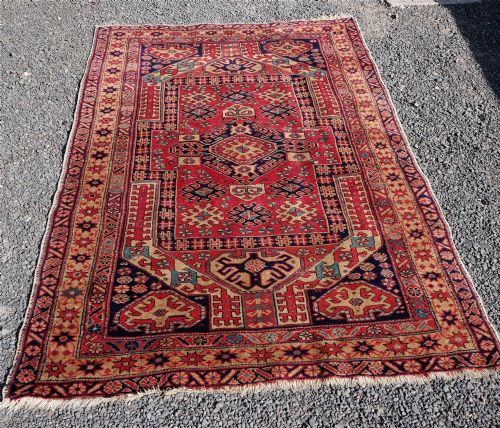
Red Woven Wool Rug
A red woven wool rug brings tangible history into a room, offering rich natural tones and durable craftsmanship shaped by generations of weavers.
Red Woven Wool Rug
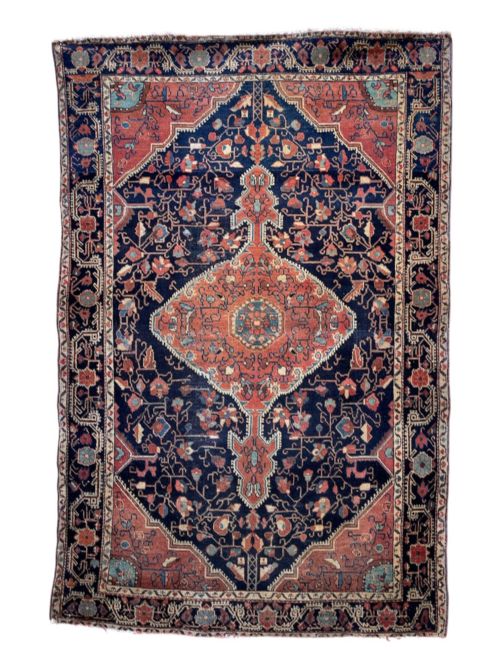
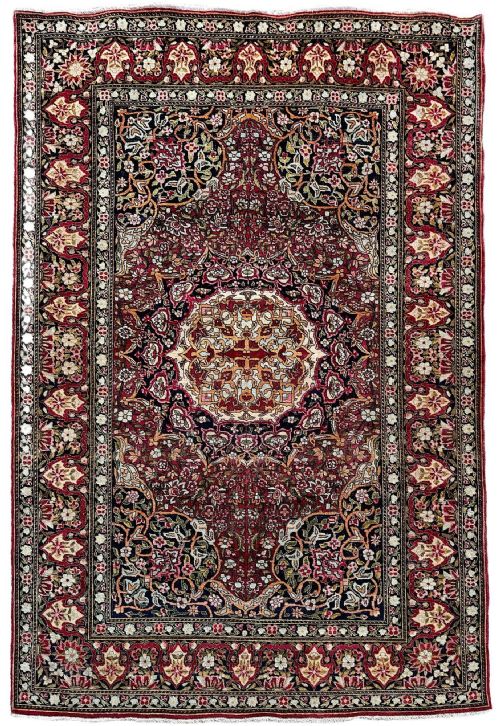
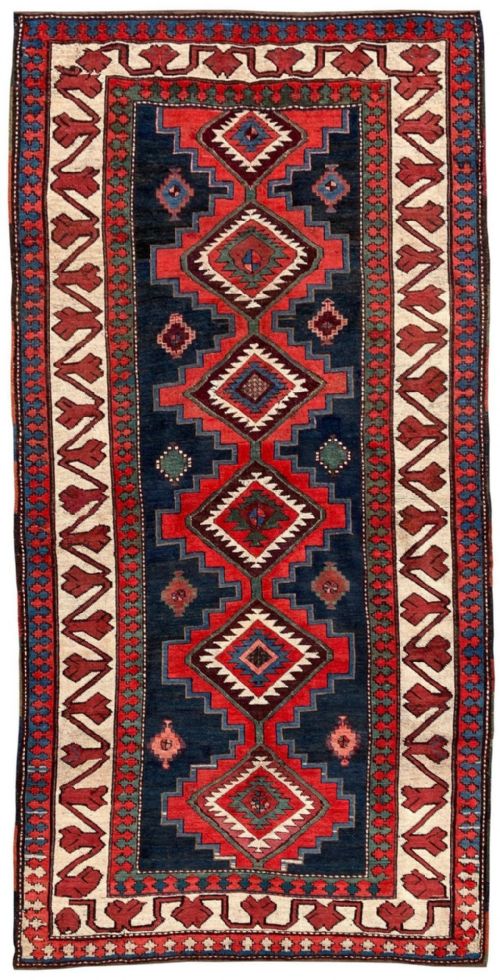
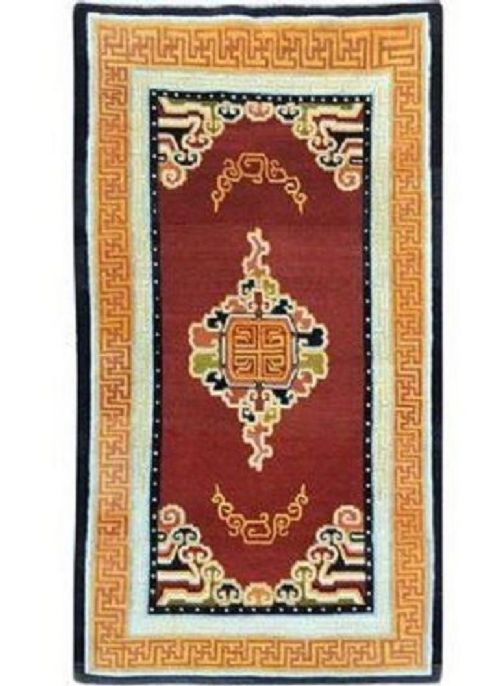
A red woven wool rug serves as a foundational textile, bringing warmth and character to traditional and modern interiors alike. Buyers exploring this category encounter floor coverings originating primarily from Persian, Caucasian, and Turkmen weaving traditions.
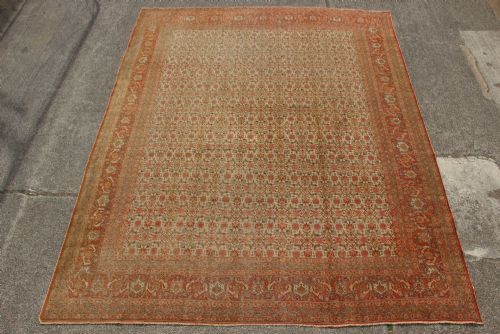
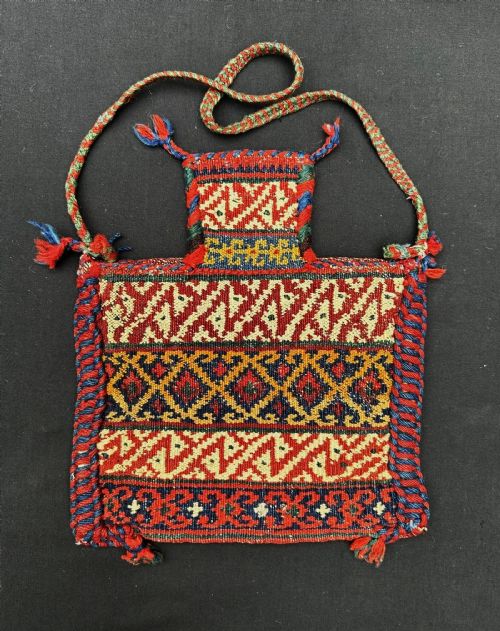
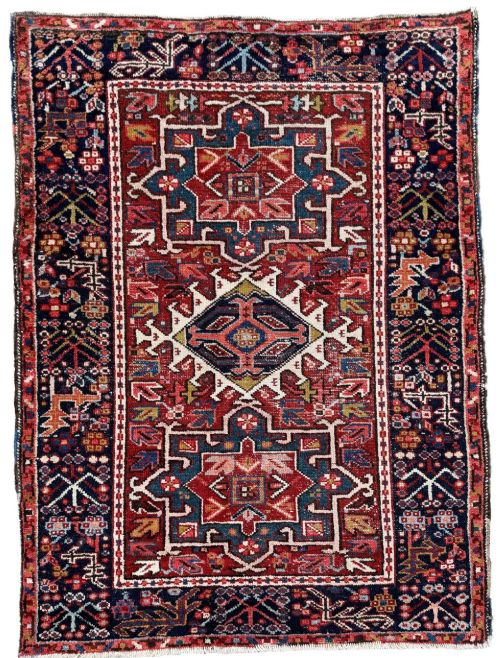
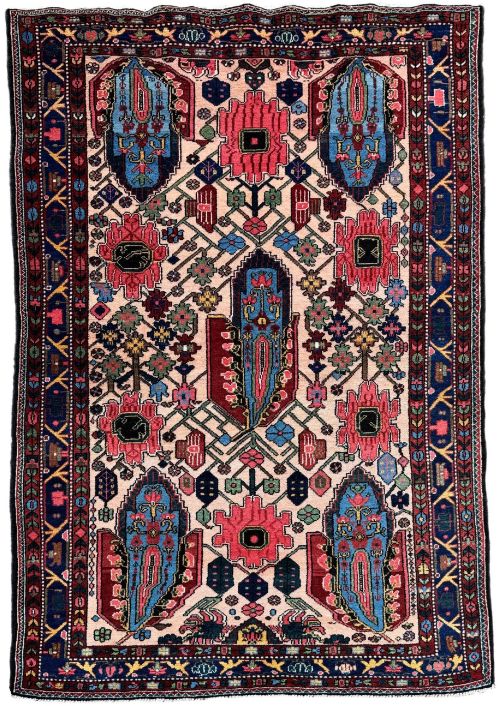
The selections span from the late nineteenth century through to the interwar decades of the twentieth century. Common formats on this page range from room-sized carpets and area rugs down to specialised tribal forms such as prayer rugs and saddle bags.
Village and nomadic workshops dominate the available inventory, reflecting designs passed down through regional tribes. These pieces bridge the gap between functional floor coverings and collectible textile art.
Materials and Construction
Traditional weavers constructed these textiles using hand-spun wool, valued for its natural lanolin content and resilience under daily foot traffic. Selected carpets incorporate supplementary cotton foundations or subtle silk highlights to define intricate patterns.
The creation process relied on manual knotting techniques executed on vertical or horizontal looms. Vegetable and natural dye sources provided the durable red backgrounds and rust hues characteristic of these regional styles.
Several nomadic bags retain remnants of desert sand tucked deep within the wool knots from their original travels.
Assessing Quality and Execution
Knot density and structural tightness dictate the longevity and fine detail of the weaving. Higher quality examples demonstrate precision in geometric or floral motifs and consistent pile retention across the surface.
The choice of dyestuffs significantly influences the depth and ageing characteristics of the wool. Skilled dyers achieved rich saturation that develops a pleasing patina over decades of use.
The Red Woven Wool Rug Glossary
- Pile
- The vertical tufts of wool that form the usable surface of the rug. This soft layer absorbs wear and displays the woven design.
- Warp
- The longitudinal threads stretched tightly on the loom that form the structural foundation of the textile. Weft threads are interlaced across them.
- Medallion
- A symmetrical central ornament placed in the field of a rug. It often anchors the surrounding geometric or floral composition.
- Prayer rug
- A small format textile featuring a distinct mihrab or arch design. Historically utilised for directional Islamic prayer.
- Nomadic
- Describing pieces woven by tribal groups moving seasonally. The designs rely on memory and traditional motifs rather than drawn cartoons.
Red Woven Wool Rug: Frequently Asked Questions
How do I clean a vintage wool rug?
Gentle vacuuming without a rotating brush prevents damage to the delicate woolen pile. Professional specialist cleaning is recommended for deep maintenance.
Avoid harsh chemical detergents and excessive moisture which can degrade natural dyes and foundations.
Are these rugs suitable for high traffic areas?
Hand-spun wool possesses inherent durability and natural resilience against daily wear. Many traditional village carpets were built specifically for heavy domestic use.
Placing a quality underlay beneath the textile adds cushioning and prevents unnecessary slippage.
How can I date an old rug?
Dating relies on analyzing structural materials, dye palettes, and specific regional design motifs. Stylistic markers often align with known production periods from the nineteenth and early twentieth centuries.
Examining the wear patterns and selvedges also provides clues to the age of the weaving.
What causes the colour variations in the red wool?
Natural dye batches varied in tone due to seasonal plant sources and mineral water compositions. This phenomenon, known as abrash, creates subtle horizontal shading across the field.
Collectors prize these organic irregularities as proof of genuine hand-dyeing techniques.