
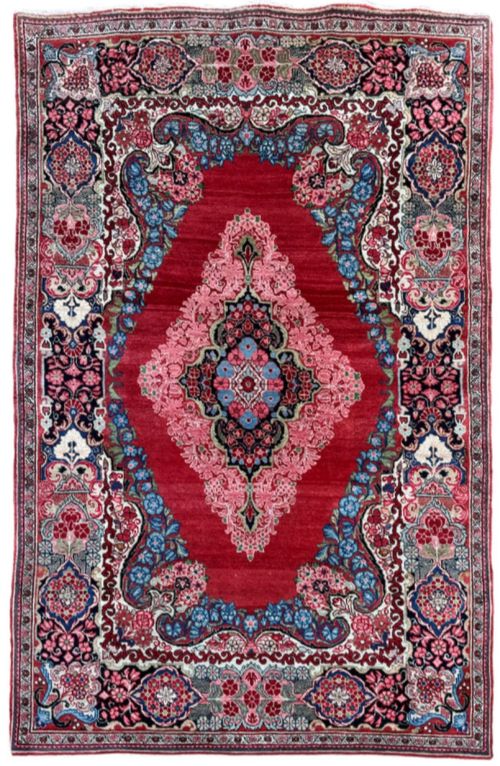
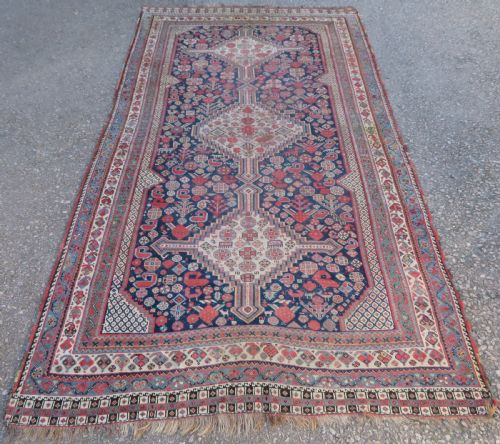
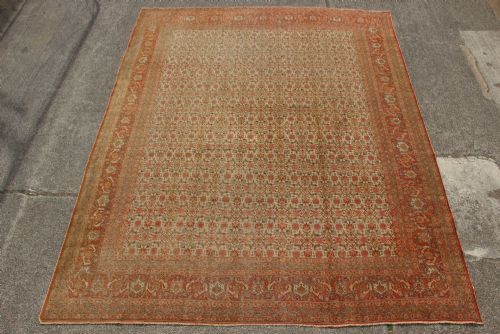



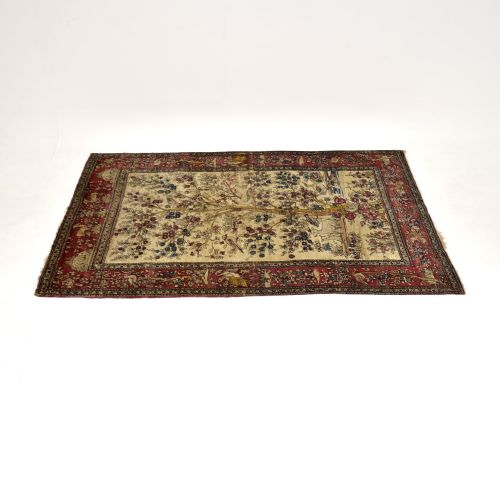

Red Woven Persian Carpet
A red woven persian carpet brings centuries of textile tradition into a room, offering rich colour and deep pile warmth.
Red Woven Persian Carpet
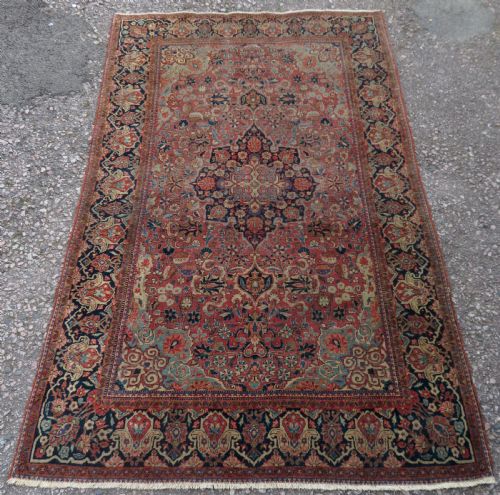
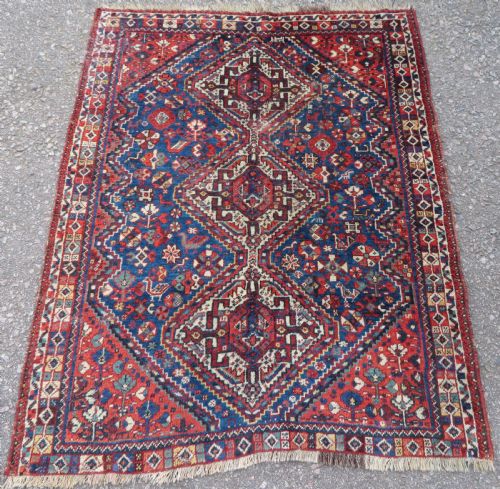
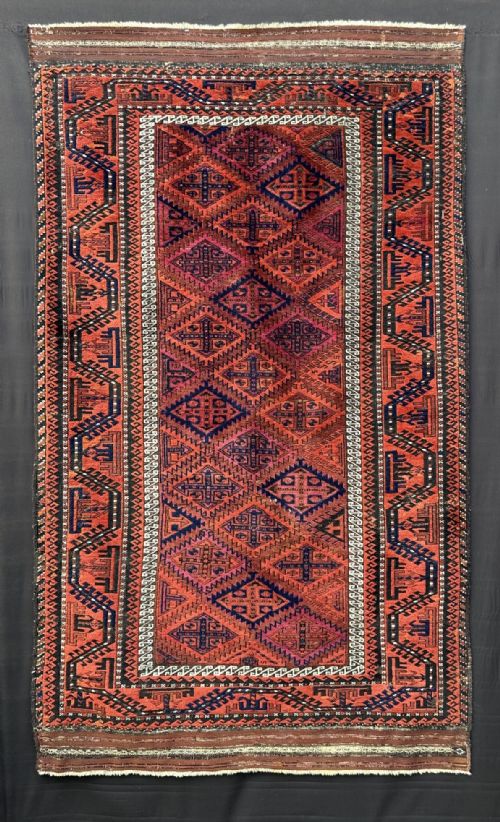
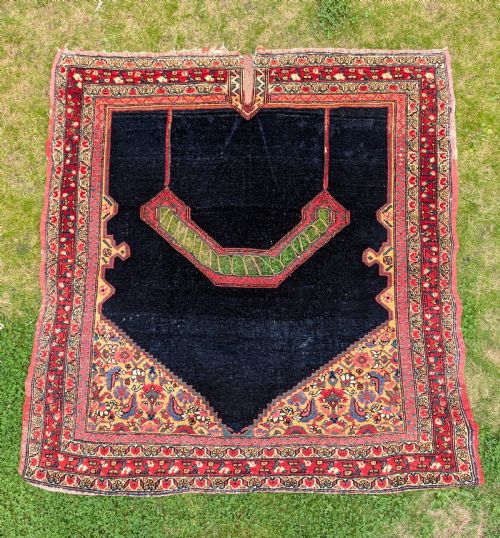
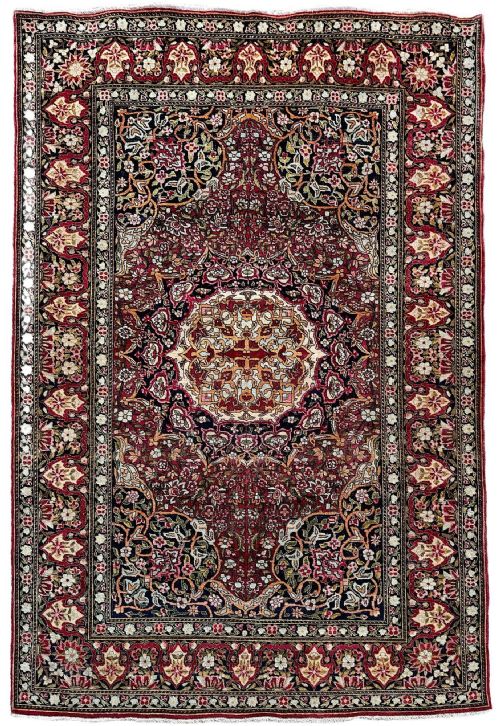
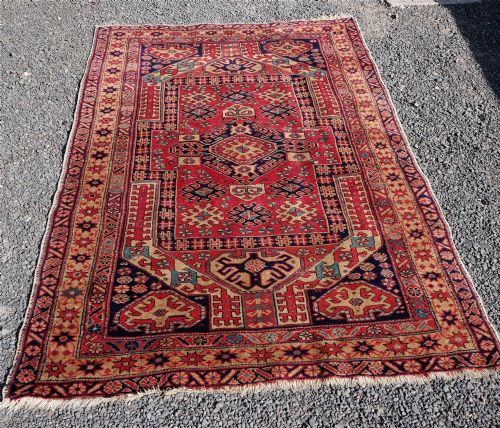
A red woven persian carpet represents a diverse group of floor coverings originating from various regions and tribes across Persia, spanning from the nineteenth century into the twentieth century. These textiles appear in numerous formats, including large carpets, smaller area rugs, hallway runners, saddle covers, and cushions.
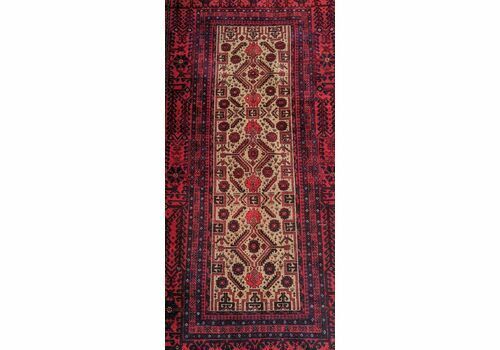
Buyers searching for a red woven persian carpet will encounter specific regional styles such as Heriz, Bakhtiar, Afshar, Khamseh, and Saroukh. The inventory also includes specialised tribal pieces like Timuri, Baluch, Qashqai, and Lori rugs, showcasing distinct geometric and medallion patterns.
Materials and construction methods
These floor coverings are primarily constructed using wool, cotton, and occasionally silk highlights, hand-knotted by traditional weavers across Persian towns and tribal regions. The natural resilience of wool provides the durable pile characteristic of these antique textiles.
Weavers utilised sturdy cotton foundations for warps and wefts to support dense knotting, ensuring structural integrity across large carpets and smaller tribal bags alike.
Several nomadic saddle bags and cushion covers survive intact, having carried worldly belongings across Persian landscapes before becoming decorative items.
Assessing quality in antique Persian floor coverings
Quality in these textiles rests upon the fineness of the knotting, the precision of the geometric or floral design, and the depth achieved in natural dye colours. Tightly knotted pieces display sharper pattern definition and greater resistance to heavy foot traffic over decades.
The choice of materials also dictates standing, with superior wool quality yielding a softer handle and richer lustre. The complexity of regional designs, from intricate Heriz medallions to detailed tribal motifs, further distinguishes standard production from exceptional examples.
The Red Woven Persian Carpet Glossary
- Pile
- The raised surface of a carpet formed by the upright ends of thread. This vertical wool provides the soft texture and cushions footsteps.
- Warp
- The stationary longitudinal threads stretched on a loom before weaving begins. These parallel strands form the foundational skeleton of the textile.
- Weft
- The horizontal threads passed alternately over and under the warp threads. This technique binds the knotted rows firmly into place.
- Medallion
- A large central ornamental design motif placed in the middle of the field. This focal point anchors the symmetrical layout of many regional carpets.
- Knot
- The individual loops of thread tied around warp threads to form the pile. Higher density in these ties generally indicates greater artisanal skill.
Red Woven Persian Carpet: Frequently Asked Questions
How do I clean an antique rug?
Professional dusting and specialist immersion washing are essential for preserving delicate wool fibres and natural dyes. Avoid harsh domestic detergents and mechanical scrubbing.
Regular gentle suction without a rotating power brush helps remove embedded grit safely between professional cleans.
Where were these carpets made?
Production spans urban centres like Isfahan, Tabriz, and Kashan, alongside rural villages and nomadic tribal territories such as the Afshar and Bakhtiar regions. Each area developed distinct design vocabularies.
Local materials and regional weaving traditions directly influenced the patterns and colour palettes seen in these historical textiles.
Are these items suitable for hallways?
Specific formats like runners and durable village rugs withstand moderate hallway foot traffic when laid over a secure underlay. Wool possesses natural resilience against wear.
High-traffic areas benefit from denser piles and robust cotton foundations to maintain structural stability over time.
How do I identify regional carpet styles?
Examining the specific geometry, medallion layout, border motifs, and colour combinations reveals the probable weaving origin. Heriz rugs often feature bold geometric centerpieces, whereas Saroukh pieces tend towards flowing floral arrangements.
Tribal examples like Qashqai or Baluch frequently incorporate characteristic animal or star motifs unique to nomadic heritage.