



Red Wool Rug Panel
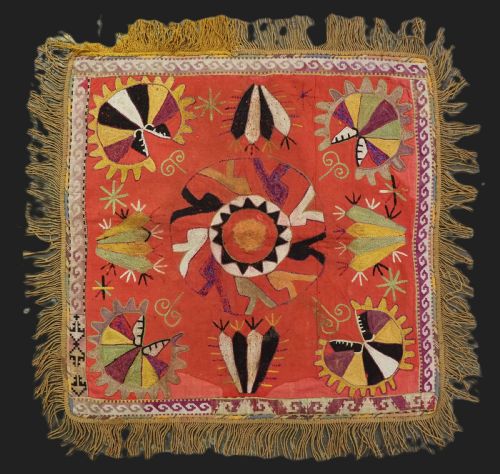
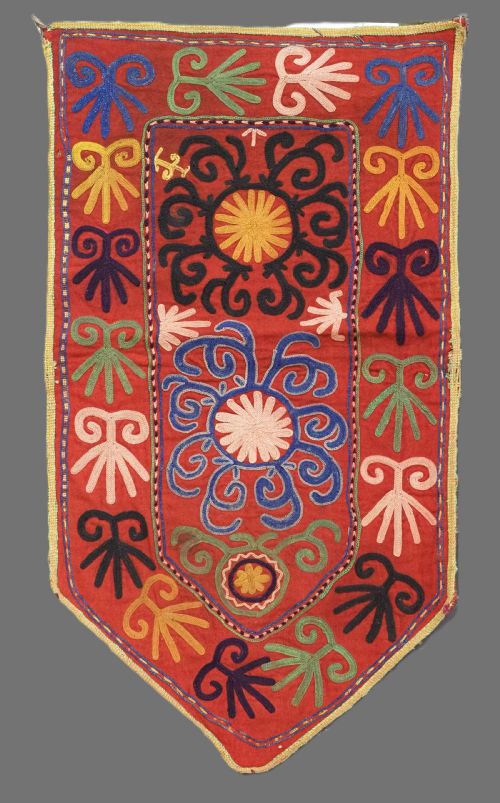
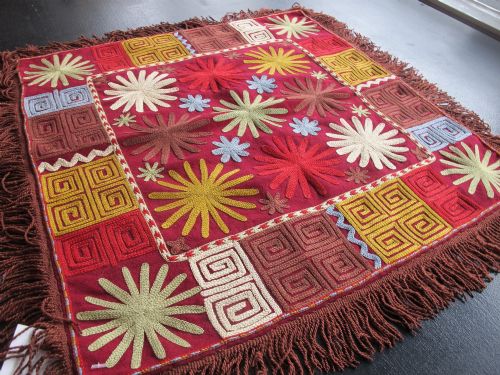
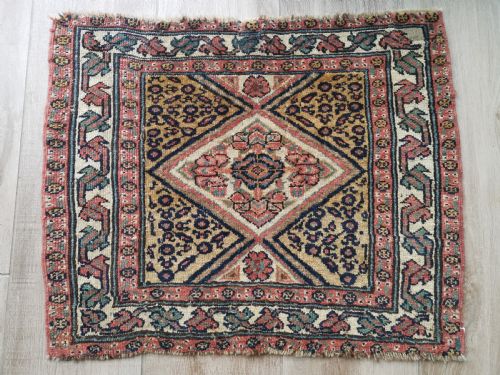
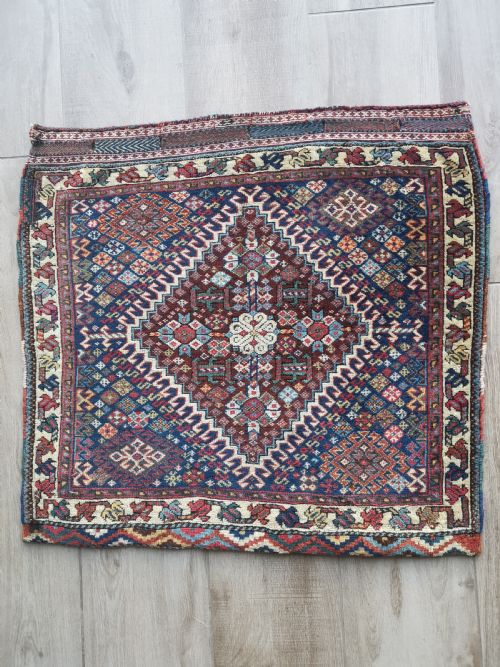
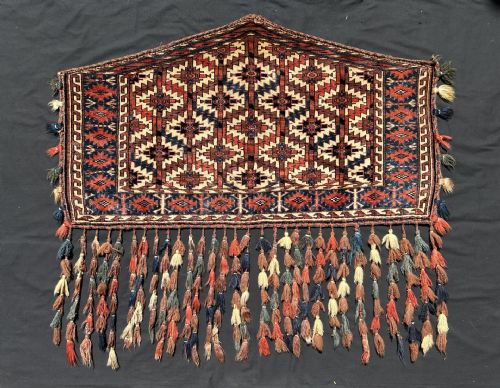
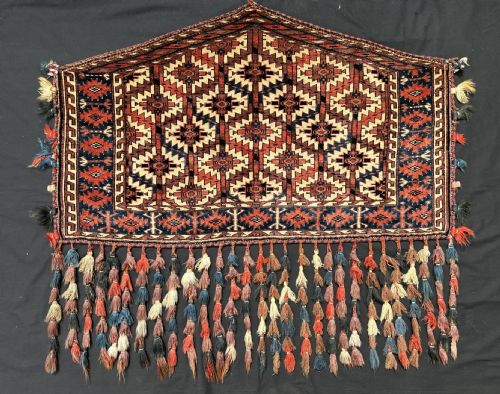
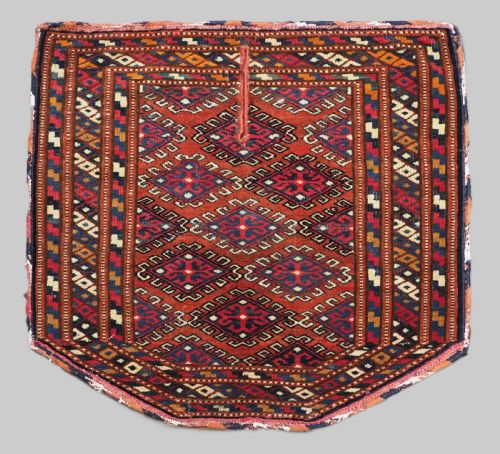
When you search for a red wool rug panel, you are looking at tribal textile fragments, dowry embroideries, and bag faces created for nomadic and village life in Central Asia and Persia.
Red Wool Rug Panel
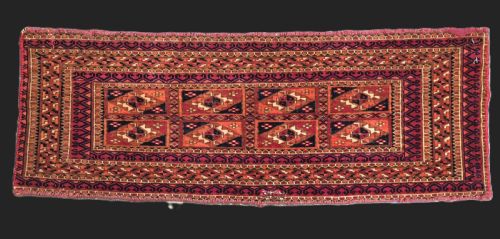
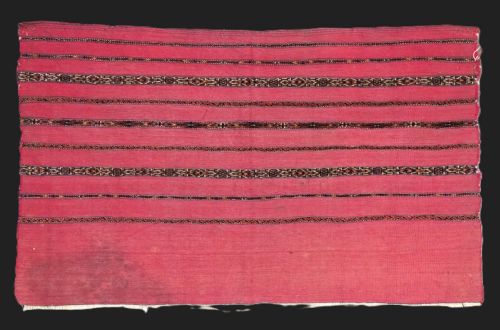
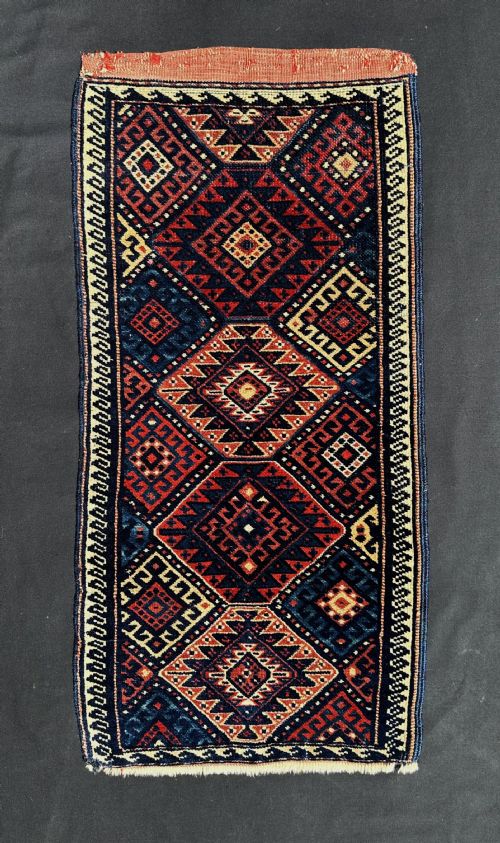
A red wool rug panel encompasses a variety of nomadic and tribal weavings, from Turkmen torba faces and asmalyks to Uzbek felt panels and Persian bagfaces. These objects originate from the nineteenth and early twentieth centuries, reflecting the domestic and ceremonial lives of tribes such as the Yomut, Tekke, Ersari, and Lakai. Many examples function as storage bag faces, wall hangings, or dowry embroideries rather than floor coverings.
Buyers frequently encounter fragments adapted from larger trappings, including saddle covers, pillow bags, and tent bands. The palette leans heavily on rich madder grounds, often featuring wool, cotton, or silk elements upon a felt or woven foundation. Each piece carries tribal motifs and geometric patterns specific to its region of manufacture, such as the Trans-Caspian steppes or the Khorassan province.
How they were made
Makers utilised hand-spun wool and natural dyes to build the primary foundations and pile surfaces of these textiles. Ground materials frequently incorporate heavy wool felt or woven flatweave structures, upon which supplementary weft-wrapping or embroidery techniques are applied.
Silk threads and cotton elements appear in detailed surface embellishments, particularly in embroidery work from Uzbekistan and Persia. Artisans combined flatweave structures, pile knots, and applied fringe to construct durable domestic items designed for daily use within nomadic settlements.
Nomadic weavers packed these vibrant panels onto camels, ensuring even tents travelled in striking style.
What varies in quality
Quality rests upon the fineness of the weave, the clarity of the design drawing, and the integrity of the materials. Pieces featuring tightly packed structure and crisp execution demonstrate superior workshop or tribal standards.
The vibrancy and depth of the natural dyes influence the visual strength of the composition. Well-preserved surfaces with intact borders and minimal structural loss command greater attention from collectors.
Lakai Tribe·Yomut Tribe·Tekke Tribe·Ersari Tribe·Shahsavan Tribe
The Red Wool Rug Panel Glossary
- Asmalyk
- A ceremonial camel trapping produced by Turkmen tribes, often pentagonal in shape and hung during wedding processions. These pieces display intricate secondary guls and rich wool grounds.
- Torba
- A small storage bag produced across Central Asian nomadic groups for use inside the yurt. They typically feature wide horizontal formats with repeating tribal gul designs.
- Ilgich
- A Central Asian hanging or embroidery piece, frequently associated with Lakai Uzbek dowry items. They employ silk stitching on wool or felt grounds with bold graphic layouts.
- Gul
- A primary medallion or repeating octagonal motif used in Turkmen and Persian tribal weaving. Each pattern identifies the specific tribe or clan responsible for the work.
- Sumac
- A flatweaving technique where supplementary pattern wefts wrap around the warp threads before passing back. This method creates a durable, ribbed surface texture without pile.
- Mafrash
- A rectangular storage bale face used for bedding and household goods in transit. These structures utilise banded flatweave designs or piled faces.
Red Wool Rug Panel: Frequently Asked Questions
What is a red wool rug panel used for?
These textiles served practical storage and ceremonial functions within nomadic households, acting as bag faces, wall hangings, or dowry items.
Today, collectors mount these panels on walls as decorative textile art or utilise smaller fragments for display purposes.
How do I identify a Turkmen panel?
Turkmen pieces typically display repeating octagonal gul motifs set against deep madder red wool grounds.
Tribal subgroups like the Yomut and Tekke incorporate distinct geometric borders and structural weaves that distinguish their origin.
Are these panels authentic antiques?
The pieces available date from the nineteenth and early twentieth centuries, created by nomadic and village weavers.
Materials consist of hand-spun wool, natural dyes, and traditional flatweave or embroidery techniques characteristic of that era.
How should I care for a textile panel?
Keep textile panels away from direct sunlight to prevent natural dye fading and wool degradation.
Gentle surface cleaning by a specialist conservator preserves the structural integrity of the embroidery and felt grounds.