




Red Wool Bidjar Carpet
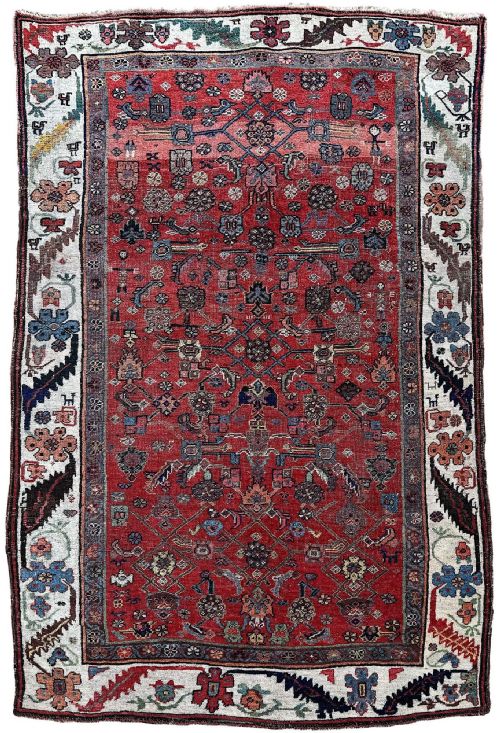
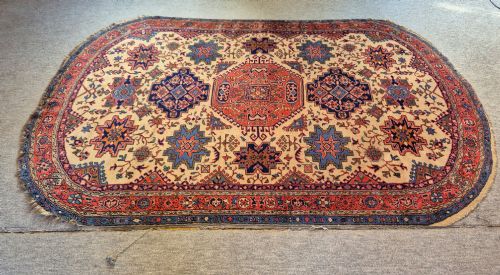
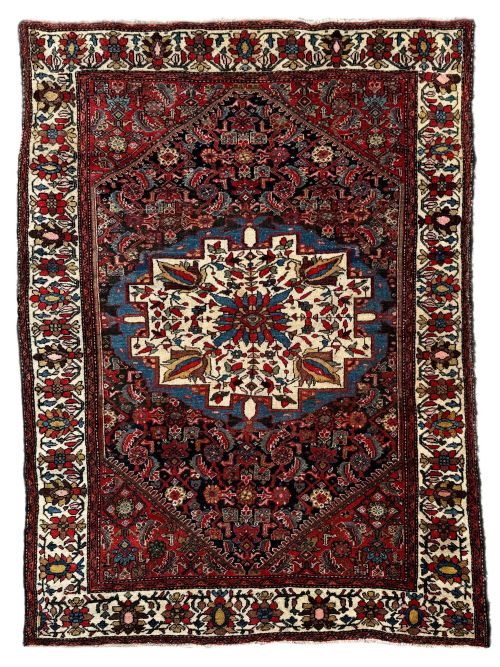
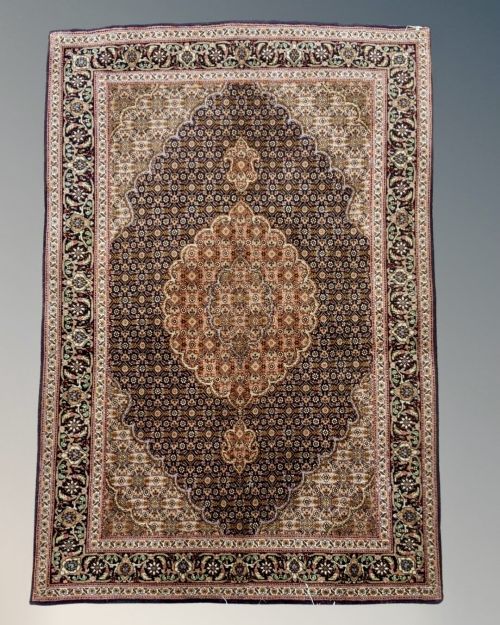
A red wool bidjar carpet brings heavy Kurdish craftsmanship and durable pile to a floor, offering dense floral motifs and geometric designs.
Red Wool Bidjar Carpet
A red wool bidjar carpet represents heavy Persian weaving from the Kurdish regions of Bijar, spanning the nineteenth and early twentieth centuries. These floor coverings appear in formats ranging from smaller scatter rugs and bag faces up to large kelleh carpets and room-sized floor pieces.
The inventory showcases traditional Persian tribal work, often designated simply as Bidjar, Bijar, or Kurd-Bidjar. Buyers frequently encounter regional formats including long rugs, kilims, and substantial area carpets dating from eighteen seventy through to nineteen thirty.
Village weavers constructed these carpets to endure heavy daily use, employing sturdy structures that distinguish them from finer city-made Persian weaves. The designs rely on traditional Persian motifs executed with robust wool foundations.
What varies in quality
The distinction between standard village pieces and superior examples rests upon knot density and the precision of the drawing. Tighter knotting yields a stiffer handle and greater structural resilience.
Proportion and scale also dictate the standing of a piece, particularly in larger kelleh formats where maintaining balanced borders requires high technical skill.
Listings span periods from eighteen seventy to nineteen thirty, constructed from wool and cotton in Persian tribal styles.
The Red Wool Bidjar Carpet Glossary
- Bidjar
- A town in western Iran and the surrounding Kurdish region known for producing exceptionally heavy, durable knotted carpets. These rugs are often called the iron rugs of Persia due to their dense construction.
- Kelleh
- A long, rectangular format of Persian carpet traditionally suited for narrow rooms or hallways. These pieces offer an elongated central field enclosed by wide decorative borders.
- Kilim
- A flat-woven textile produced without a raised pile, utilising warp and weft threads to create geometric patterns. Examples from this region bring lightweight versatility compared to knotted carpets.
- Bag face
- The front panel of a tribal storage sack, repurposed as a small decorative mat. These smaller fragments display concentrated tribal designs.
Red Wool Bidjar Carpet: Frequently Asked Questions
How do I care for a heavy wool carpet?
Vacuum gently without a rotating brush roll to protect the wool pile from unnecessary friction and fibre loss.
Rotate the carpet periodically to ensure even wear across high-traffic areas and exposure to sunlight.
Where were these carpets originally woven?
Weavers produced these textiles in the Kurdish towns and tribal villages surrounding Bijar in western Persia.
These communities maintained distinct weaving traditions that emphasised structural durability over delicate city aesthetics.
What is a kelleh format?
A kelleh is a specific long carpet format designed for traditional Persian domestic architecture.
These elongated proportions suit long hallways or large principal rooms.
How do I date an older carpet?
Dating relies on stylistic analysis of the motifs, structural materials, and regional weaving characteristics recorded in each piece.
Nineteenth-century examples often display natural dye variations and hand-spun wool structures that differ from later twentieth-century production.