






Red Area Carpet
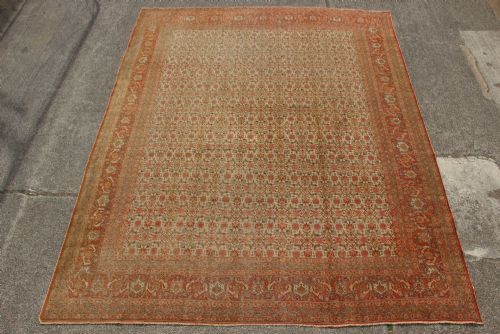
When you search for red area carpet, you are looking at woven floor coverings spanning the nineteenth and twentieth centuries.
Red Area Carpet
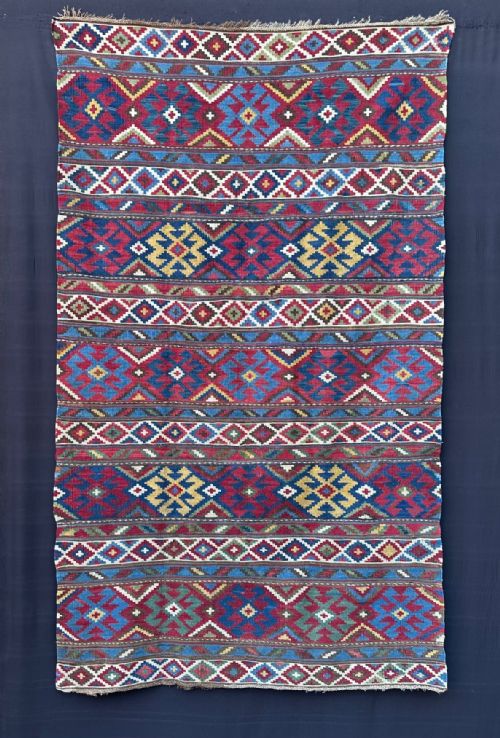
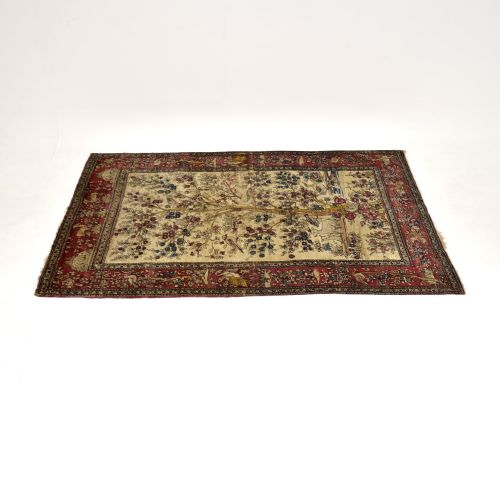
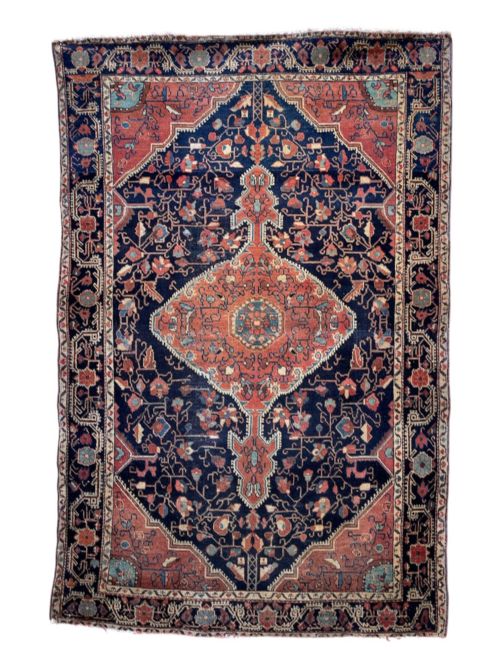
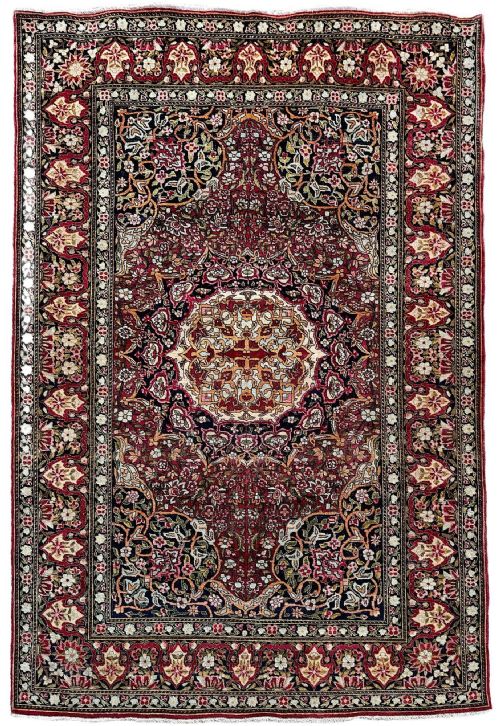
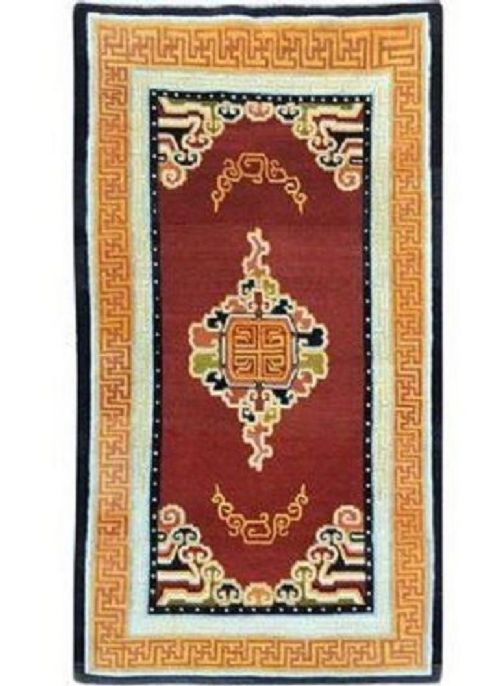
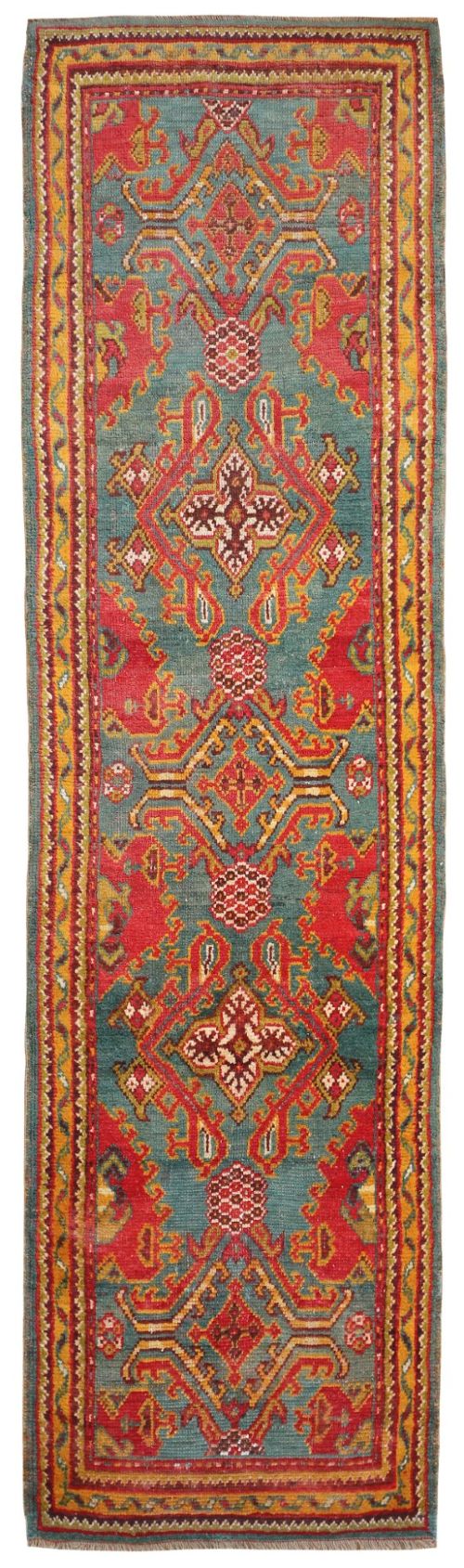
A red area carpet encompasses floor coverings originating from Persia, the Caucasus, Turkmenistan, Anatolia, and Tibet. These textiles arrive in various formats including runners, village rugs, prayer rugs, and large carpets.
The pieces on this page stem from periods ranging through the nineteenth century, 1870, 1880, 1890, 1900, 1910, 1920, and 1930. Buyers encounter traditional Persian patterns alongside Caucasian tribal and Turkmen tribal designs.
Makers utilised specific regional motifs such as the double mihrab, pencil box design, and specific village patterns. Each item reflects the weaving traditions of its designated origin.
How They Were Made
These carpets and rugs are constructed using wool, cotton, silk, and hand-spun wool materials. Artisans employed natural dyes to achieve the distinct red backgrounds and varied colour highlights seen across the pieces.
The construction involves hand-weaving techniques practiced across Persian, Caucasian, and Turkmen regions. Certain examples incorporate silk highlights alongside wool foundations.
The listings span from the nineteenth century through the 1930s, featuring wool, cotton, and silk.
What Varies in Quality
Quality differences emerge through the fineness of the weave and the complexity of the tribal or traditional design. Pieces featuring hand-spun wool and natural dyes demonstrate distinct material integrity.
The precision of regional motifs, such as those found in Kazak, Tabriz, or Heriz pieces, distinguishes standard village work from finer workshop productions.
The Red Area Carpet Glossary
- Mihrab
- A niche in a prayer rug design indicating the direction of prayer. This architectural motif often appears in Caucasian and Baluch examples.
- Runner
- A long, narrow carpet format suited for hallways or corridors. These pieces maintain elongated dimensions relative to their width.
- Natural Dyes
- Colourants derived from plant, insect, or mineral sources rather than synthetic chemicals. These materials produce the nuanced tones visible in older rugs.
- Hand-spun Wool
- Yarn prepared by hand rather than industrial machinery. This material retains variable thickness and absorbs natural dyes with subtle depth.
Red Area Carpet: Frequently Asked Questions
How do I identify a tribal rug?
Tribal rugs typically display geometric motifs, bold colour blocks, and designs passed down through nomadic or village groups rather than urban workshops.
Look for characteristics associated with specific regions such as the Caucasus, Turkmenistan, or Anatolia in the piece's structure.
What is a prayer rug?
A prayer rug is a smaller format textile featuring a mihrab or niche design used historically for individual prayer.
These pieces often display compact dimensions suited to being portable.
How do I care for an antique wool carpet?
Care for antique wool textiles involves gentle vacuuming without a beater bar and professional cleaning when necessary. Protect the rug from direct sunlight to preserve natural dyes.
Allow adequate ventilation beneath the carpet to maintain the wool and cotton foundation.
Where were these carpets made?
These carpets originate from regions including Persia, the Caucasus, Turkmenistan, Central Asia, Anatolia, and Tibet.
Each area developed distinct weaving techniques, materials, and stylistic traditions over the nineteenth and twentieth centuries.