

Crimson Oriental Rug
When you search for a crimson oriental rug, you enter a world of woven textiles that bring deep red warmth and enduring history to a room.
Crimson Oriental Rug
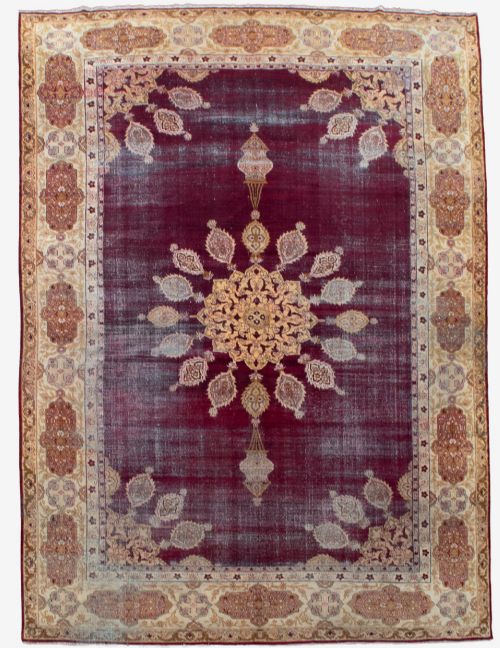
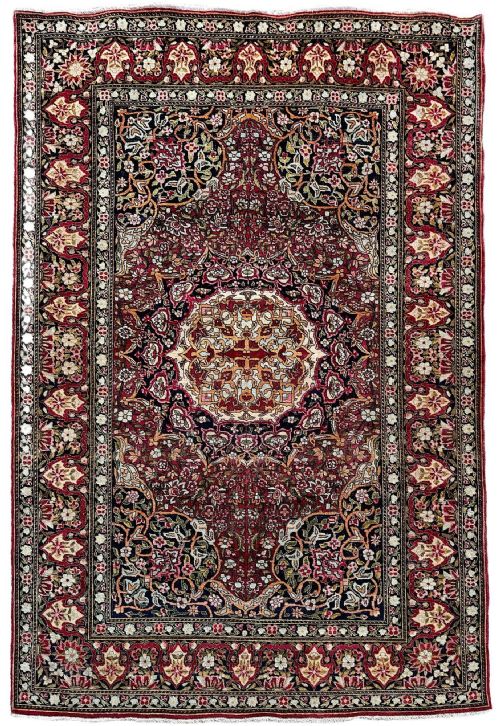
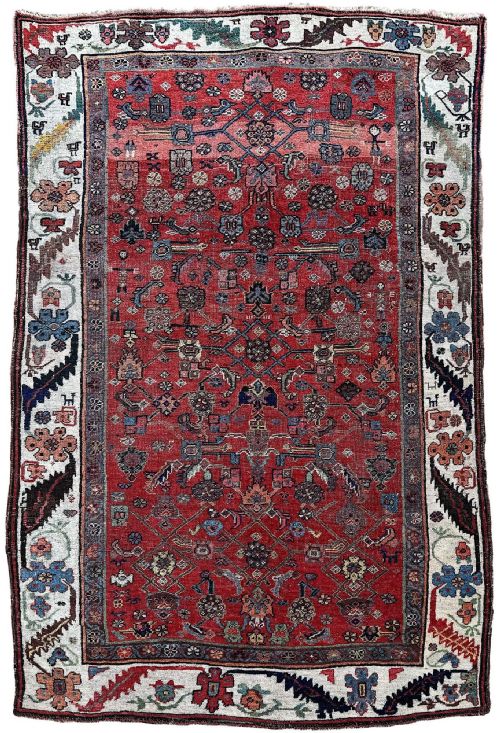
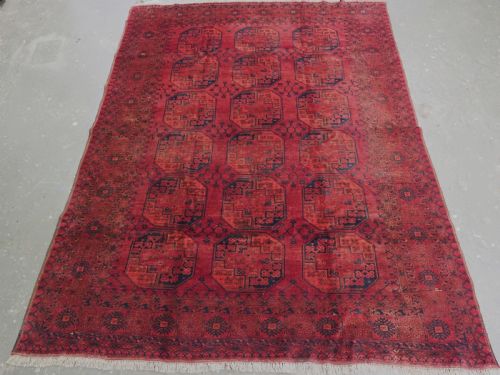
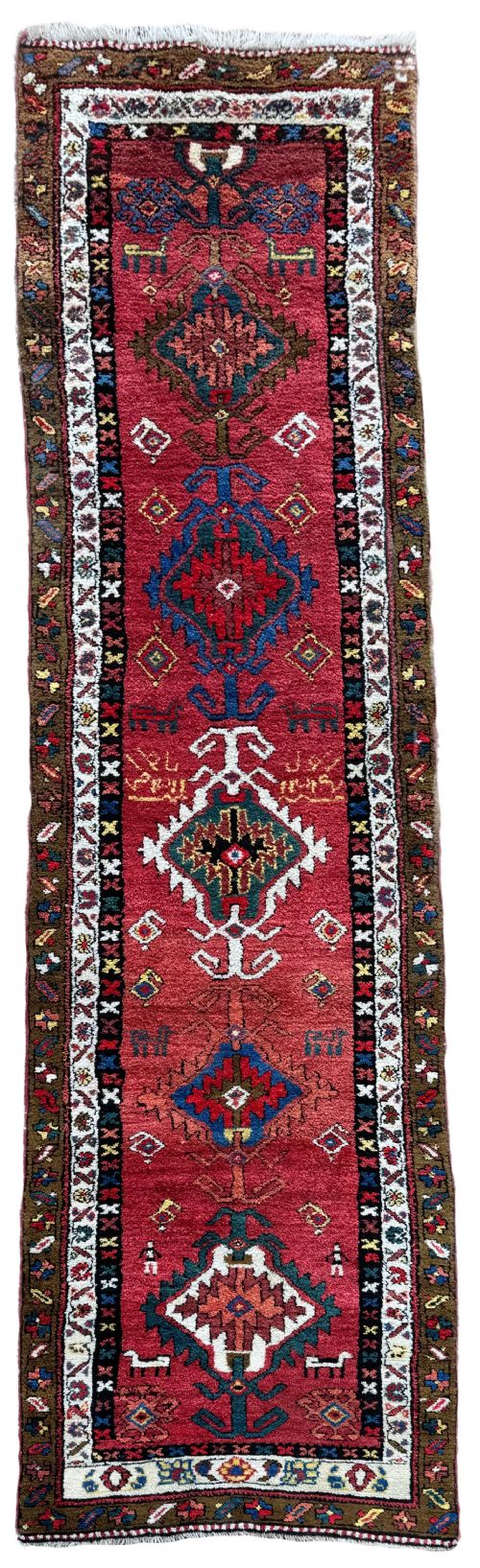
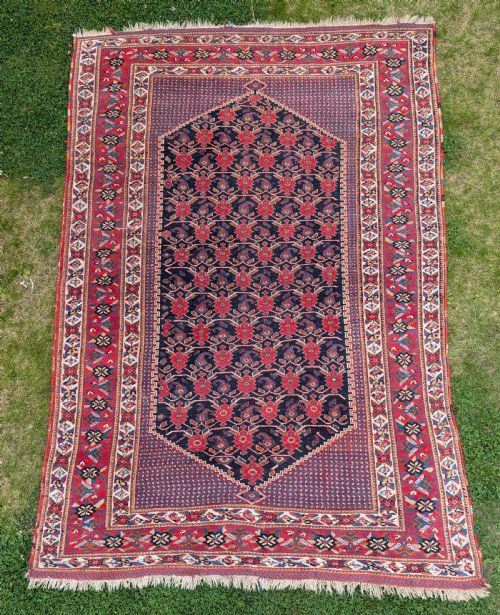
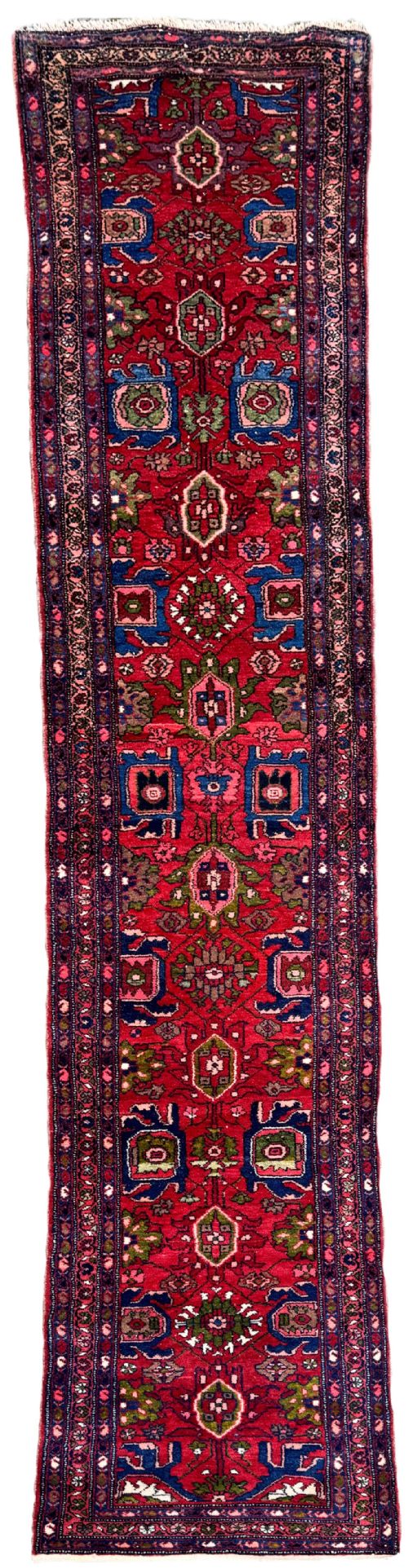
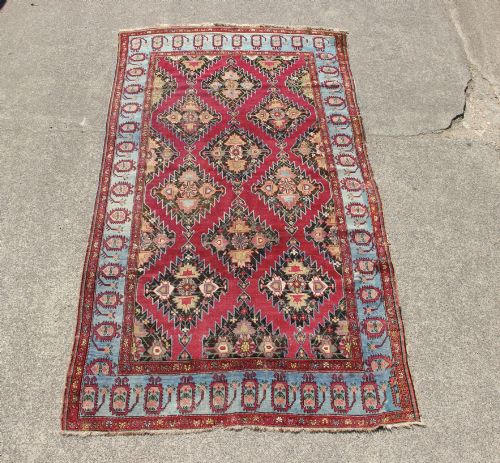
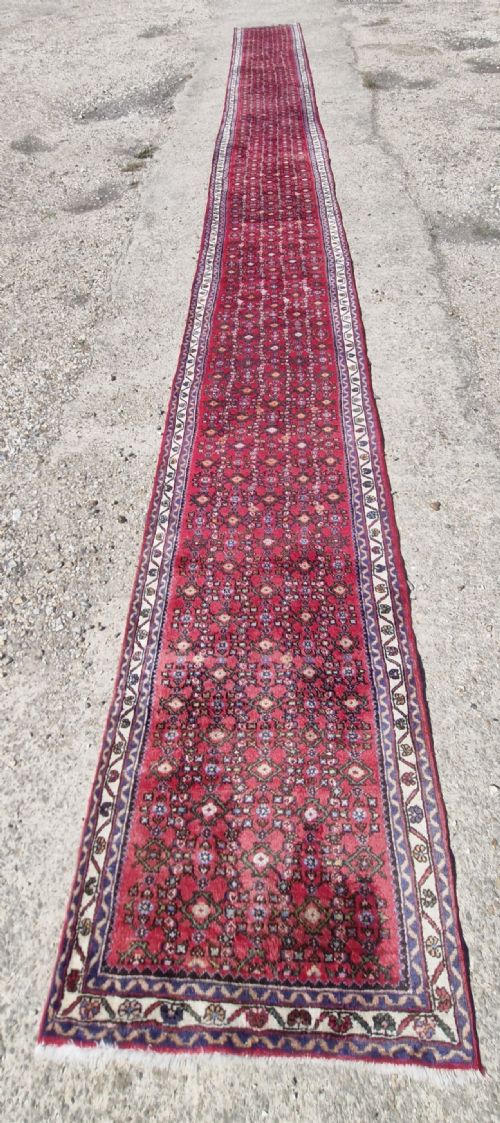
A crimson oriental rug encompasses woven floor coverings and decorative textiles originating from regions including Persia, Anatolia, and Turkmenistan, dating from the nineteenth and early twentieth centuries. These pieces appear in various formats, from expansive palace carpets and room-sized rugs down to narrow runners and smaller tribal bags or cushions.
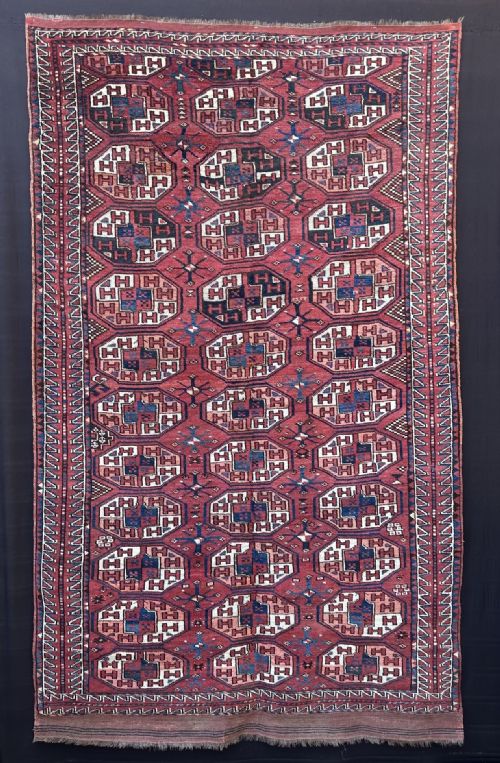
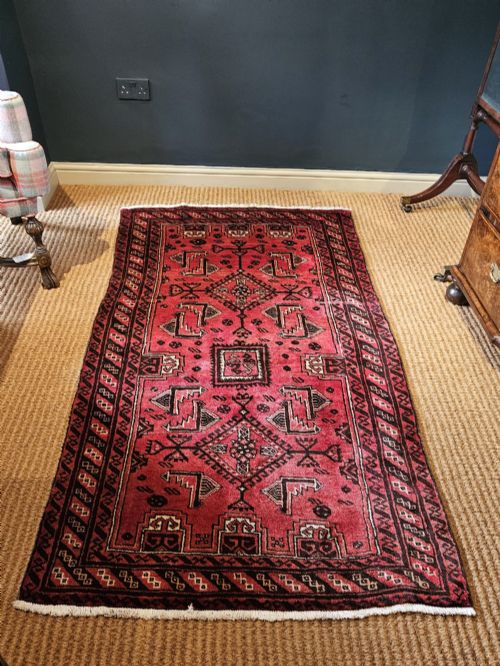
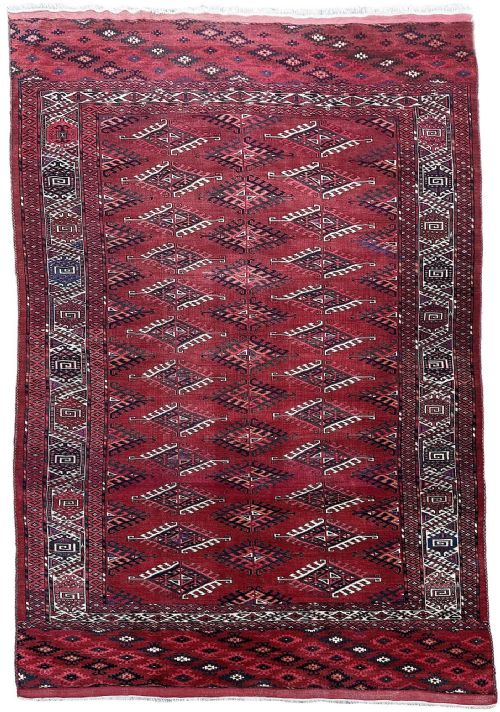
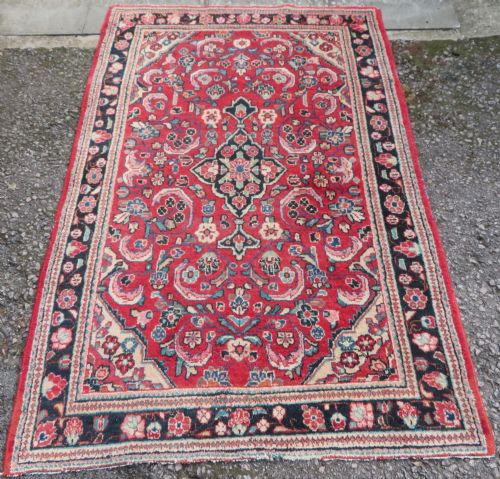
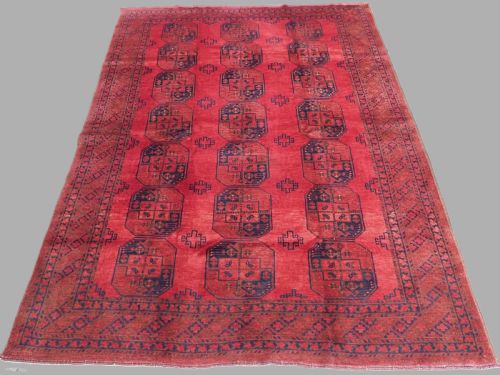
The most frequent examples encountered in this selection are traditional Persian village and city weaves alongside Turkmen tribal pieces, characterised by rich red grounds and geometric or floral motifs. Buyers encounter formats suited for hallways, grand reception rooms, and intimate spaces alike, each retaining distinct regional characteristics.
The category spans diverse cultural traditions, incorporating designs specific to makers such as the Ersari, Yomut, and Tekke tribes, as well as workshops in Kashan, Heriz, and Saroukh. This diversity ensures that every surviving textile tells a story of its specific geographic and cultural origin.
How They Were Made
These textiles rely on natural materials, predominantly utilising wool for the pile and foundation, supplemented by cotton foundations in many city and village pieces, and occasional silk threads for fine detail. The wool is frequently hand-spun, providing a durable and supple texture that responds well to decades of use.
Weavers employed traditional hand-knotting techniques across these rugs and carpets, securing the pile to the warp and weft threads by hand. Natural dyes provide the characteristic crimson and warm red colourways, interacting with the wool fibres to develop a rich patina over time.
Crimson Oriental Rug Retail Price Guide 2026
Typical asking prices for crimson oriental rug among the pieces listed under this phrase on Sellingantiques today, from the lower quarter to the upper quarter. They describe what is for sale here now, not the wider market.
The listings span the nineteenth and early twentieth centuries, featuring wool, cotton, and natural dyes across Persian and Turkmen styles.
What Varies in Quality
The standard of a crimson oriental rug depends heavily on the density of the knotting and the precision of the design execution. Finer knots permit more intricate geometric or floral detailing, distinguishing workshop carpets from simpler village or tribal productions.
The purity and depth of the natural dyes also dictate the visual strength of the piece, with complex colour variation in the red tones adding significant character. Additionally, the condition of the wool pile and the structural integrity of the edges and foundations determine the overall longevity of the textile.
The Crimson Oriental Rug Glossary
- Knot
- The individual loops of yarn tied to the warp threads that form the pile of the carpet. Denser knotting generally indicates finer work and more detailed patterns.
- Warp
- The vertical foundation threads stretched lengthwise on the loom before weaving begins. The pile knots are tied around these stationary strings.
- Weft
- The horizontal threads passed alternately over and under the warp threads after each row of knots. This locks the knots securely in place and gives the rug structural stability.
- Pile
- The soft, upright surface of the rug formed by the cut ends of the knotted yarn. Its thickness and material composition determine the tactile feel underfoot.
- Gul
- A medallion-like primary motif found frequently in Turkmen and Central Asian tribal carpets. These octagonal or repeated patterns often signify specific tribal lineages.
- Prayer Rug
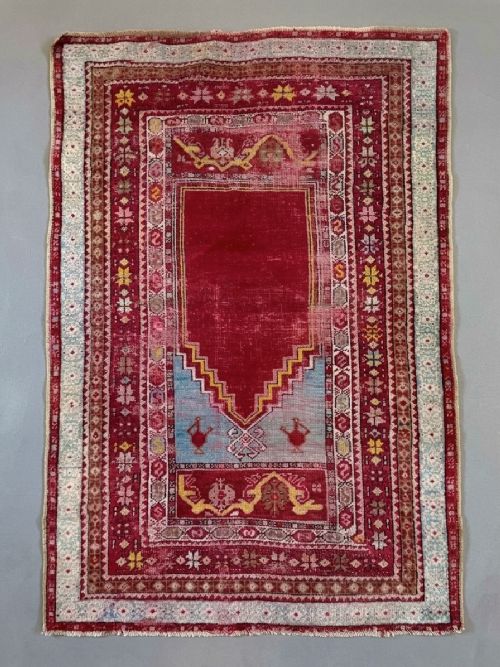
- A textile featuring a distinct mihrab or arch design at one end, traditionally used to indicate the direction of prayer. These pieces often serve as intimate wall hangings or focused floor accents.
Crimson Oriental Rug: Frequently Asked Questions
How do I clean an antique rug?
Gentle surface vacuuming without a beater bar removes loose dirt from the wool pile safely.
Professional specialist cleaning remains essential for deep washing to protect the natural dyes and foundations.
Where were these carpets woven?
Production centres span across Central Asia, Persia, and Anatolia, encompassing nomadic tribal camps, rural villages, and major urban workshops.
Each region developed distinct weaving structures and colour palettes that identify their geographic origin.
Can I place these rugs in hallways?
Narrow runners and long formats suit corridors and landings perfectly, accommodating high foot traffic when paired with a quality underlay.
Wool textiles possess natural resilience that helps them withstand everyday movement along hallways.
What causes the varied red shades?
Natural dye sources, such as madder root, interact uniquely with different batches of hand-spun wool and local water supplies.
This variation creates the characteristic abrash effect, where subtle tonal shifts occur naturally across the crimson field.