
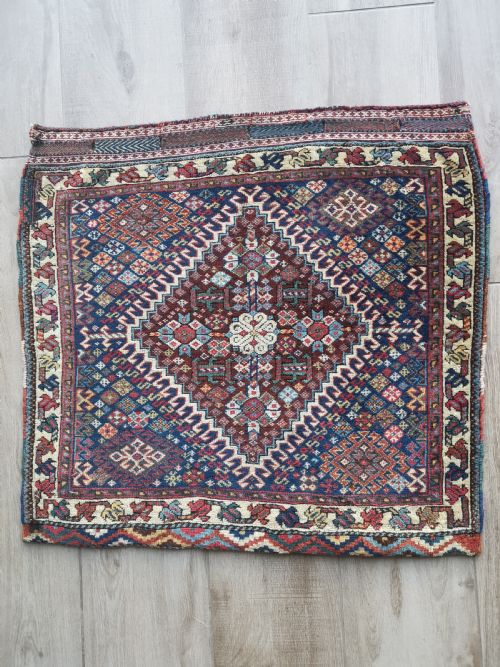

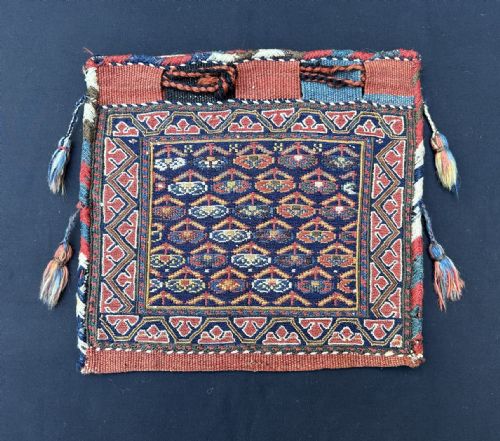
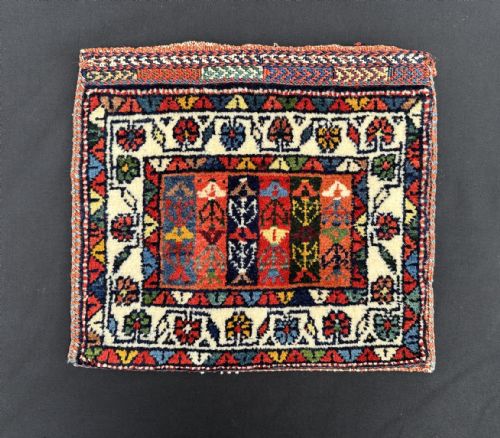
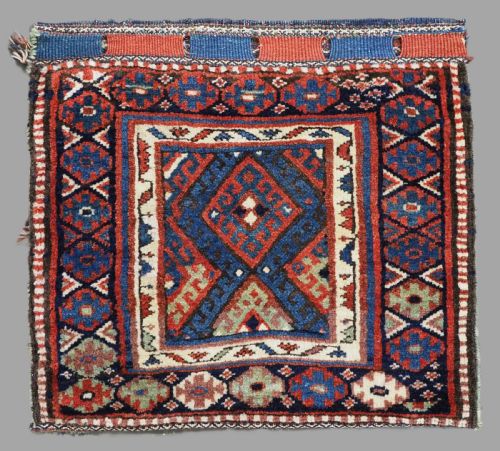



Red Wool Bag Face
When seeking a red wool bag face, collectors explore tribal textiles woven for utility and ornament across Central Asia and Persia.
Red Wool Bag Face
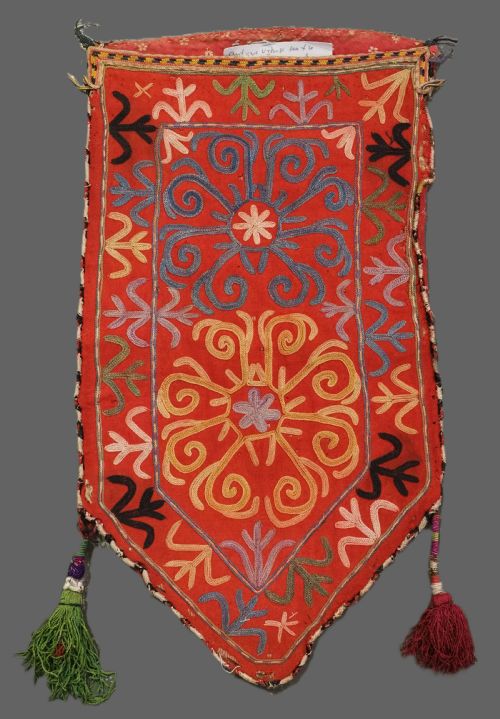
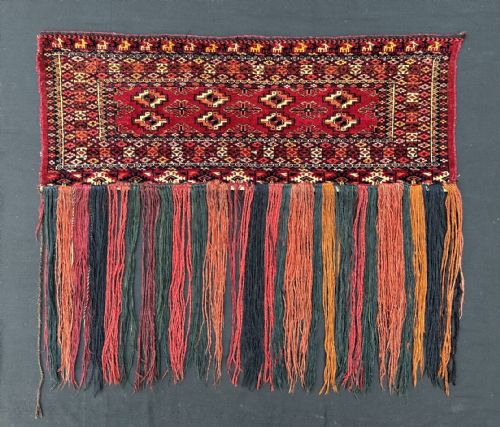
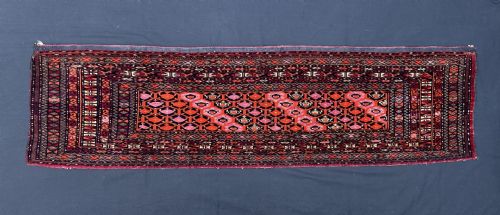
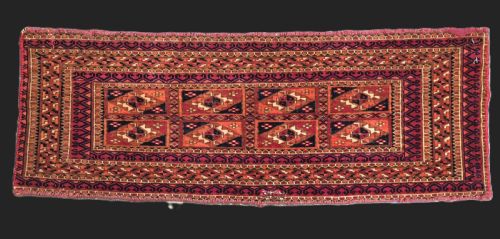
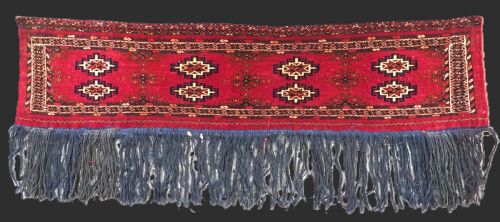
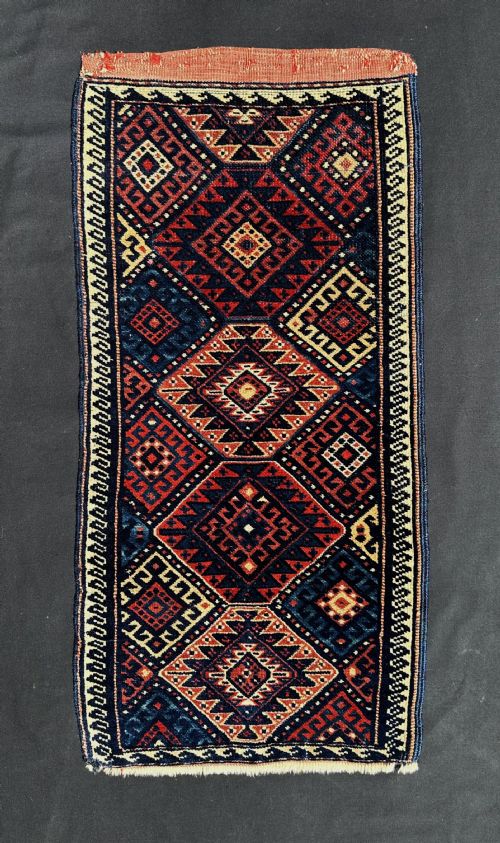
The format is dominated by Turkmen tribal weaving from the nineteenth century, showing formal arrangements of guls and secondary motifs on red grounds. Examples range from small vanity bags and pillow covers to large storage bag faces originating from the steppes and oases of Central Asia and western Persia.
Factors determining quality
Knot density and handling of the material dictate the crispness of the drawing in tribal weaving, with finer structures allowing complex secondary ornaments to emerge clearly. The depth and saturation of the red ground dyes, alongside the skill in balancing secondary colours, distinguish superior examples.
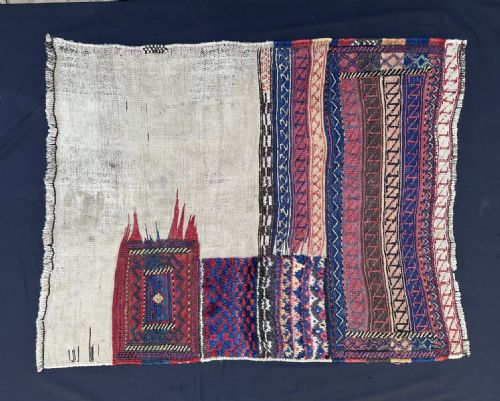
Unusual structural formats, such as double-faced weaving or scarce medallion arrangements, elevate certain pieces above standard tribal production. The integrity of the remaining wool pile and the precision of the tribal guls determine the overall visual impact of a panel.
Red Wool Bag Face Retail Price Guide 2026
Typical asking prices for red wool bag face among the pieces listed under this phrase on Sellingantiques today, from the lower quarter to the upper quarter. They describe what is for sale here now, not the wider market.
Nomadic weavers occasionally included spindle bags designed specifically to hold the wooden tools used in spinning wool on the move.
The Red Wool Bag Face Glossary
- Gul
- A primary medallion or octagonal motif repeated across Turkmen and tribal rugs. These emblems often denote specific tribal lineages and sub-groups.
- Torba
- A small horizontal storage bag traditionally hung on the lattice walls of a nomadic tent. They feature ornate pile-woven faces and plain backs.
- Chuval
- A large tent bag utilised for bedding and household storage by nomadic tribes. Surviving faces display multiple guls in structured rows.
- Mafrash
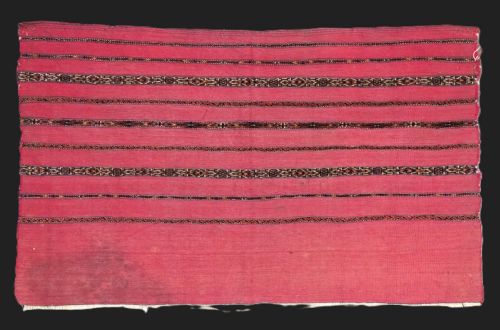
- A rectangular storage bale or chest bag face produced by nomadic groups. These often incorporate banded flatweave designs alongside pile work.
Red Wool Bag Face: Frequently Asked Questions
What is a red wool bag face?
It is the decorative front panel of a nomadic storage bag, removed from its original utility as a container for household goods or bedding.
These panels survive as collectible tribal textiles, valued for their regional weaving traditions and natural dye palettes.
How were these bags used originally?
Nomadic tribes utilised them inside tents for storing clothing, wool, grain, and personal possessions.
Larger versions hung along lattice walls, while smaller vanity bags and pillow bags served daily domestic functions.
How do I display a bag face?
Many collectors mount these textile panels on fabric backings for safe wall hanging.
Keeping them away from direct sunlight preserves the natural wool pile and red madder dyes.
How do I identify different tribal groups?
Tribal affiliation is identified through specific structural designs, border patterns, and gul motifs.
Weaving characteristics link pieces to groups such as the Tekke, Yomut, Ersari, or Lori-Bakhtiari nomads.