

Red Turkmen Textile
When you handle a red turkmen textile, you encounter dense wool weaving and tribal symbolism originating from Central Asian steppes and oases.
Red Turkmen Textile
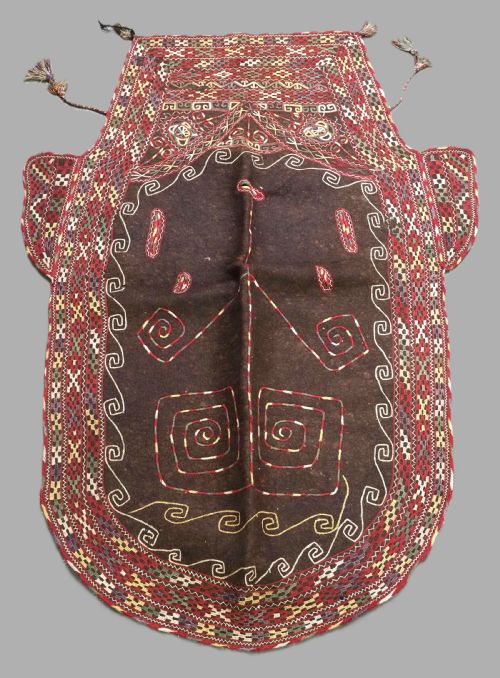
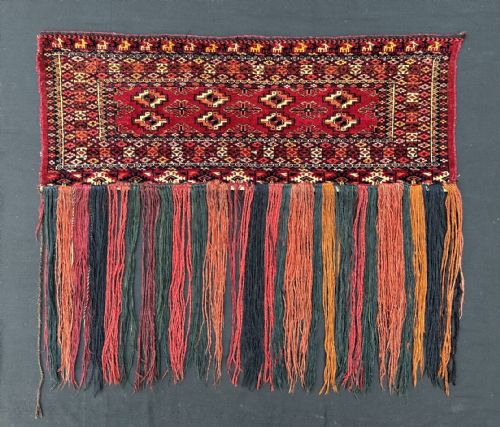
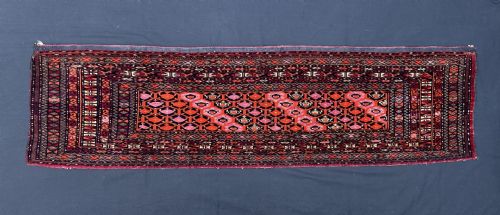
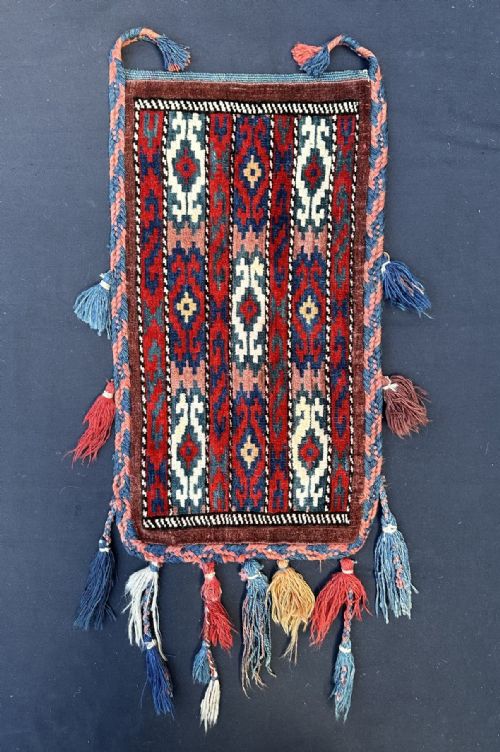
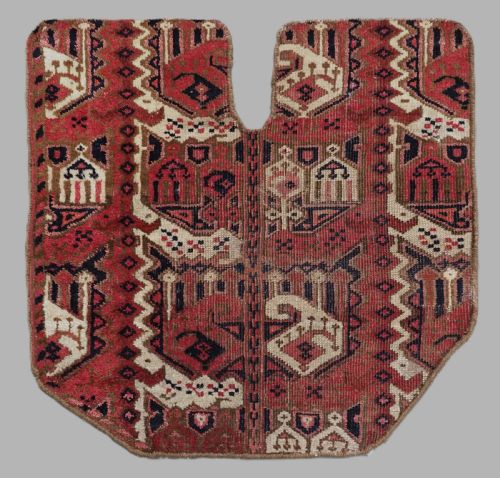
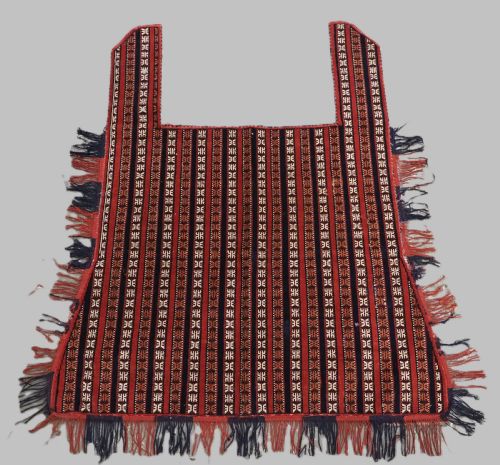
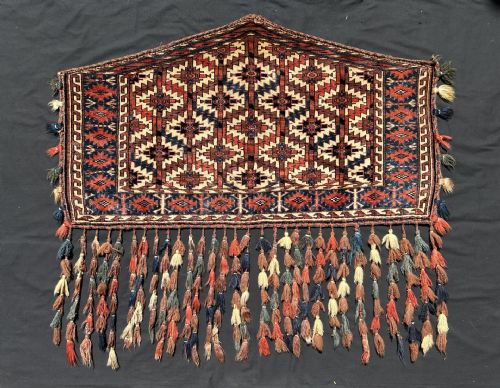
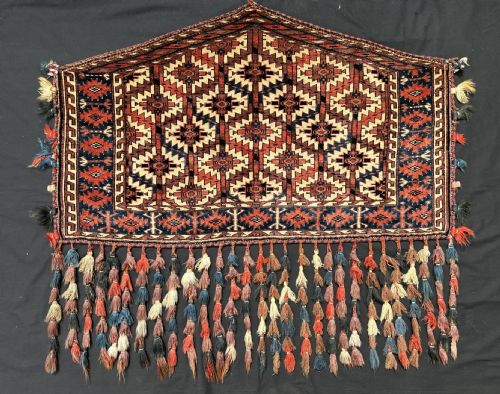
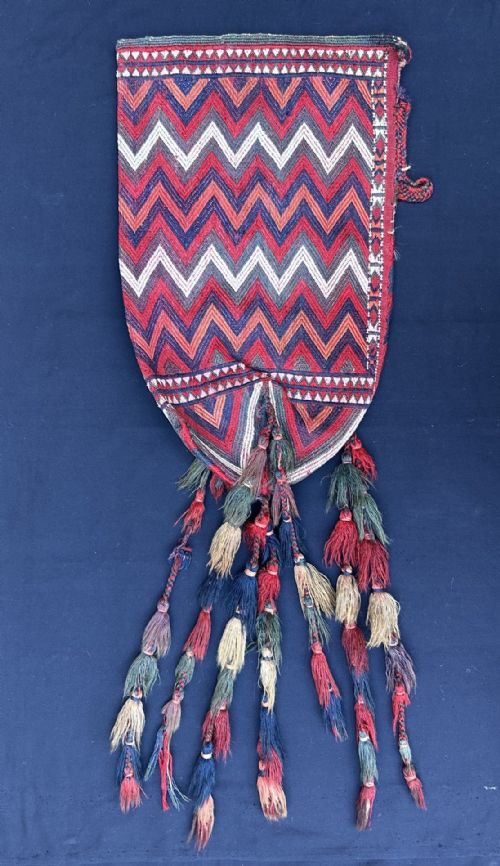
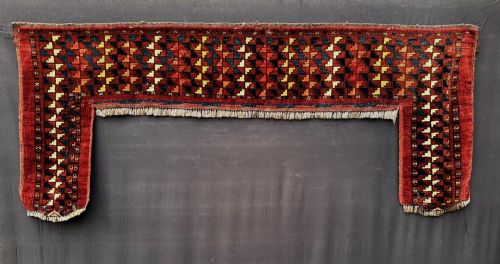
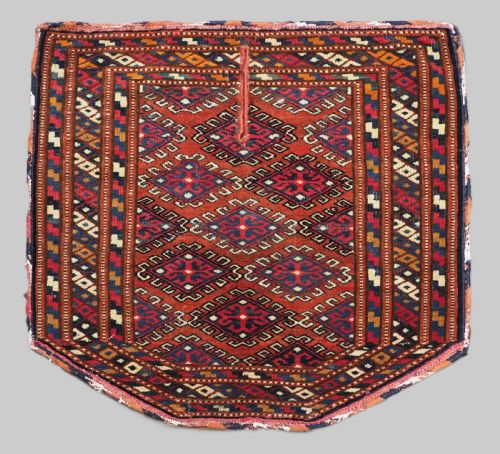
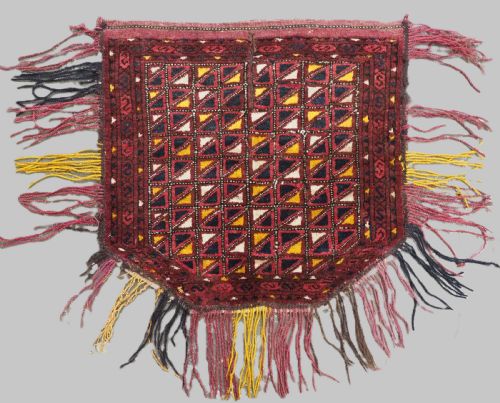
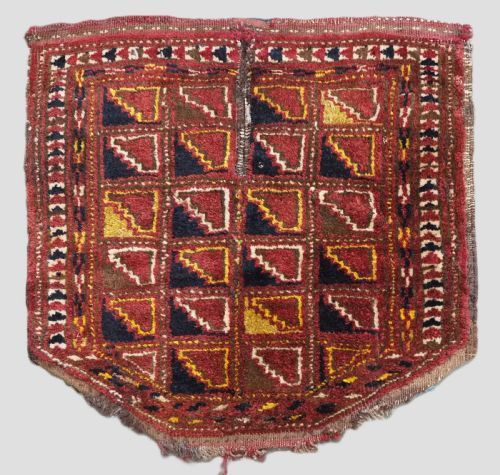
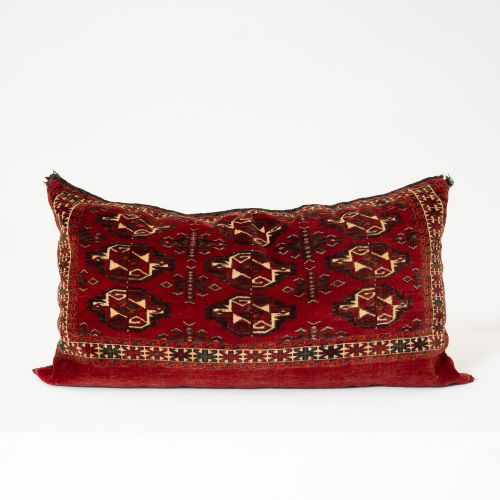
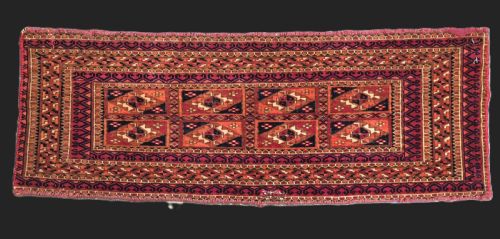
A red turkmen textile encompasses woven bags, tent bands, and animal trappings originating from nomadic and tribal groups across Central Asia. These items include specialised forms such as torbas, chuvals, asmalyks, and saddle covers created for daily domestic use or ceremonial occasions.
The majority of pieces encountered on this page date from the mid-nineteenth century to the early twentieth century. Common tribal attributions span Yomut, Tekke, Ersari, Saryk, and Salor groups working within the Trans-Caspian steppes and the Amu Darya region.
Makers produced these textiles primarily as functional objects for camel and horse transport, tent storage, and household decoration. Collectors encounter both complete utilitarian pieces with original plain-weave backs and fragmented faces preserved for their intricate patterning.
Materials and construction methods
Weavers relied principally on hand-spun wool for the foundational warps, wefts, and pile, often supplemented by cotton and felted wool structures. Artisans incorporated natural dyes to achieve deep madder red grounds, alongside supplementary silk thread and cotton thread highlights for specific motifs.
Construction techniques combine pile knotting with flatweave plain-weave structures and occasional embroidery. Nomad workshops utilised durable animal fibres capable of withstanding the rigours of tribal migration and daily handling.
Red Turkmen Textile Retail Price Guide 2026
Typical asking prices for red turkmen textile among the pieces listed under this phrase on Sellingantiques today, from the lower quarter to the upper quarter. They describe what is for sale here now, not the wider market.
Listings feature wool, natural dyes, cotton, and silk materials spanning the period from 1850 to 1920.
Assessing quality and execution
Quality rests upon the density of the weave, the clarity of the primary guls, and the saturation of the natural dye palette. Finer knot counts allow complex tribal motifs to retain sharp definition across the face of the textile.
The presence of original elements such as tassels, plain-weave backs, and complete borders distinguishes superior survivals from trimmed fragments. Masterful handling of secondary colours provides strong visual contrast against the dominant red ground.
The Red Turkmen Textile Glossary
- Gul
- Gul. A primary repeating medallion or octagonal design motif central to tribal carpet and textile geometry.
- Torba
- Torba. A small horizontal storage bag utilised within the nomadic tent for personal possessions.
- Chuval
- Chuval. A large tent bag traditionally employed for storing household goods and bedding.
- Asmalyk
- Asmalyk. A pentagonal or polygonal trapping mounted on the flanks of camels during wedding processions.
- Jollar
- Jollar. A long, narrow bag or trapping used across animal flanks or tent interiors.
Red Turkmen Textile: Frequently Asked Questions
What is a red turkmen textile used for?
Nomadic families utilised these woven pieces for practical storage inside tents, transporting goods on pack animals, and decorating mounts during ceremonial processions such as weddings.
Individual items served specific roles, ranging from storage bags for spindle wool to decorative covers for horses and camels.
How can I identify the tribe?
Attribution relies upon the specific structural guls, secondary motifs, border arrangements, and the shade of the red ground. Different tribal confederations like the Yomut, Tekke, and Ersari maintained distinct visual vocabularies.
Master weavers repeated traditional geometric patterns that clearly separated one tribal group from another across the Central Asian steppes.
Are these pieces made from natural materials?
Traditional examples utilise hand-spun sheep wool for the pile and foundation, coloured with organic natural dyes derived from plants and roots. Artisans occasionally added cotton or silk threads for highlights and contrast.
Felted wool also appears in specific ceremonial horse covers and blankets rather than knotted pile construction.
How should I display a textile?
Collectors generally mount these flat textiles securely on a wall using non-damaging sleeve systems or display them flat on low-traffic surfaces. Proper support prevents stretching along the wool warps and wefts over time.
Keep pieces away from direct sunlight to protect the natural red dyes from fading.