
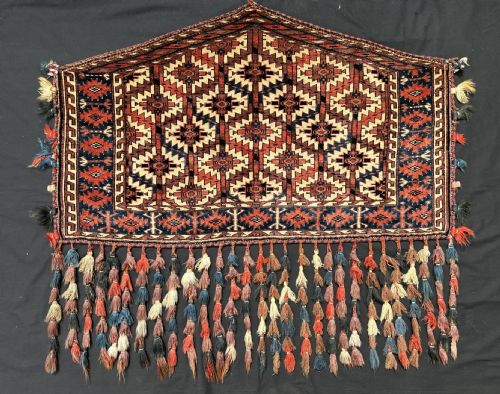

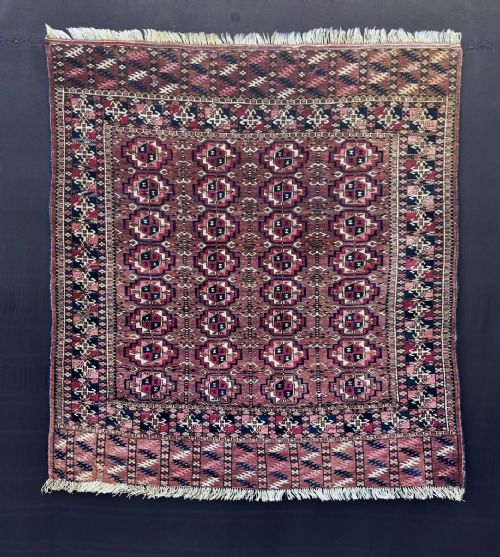
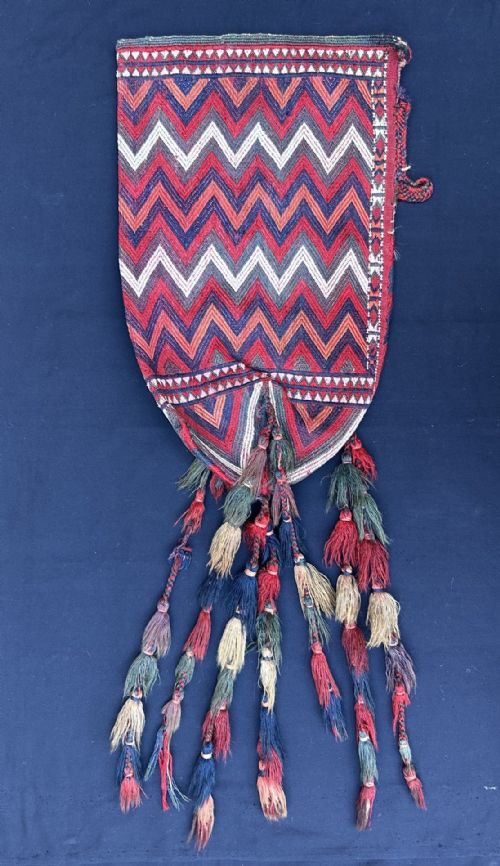
Red Turkmen Rug
A red turkmen rug brings rich madder tones and tribal geometry from Central Asian steppes directly into a modern interior.
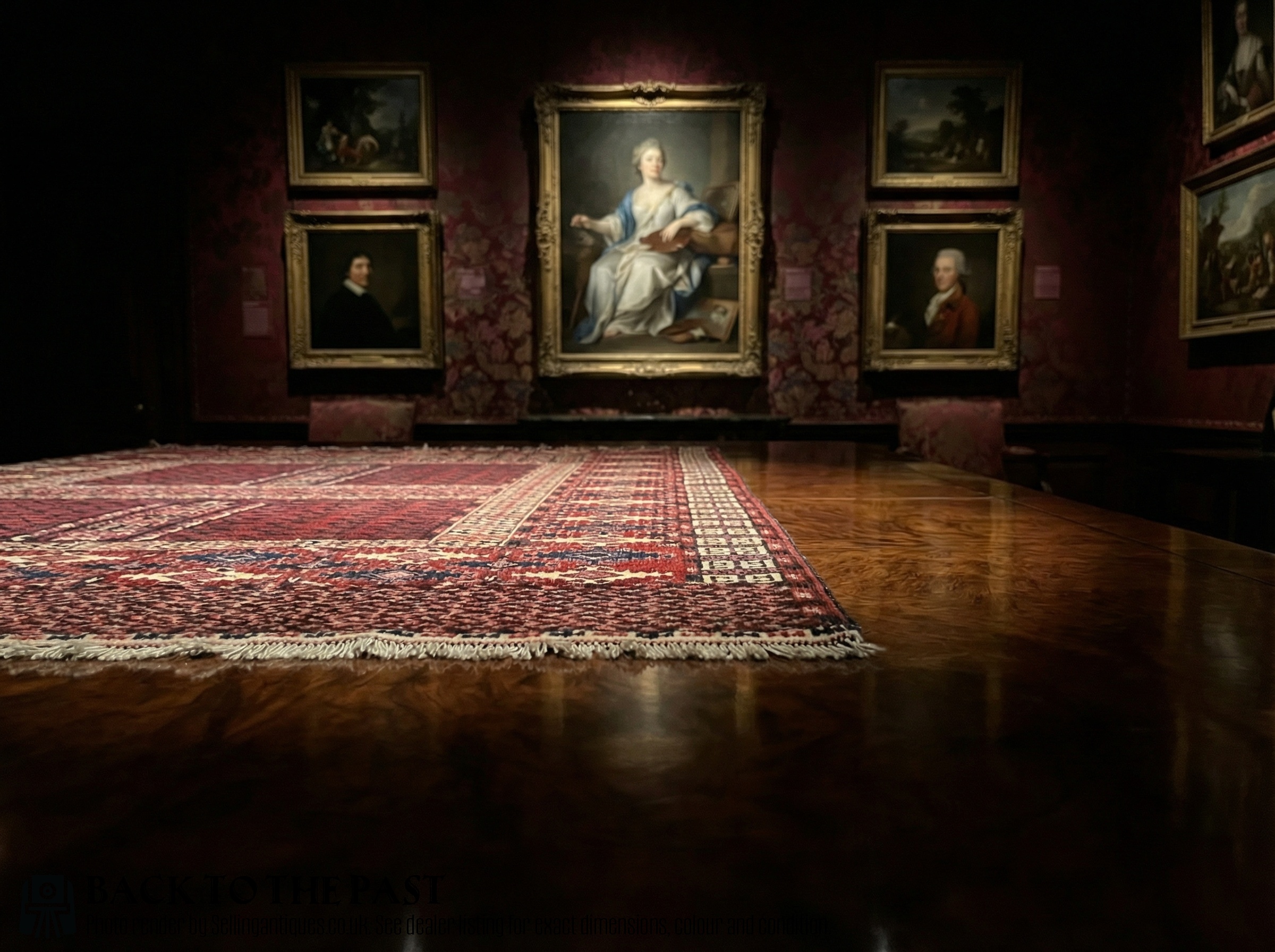
Red Turkmen Rug
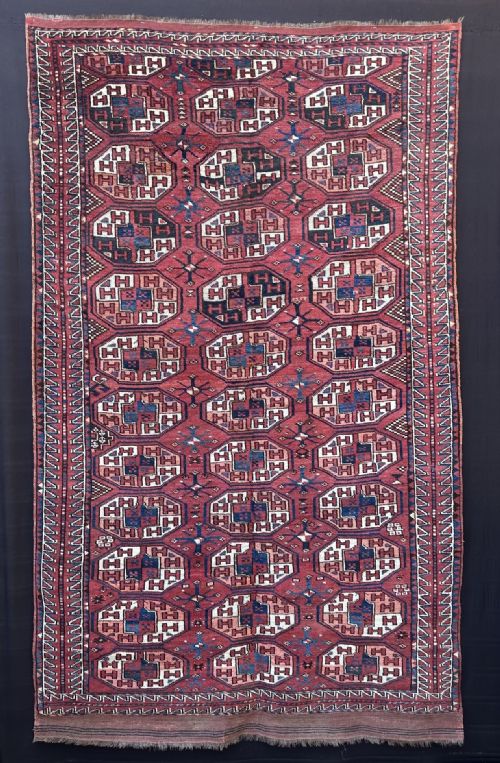
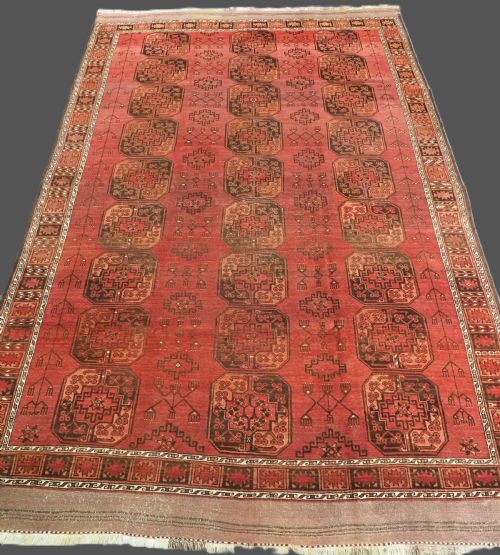
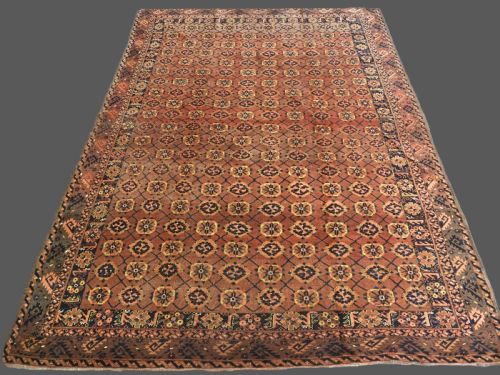
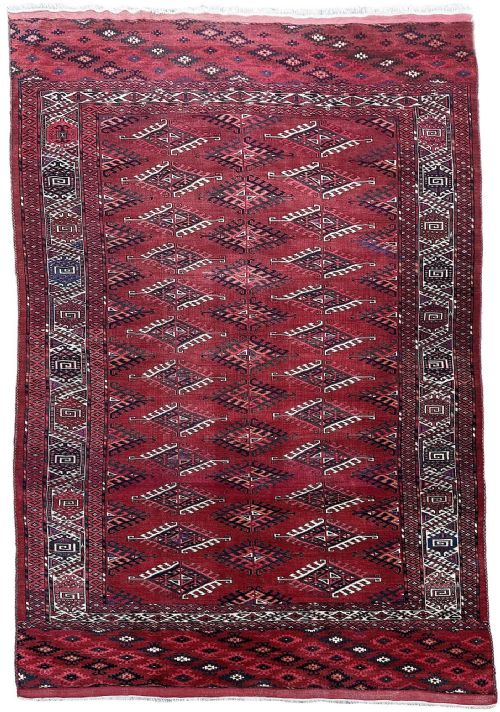
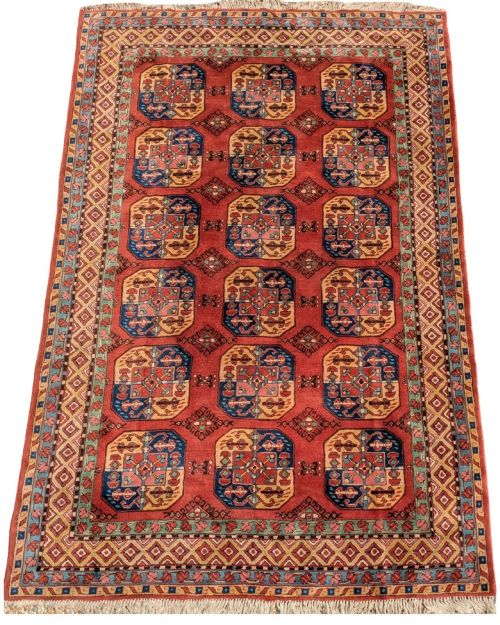
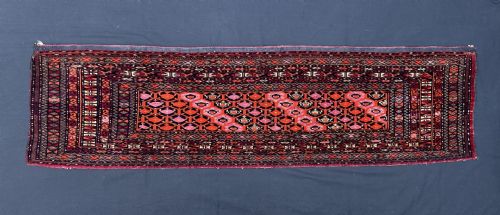
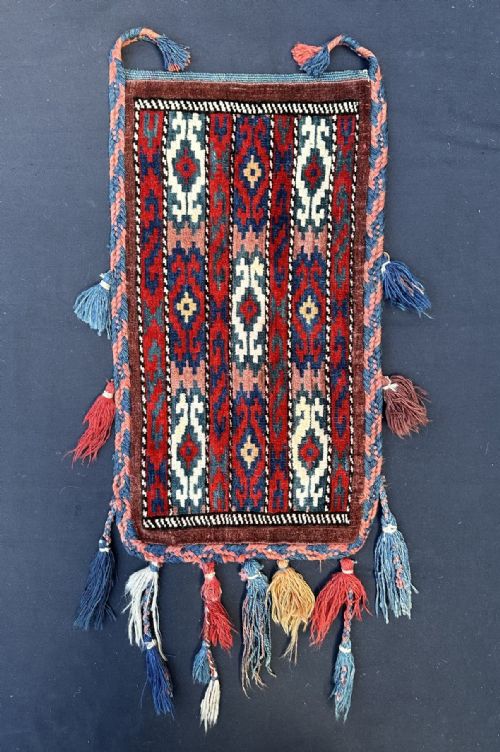
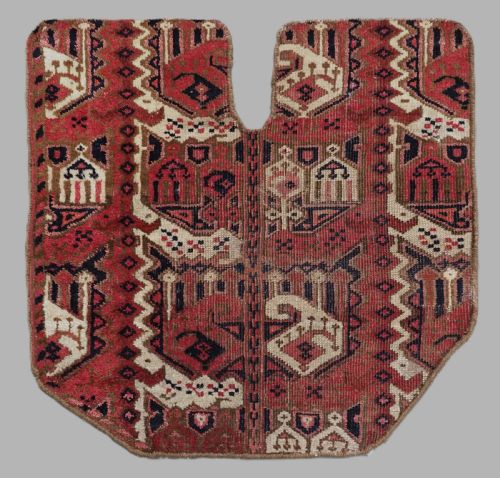
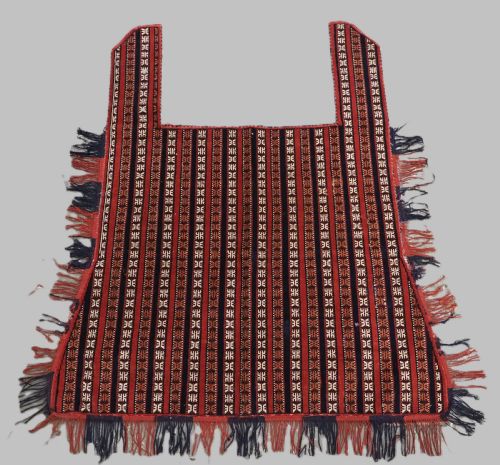
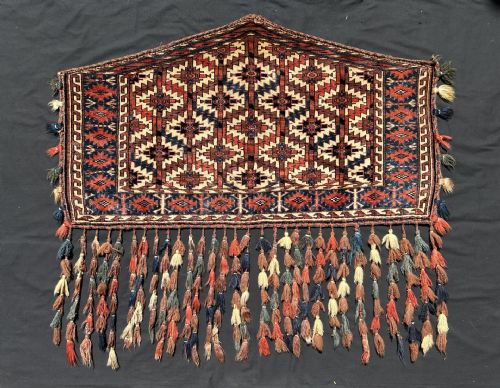
A red turkmen rug is a woven textile originating from Central Asian tribal groups such as the Tekke, Yomut, Ersari, and Saryk tribes, dating from the nineteenth and early twentieth centuries. These pieces encompass various functional forms including main carpets, tent door rugs, saddle covers, torbas, and chuvals created for nomadic or village life.
Buyers exploring this selection encounter floor carpets alongside smaller tribal trappings and ceremonial horse blankets featuring characteristic geometric guls. The palette relies heavily on madder grounds ranging from deep crimson and plum to soft pink-red.
Originating largely from Turkmenistan and the wider Trans-Caspian region, these textiles reflect distinct tribal heritages preserved through generations of weavers. The surviving examples range from expansive room-sized carpets to intricate storage bags and hanging fragments.
How They Were Made
These textiles were constructed primarily using hand-spun wool for the pile, bound to foundations of cotton or wool with supplementary silk threads appearing in specific decorative details. Natural dyes provided the characteristic red hues, achieved through plant materials like madder root.
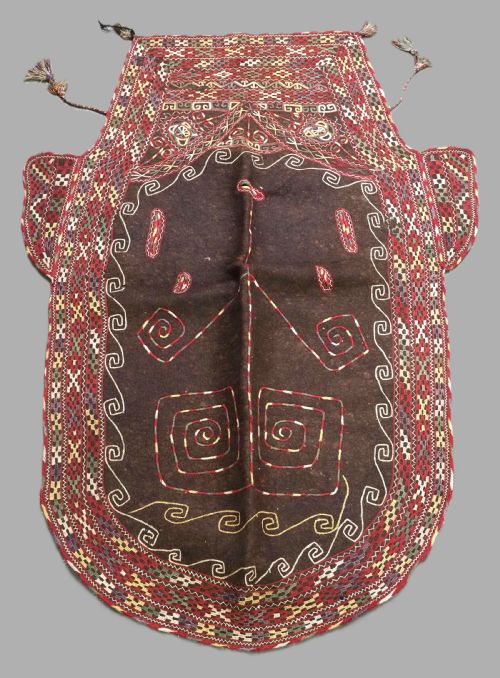
Weavers utilised traditional vertical looms within tribal and village settings, employing dense knotting techniques to ensure durability for nomadic existence. Certain specialised pieces also incorporate felted wool or embroidery, particularly in ceremonial horse blankets and tent trappings.
Red Turkmen Rug Retail Price Guide 2026
Typical asking prices for red turkmen rug among the pieces listed under this phrase on Sellingantiques today, from the lower quarter to the upper quarter. They describe what is for sale here now, not the wider market.
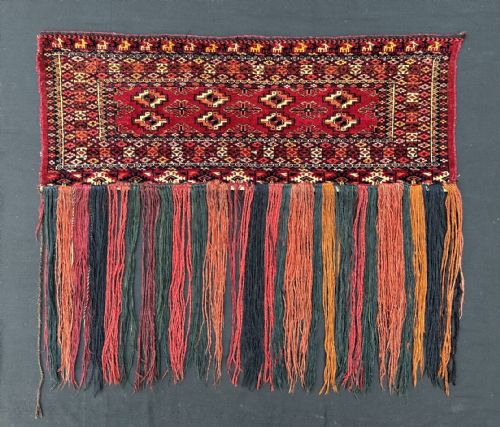
Some antique horse blankets still retain their original tassels, having travelled from Central Asian steppes directly to modern floors.
What Varies in Quality
Quality in these textiles depends heavily on the fineness of the weave and the precision of the tribal drawing within the guls. Tighter knot density and well-executed symmetry distinguish finer workshop or tribal pieces from simpler village productions.
The depth and nuance of the natural madder dye heavily influence visual appeal, with abrash variations adding character to the red field. Additionally, the survival of original side cords, flatweave ends, and tassels elevates the desirability of surviving examples.
The Red Turkmen Rug Glossary
- Gul
- A primary repeating medallion motif used across tribal carpets to identify specific clans or regions. These octagonal or principal guls form the structural backbone of traditional compositions.
- Chuval
- A large tent storage bag traditionally employed for bedding and household possessions. Surviving examples often circulate as trimmed face panels.
- Abrash
- Natural tonal variation within a single field of colour caused by differences in dye batches or hand-spun wool. This subtle striping adds organic depth to the madder ground.
- Asmalyk
- A pentagonal ceremonial trapping mounted on wedding camel flanks during tribal migration rituals. They represent highly collectible examples of nomadic textile art.
Red Turkmen Rug: Frequently Asked Questions
What is a gul on these rugs?
A gul is the principal repeating medallion motif embedded across the field of the textile. These octagonal shapes often denote the specific tribal lineage of the weaver.
Different clans utilised distinct variations of these motifs to signal their heritage and visual traditions within Central Asia.
How were these rugs used originally?
Nomadic and village communities utilised these textiles as floor carpets, bedding storage bags, tent door hangings, and ceremonial horse covers. Many items served practical functions within portable dwellings before entering domestic furnishing markets.
Smaller pieces functioned as saddle bags or camel trappings during seasonal tribal migrations across the steppes.
How do I care for a wool tribal rug?
Regular gentle vacuuming without a rotating brush roll prevents dust accumulation within the hand-spun wool pile. Professional specialist cleaning ensures the natural madder dyes remain protected over time.
Keeping the textile out of direct sunlight preserves the rich red colouration across the field.
How can I tell different tribes apart?
Tribal attribution relies on the geometry of the primary guls, the structure of the secondary ornaments, and the specific shade of madder red. Tekke, Yomut, Ersari, and Saryk weavers each employed distinct drawing styles and border arrangements.
Examining the side finishes and knot structure further clarifies the regional origin of the piece.