
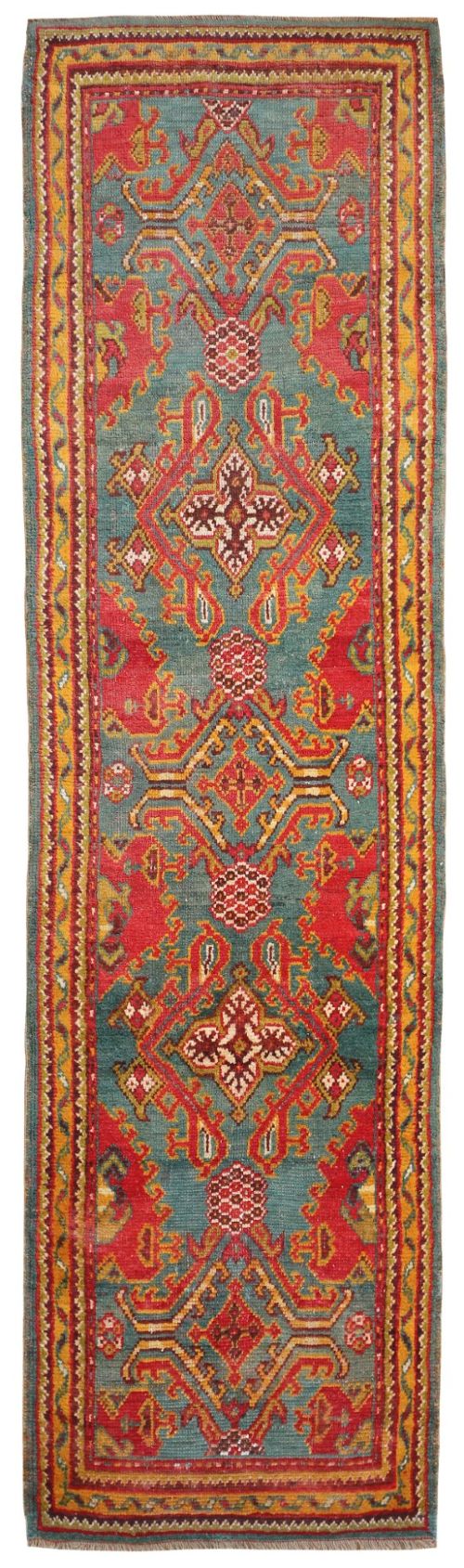
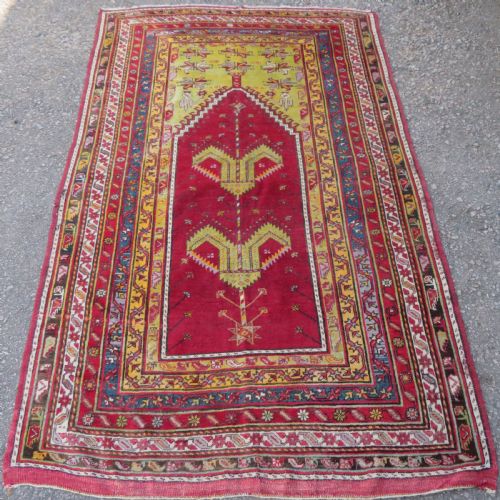
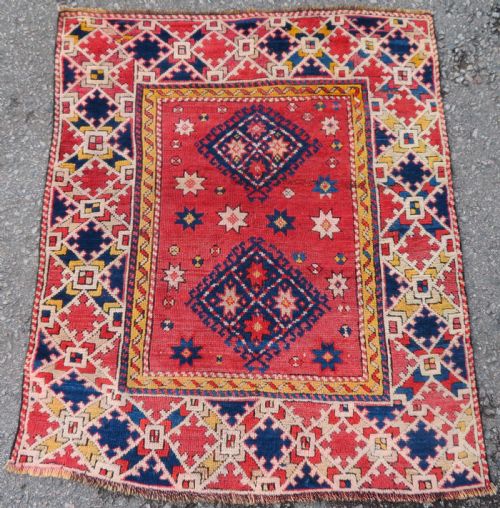
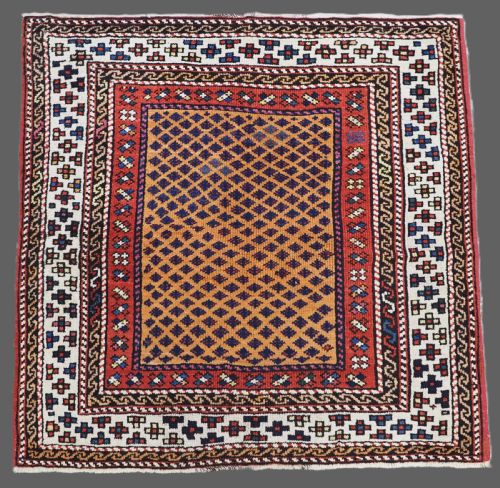


Red Turkish Area Rug
A red turkish area rug brings warmth and rich cultural history into a room through centuries-old weaving traditions.
Red Turkish Area Rug
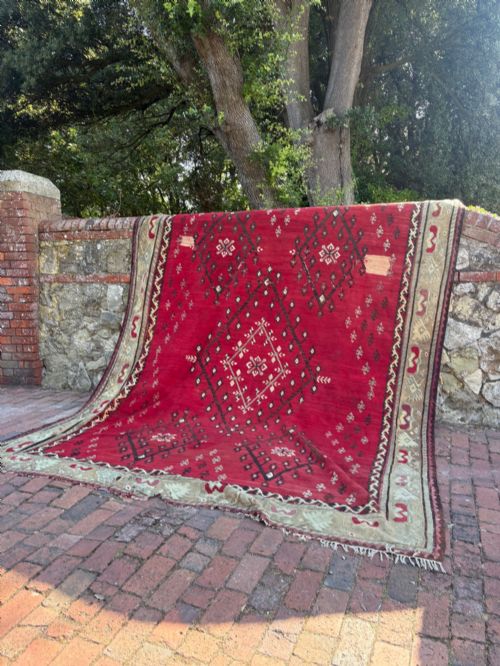
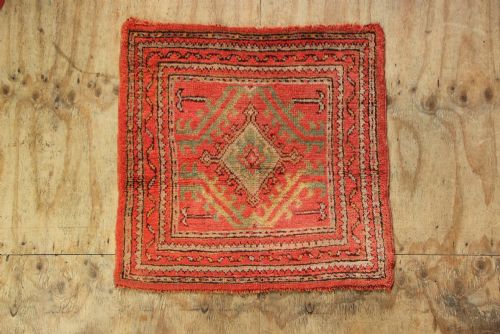
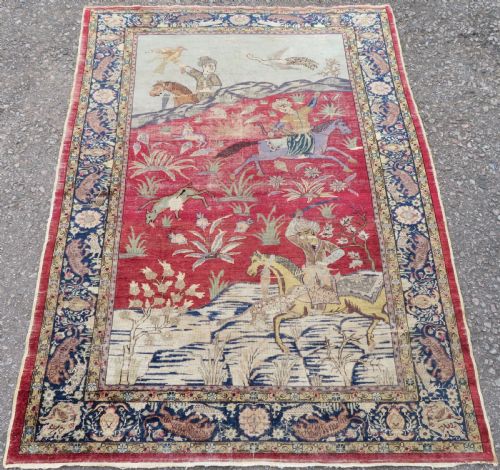
A red turkish area rug encompasses hand-knotted and flatwoven textiles originating from Anatolian weaving centres, spanning village and city workshops.
Woven traditions such as Ushak, Bergama, Kirsehir, and Melas dominate the aesthetic, displaying characteristic tribal and Ottoman motifs.
Materials and construction methods
Weavers utilised natural sheep wool, cotton foundations, and occasionally fine silk or angora wool to construct these durable textiles.
Many pieces incorporate hand-spun wool yarns dyed with traditional pigments, resulting in the deep red tones typical of Anatolian production.
Construction techniques range from pile knots on warp threads to flatwoven kilim structures, sometimes joined in two distinct parts.
Red Turkish Area Rug Retail Price Guide 2026
Typical asking prices for red turkish area rug among the pieces listed under this phrase on Sellingantiques today, from the lower quarter to the upper quarter. They describe what is for sale here now, not the wider market.
Certain village runners bear traces of timeworn repairs, showing where families patched the wool over generations of daily foot traffic.
Distinguishing finer examples
Quality rests in the fineness of the knot density, the precision of the geometric or floral design, and the clarity of the dye palette.
Early pieces from distinct regional traditions such as Ushak or Kayseri often display superior artistic execution and material selection compared to standard village output.
The Red Turkish Area Rug Glossary
- Kilim
- A flatwoven rug or carpet produced without a pile, created by tightly interweaving warp and weft strands.
- Prayer rug
- A small textile featuring a mihrab or arch design traditionally used for personal devotion.
- Warp
- The vertical threads stretched tightly on the loom that form the foundational structure of the woven piece.
- Weft
- The horizontal threads passed through the warp to hold the knots or flatweave securely in place.
- Medallion
- A central ornamental design motif placed in the middle field of the carpet.
Red Turkish Area Rug: Frequently Asked Questions
How do I care for an old rug?
Protect the textile by vacuuming gently without a rotating brush and keeping it away from direct sunlight to preserve natural dyes.
Professional cleaning suited for antique wool and silk ensures the fibres remain undamaged over decades of domestic use.
Where were these textiles made?
Production took place across Anatolian towns and villages, with specific regions like Ushak, Bergama, and Kirsehir developing distinct regional styles.
Local weaving communities passed down specific patterns and knotting techniques through generations.
Can I place furniture on them?
Light furniture items can sit safely on these floor coverings provided the weight is distributed evenly across the pile.
Using a quality underlay prevents slipping and reduces friction between the woven foundation and the floorboards.
How do I identify regional styles?
Examine the border arrangements, central medallion shapes, and specific colour combinations unique to weaving districts.
Village pieces often display bolder, more geometric interpretations compared to refined city workshop productions.