


Red Tribal Rug Trapping
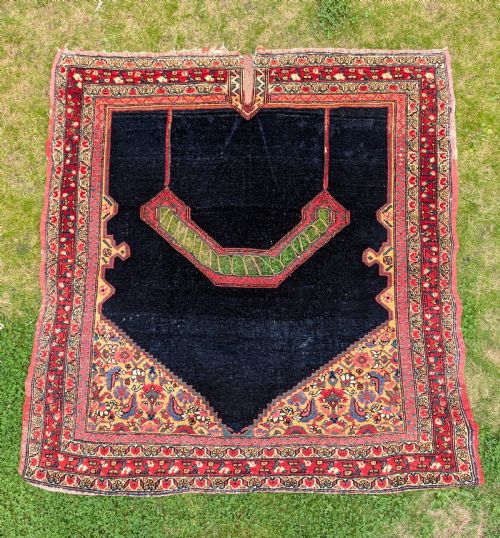
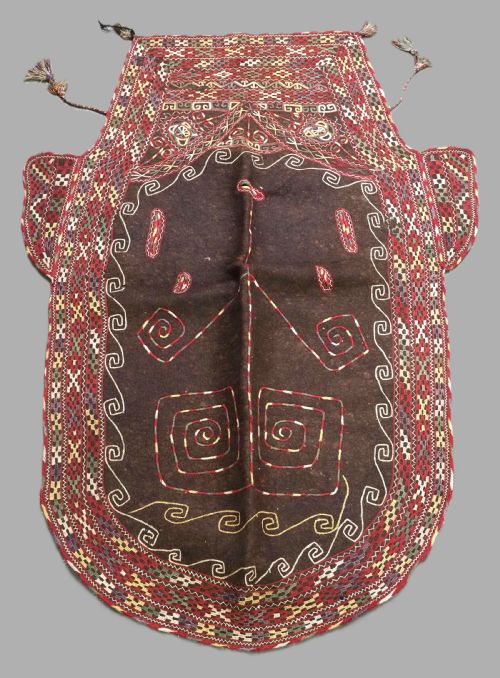
These red tribal rug trapping pieces are historic woven horse covers, bags, and ceremonial trappings from Central Asia and Persia that bring rich nomadic artistry into modern interiors.
Red Tribal Rug Trapping
A red tribal rug trapping refers to specialised woven and embroidered textiles created by nomadic and tribal groups across Central Asia and Persia. Buyers searching this phrase will find a variety of functional items designed for animal transport, dowries, and domestic storage, originating from regions such as Turkmenistan, Uzbekistan, and Persia.
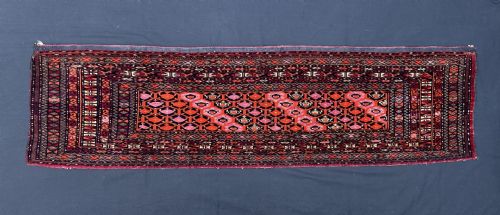
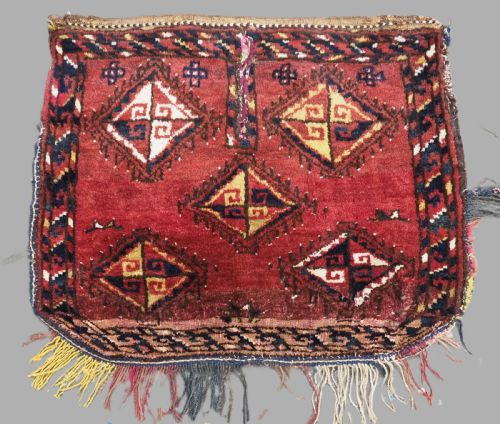
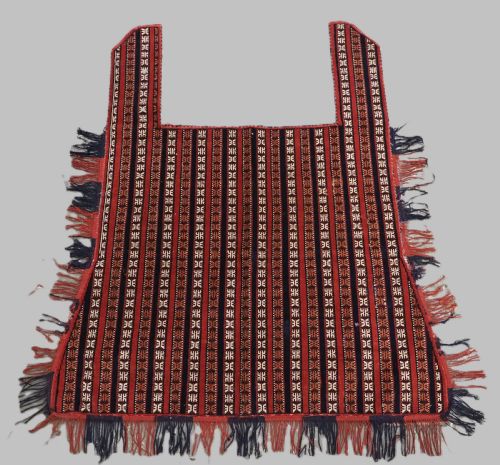
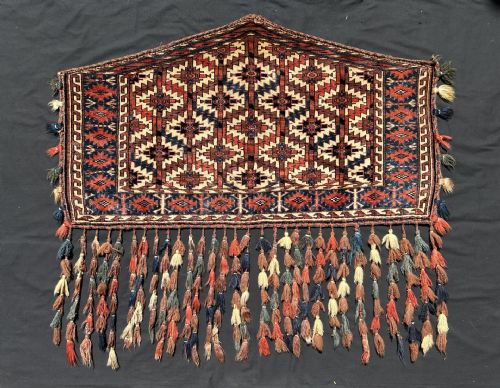
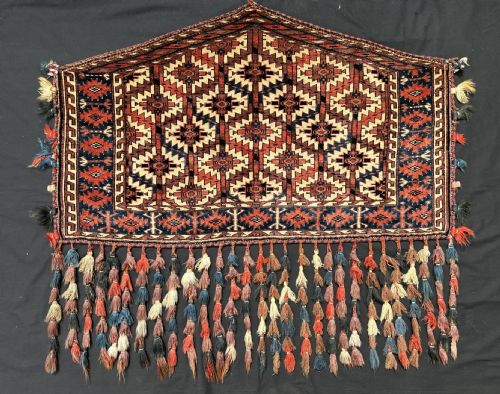
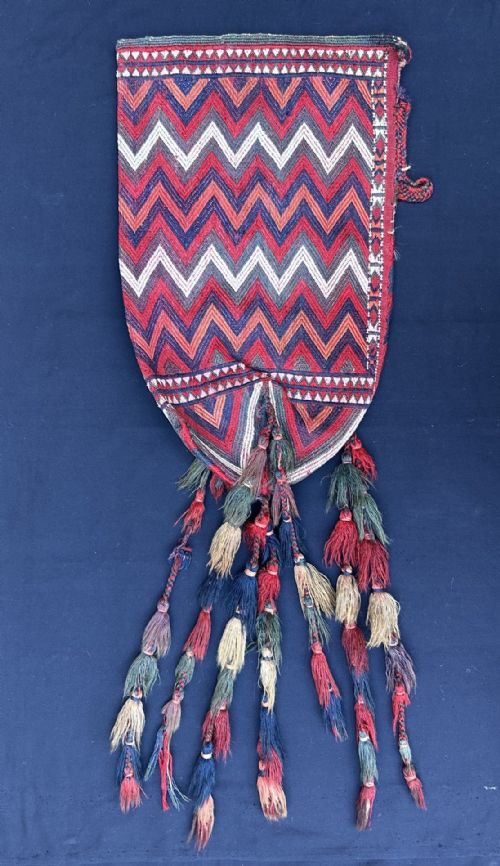
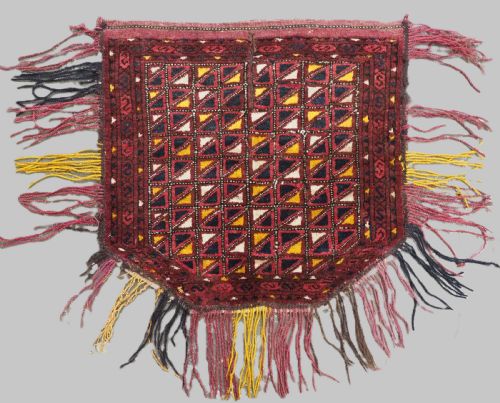
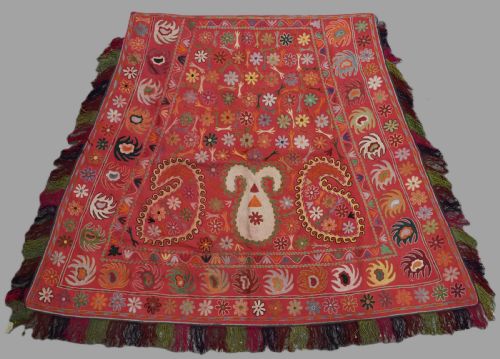
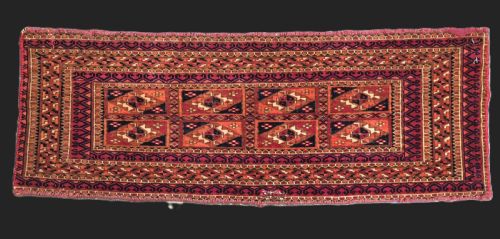
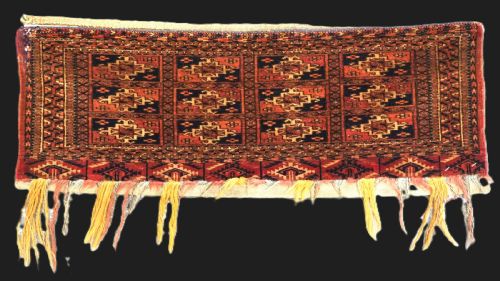
The selections available here predominantly consist of nineteenth-century and early twentieth-century horse covers, saddle rugs, asmalyks, and storage bags like torbas and mafrash faces. These pieces showcase distinct tribal motifs, including repetitive guls and specialised geometric patterns rooted in nomadic traditions.
How they were made
The primary material foundation of these textiles relies on sturdy wool spun by hand, often paired with cotton and felted wool for structural support and warmth. Weavers integrated natural dyes to achieve deep red grounds and contrasting accents, supplemented occasionally by silk thread and cotton thread for finer decorative embroidery.
Construction techniques combine traditional pile weaving with intricate embroidery, felt work, and leather reinforcements designed to withstand practical use on animal mounts. Artisans utilised durable flatweave and knotting methods specific to their tribes, incorporating original tassels and backing materials that survive on well-preserved examples.
The selection includes regional styles originating from Turkmen, Uzbek, and Persian tribal traditions.
What varies in quality
Quality across these tribal textiles depends upon the density of the weave, the precision of the tribal motifs, and the clarity of the natural dyes. Finely knotted examples with tight structures and balanced proportions represent superior technical execution by skilled weavers.
Another measure of distinction lies in the completeness of the piece, such as surviving original backs, tassels, and untrimmed edges. The complexity of the design layout, including scarce gul arrangements and harmonious colour saturation, separates ordinary utility items from masterwork dowry pieces.
Yomut Tribe·Tekke Tribe·Ersari Tribe·Lakai Tribe
The Red Tribal Rug Trapping Glossary
- Asmalyk
- A large, pentagonal trapping hung on the flanks of a camel during Yomut Turkmen wedding processions. These ceremonial hangings display elaborate geometric designs.
- Torba
- A small horizontal wall-hanging storage bag used inside nomadic tents for personal possessions. They often feature repetitive tribal guls across the face.
- Gul
- A primary medallion motif repeated across Turkmen carpets and trappings to identify specific tribal lineages. Each design variant carries distinct cultural meaning.
- Chuval
- A large storage sack woven by nomadic women as part of a traditional dowry. These pieces utilise sturdy wool construction to hold household goods.
- Mafrash
- A rectangular storage bag or chest face utilised for bedding and domestic transport within the tribal encampment. They frequently display detailed flatweave or pile-woven faces.
Red Tribal Rug Trapping: Frequently Asked Questions
What is a tribal horse trapping?
A tribal horse trapping is a decorative and functional textile created by nomadic groups to adorn riding animals during ceremonies, migrations, or weddings.
These items range from heavy felt blankets to finely knotted saddle rugs and decorative flank covers originating from Central Asian steppes.
How were these textile bags used?
Nomadic families utilised these woven bags inside portable dwellings to store clothing, bedding, and smaller household possessions off the ground.
Pieces like torbas and mafrash faces hung against tent walls, combining practical daily storage with displays of tribal identity and weaving skill.
How do I care for an antique rug trapping?
Protect antique wool textiles by keeping them out of direct sunlight to prevent natural dye fading and fibre degradation over time.
Vacuum gently using low suction without a rotating brush, and consult a specialist textile conservator for professional cleaning when necessary.
How can I identify different tribal patterns?
Tribal attribution relies on recognising specific structural motifs, colour palettes, and medallion formations unique to groups like the Yomut, Tekke, or Ersari.
Comparing the border designs, gul structures, and secondary ornamentations helps distinguish pieces woven across various regions of Turkmenistan, Uzbekistan, and Persia.