



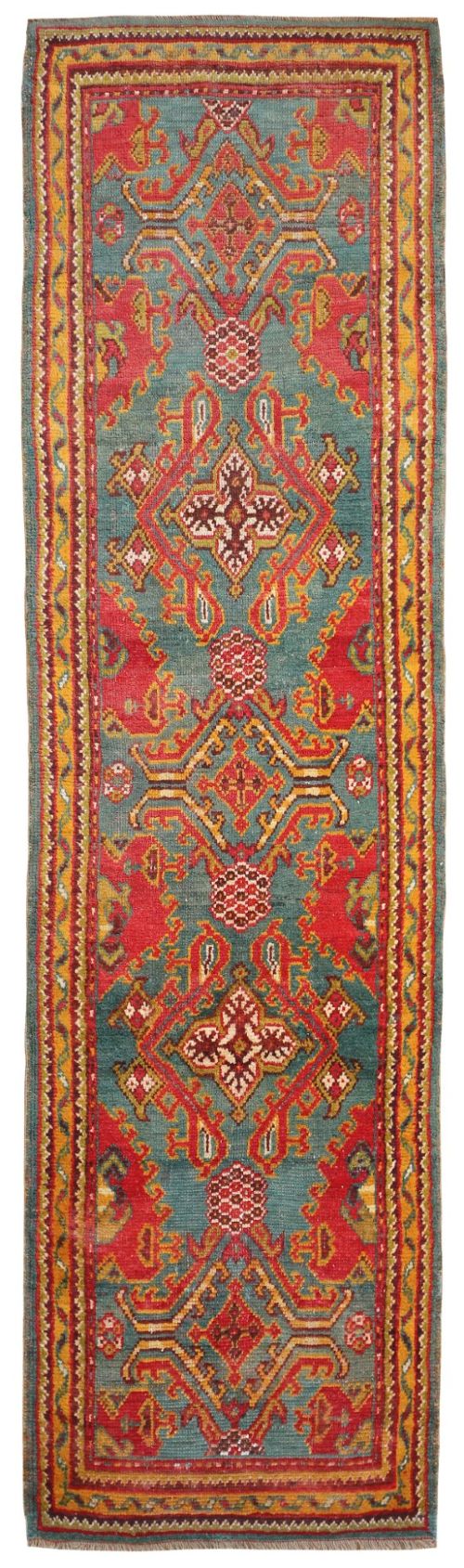
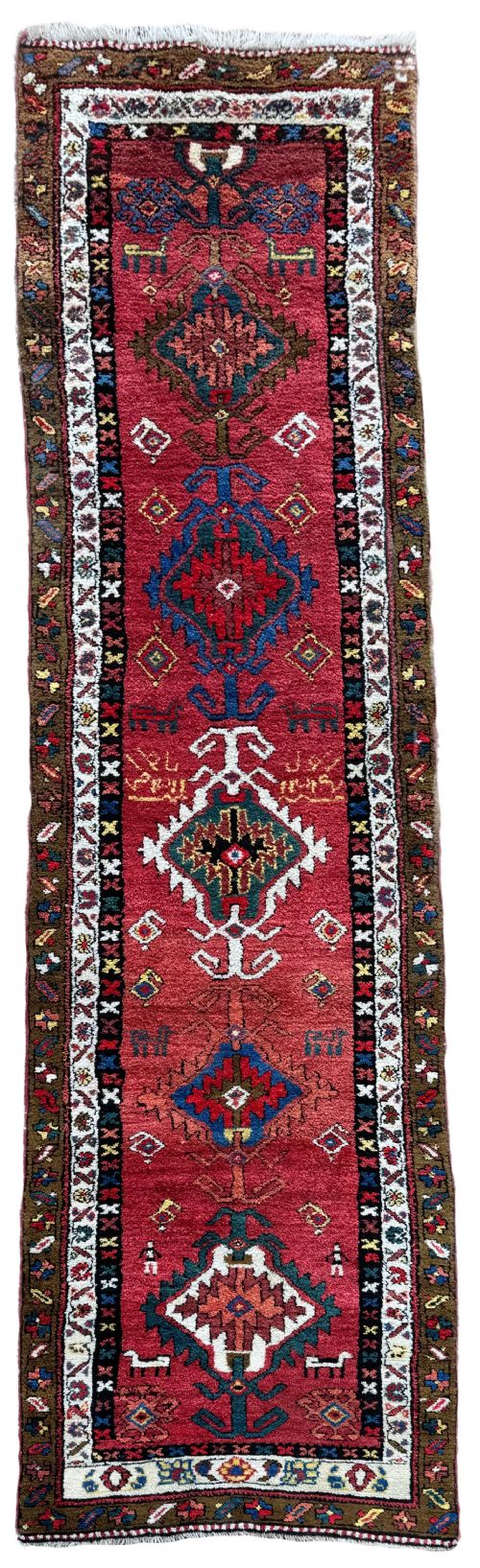
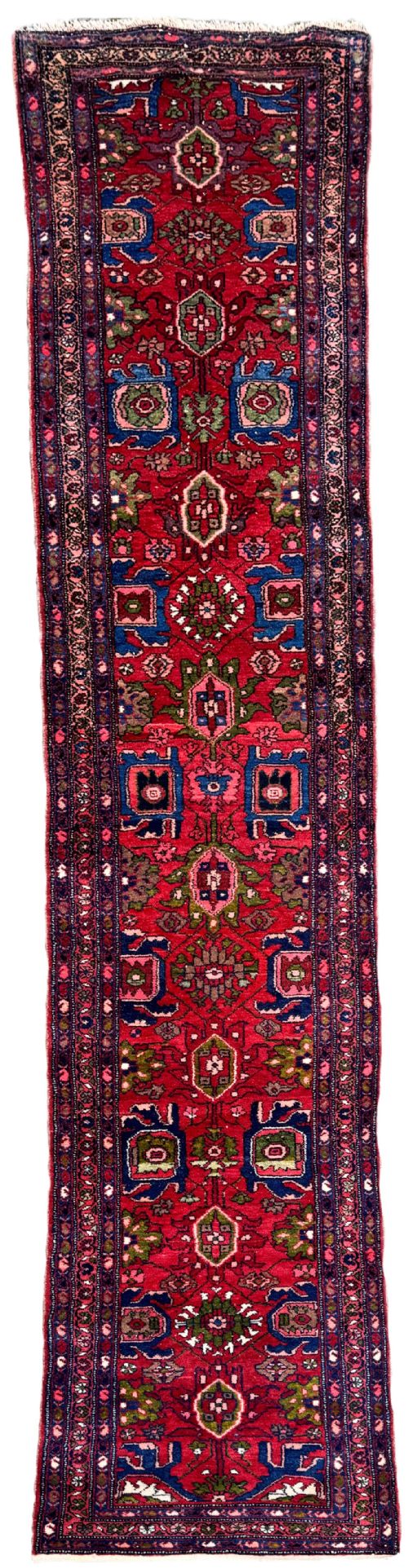
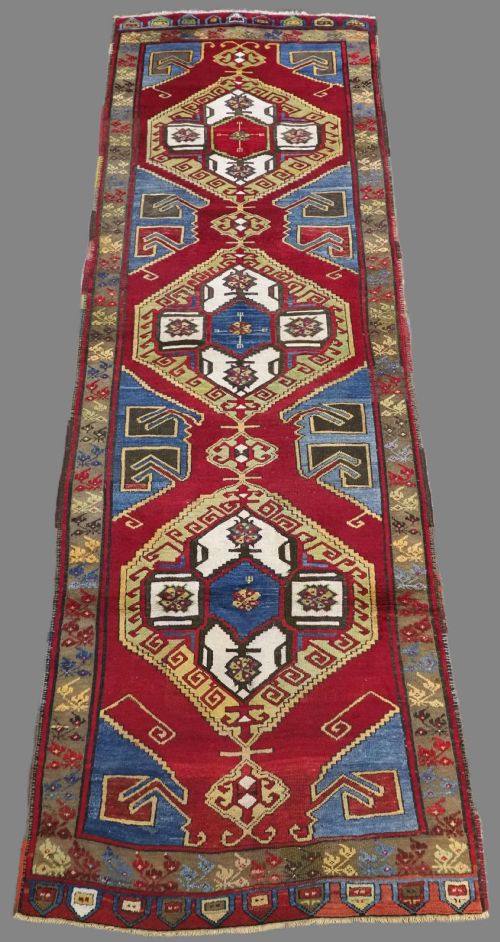
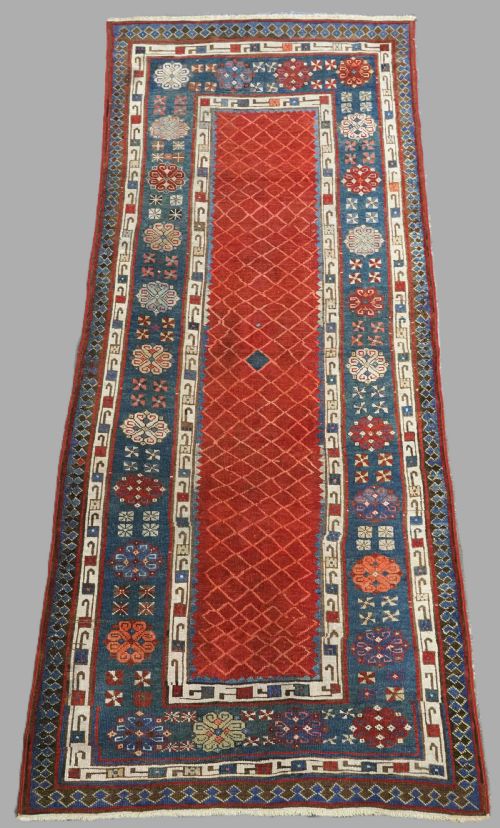
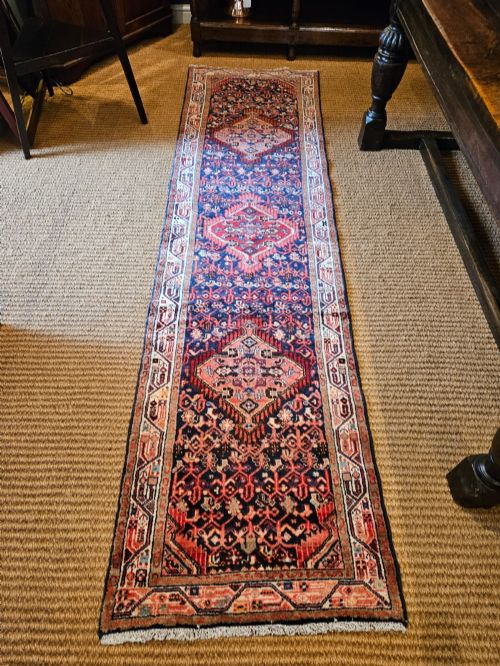
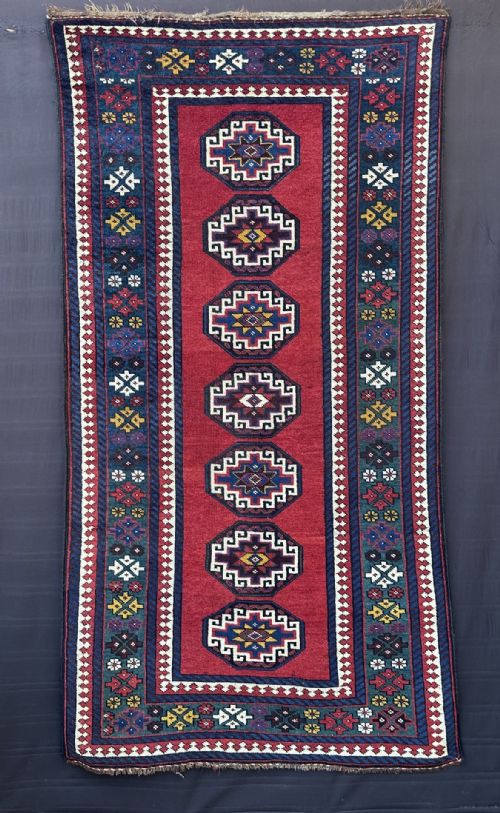
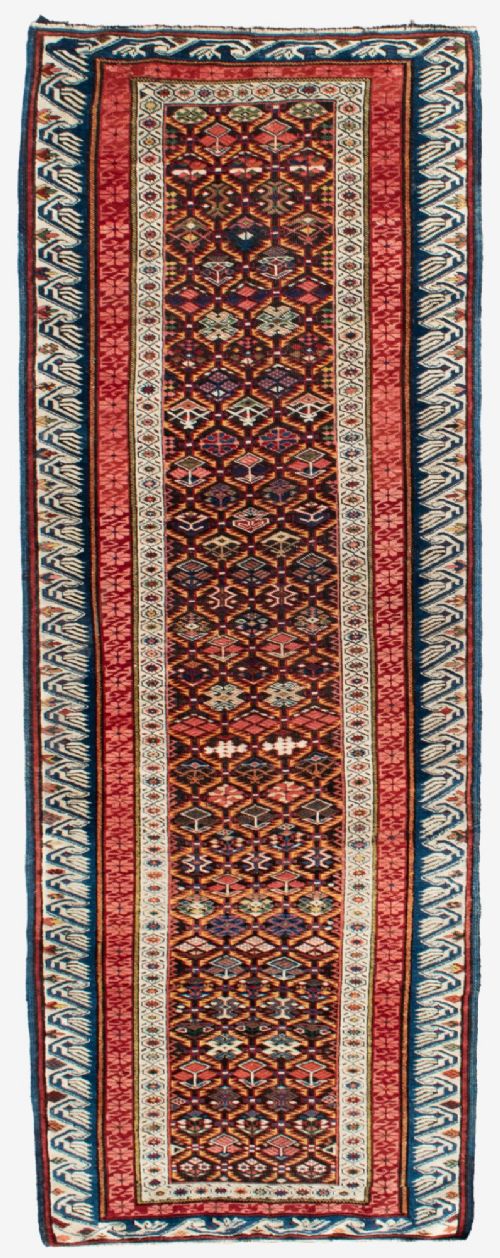
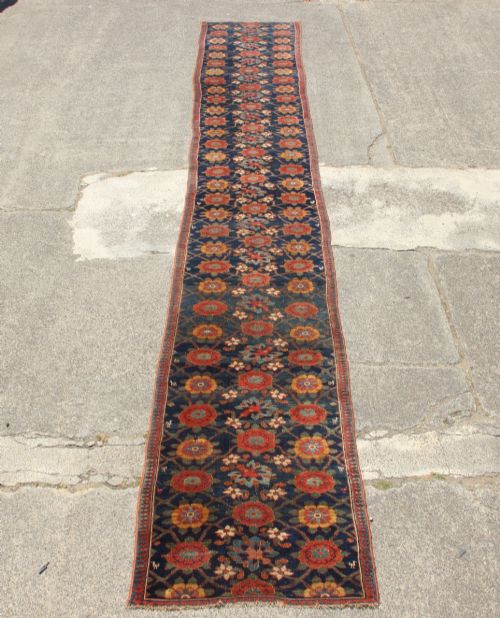
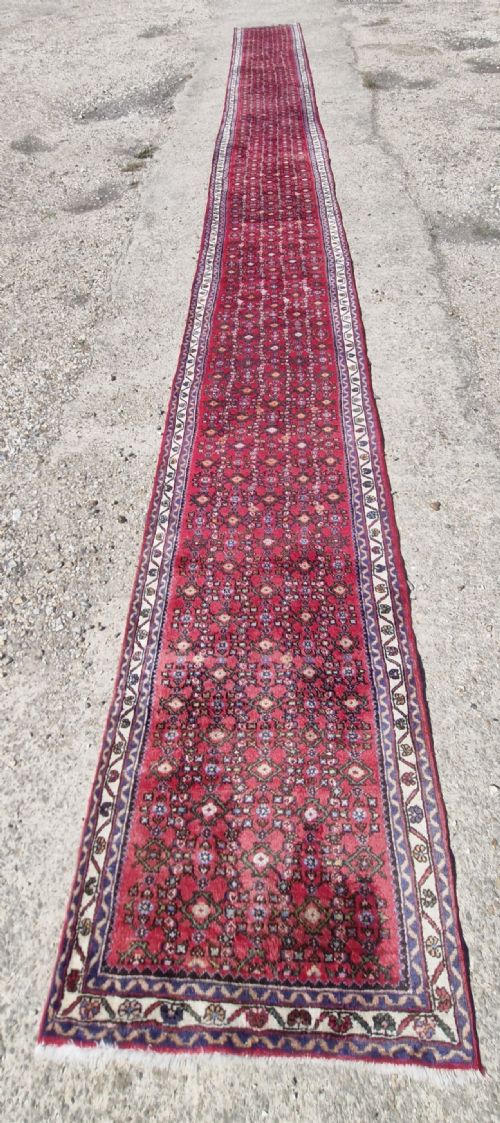
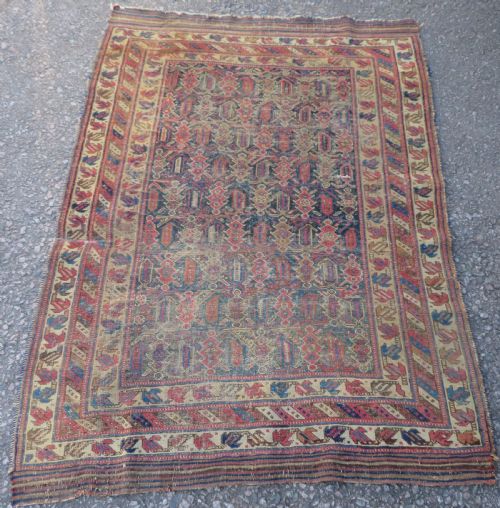

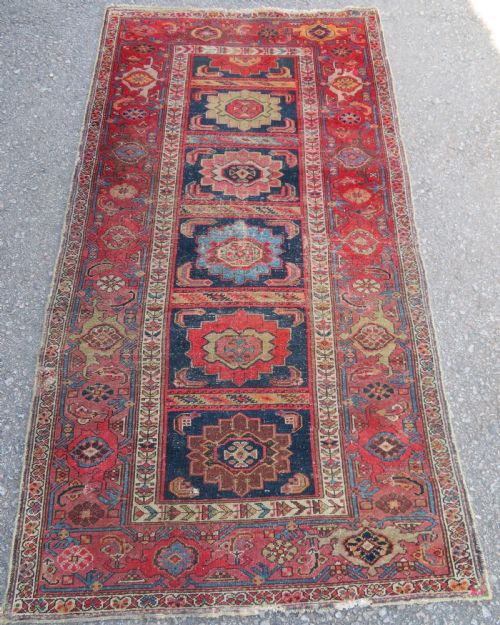
Red Tribal Hallway Rug
A red tribal hallway rug brings enduring warmth and geometric precision to long corridors.

Red Tribal Hallway Rug
When buyers search for a red tribal hallway rug, they encounter long, narrow carpets woven in Persian, Caucasian, and Anatolian villages and nomadic camps. These floor coverings date from the nineteenth century up to the early decades of the twentieth century.
The most common formats on this page are runner rugs and hallway runners spanning considerable lengths, designed specifically to traverse narrow spaces.
Makers utilised distinct regional patterns, ranging from geometric Caucasian lattices to curvilinear Persian Heriz and Hamadan motifs, executed in rich madder reds.
How they were made
Weavers constructed these long carpets using hand-spun wool for the pile, often set upon cotton or wool foundations. Hand-knotting techniques ensured dense, durable surfaces capable of withstanding heavy corridor footfall.
Natural dye sources provided deep crimson and madder red hues, derived from roots and insects, which mellow unevenly over decades of exposure and use.
Listings span from the 1860s through the 1920s, dominated by wool and hand-spun wool constructions in Persian and Caucasian styles.
What varies in quality
Knot density and wool quality dictate the fineness of the drawing and the resilience of the pile. Tighter knotting allows for sharper geometric definitions in tribal medallions and lattice work.
The integrity of the original selvedges and ends determines the structural survival of long runners, distinguishing intact examples from those subjected to extensive modern intervention.
Heriz·Bidjar·Hamadan·Shirvan·Kazak
The Red Tribal Hallway Rug Glossary
- Runner
- A long, narrow carpet format intended for corridors, halls, and staircases. These pieces measure significantly longer than they are wide.
- Madder
- A natural red dyestuff extracted from the root of the Rubia tinctorum plant. It yields the characteristic deep red tones seen across Persian and Anatolian weaving.
- Selvedge
- The reinforced outer edge of a rug running parallel to the warp threads. It prevents the knots from unravelling along the sides.
- Warp
- The vertical threads stretched tightly on the loom before knotting begins. Wool or cotton warp threads form the skeletal foundation of the textile.
Red Tribal Hallway Rug: Frequently Asked Questions
Where do these rugs originate?
These runners originate from weaving traditions across Persia, the Caucasus, and Anatolia, produced by nomadic tribes and village workshops.
Specific regions like Heriz, Hamadan, and Shirvan developed distinct colour palettes and geometric vocabularies.
How were long runners used?
Long runners served primarily to insulate stone or wood floors in narrow hallways, galleries, and landings.
They guided movement through domestic interiors while protecting high-traffic pathways from wear.
How do I maintain an old wool runner?
Regular gentle vacuuming without a rotating brush roll keeps dust from settling deep into the wool pile. Professional cleaning should be undertaken periodically by specialists in antique textiles.
Placing a suitable underlay beneath the runner prevents slipping and cushions the foundation against hard floors.
How can I tell different tribal designs apart?
Caucasian pieces tend to display crisp, angular medallions and bold primary colours. Persian village rugs often incorporate more intricate floral elements alongside geometric lattice structures.
Anatolian examples frequently showcase abstracted prayer designs or hooked motifs unique to specific weaving districts.